

Explore stories and insights
Loading...


 8
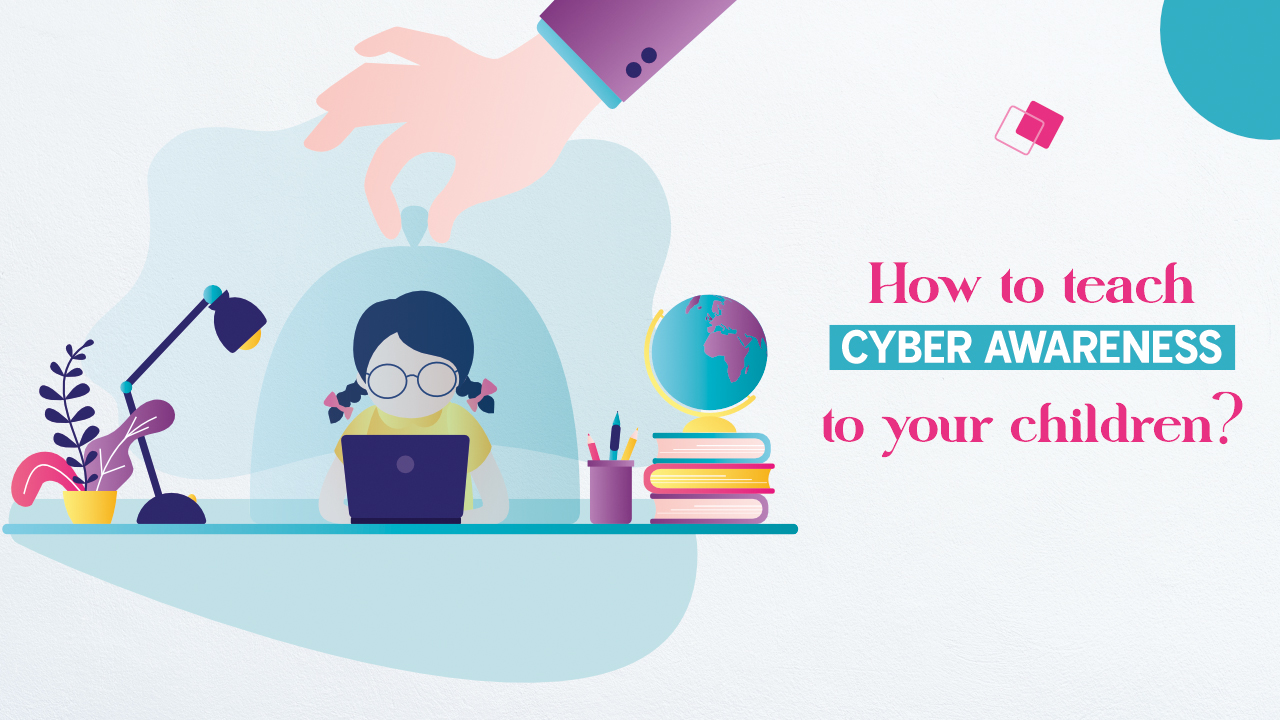
After the COVID-19 pandemic, a large portion of kids’ education systems have shifted online. As a result, it has increased their access to devices like tablets and smartphones like never before. This change has expanded their knowledge to new limits. However, increased online access has brought forth several risks, such as internet security threats that can harm their mental well-being. Thus, it is advisable that parents take the necessary steps to safeguard them. In this regard, the best solution is teaching kids basics of cybersecurity awareness . Keep reading this blog to learn more: 6 practical ways to teach the basics of cyber awareness to children Here are some of the best ways of teaching kids the cybersecurity basics: 1. Create a set of rules for online safety An excellent way to start teaching cyber awareness to your children is to set a list of rules for internet usage. • First, they should never share their email IDs, passwords, school names, house addresses, etc., with unknown people over the internet. Since more and more children are gaming online these days, ensure that they do not use their real names and go for creative, made-up names. This way, it is both interesting and safe. • Second, advise your child to ask you before downloading anything from the internet. This is because they can be lured by free online games and apps, which are actually malware, and downloading them can make your device vulnerable to cyberattacks. • Third, they should spend only a fixed amount of time each day browsing the web. Furthermore, you can consider printing internet safety rules on a poster and pasting them on the wall. This way, whenever your little ones are surfing the web, the rules will be present in front of their eyes. This will further help develop their cybersecurity awareness. 2. Introduce them to Online Security Tools Another effective step you can take to teach cybersecurity to your kids is to introduce them to online security tools. For example, consider explaining to them the importance of using antivirus software. These programmes give alerts in the case of accidental malware downloads and block redirects to risky websites. Moreover, you can teach them how to use a VPN. This will reduce vulnerability in cyber security. You can also encourage them to use password managers. They help generate strong passwords and store them securely for use on various platforms. 3. Show them Real-Life Examples Now, children learn by imitating the behaviour of their parents. So, the next time there is a virus on your computer, or you report and block a spam e-mail address, do it in front of them. This will help them develop good cyber etiquette, which can help protect their online security in the long run. Furthermore, make a habit of using a webcam cover. This will influence your child to do the same, preventing hackers from recording and listening to their conversations. 4. Enlighten them on the Importance of Cybersecurity Awareness Instead of telling your children to stay safe online, consider explaining to them the reason behind it. Explain to them the risks of cybersecurity threats. For example, you can tell them why they should not share their personal information on social media or with anyone unknown on the web. This makes it easier for hackers to target an individual and commit identity theft, which children should be aware of. Moreover, you can explain to them why they should not post personal pictures online. Doing so will enable cybercriminals to steal them for committing fraud or spreading misinformation about them. 5. Create a Safe and Trustable Environment Let’s face it, despite making your kids understand the importance of following rules, they are bound to make mistakes. It is how they learn life lessons. Thus, it is essential for you to create an environment of safety and trust. By doing so, you can ensure that even if they fall for a certain scam, like the ones offering free cell phones or online games, they will not hesitate to ask for your help. 6. Introduce them to Child-Friendly Cybersecurity Resources Parents who want to teach their kids about cyber awareness can search for several age-appropriate sources online. They may include online activities, printable material, educational apps and games, etc., which can make them learn about cybersecurity threats in a fun and interactive way. Interland app is one such initiative by Google that has a lot of learning material parents can use to teach children about cybersecurity. There are several other games and quizzes available that will help them become smart internet users. Furthermore, these resources facilitate a more hands-on experience. This can help them learn faster and turn the boring topic of cybersecurity into something interesting. Conclusion Just like good habits, teaching kids the cybersecurity basics early in life will benefit them throughout their lives. But, given the grave consequences of online risks, we need to avoid making their learning experience scary. Instead, we should try to make it empowering and focus on developing the skills that will help them stay safe online. To stay updated about all the important information from the Narayana Educational Institutions , Join our social media channels: https://t.me/narayanaeducationalinstitutions https://www.facebook.com/TheNarayanaGroup https://www.instagram.com/thenarayanagroup/
 22 Aug 2023
 7
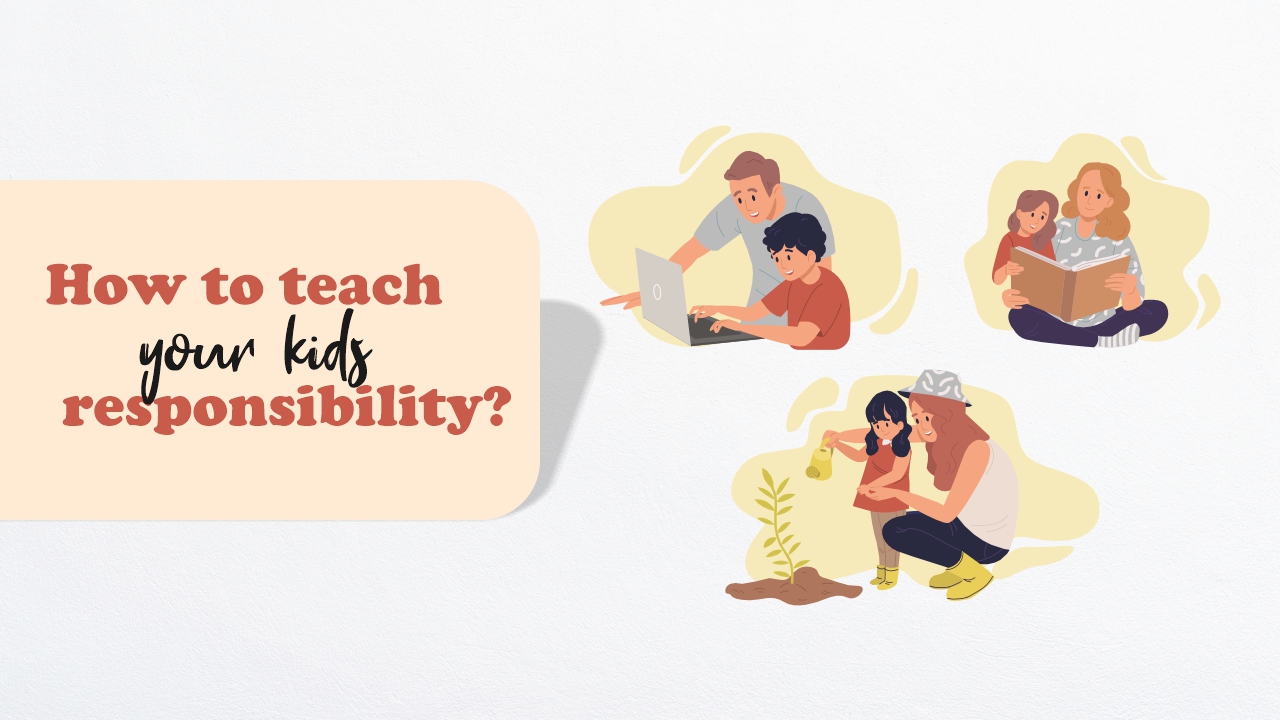
No child is born responsible. It is with the right parenting, guidance and support from adults around them that you can teach your child responsibility . It might feel difficult in the beginning, but it is not entirely impossible. With a little bit of patience and consistent effort, you can easily achieve this goal. Here are 9 tips that parents can follow to teach responsibility to their kids: 1. Everyone deserves respect including your child Children are bound to make mistakes as they grow up. However, that doesn’t mean that parents should disrespect them or deprive them of due love and care. Remember, age has got nothing to do with showing respect to someone, and the same applies to your child. Respecting your child helps them feel validated, confident and more proactive in meeting their responsibilities. 2. Step back from always guiding them Toddlers need their parents to do everything for them. However, as your child grows up, it is important that you let them do their chores on their own. Help them when they ask you for it, but you also need to let them be. This gives them space to learn things on their own and be mindful of the tasks they are responsible for. They might miss it once or twice, but they will eventually learn to be less dependent on you. 3. Enforce accountability for their responsibilities To start teaching responsibility to your children , you must also hold them accountable. For example, if you ask your kid to clean their room and they don’t do it, you can deny them from watching TV for a day. This helps them understand that there are consequences to their actions, and they need to earn certain privileges and benefits. Speaking of consequences, do not mistake them for severe punishments that traumatise your child. Keep your approach gentle but firm. 4. Praise them for things well done Punishment is not the only way to teach your child responsibility . Children learn better with positive motivation, and praising them for being responsible does just that. Praise your child for doing things on their own, and be specific about what you are praising them for. For example, if you ask them to make their bed after waking up, praise them for doing it on their own. It helps them understand that they are on the right path and would motivate them to keep up with the behaviour. 5. Make them participate in household chores If you keep doing all the household chores on your own, your child might grow up thinking that it is your responsibility alone. In order to make them responsible for these chores, it is important that you get them involved. For example, ask them to help you with the dishes after dinner or anything else that would teach them to share responsibility with you. 6. Teach them how to manage money It is very crucial for every person to have good money management skills, but even adults lack them in several cases. To avoid such a situation, it is better if you instil these habits in your child from a young age. Start by giving them some pocket money and let them make their own spending and saving decisions. This will teach them how to prioritise different needs and build good financial skills. 7. Be patient with them Not every child starts walking before they turn one. Similarly, not every child learns responsibility at the same age. Be patient when you teach responsibility to your kids . Sit and talk with them, but don’t impose your expectations on their mind. This can bring negative outcomes and turn your child into a rebel. So, even if they start late, be patient with them. 8. Set a good example for them Young children have the tendency to copy their parents. If you want to teach your child responsibility , you need to behave responsibly first. Children learn more by watching rather than listening. Therefore, show them how responsible adults behave and how it benefits being responsible. Chances are very likely that if you set a good example, your child will definitely try to follow in your footsteps. 9. Don’t ignore their misbehaviour If you see your child misbehaving at school or outside, don’t take the fall for them. When you always shield your child from the consequences of their action, they never understand how their behaviour could be hurting others. So, instead of covering up for them, encourage them to sail through the consequences and learn from their mistakes. Conclusion To teach your child responsibility, it is important that you start teaching them such things at a tender age. Give them enough space, and create a healthy carrot-and-stick environment for them to learn and grow. Raising them as responsible adults will take them a long way, and they will always thank you for it. To stay updated about all the important information from the Narayana Educational Institutions , Join our social media channels: https://t.me/narayanaeducationalinstitutions https://www.facebook.com/TheNarayanaGroup https://www.instagram.com/thenarayanagroup/
08 Aug 2023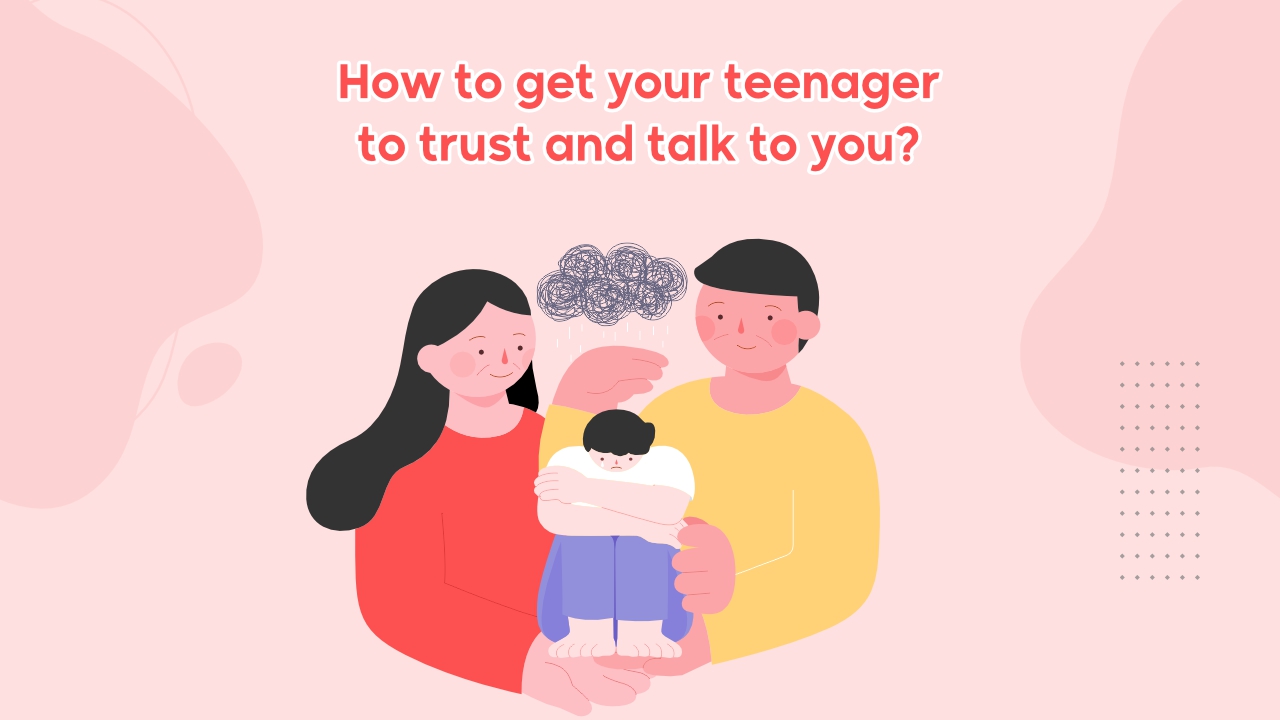 7
If you are the parents of a teenager, you would know it is a huge struggle to figure out how to get your teenager to trust you . Children go through both physical and emotional changes in their teen years, and as a result, they sometimes grow distant from their parents. If you are also looking for ways to get them to trust and talk to you, then this blog can help. Ways to get your teenager to trust you: ● Create a safe space for your teenagers One of the first tips for communicating with your teens is to make them feel safe with you. Safe space isn’t just limited to physical safety but also emotional safety. Teenagers don’t usually share things with their parents because they think it would just worsen the situation. As a parent, it is important to make them believe that they can trust you. Make sure they know that you want to help them and won’t do anything that would make them regret opening up to their parents. ● Choose a right time No person is always in the same headspace, and the same goes for your child. As a parent, you will have to sense a time when you think they would be more comfortable to talk to. It is usually a time when it is just you and your child. When you get some private time with your child, you can nudge them to talk to you. However, do not push them beyond their boundaries. Even if you are desperate to find out what’s going on in their life, pushing them too hard can have an entirely opposite effect. ● Don’t be judgemental Teenagers are very sensitive to how you react to their behaviour, and it can make building trust with teens a bit more difficult. So, when your teenager tells you something, do not immediately snap or judge their actions. For example, if your kid tells you, he got into a fight at school, don’t immediately start scolding them for it. Instead, ask them what happened first and what made them get into it. Even if you feel your child was wrong, calmly explain to them why it was wrong to get into a physical fight and what they could have done differently. • Talk to your kids about their friends Building trust and open communication with your teenager can be a rewarding journey. Start by familiarising yourself with their friends, taking the time to understand their strengths, interests, and preferences. By discussing these aspects, you can initiate conversations with them and provide guidance when needed. Subtly inquire about their school activities and experiences to learn more about their daily lives. This proactive approach will not only foster a sense of trust but also allow you to create a supportive environment where your teenager feels comfortable sharing their thoughts and experiences with you. ● Understand the generational gap You might have often heard your parents tell you how certain things were different in their time. Similarly, the way you grew up won’t be the same as your teenager’s growth phase. Things change with time, and you need to accept certain changes with it as well. So, if you are struggling with how to get your teenager to trust you , try seeing things from their point of view before you decide what is right and wrong. It shows your teenager that you are communicating with them with an open mind and would try to see their perspective as well. ● Be honest with them Trust is a two-way street. If you expect your child to be honest with you, you need to start being honest with them too. Let your teenager know that it is okay to make mistakes sometimes. Share things about your life with them as well. This makes them see you in a more human light and helps them understand that no one can always be perfect. It makes it easier for them to be vulnerable with you in return. ● Do not always scold them Even if your teenager’s behaviour makes you really angry at times, you still need to exercise some patience. If you are constantly nagging them all the time, it nullifies the effect of your words on them. Chances are that they would not only stop listening to you but also stop sharing their feelings with you. However, this only applies to minor everyday issues and not major problems. ● Don’t make them regret trusting you As a teenager, it takes a lot of courage for children to open up to their parents. However, if you react to it with an angry outburst, they might instantly start regretting their decision. Immediately scolding them for what they did wrong will make them grow distant from you. Instead, talk to them calmly and navigate through their feelings. Children often experience hormonal mood swings and feel confused in their teenage years, and angry outbursts just make it worse for them. Conclusion It can sometimes be very demanding raising a teenager. However, you need to understand that being a teenager is a very crucial and sensitive part of a child’s life. It's during these times they need the most emotional support but might not always know how to seek it. As a parent, it is vital for you to know how to get your teenager to trust you so that they can approach you without hesitation. To stay updated about all the important information from the Narayana Educational Institutions , Join our social media channels: https://t.me/narayanaeducationalinstitutions https://www.facebook.com/TheNarayanaGroup https://www.instagram.com/thenarayanagroup/
03 Aug 2023 7
We all want our children to have childhood memories that they will remember throughout their lives. These moments help shape their self-identity, decision-making and interactive capabilities. Making memories also gives kids a sense of purpose outside their usual schedule of school and homework, creating a positive impact on their mental development. It also provides them with something to look back on when they are far ahead in life and helps them deal with any situation that comes their way. As per research, individuals with fond childhood memories tend to have better physical and mental health later in life. Moreover, it reduces the chances of chronic illnesses and enables them to maintain a strong, lifelong bond with their parents. So, if you are thinking about how to create meaningful family moments with kids , keep reading this blog. 7 things you can do to make lasting memories with kids Here are some of the best things you can do to create meaningful family moments with kids: 1. Spend time playing with your children As simple as it may sound, playing with your kids regularly can help create lasting childhood memories. It can be anything like running around with them at the park, playing indoor or outdoor games, finishing puzzles, etc. These activities help strengthen the bond with your little ones, making them more willing to listen to what you say. 2. Read books to them Now, reading books to your children is one of the best ways to generate lifelong memories. Whether it’s reading to them at bedtime or at any other time of the day, this activity helps create unforgettable moments for both you and your child. Additionally, reading to them helps develop interactive skills, and vocabulary, along with strengthening their imagination. It also serves as a stepping stone to developing their own reading skills. 3. Have a family meal time Another simple yet effective way of generating lifelong memories is to have family meal times. It can be either breakfast, lunch or dinner, based on your and your spouse’s schedule, and it needs to happen regularly. This will serve as a time when all the family members are present together, making it a special part of the day for your children. It also provides them with an opportunity to talk about their activities at school or at home, encouraging them to talk openly with their parents. 4. Plan a family vacation Kids love it when the entire family comes together for a vacation. So, if your kids have grandparents, uncles, aunts, cousins, etc., chalk out a plan with them. This can be a simple visit to a hill station, a few days by the sea, or any other city that your family likes. It will give your little ones the opportunity to spend quality time with the entire family. 5. Create unique family traditions To make things fun, discuss with your kids and create unique family traditions. It can range from going to the movies once a month or eating out on Sundays to having family game nights and more. You can also make it a tradition to never miss out on any school performance or event any family member is participating in. Having the support of your family is not just important for young children but for everyone, irrespective of their age. Moreover, there can be seasonal activities like going to the water park in the summer, shopping together before the festive season, visiting their favourite picnic spot, etc. Such events help generate strong memories that your children can relish their entire lives. 6. Plan a family photoshoot Thanks to smartphones, taking instant photos and videos has never been easier. So, the next time you are thinking of how to create meaningful family moments with kids , try a family photoshoot. Ask everyone to dress up in their favourite clothes and drive to one of your children’s favourite locations. Then, take loads of photos and videos of you and your kids doing fun activities. You can later print the photos and put them in a family album. This way, you not only help your children build lasting memories but also enable them to relive those moments whenever they desire in the future. 7. Celebrating birthdays and family milestones with great enthusiasm In their everyday hustle, people often tend to miss out on enjoying things that actually matter to their family. These may be birthdays or some achievement by a member of a family. Whether or not it is a big or small achievement, you as a parent should not overlook anything. Celebrate these moments in life with your family. This will not only create a positive environment but also make for some sweet and fun memories. Conclusion Remember, the true essence of making lasting memories lies not in the extravagance of the activity but in the love, laughter, and connection shared between family members. These experiences will become treasured stories to be shared and cherished for years to come. So don't hesitate to embark on new adventures, try out new hobbies, and enjoy each other's company to the fullest. Please share your own tips for creating lasting memories with your family in the comments below; we would love to hear from you. To stay updated about all the important information from the Narayana Educational Institutions , Join our social media channels: https://t.me/narayanaeducationalinstitutions https://www.facebook.com/TheNarayanaGroup https://www.instagram.com/thenarayanagroup/
31 Jul 2023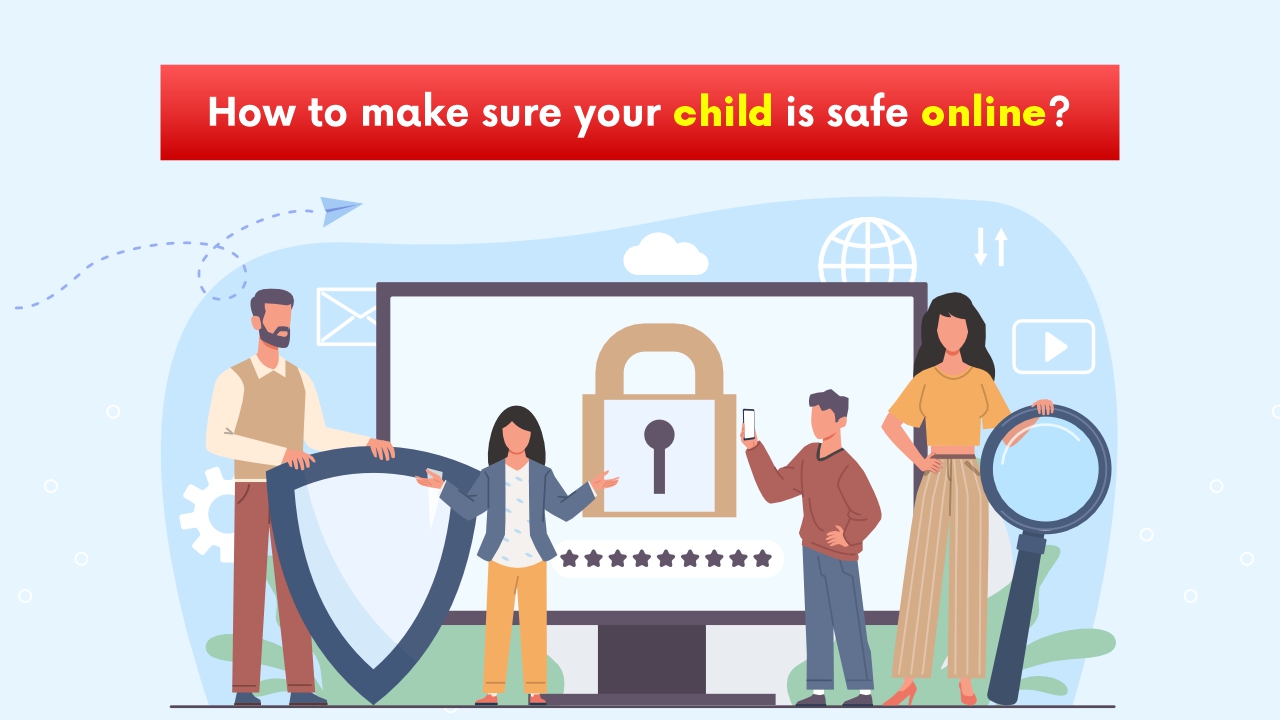 7
For kids of today's generation, playing with their parent's smartphones, tablets, etc., is a common thing. It lets them get familiar with technology from an early age, along with creating an opportunity to learn several things in a fun and interactive way. Now, regardless of all the benefits your children may get from playing with these gadgets, the fact that they are exposed to numerous risks just cannot be ignored. They can become victims of cyberbullying, scams, download malware accidentally, etc. Moreover, they can unintentionally post private information online, which can lead to other problems. Thus, taking care of their online safety is your duty. So, if you are wondering how to make sure your child is safe online , keep reading this blog. 6 Tips to Keep Kids Safe Online 1.Use Parental Controls When you are thinking about how to make sure your child is safe online, one of the best solutions is using parental controls. This setting is available in both smartphones and tablets offered by almost every major manufacturer. It lets you apply restrictions on screen time, app access, in-app purchases, block inappropriate websites and more. This ensures that even when you are not around, there is a level of security measures protecting your little one from online threats. 2. Check Who Are their Online Friends Parents know very well that people are not who they show themselves to be online. Thus, if your little one is social media savvy, it is essential that you know who their online friends are. In case they are conversing with friends from school or their cousins, it is completely fine. However, if it is someone whom they don’t know, it is essential that you check out the person’s profile and block them if needed. 3. Teach them What They Can and Cannot Share Online Nowadays, almost all our personal documents, banking information, etc., stay on our phones. Thus, it can be the case that our kids, while playing, mistakenly upload them on social media. Moreover, they can unknowingly send them to people without having the slightest doubt of their intentions. Thus, it is crucial for parents to explain to them what they can and cannot share online. They need to understand that their home and school addresses, school IDs, any documents of their parents, etc., are things which they must not upload on the internet. Moreover, they should avoid sharing pictures of themselves with unknown people. If someone asks them to share such things, they should immediately inform their parents. 4. Ask them to Be Open About Their Online Activities As per an international study, almost 1 out of 10 children between the ages of 8 and 11 have seen something disturbing online. Thus, when you are thinking about how to keep your kids safe on the internet, please remember that the best way is to communicate openly. Create a safe and secure atmosphere for your child in which he/she feels secure to speak to you. This will encourage them to be open about their online activities, enabling you to keep track of what they are doing. Furthermore, you will get the opportunity to explain to them what they should and should not be doing online, thus ensuring their digital safety. 5. Review Apps and Websites Before Your Child Uses them Children are naturally inquisitive. Thus, it is common for them to try out new apps and games every once in a while. Now, apps these days tend to have several advertisements, which can lead to downloading malware, redirecting to inappropriate websites and more. So, whenever your child finds something new on the internet, ask them to show it to you first. 6. Encourage them to Report Inappropriate Behaviour The internet is filled with cyber predators who stalk children. They aim to take advantage of their innocence and lure them into real-life personal encounters. These situations can often lead to abuse, which can severely affect their mental and physical well-being. To safeguard your children, teach them what kind of behaviour is right and what is wrong. Encourage them to speak up in case they face any type of inappropriate suggestions online. You can immediately block that person and file a report at your local police station. Conclusion It is a well-known fact that kids learn from examples. Thus, when you are wondering how to make sure your child is safe online , teach them cautious and respectable online behaviour by following them yourself. Limit your own screen time, teach them about online threats and spend time with them watching fun and educational content. These activities will create a positive mindset in your child about the internet while being aware of its risks. To stay updated about all the important information from the Narayana Educational Institutions, Join our social media channels: https://t.me/narayanaeducationalinstitutions https://www.facebook.com/TheNarayanaGroup https://www.instagram.com/thenarayanagroup/
26 Jul 2023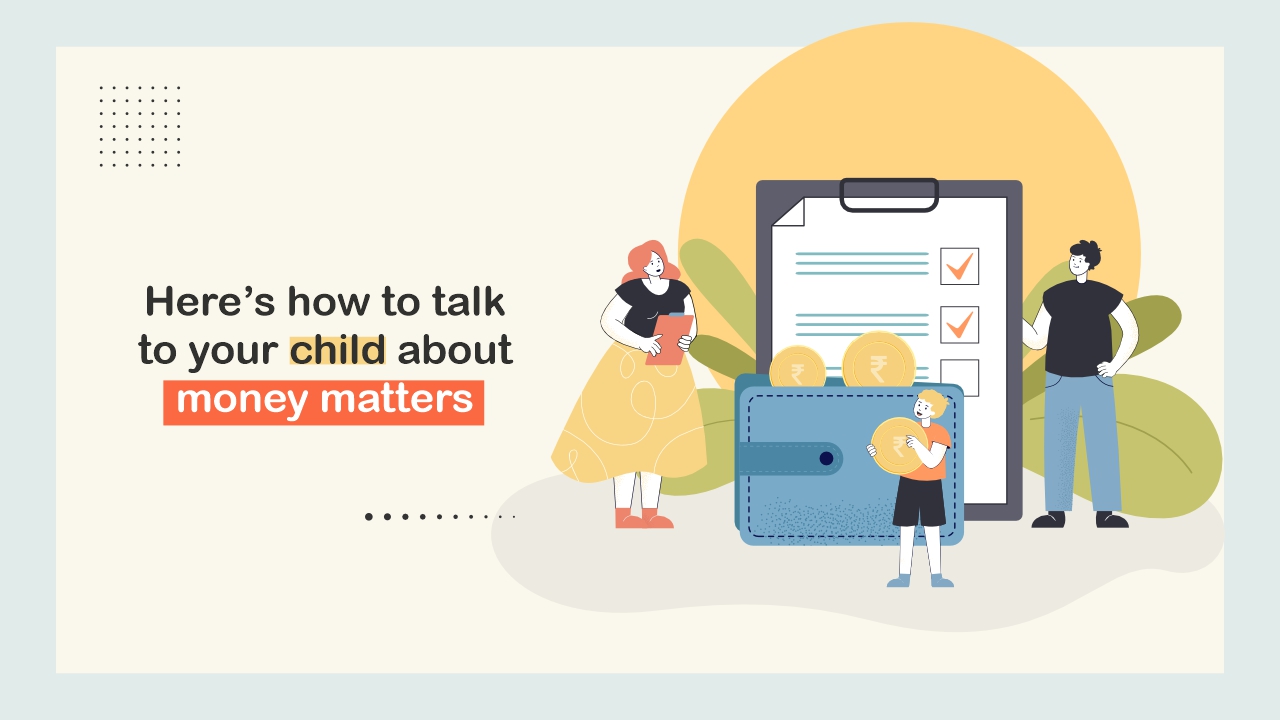 7
As parents, we all want our children to be responsible adults when they grow up. To ensure this, we start teaching them good habits from a very young age. This helps in deeply rooting such healthy practices in their character, enabling them to achieve success in all walks of life. On this note, making them learn good financial habits is a must. It will help them develop responsible savings and spending habits, allowing them to lead a life of financial independence. However, talking to your child about money matters can be a bit challenging. Fortunately, this blog covers the best ways you can teach them good financial habits in a fun and interactive way. Read on to learn more! 6 Effective Ways to Talk to Your Child Regarding Money Matters Here are some of the most effective techniques for talking to your child about money matters: Teach Your Child the Value of Money One of the best ways to teach your child good financial habits is by explaining to him/her the value of money. You can tell them how much money comes from the job you or your spouse does and how hard you have to work in order to earn it. Additionally, if your kid is old enough, you can provide him/her pocket money for doing small chores. This will help them connect money with work, enabling them to understand its value. 1. Make Talking About Money a Family Event An effective way of introducing your child to money-related talks is by making it a family event. For instance, when planning a vacation, ask your children to join the discussion. Explain to them when you are planning to go on the trip and how you intend to save for that purpose. This may include eating at home on weekends instead of going to restaurants, watching movies at home rather than going to the theatre, and more. This will help them understand the value of saving and the need to plan out their finances beforehand. 2. Keep the Conversation Age-Appropriate Now, while talking about the family budget, it is essential that you keep things age-appropriate. For example, if you, unfortunately, lose your job or need to run on a tight budget, do not convey this to your children directly. Instead, you can ask them to play with their old toys rather than buy new ones. Also, tell them how doing that will help you or your spouse save money. This will help create a sense of responsibility among your children and make them feel satisfied about helping you out. 3. Set Practical Examples for Them When you are thinking of how to talk to your kids about money, remember that children learn better from examples than from words. So, the next time you go shopping, set a budget for your kids. Tell them that they can choose what to buy but only within that specific limit. Also, you need to be stringent with them on maintaining that threshold, even if it makes them exclude a few items. 4. Introduce Saving Goals It is a fact that our children need to understand how to manage their personal finances. In this regard, giving them saving goals can be an excellent tactic. For instance, if they want an expensive toy, ask them to buy it by saving their pocket money. This will instill in them a sense of financial discipline and help them understand the value of saving. 5. Do Not Create a Gender Money Gap Now, some Indian parents have the habit of discussing financial matters only with their male children. This is seen as a way to make their kids mature enough to make money-related decisions. However, keeping daughters away from such conversations deprives them of the confidence and knowledge they need to deal with monetary matters. Thus, as parents, it is our responsibility to provide our children with equal opportunities when it comes to learning financial habits. 6. Explain to Them the Time Value of Money Making your kids understand the time value of money is an essential step in developing good financial habits. They need to understand that the value of a certain amount of money today will not be the same in future. Thus, they need to save and invest money in order to make it grow. Thus, to emphasise the time value of money for kids , consider opening a savings account in their name. This will encourage them to save, and their money will acquire interest over time, thus appreciating in value. Conclusion If you are thinking about when is the right age to talk to your child about money matters, remember that the best time is always right now. Moreover, good habits instilled at an early age help reap benefits later on in life.
22 Jul 2023

