

Explore stories and insights
Loading...


 7
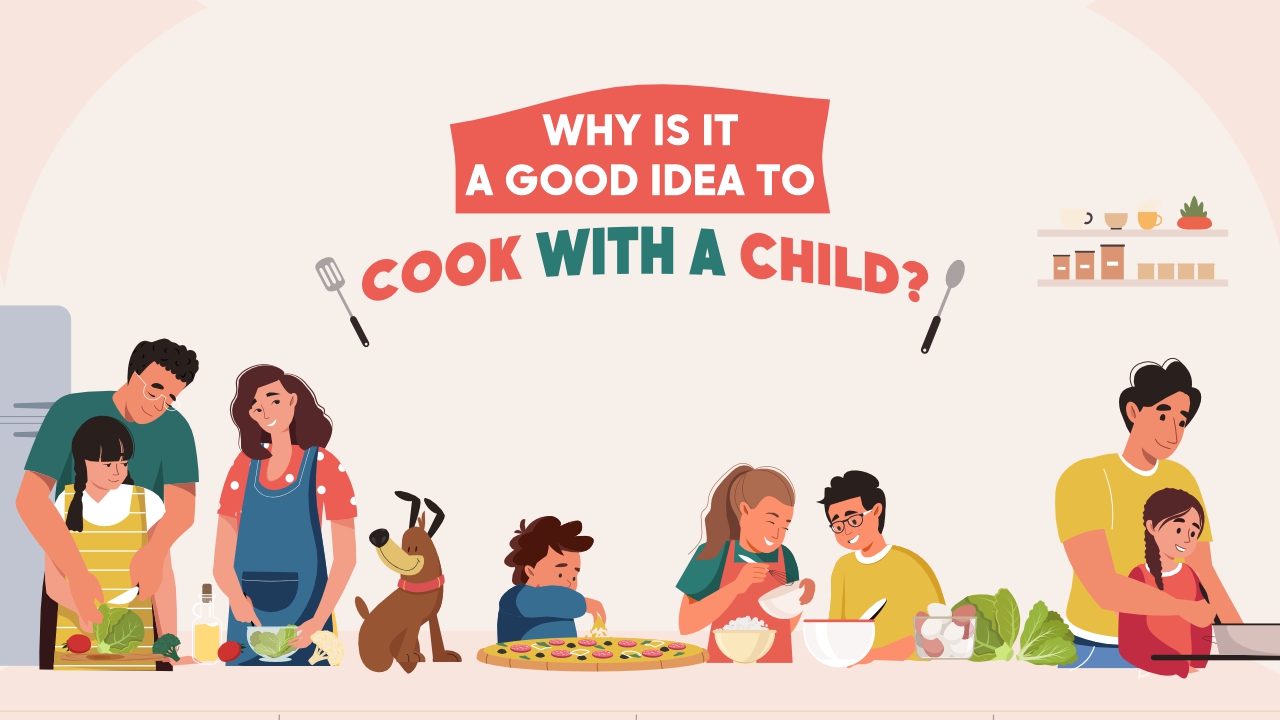
We all want to prepare our kids so that they make the most of life’s opportunities. But to do so, it is essential that we teach them the necessary life skills from a young age. Now, we parents know that in order to make our children learn them, it needs to be done in a fun and interactive way. In this regard, learning through cooking can be an excellent way. It is an all-in-one activity that can help them learn a range of skills while also aiding their mental development. Furthermore, research says that kids who cook tend to have healthier eating habits. Thus, cooking with your kids can significantly contribute to your child’s overall development. You will find in this blog numerous ways it can be beneficial for your child. 6 Benefits of Cooking With Kids Here are the advantages your child can get from learning through cooking: 1. Learn the Basic Mathematics and Reading Skills The kitchen offers numerous opportunities for children to brush up on their basic Maths and reading skills. For example, while baking a cake, you can ask your little one to count the number of eggs or the number of times you put sugar in the batter. It also lets you teach them measurements and time by telling them to choose the larger spoon or to stir a mixture for 2 minutes. Furthermore, you can help your kid read small sentences like ‘add salt to the mixture’, ‘pour the batter into the pan’, etc. 2. Enable Kids to Explore with Their Senses In the kitchen, children get to see fruits, vegetables, and various other items that are used in cooking. They hear several new sounds, like the mixer grinder working, the sizzling of a potato after being put in oil, etc. Apart from this, they get the opportunity to smell and touch different items, along with tasting them when the dish is ready. This helps them explore through all 5 senses, thus contributing to their sensory development. 3. Allows You Some Bonding Time with Your Children You can make cooking time a tradition and set aside a few days a month to cook together. Let your child pick a recipe, and then you can explore it together. With their busy study schedule, children these days don’t get a lot of spare time. Use this time to talk to them about their life, school, friends, and anything else they would like to discuss. This will not only create new memories, but also build a foundation to keep them connected with family. 4. Fosters Creativity in Children Creativity is not limited to painting masterpieces and writing novels. It comes in every form, and cooking is a great way to push your child’s imaginative and creative skills. You can show them how fun it can be when you cook your favourite dish in a new way. Or when you bake together, you can try different styles of cake frosting and decorations to make it more interesting for your child. This allows them to see the live results of their creative thinking and not be afraid of trying new things. 5. Prevents them from Being Picky Eaters It can be fascinating for small children to see how simple ingredients can turn into a whole meal. When they are involved in the process of cooking, it improves their relationship with food. This helps them engage their senses and learn about new foods. Even if your child doesn’t want to cook actively, you can ask them to be there and watch. This may help them be less picky about boring vegetables because they were involved in cooking them. 6. Increases Attention Span and Confidence Cooking is an activity in which children need to concentrate on each step of the recipe to achieve the desired results. Over time, this practise helps build their attention span, which can benefit them in all fields of life. In addition, successfully making something by following a recipe gives kids a sense of achievement. This helps build confidence and self-esteem, along with teaching them to be self-dependent. Conclusion By learning through cooking, your child is also learning about discipline and patience while having fun along the way. It gives them an opportunity to whip up new dishes, experiment, and also spend time with you. Moreover, you get to pass down your recipes, which they can enjoy making and consuming in the years to come. All of this makes cooking together with your little ones a great bonding opportunity. It enables them to create memories that will last a lifetime. Also, while your child is having fun and learning new things, do not leave them unattended near the cooking stove or hot utensils. With this, we wish that you have loads of fun with this idea. Happy cooking! To stay updated about all the important information from the Narayana Educational Institutions , Join our Telegram channel: https://t.me/narayanaeducationalinstitutions
 20 Jul 2023
 7
Why do we love the monsoon? It may be because of the perfect temperature that is neither too hot nor too cold, or the gentle breeze that is always blowing, or maybe you just like the sound and smell of the rain that makes you want to cook or sleep. We may all have our own reasons why we love the monsoon. After all, it is by far one of the most soothing seasons for most parts of the country. But as we all know, the monsoon also brings with it water logging, mosquitoes, power cuts, traffic jams, and a lot of other safety and health hazards. With the monsoon breaking records this year in India by covering 80% of the country at the same time, we think it is smart to adopt some essential safety precautions during the rainy season this time. So, let’s dive deep into them 1. Electrical safety precautions during rainy season a. Refrain from making contact with electrical cables When it is raining heavily, it is strongly advised against touching or holding electrical wires, especially those on the roadsides. There may be instances where heavy rains bring down trees and, with them, wires. These wires may not seem like it, but there are high chances that they are still live. Many accidents like these happen every year during the monsoon, and it should be considered one of the most important safety precautions during rainy season. b. Disconnect electronic appliances from power sources In the event of a thunderstorm, lightning, or even heavy rain, we should immediately disconnect our electric appliances from their power source. Due to fluctuations in voltage, which are quite common at these times, they can easily get damaged. Furthermore, they can give you an electric shock if the wires get wet. Another safety tip during lightning is to avoid touching water taps or showers. These items can conduct electricity. Also, keep your electrical appliance away from doors and windows and put all your mobile devices in waterproof pouches. 2. Steer clear of roads and other pedestrian traffic areas We know that walking and jumping in the rain is something that people might like, but you must remember that the water you are walking on is not just rain water; some of it can be overflowing sewage water, which is filled with harmful microbes. It is strongly advised that even if you have to go out, on returning you should clean yourself carefully with disinfectants. 3. Employ preventive measures to guard against mosquitoes Due to constant rain, our roads, balconies, and terraces become the perfect breeding grounds for mosquitoes. It is on us to make sure we control what we can. Among the safety precautions during rainy season for mosquitoes, the best step we can take is to remove all the possible breeding grounds for mosquitoes. If there are any areas where water can accumulate, such as uneven floor surfaces, air coolers, or any other open container, we should remove it as soon as possible. It is also advisable to sleep under mosquito netting, especially for newborns and small children. 4. Exercise caution and drive with reduced speed Driving on wet roads may seem good in movies, but in reality, it is quite dangerous. The tyres of our vehicles can easily slip, leading to accidents. Our safety tip for monsoon is to exercise great caution while driving. Avoid driving too close to someone, and always maintain a safe distance between you and the person ahead. Do not drive fast, and avoid taking sudden turns. If possible, do not drive a bike, as they are more likely to slip on wet roads. If you are in a car, then be careful with bikers around you for your and their safety. 5. Assemble an emergency preparedness kit Precaution is better than cure. So, keeping yourself prepared for uncertainties is not a bad idea; Mother nature can always surprise you. Here is a list of items you should have in case there are long power cuts or you cannot go out due to excessive water logging. Clean Water Portable battery-powered lights Ready to eat food items First-Aid Kit Powerbank Umbrellas Medicines Mosquito-repellent cream Batteries Extra set of clothes and shoes Thermometer Raincoats Conclusion We know all this can seem a lot to you, but believe us, it is for your safety and wellness. Other than this, there are some health hazards that knock on our doors during the monsoon. Here are some health tips for rainy season: Refrain from consuming street food and raw vegetables Eat washed fruits, cooked veggies, and whole grains Boost your Vitamin C consumption Add disinfectants to your bathwater Waste containers should have tight lids Maintain regular handwashing Stay hydrated With all this, it should not be the case that you fail to enjoy your monsoon. You can keep these things in mind while enjoying delicious home-cooked food with your masala tea and a few extra hours of sleep. We at Narayana wish you a relaxing, rejuvenating, and healthy Monsoon. To stay updated about all the important information from the Narayana Educational Institutions, Join our Telegram channel: https://t.me/narayanaeducationalinstitutions
11 Jul 2023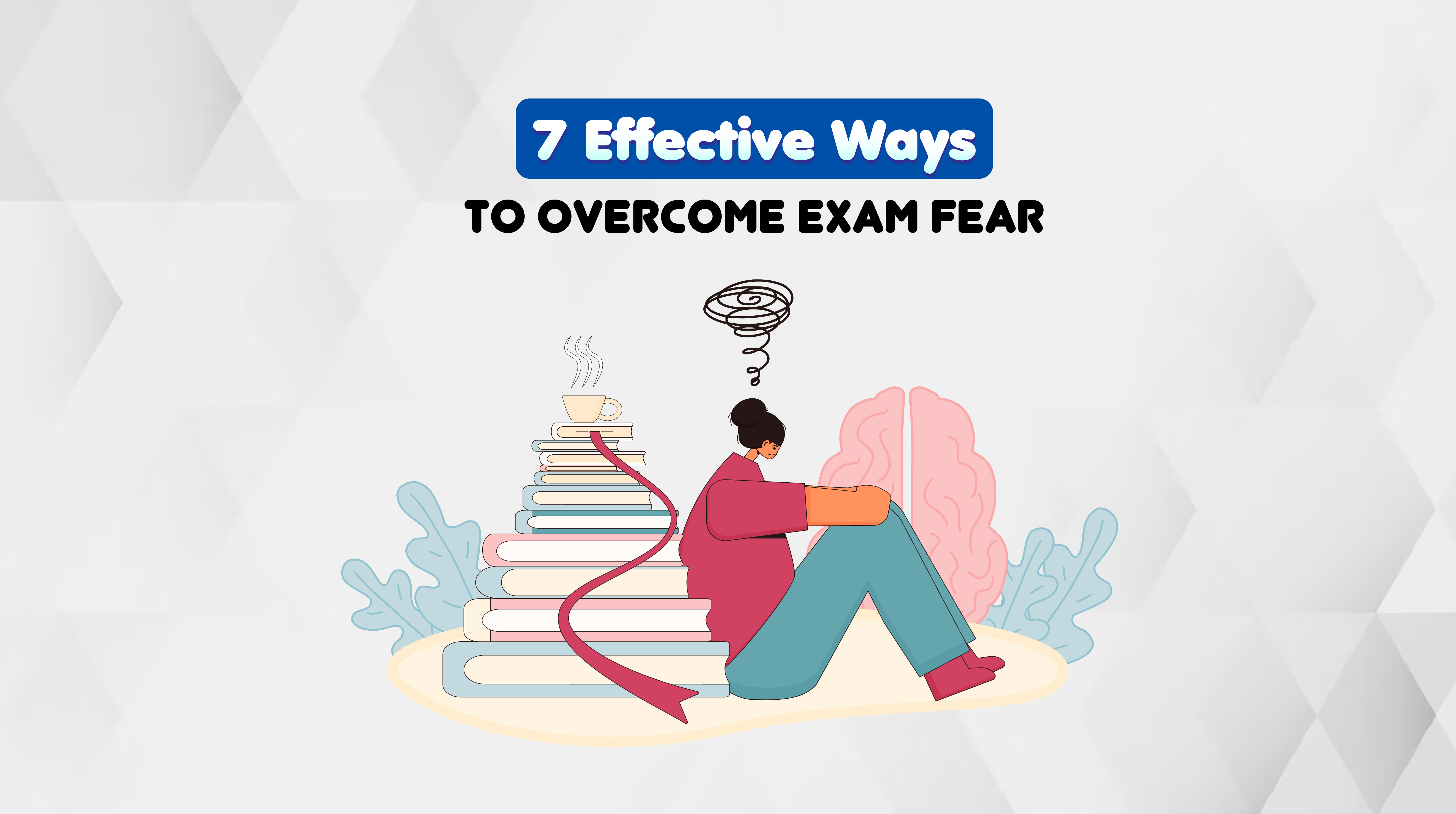 7
Exam fear is quite a common feeling among students of all ages. We feel overwhelmed with stress and tension during exam season, which, in turn, has a negative impact on our learning process. Having exam phobia, or the fear of taking exams, may lead to poor scores/grades. This fear might be because of various reasons - it may be because you find certain subjects to be difficult, or maybe you are stressed about getting good marks, or you don’t want to let your parents down. Exam phobia might lower your self-esteem and reduce the confidence that you need to take exams; this is why it is important to cope with it. If you are wondering how to overcome exam fear, then look no further. We are here to help you. Symptoms of Exam Phobia Stress, nausea, excessive sweating, and headaches might be some of the extreme signs of exam fear. For some students, it might be a common phenomenon; but, for many, it might be a difficult situation to deal with. So, we bring you 7 effective tips on how to get rid of exam fear: Top 7 Effective Ways to Overcome Exam Fear ● Start Revising Early The best way to overcome the fear of exams is to start revising early. Do not leave your revisions for the last hour. It is not possible to remember all the topics that will come up in your exam without revision. Therefore, you need to make some time for your revision. It will be best if you can start revising at least a month before the exam so that you do not feel scared the night before. Create a Study Plan This is also a very important step to keep exam phobia away. Planning is very important in every aspect of life. So, you need to create your own study plan and try achieve maximum efficiency. Make a realistic study plan so that it is easy to follow. Along with the timetable, you need to focus on creating a study plan according to it. This way, you would be able to give equal importance to each subject every day while revising. ● Take Small Breaks While making a timetable, it is very important to assign some time for breaks. If you keep studying for long, you may feel exhausted, which can have a negative impact on your health. Take a break every hour or so and stretch your body, meditate, watch TV, have some snacks, etc. You may also practise some singing or dancing. Let your body relax so that the stress and exhaustion fade away. • Shuffle Subjects When creating your timetable, make sure to focus on all the subjects equally. We tend to avoid things that we do not understand. This should not be the case. Allot some time to each subject either every day or on alternate days to create a balance. This will ensure that no subjects are left out for the last moment. • Get Enough Sleep Another step towards how to overcome exam fear includes giving your body an ample amount of rest. Proper sleep helps relax your mind as well as your body. 8 to 9 hours of sleep are a must for everyone. If you do not sleep properly, it might result in fatigue and a lack of focus. Therefore, you need to set your schedule accordingly. • Do Not Compare Yourself with Others It is quite common to call up friends and discuss the preparations for exams. Knowing about their level of preparation, progress, and study plans might lead to some pressure or anxiety. The best way to deal with this is to not compare yourself with your classmates or friends. Everyone has their own pace of learning. Therefore, instead of thinking about your friend’s progress, it is better to focus on yourself. • Stay Positive Having a positive mental attitude is very important to fight exam phobia. Come up with some morale-boosting mantras like ‘I can do it’ to keep stress away. The most important part is to believe in yourself and your capabilities. Accept the fact that you will do well in the exam because you will be giving your best! To keep your positivity at its peak, you can try some stress-busting exercises. You can also try any leisure activity to keep the stress away. Conclusion If you are wondering how to overcome exam stress, following the tips mentioned above will surely get you some positive results. Exam fear is nothing new, and every student goes through it. However, it can affect you negatively if you have low self-confidence and a lack of preparation. Proper planning and strategy will help you prepare ahead of time and be confident during exam season. To stay updated about all the important information from the Narayana Educational Institutions, Join our Telegram channel: https://t.me/narayanaeducationalinstitutions
06 Jul 2023 7
With the world of technology evolving so rapidly, almost everything is now moving towards digitalisation. After the lethal waves of the COVID-19 pandemic, even classes for school-going children were shifted to virtual mode. This has allowed children to attain education without exposing themselves to the risks of the virus. However, at the same time, it has also raised parental concerns over increasing screen time for their children. Based on a recent study conducted by LocalCircles, 40% of Indian parents with children between 9-17 years of age admitted that their children are addicted to social media, videos and online gaming. If you are one of these concerned parents who want to encourage technology literacy in their children without them developing an addiction to their phone screens, we are here to help you. What is Technology Literacy? In simple words, it is having the ability and knowledge to use digital tools and technology. It is about how safely children use it to create, learn, evaluate and share digital information. Also known as digital literacy, it isn’t simply just limited to laptops or computers anymore. It can be any technological device such as a smartphone, smartwatch, or other devices with the internet that can increase the risks of screen addiction in your child. How to Encourage Technology Literacy in Children (while Avoiding Screen Addiction) Here are some steps you can take to create a balance between your child’s learning journey and preventing them from screen addiction. 1. Set a time limit for them Fix a few hours for your child every day to let them get access to smart devices at home to promote technology literacy. For children between 2 - 5 years old, 1 hour of screen time is sufficient, but make sure you are monitoring their activity. Whereas for teenage children, try limiting it to 2 hours per day except for their studies and homework. These screen time limits have been recommended by experts, but you can modify it based on your child’s needs. It can be difficult in the beginning but implementing it strictly can help your child in the long run. When they know they have only got limited time over their phone screens, they will use it to fulfil their needs rather than mindlessly consuming irrelevant content on the internet. 2. Explain the possible dangers and dark side of the internet to them We are well aware of the threats of cyberbullying and other dangers of cyberspace. Depending on your child’s age, have an age-appropriate discussion with them about such threats and dangers. The key here is to not scare your child but to teach them how to navigate the online space safely and smartly without exposing themselves to the dark side of the web. Teens and tweens can often get rebellious when parents boss them around without any proper explanation. Therefore, a healthy discussion would make them cooperate willingly instead of sneaking around and lying to you. 3. Encourage them to participate in outdoor activities Even if your child is not really the sporty type, encourage them to indulge in more outdoor activities, be it just a walk in the fresh air. This will divert their attention from their screen and also help them to improve their physical and mental health. You can fix a schedule for both screen time and outdoor activities for your child. Remember, if you want to limit their screen time, you will have to give them an alternative as well. Otherwise, your child would always want to go back to their screens out of boredom. 4. Teach them the productive use of technology With the proper use of technology, your child can develop their digital literacy skills the right way. Introduce them to relevant online courses that are available for free. For toddlers, you can introduce them to reading or drawing courses that use a mix of audio-visuals to keep them engaged. For older children, you can help them choose courses from google or YouTube based on their interest. There are many fun learning programs for young minds that will add value to your child's screen time. 5. Set a good example for your kids Young kids tend to mimic their adults. If you want your child to cut down on their screen time you will have to start doing the same. You can’t ask them to not use their phone during dinner when you are scrolling through social media yourself. Such behaviour would nullify the effect of your disciplinary actions and the rules you set for your child. To make them put their phone away, start by doing the same. Limit your phone and screen usage when you are spending time with them and they would start imitating you to do the same. Conclusion Computer literacy is very crucial for growing children. However, it should not come at the risk of hindering their emotional and physical growth. To promote technology literacy in your child without unhealthy screen addiction, you will have to start with small steps. Don't ask them to stop using their phones or smart devices completely. Instead, just sit with them and have a conversation over how these devices can benefit and harm them at the same time. To stay updated about all the important information from the Narayana Educational Institutions, Join our Telegram channel: https://t.me/narayanaeducationalinstitutions
03 Jul 2023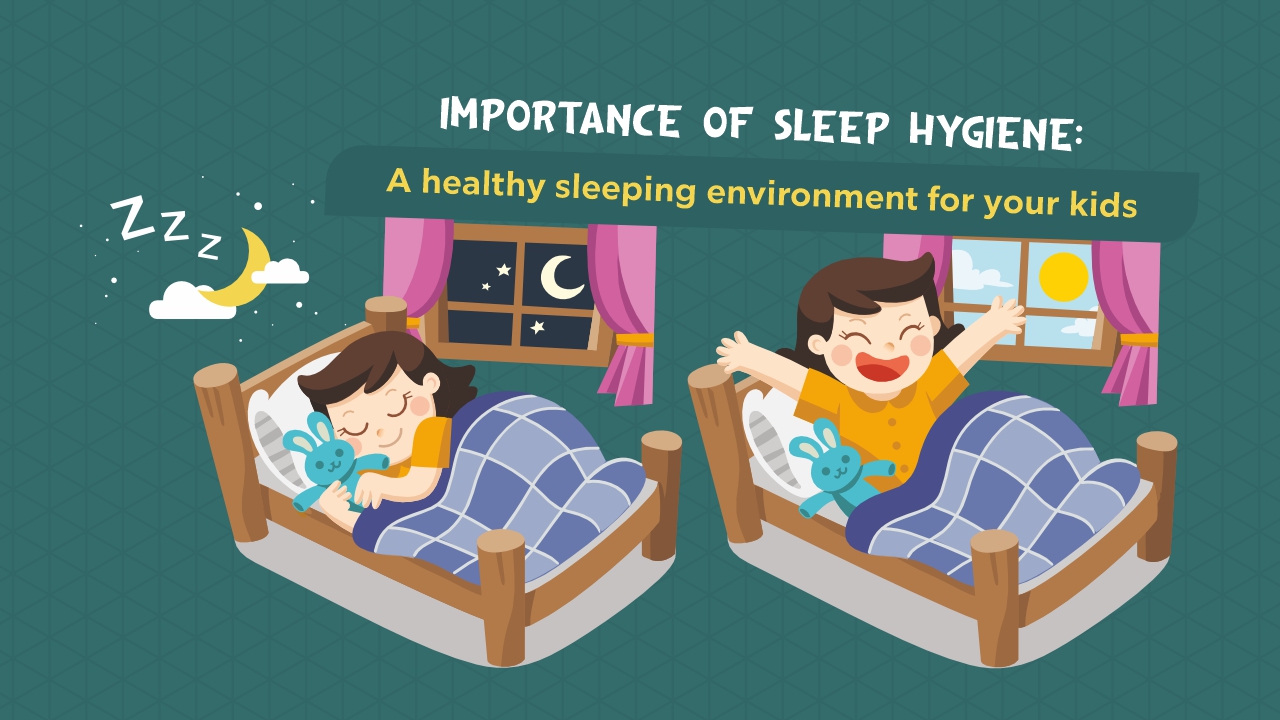 7
Sleep hygiene in your child plays a very important role in their overall growth and well-being. A study from the American Academy of Paediatrics (AAP) shows that almost 1/4th of children under the age of 5 don’t get enough sleep. Sleep deprivation in your child can lead to several problems such as reduced brain development, a rise in negative emotions, allergic rhinitis, disturbed immunity, etc. In this blog, we will discuss the meaning of sleep hygiene and why it is important for your child. What is Sleep Hygiene? Sleep hygiene is an overall environmental setup that helps a person sleep properly. It includes all the habits that lead to your child’s bedtime, food and drink intake, routine for the day, exposure to technology and his/her sleeping environment. In other words, it is not only the time when your child goes to sleep. It encapsulates all the activities they partake in throughout the day, the environment they live in and the entire lifestyle that makes up for their sleep hygiene. What is the Recommended Sleep Time for Your Child? Children of different age groups require different hours of sleep. Several organisations have laid down the recommended hours of sleep for your child's needs. Here’s a general overview of the same: Child’s Age Recommended Sleep Time New-borns up to 3 months 14-17 hours Infants from 4 - 12 months 12-16 hours Toddlers up to 2 years 11-14 hours Preschool age between 3-5 years 10-13 hours Children between 6-12 years 9 - 12 hours Teens between 13- 18 years 8 - 10 hours What is the Importance of Sleep Hygiene in Children? Proper sleep hygiene in children is very crucial for their overall physical and mental growth. A good night's sleep improves your child's productivity as well as their quality of life. It plays an important role in developing your child's young mind, which also improves their attention span, cognitive performance mood and resiliency. If you are a parent of a toddler, proper sleep will help your child develop their motor skills, memory consolidation and strengthening of muscles. What Happens if Your Child Doesn’t Get Proper Sleep? When your child doesn’t get adequate sleep time, they can start showing signs of Attention Deficit-Hyperactivity Disorder or ADHD. Sleep deprivation makes your child irritated, causes mood swings and an increase in negative emotions. Inadequate sleep also makes them lose focus on their day-to-day activities. In simple words, the prolonged continuation of sleep deprivation can hinder the overall growth of a kid, including their mental and physical well-being. Tips to Help Your Child Have a Good Night’s Sleep Good sleep doesn’t just mean getting your child to bed on time. It should be a deep sleep that makes your child feel well-rested and helps them restore their energy. If your child has been showing signs of insomnia, you can try the following tips to improve their sleep cycle. ●Cut down on screen time for at least an hour before bedtime and after they wake up. ●Cut down the use of caffeine as it prevents sleep. Fizzy or energy drinks, cola, tea, and coffee contain high amounts of caffeine. ●Avoid heavy meals at night as they can lead to disrupted sleep. You can serve light meals or keep a sufficient gap of 3-4 hours between your child’s dinner and bedtime. ●Follow a fixed sleep routine. It would adjust your child’s body clock to that time, making them want to sleep at the same time every day. ●Add some physical activity to their routine to tire them out at the end of the day so that they can sleep as soon as they hit the bed. ●Dim the lights and give them a cup of warm milk before their sleep time. ●Help them learn to self-settle and go back to bed if they wake up in the middle of the night. Even if you find it emotionally challenging at first, it would help your child in becoming self-dependent. ●Remove toys and other games from their sleeping space. Lack of enjoyment in the sleeping space lulls children to fall asleep faster. Conclusion Proper sleep hygiene is important not just for your child but for everyone else. If you have been constantly trying to improve your child’s sleeping habits without any results, do not administer any sleep medication to them. Most of these medicines are heavy drugs which are not safe for a child. Instead, visit a paediatrician and get your child diagnosed to reach the root cause of their concerns. To stay updated about all the important information from the Narayana Educational Institutions, Join our Telegram channel: https://t.me/narayanaeducationalinstitutions
29 Jun 2023 7
If your child has completed kindergarten or is about to, then it is time to plan his/her primary education. This first stage of compulsory education acts as a transitional phase between pre-primary and secondary education. So, if your little learner is nearing the completion of his/her pre-primary education, keep reading this blog. You will get a clear idea of primary education meaning, importance, objectives and more. Primary Education - Definition Primary education is like the bedrock of development for a child. In India, it is applicable for kids between 6 to 14 years of age. It has two parts – primary (Class I to V) and upper primary (Class VI to VIII). In primary education, children learn the basic reading, writing and arithmetic skills which act as a foundation for their future academic careers. Also, this part of their educational journey promotes critical thinking, development of their own learning style, and character development. Importance of Primary Education Primary education plays a pivotal role in the education of our children. It teaches students the following: ●Reading and Writing Skills One of the most important skills which children learn in primary school is how to read and write. Teachers usually start by helping them identify and pronounce alphabets and numbers. Then, they teach kids how to write them down on paper using a pencil. Learning to read and write forms the base of a child’s education. Without mustering these skills, a child cannot progress to the next stage of education. ●Social and Communication Skills In primary school, kids get to meet several other children of their age. This encourages them to interact freely, which can help them make new friends and improve their communication skills. Moreover, they get to participate in several sports and group activities. Kids learn to coordinate, share and play with one another, thus inculcating social skills within them. ●Moral Development Moral development forms an important part of primary education. It teaches children how to respect others, know the difference between right and wrong and stand up against injustice. Furthermore, it enables them to build a strong character, boost confidence and choose the right path in life. Objectives of Primary Education The objectives of primary education are as follows: ●Encouraging Learning and Independence In primary school, children get access to an environment which encourages learning. They get to learn various subjects like Mathematics, Social Studies, Science, etc. This piques their interest and helps them choose a future course of study. Moreover, children also get to take part in activities which encourage them to use their intellect for solving problems. For example, playing games like Pictionary, Find the Object or Image, etc. can give children an opportunity to solve simple problems. Such tasks boost their confidence and help them become self-dependent. ●Promoting Literacy A key objective of primary education is to promote literacy among children. They get to learn a first language (usually English) and a second language (usually their mother tongue). These languages are taught to them up to a certain degree of proficiency, which allows them to easily communicate via speech and writing, to express their thoughts. ●Developing Good Habits “A habit cannot be tossed out the window”. Thus, primary education makes students adopt them while they are still young. They include respecting the national flag and emblem, showing dignity towards manual labour, opposing superstition, discrimination, communalism, etc. In addition, they are taught cleanliness and the importance of maintaining proper hygiene and sanitation. ●Teaching Aesthetics and a Cooperative Spirit Primary education also instils a sense of aestheticism in students. This encourages young ones to recognise what is good and beautiful and makes him/her willing to take care of it. Furthermore, primary school is a place where your kid will learn how to behave and cooperate with other people. It is an essential skill which every child needs to learn, in order to be successful in any field of human activity. Apart from this, a good primary curriculum encourages students to adopt a hobby. It is also an excellent way to stimulate the mind and body, along with building self confidence. Narayana e-CHAMPS– A World of Fun and Learning for Classes I to V When it comes to choosing the best primary school for your child’s education, look no further than Narayana e-CHAMPS, the primary programme of Narayana Group of Schools. Since our inception, we have been dedicated to nurture high-order thinking skills for the overall development of children aged between 6 to 12. With an aim to make all our learners smart citizens of tomorrow, our pedagogy consists of an activity oriented approach, along with e-learning modules which promotes a fun and interactive learning experience. Unique and innovative features like these make e-CHAMPS the top primary school for your kids. To stay updated about all the important information from the Narayana Educational Institutions, Join our Telegram channel: https://t.me/narayanaeducationalinstitutions
28 Jun 2023

