How To Teach Your Kids Responsibility?
08 Aug 2023
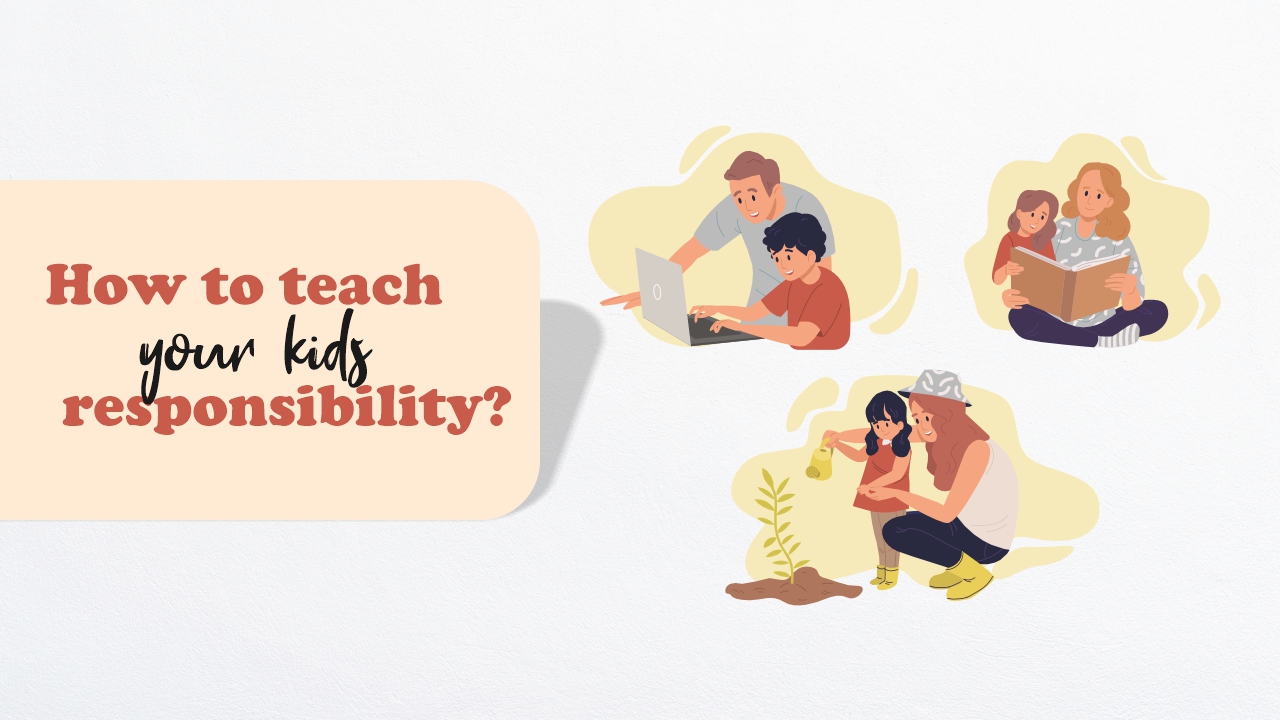
No child is born responsible. It is with the right parenting, guidance and support from adults around them that you can teach your child responsibility. It might feel difficult in the beginning, but it is not entirely impossible. With a little bit of patience and consistent effort, you can easily achieve this goal.
Here are 9 tips that parents can follow to teach responsibility to their kids:
1. Everyone deserves respect including your child
Children are bound to make mistakes as they grow up. However, that doesn’t mean that parents should disrespect them or deprive them of due love and care. Remember, age has got nothing to do with showing respect to someone, and the same applies to your child. Respecting your child helps them feel validated, confident and more proactive in meeting their responsibilities.
2. Step back from always guiding them
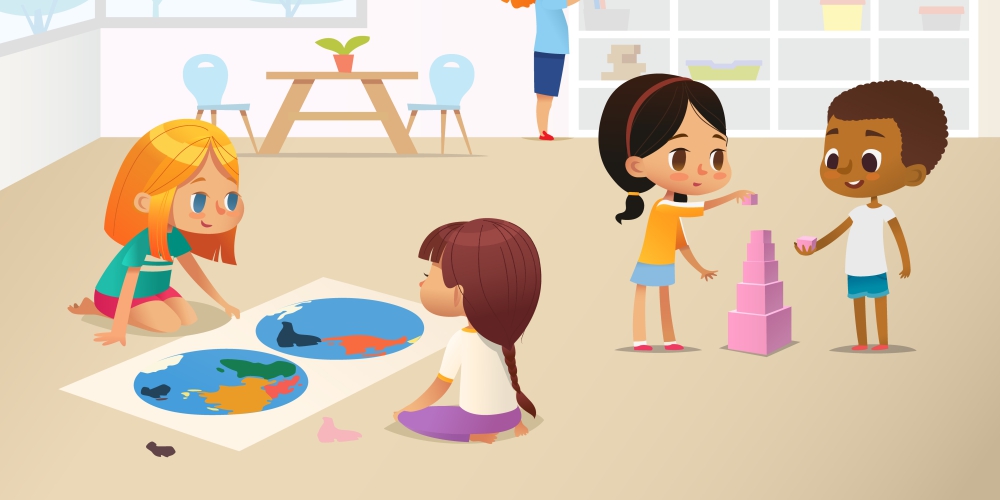 Toddlers need their parents to do everything for them. However, as your child grows up, it is important that you let them do their chores on their own. Help them when they ask you for it, but you also need to let them be. This gives them space to learn things on their own and be mindful of the tasks they are responsible for.
They might miss it once or twice, but they will eventually learn to be less dependent on you.
3. Enforce accountability for their responsibilities
To start teaching responsibility to your children, you must also hold them accountable. For example, if you ask your kid to clean their room and they don’t do it, you can deny them from watching TV for a day. This helps them understand that there are consequences to their actions, and they need to earn certain privileges and benefits.
Speaking of consequences, do not mistake them for severe punishments that traumatise your child. Keep your approach gentle but firm.
4. Praise them for things well done
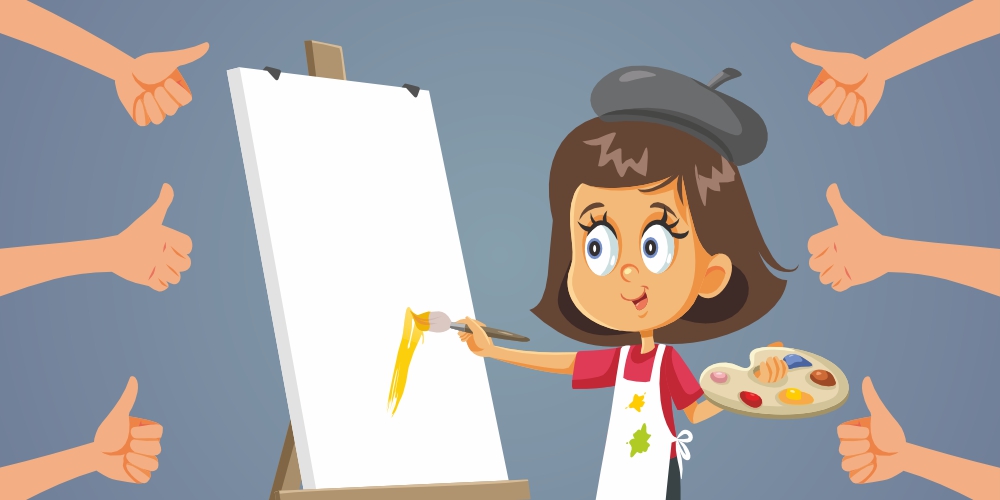 Punishment is not the only way to teach your child responsibility. Children learn better with positive motivation, and praising them for being responsible does just that. Praise your child for doing things on their own, and be specific about what you are praising them for.
For example, if you ask them to make their bed after waking up, praise them for doing it on their own. It helps them understand that they are on the right path and would motivate them to keep up with the behaviour.
5. Make them participate in household chores
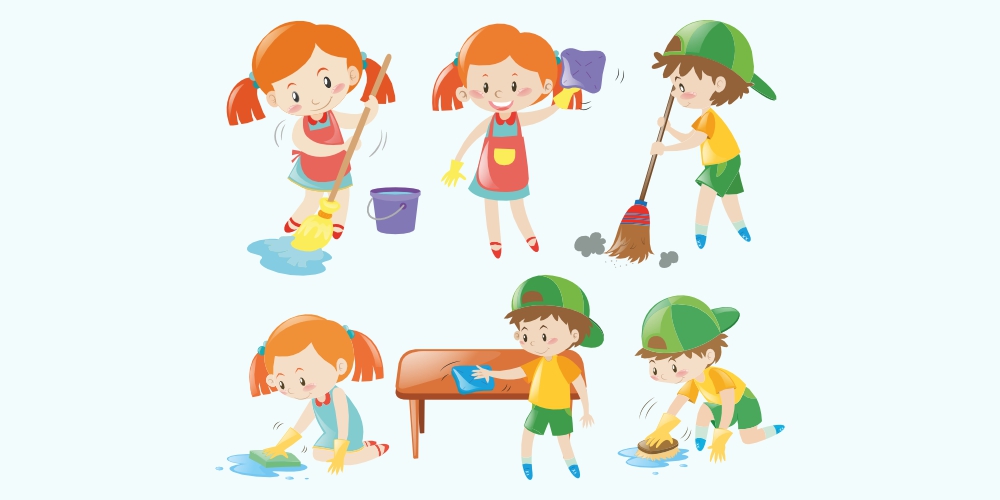 If you keep doing all the household chores on your own, your child might grow up thinking that it is your responsibility alone. In order to make them responsible for these chores, it is important that you get them involved. For example, ask them to help you with the dishes after dinner or anything else that would teach them to share responsibility with you.
6. Teach them how to manage money
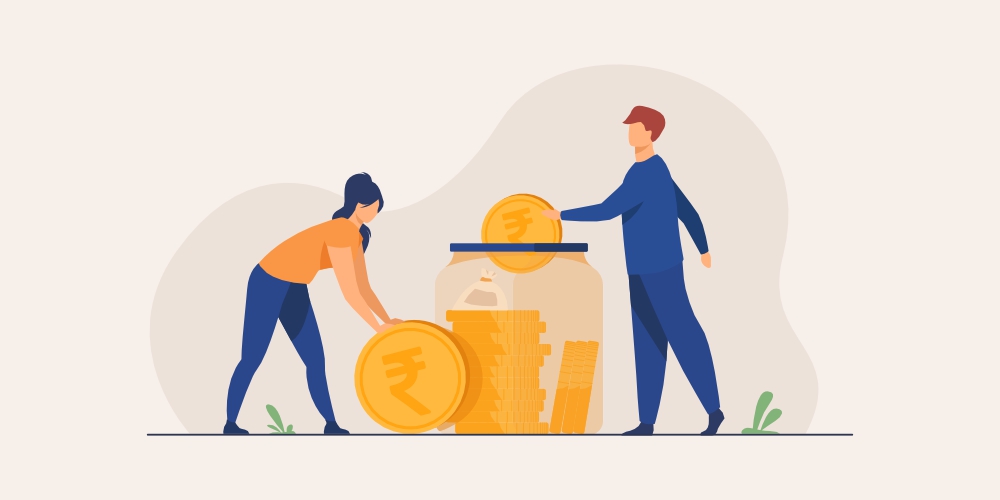 It is very crucial for every person to have good money management skills, but even adults lack them in several cases. To avoid such a situation, it is better if you instil these habits in your child from a young age. Start by giving them some pocket money and let them make their own spending and saving decisions. This will teach them how to prioritise different needs and build good financial skills.
7. Be patient with them
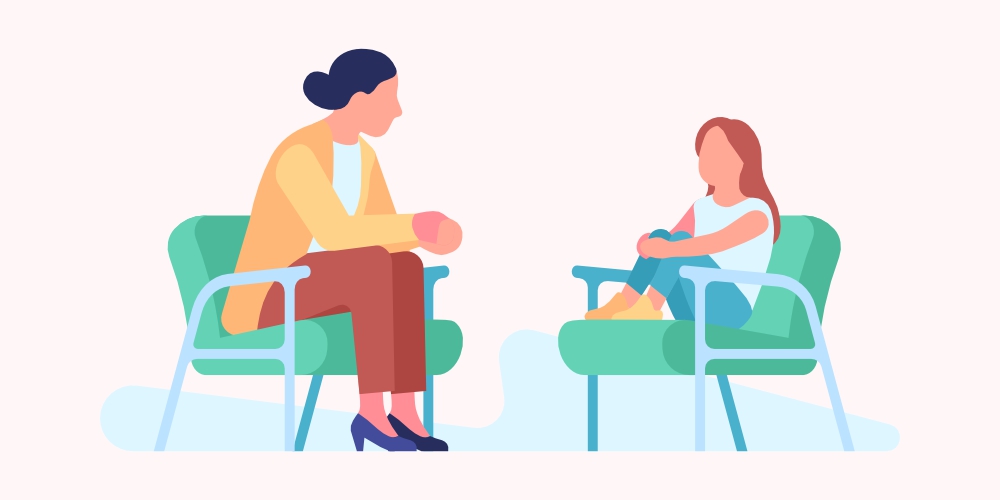 Not every child starts walking before they turn one. Similarly, not every child learns responsibility at the same age. Be patient when you teach responsibility to your kids. Sit and talk with them, but don’t impose your expectations on their mind. This can bring negative outcomes and turn your child into a rebel. So, even if they start late, be patient with them.
8. Set a good example for them
Young children have the tendency to copy their parents. If you want to teach your child responsibility, you need to behave responsibly first. Children learn more by watching rather than listening. Therefore, show them how responsible adults behave and how it benefits being responsible. Chances are very likely that if you set a good example, your child will definitely try to follow in your footsteps.
9. Don’t ignore their misbehaviour
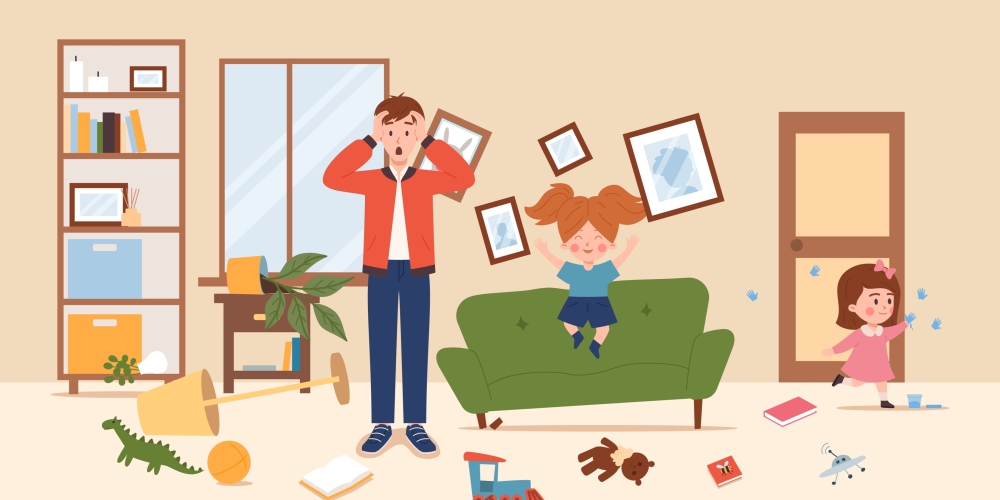 If you see your child misbehaving at school or outside, don’t take the fall for them. When you always shield your child from the consequences of their action, they never understand how their behaviour could be hurting others. So, instead of covering up for them, encourage them to sail through the consequences and learn from their mistakes.
Conclusion
To teach your child responsibility, it is important that you start teaching them such things at a tender age. Give them enough space, and create a healthy carrot-and-stick environment for them to learn and grow. Raising them as responsible adults will take them a long way, and they will always thank you for it.
To stay updated about all the important information from the Narayana Educational Institutions, Join our social media channels:
https://t.me/narayanaeducationalinstitutions
https://www.facebook.com/TheNarayanaGroup
https://www.instagram.com/thenarayanagroup/
Toddlers need their parents to do everything for them. However, as your child grows up, it is important that you let them do their chores on their own. Help them when they ask you for it, but you also need to let them be. This gives them space to learn things on their own and be mindful of the tasks they are responsible for.
They might miss it once or twice, but they will eventually learn to be less dependent on you.
3. Enforce accountability for their responsibilities
To start teaching responsibility to your children, you must also hold them accountable. For example, if you ask your kid to clean their room and they don’t do it, you can deny them from watching TV for a day. This helps them understand that there are consequences to their actions, and they need to earn certain privileges and benefits.
Speaking of consequences, do not mistake them for severe punishments that traumatise your child. Keep your approach gentle but firm.
4. Praise them for things well done
Punishment is not the only way to teach your child responsibility. Children learn better with positive motivation, and praising them for being responsible does just that. Praise your child for doing things on their own, and be specific about what you are praising them for.
For example, if you ask them to make their bed after waking up, praise them for doing it on their own. It helps them understand that they are on the right path and would motivate them to keep up with the behaviour.
5. Make them participate in household chores
If you keep doing all the household chores on your own, your child might grow up thinking that it is your responsibility alone. In order to make them responsible for these chores, it is important that you get them involved. For example, ask them to help you with the dishes after dinner or anything else that would teach them to share responsibility with you.
6. Teach them how to manage money
It is very crucial for every person to have good money management skills, but even adults lack them in several cases. To avoid such a situation, it is better if you instil these habits in your child from a young age. Start by giving them some pocket money and let them make their own spending and saving decisions. This will teach them how to prioritise different needs and build good financial skills.
7. Be patient with them
Not every child starts walking before they turn one. Similarly, not every child learns responsibility at the same age. Be patient when you teach responsibility to your kids. Sit and talk with them, but don’t impose your expectations on their mind. This can bring negative outcomes and turn your child into a rebel. So, even if they start late, be patient with them.
8. Set a good example for them
Young children have the tendency to copy their parents. If you want to teach your child responsibility, you need to behave responsibly first. Children learn more by watching rather than listening. Therefore, show them how responsible adults behave and how it benefits being responsible. Chances are very likely that if you set a good example, your child will definitely try to follow in your footsteps.
9. Don’t ignore their misbehaviour
If you see your child misbehaving at school or outside, don’t take the fall for them. When you always shield your child from the consequences of their action, they never understand how their behaviour could be hurting others. So, instead of covering up for them, encourage them to sail through the consequences and learn from their mistakes.
Conclusion
To teach your child responsibility, it is important that you start teaching them such things at a tender age. Give them enough space, and create a healthy carrot-and-stick environment for them to learn and grow. Raising them as responsible adults will take them a long way, and they will always thank you for it.
To stay updated about all the important information from the Narayana Educational Institutions, Join our social media channels:
https://t.me/narayanaeducationalinstitutions
https://www.facebook.com/TheNarayanaGroup
https://www.instagram.com/thenarayanagroup/