

Explore stories and insights
Loading...


 6
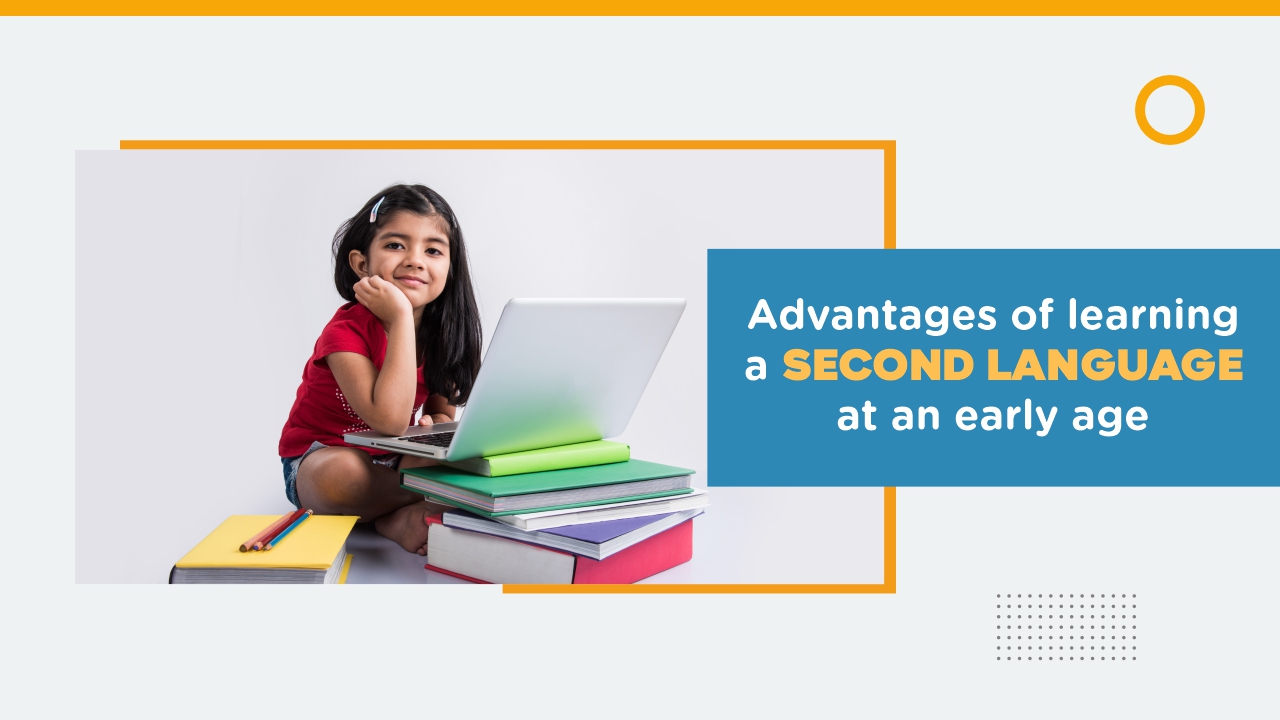
In the realm of acquiring knowledge about a new language, age holds much significance. Mastery of multiple languages holds immense value in contemporary society, offering access to myriad opportunities otherwise inaccessible. Beyond facilitating communication with individuals of various backgrounds, bilingual education can confer a competitive advantage in the professional sphere. The benefits of learning a second language as kids are manifold. Research demonstrates that commencing bilingual education at the preschool level proves to be the most effective approach. Young minds exhibit remarkable receptivity to new words, rendering it easier for them to learn and retain a new language. Scroll down to unravel some exciting benefits of learning a second language for kids! What are the Advantages of Knowing a Second Language? Let’s delve into 7 advantages of learning a second language for the kids: 1. Improved Intelligence: The primary advantage of learning a second language at an early age is improved cognitive skills. Acquiring a new language fosters neural connections that activate a child's creative self. Additionally, bilingualism enhances the brain's capacity, enabling children to effortlessly engage in daily tasks. They excel in planning, concentration, and other problem-solving endeavours. 2. Understand Global Diversity: Children have numerous facets of the world to explore, and diversity stands out as paramount among them. Acquiring proficiency in multiple languages enables your children to attain a broader perspective of the world. With knowledge of more than one language, your child effortlessly comprehends various cultures and traditions. Enhancing children's openness to different races proves to be a great benefit of learning another language. 3. Fosters creative thinking: Learning a second language at an early age fosters creative thinking by stimulating neural connections. It encourages innovative problem-solving approaches and enhances cognitive flexibility. Through exposure to diverse linguistic structures, children develop imaginative ways to express themselves. 4. Improves Brain Stimulation: Acquiring a new language challenges your brain's grey matter. As your child learns grammar and vocabulary, both the white and grey matter adapt and expand. Bilingualism activates the white and grey matter across both brain hemispheres, aiding in the prevention of cognitive and mental decline. 5. Stronger Vocabulary: Enriched vocabulary is the most obvious among all the benefits of learning a different language . As children continue to learn new words daily, they develop a vast vocabulary from an early age. This enables them to comprehend and communicate more effectively in any language they opt for. 6. Better Confidence and Social Skills: Learning a second language boosts children's social skills, enabling more effective communication with confidence. Proficiency in another language fosters new friendships and connections, broadening their social circle. Additionally, it ignites a desire to learn more languages, improving grammar, pronunciation, and vocabulary comprehension, and opens doors to endless opportunities. Hence, it is one of the many pros of learning a second language at an early age. 7. Healthier Life: Being bilingual can contribute to good health too. A recent study from York University reveals that bilingualism may postpone dementia onset by enriching the brain's cognitive reserve. Although your child might not experience immediate gains, learning a second language can significantly benefit their mental health in the long run. This marks the end of the discussion on the advantages of children learning a second language. Undoubtedly, studying a second language offers children myriad benefits including improved confidence, better communication skills, cognitive growth, and cultural sensitivity. Thus, initiating the child's journey toward acquiring a second language at the earliest opportunity is crucial. At Narayana, there is a firm belief in integrating these readiness methods right from the beginning to ensure the child starts off on the right foot, as your dreams are our dreams. So, act now and set your child on the road to success! Don’t miss out! Follow us on Instagram for exclusive updates and behind-the-scenes content. Instagram: The Narayana Group Stay informed on the latest updates and expert insights! Join our Telegram channel for valuable content. Join us on Telegram: Narayana Educational Institutions – Official Stay connected, stay informed, and thrive with Narayana Educational Institutions!
 22 Mar 2024
 6
Social skills play a vital role in the overall development and future success of children. Those who possess robust social skills tend to navigate social settings with confidence, articulate their thoughts clearly, and foster healthy relationships. As parents, understanding how to develop social skills in children is essential. Various straightforward and effective methods are available for this purpose. This blog explores techniques for enhancing a child's social skills. How to Develop Social Skills in children in 9 Smart Ways? Below are some ways to develop social skills in a child : 1. Encourage Playdates and Group Activities – Participating in social engagement and playing with friends stands out as among the best ways to improve a child's social skills . Parents should motivate their children to take part in team sports, playdates, and group activities, enabling them to refine skills such as sharing, collaborating, and interacting with others. To support the expansion of your children's social circles, offer opportunities for them to connect with peers from diverse backgrounds and age groups. 2. Teach Empathy and Perspective-Taking - Empathy involves comprehending and sharing the emotions of others, serving as a vital skill for fostering positive relationships. Parents nurture empathy in their children by demonstrating compassion, attentiveness to their emotions, and engaging in open discussions about various perspectives and feelings encountered in life situations. Children are taught to be attuned to others' emotions and to demonstrate empathy and kindness towards them. 3. Practise Communication Skills - Achieving successful social interactions hinges on effective communication. Parents’ should guide their children by instructing them to listen attentively, express themselves clearly, and demonstrate interest in others through asking questions, aiding in their development as proficient communicators. Meaningful discussions to be initiated with children, encouraging them to share their viewpoints, ideas, and experiences, fostering practise in conversational skills within the home environment. 4. Role-Play Social Scenarios – Children develop social skills and problem-solving techniques in an enjoyable and effective manner through role-plays. Utilizing scenarios or situations encountered in real life, such as seeking assistance, resolving conflicts, or forming new friendships, proves to be one of the best ways of teaching social skills at home. Rotate roles and assist the children in generating ideas and strategies for adeptly handling social situations. 5. Set a Good Example: Children observe their parents and other adults, thus it's essential to establish a positive example by exhibiting appropriate behaviours and attitudes. Demonstrate traits such as cooperation, friendliness, and respect in the relationships and interactions. Educate the children on the art of engaging in polite conversations, greeting others, and resolving conflicts calmly. 6. Teach Social Rules and Norms: Through defining appropriate behaviour in various social contexts, parents assist their children in comprehending social norms, rules, and expectations. Engage in discussions with children about the importance of sharing toys, alternating turns, respecting personal boundaries, and treating others with courtesy. 7. Foster Problem-Solving Skills: Parents should teach their children problem-solving techniques applicable to social situations. They should motivate children to identify issues, devise potential solutions, and consider the consequences of their actions. In instances of disagreements with classmates, parents should assist their children in practicing negotiation, compromise, and win-win solution strategies. 8. Provide Positive Reinforcement: Make an effort to appreciate and acknowledge your children's efforts as they strive to enhance their social skills. When observing them demonstrate good manners, empathy, or effective communication, offer specific feedback and encouragement. Celebrate their accomplishments and inspire them to continue honing their social abilities. 9. Be Patient and Supportive: Developing social skills requires time and practise, so exhibit patience and encouragement towards your children as they progress. Offer them guidance and assistance to help them confidently navigate social situations. Moreover, provide words of encouragement and reassurance when they face challenges or setbacks. Keep in mind that each child requires different forms of assistance with social skills, hence maintaining patience and support throughout their childhood is crucial. Hopefully, this blog aids in addressing the queries regarding how to develop social skills in children. In conclusion, fostering the child’s social skills stands as a crucial aspect of parenting and holds significant sway over their life achievements and happiness. Remember that cultivating social skills is a gradual journey, so maintain consistency and patience in the endeavours to aid the child’s social growth. At Narayana, we ensure to enhance students’ social skills, making them confident individuals who dream big, as your dreams are our dreams.
19 Mar 2024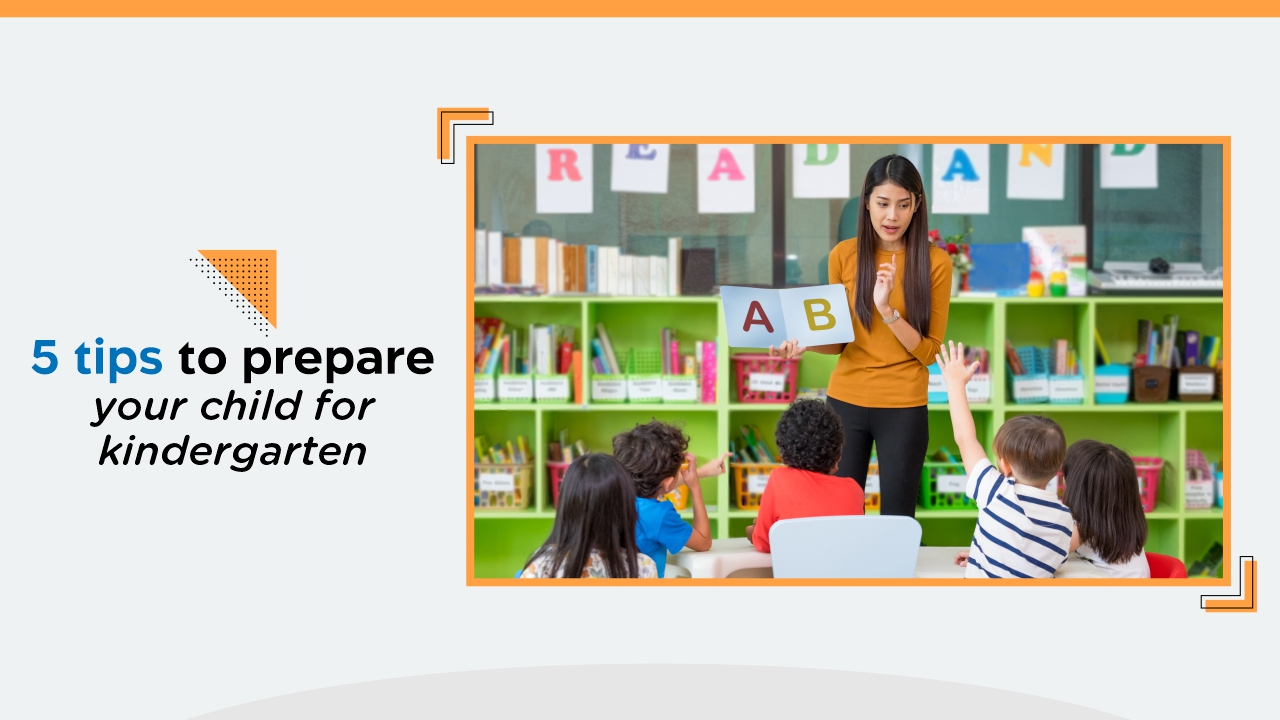 6
Once children begin to walk, parents' minds are filled with thoughts of preparing them for the next chapter of their lives— ‘kindergarten’. Kindergarten serves as the bridge between a child and the outside world, marking the initial steps in the journey of lifelong learning. Transitioning from a home environment to a school, where they interact with other students or toddlers, isn't an overnight task; it involves myriad preparations before the first day arrives. As parents, our responsibility is to ensure our child is prepared to embark on this educational and social journey. At Narayana, we follow an age-appropriate curriculum and a tailor-made programme for kindergarten students, which includes Nursery, LKG, and UKG, known as eKidz . So, if you're pondering how to prepare a child for kindergarten , you're in the right spot. Continue reading to discover five essential and savvy tips. 5 Best Ways to Prepare a Child for Kindergarten From establishing a schedule to nurturing a love for reading, to teaching self-care habits, these five expert-approved methods positively impact your child's development and pave the way for a bright future: 1. Build a routine: The first step in preparing a child for kindergarten is introducing the toddler to a schedule. Establishing a routine familiarises children with their daily activities. Beginning early helps in averting the chaos and stress associated with the initial kindergarten days. Parents need to create a daily schedule encompassing routine activities such as bathing, tooth brushing, play-and-learn activities, and bedtime reading. With some preparation and structure, your child will be well-equipped to handle the upcoming kindergarten days effortlessly. 2. Practice classroom rituals: Parents must instil classroom conventions to prepare a child for kindergarten . Greeting teachers and friends with "good morning" and seeking permission before leaving for the washroom are small practices that play a crucial role in shaping a child's literacy and social skills. Through these actions, they learn the value of basic etiquette and respect for authority figures. Moreover, by practicing these early, children also acquire a sense of responsibility and discipline. 3. Introduce learning activities: Engaging children in learning activities is crucial for their educational development. Incorporating playful activities at home can help familiarise children with the environment of a kindergarten, making them feel comfortable and excited to learn. Furthermore, these activities offer opportunities for children to explore their surroundings and forge stronger relationships with their educators. To prepare a child for kindergarten, consider engaging in activities such as practising counting numbers, recognising the alphabet, or focusing on simple word exercises. 4. Specify a reading time: As we discuss how to prepare a child for kindergarten assessment, reading to the toddler emerges as a wise decision. Daily reading not only fosters a love for books but also strengthens the child's language skills. Furthermore, the stories they hear encourage them to adopt appropriate behaviours for various situations. In addition to bedtime reading, reading to your child in the morning can prove beneficial, aiding them in becoming more accustomed to the kindergarten routine. 5. Develop self-care skills: As the child attends classes, it's vital to focus on developing their self-care skills. This allows them to learn how to plan and organise tasks for daily activities. Essential tasks include washing hands, opening lunch boxes, drinking from water bottles, and more, which contribute significantly to their overall growth. Parents can opt for renowned, age-appropriate programs like Narayana eKidz , specifically curated to meet children's early developmental needs. This comprehensive education nurtures cognitive, social, emotional, and physical growth. The curriculum is thoughtfully crafted to provide a safe and hygienic environment, along with personalised attention, thereby enriching the learning journey for each child and fostering a comprehensive education that establishes the groundwork for success. In conclusion, the previously mentioned tips on how to prepare a child for kindergarten make the toddler's first day less stressful and enable them to start off on the right note. At Narayana, there is a firm belief in integrating these kindergarten readiness methods right from the beginning to ensure the child starts off on the right note, as your dreams are our dreams.
16 Mar 2024 6
At Narayana, we prioritize building a solid conceptual foundation and imparting knowledge, especially during significant events like Pi Day. We utilise such occasions to deepen students' understanding and appreciation of fundamental concepts, nurturing a lifelong passion for learning and mathematics. In the realm of mathematical festivities, Pi Day holds a special place, revered by enthusiasts, educators, and students worldwide. William Jones introduced π in 1706 and Leonhard Euler popularised its use by adopting it in 1737. Observed annually on March 14th, Pi Day pays homage to the mathematical constant π, symbolizing the ratio of a circle's circumference to its diameter. This date, March 14th, is chosen because the digits 3, 1, and 4 represent the first three significant figures of π. The uniqueness of the transcendental number π, a number that is not algebraic, and lies in its infinite, non-repeating decimal expansion, making it a cornerstone of mathematical exploration. Pi's irrationality and transcendence defy simple expression, yet its significance permeates numerous fields, from geometry to physics, architecture, mathematics and beyond. In a student's life, the number pi finds practical applications in various fields, offering valuable insights and aiding problem-solving skills, such as: In geometry, pi is crucial for calculating the circumference and area of circles, which students encounter in tasks ranging from basic shapes to more complex geometrical problems. In engineering and architecture, pi plays a vital role in designing structures with curved surfaces, ensuring accuracy in measurements and construction. Furthermore, in physics and mathematics, pi appears in equations describing waves, oscillations, and periodic phenomena, providing students with essential tools for understanding natural phenomena and solving mathematical problems. Overall, the practical applications of pi in a student's life extend beyond the classroom, empowering them with the knowledge and skills needed to navigate the complexities of the world around them. Pi Day presents a unique occasion to engage children in the wonders of mathematics. It serves as a gateway to demystify complex mathematical concepts and foster a love for numbers from an early age. By introducing the concept of pi in a fun and interactive manner, parents can instil a sense of curiosity and exploration in their children, laying a solid foundation for future mathematical endeavours. In conclusion, Pi Day is vital for both parents and students, fostering mathematical exploration and collaboration. Parents can use it to inspire their children's enthusiasm for math, while students can broaden their horizons, connect with peers, and develop lifelong learning skills. The dreams of our students are at the core of our mission, motivating us to offer consistent support and guidance throughout their journey. At Narayana, we firmly believe in establishing robust foundations by imparting fundamental concepts early on, as we view your dreams as our dreams. So, let us all come together on March 14th to celebrate Pi Day 2024 and honour the timeless beauty of mathematics. Don’t miss out! Follow us on Instagram for exclusive updates and behind-the-scenes content. Instagram: The Narayana Group Stay informed on the latest updates and expert insights! Join our Telegram channel for valuable content. Join us on Telegram: Narayana Educational Institutions – Official Stay connected, stay informed, and thrive with Narayana Educational Institutions!
13 Mar 2024 6
As we commemorate International Women's Day in 2024 , it's a poignant moment to reflect on the remarkable contributions and resilience of women throughout history, especially in the context of India. From ancient times to the modern era, Indian women have played pivotal roles in shaping the nation's destiny, breaking barriers, and inspiring generations to come. These powerful ladies have shaped the cultural, social, and political landscape of Indian history . Let's take a journey through time and honour 10 powerful and greatest women in Indian history, whose legacies continue to resonate today. 10 Powerful Ladies in Indian History Below are the greatest women in Indian history : 1. Rani Lakshmibai: Known as the "Queen of Jhansi," Rani Lakshmibai stands as a symbol of courage and valour. In the revolt of 1857 against British rule, Rani Lakshmibai fearlessly led her troops into battle, displaying unparalleled bravery. Her defiance against colonial oppression remains a source of inspiration for women fighting for freedom and equality. Rani Lakshmibai continues to stand as an important woman in Indian history. 2. Indira Gandhi: As the first and, to date, the only female Prime Minister of India, Indira Gandhi left an indelible mark on the nation's political landscape. Her strong leadership during tumultuous times, coupled with bold decisions, reshaped India's socio-economic fabric. Despite facing numerous challenges, she held firm to her convictions, earning both admiration and criticism but leaving behind a legacy of resilience and determination. Hence, she is one of the most powerful ladies in Indian history . 3. Mother Teresa: Though not born in India, Mother Teresa dedicated her life to serving the poorest of the poor in the country. Her compassion knew no bounds as she tirelessly worked to alleviate the suffering of the marginalized and downtrodden. Through her selfless actions, she exemplified the true essence of humanity and touched countless lives with her kindness and love. 4. Sarojini Naidu: Fondly remembered as the "Nightingale of India," Sarojini Naidu was not only a gifted poet but also a prominent political figure in the Indian independence movement. Her eloquence and fervour ignited the spirit of nationalism among her compatriots, earning her a place in history as one of India's foremost freedom fighters and advocates for women's rights. Hence, she is one of the most powerful ladies in Indian history . 5. Kalpana Chawla: Breaking barriers both on Earth and beyond, Kalpana Chawla soared to new heights as the first woman of Indian origin in space. Her voyage from Karnal to the Cosmos and beyond stands as evidence that dreams can be realized through perseverance and unwavering determination. Despite the hurdles she encountered, Chawla's dream and fervour for space exploration remain an ongoing inspiration for aspiring astronauts worldwide. 6. Arundhati Roy: A multifaceted talent, Arundhati Roy is not only an acclaimed author but also a passionate activist and outspoken critic of social injustices. Her literary masterpiece, "The God of Small Things," earned her international acclaim and a prestigious Booker Prize. Beyond writing, Roy fearlessly confronts issues such as environmental degradation, corporate greed, and human rights abuses, using her voice to amplify the marginalized and oppressed. 7. Mary Kom: Hailing from the north-eastern state of Manipur, Mary Kom defied societal norms and overcame numerous obstacles to become a trailblazing boxer. With an illustrious career spanning several Olympic Games and world championships, she has emerged as a symbol of perseverance and female empowerment. Kom's dedication to her sport and her determination to break barriers have inspired countless young girls to pursue their dreams fearlessly. 8. Kiran Bedi: Breaking stereotypes in a male-dominated profession, Kiran Bedi carved a niche for herself as India's first female police officer. Throughout her career, she championed various social causes, including prison reforms and women's empowerment. Bedi's unwavering commitment to justice and integrity serves as a beacon of hope for those striving to create a more equitable society. 9. Amrita Pritam: Amrita Pritam, a celebrated Punjabi author, delves into themes of love and social justice in her writings. Her work, including "Sunehade," continues to captivate readers worldwide. Pritam's literary contributions earn her esteemed recognition, paving the way for future generations of women writers. Her legacy as a trailblazer in Indian literature remains influential and enduring. With each word penned, Pritam's spirit lives on, inspiring generations to come. 10. Lata Mangeshkar: Lata Mangeshkar, the legendary playback singer, continues to inspire with her timeless voice and iconic melodies, even after her passing. Her songs resonate across generations, touching the hearts of millions around the world. Mangeshkar's unparalleled talent and contributions to Indian music remain celebrated and cherished. Her legacy lives on through her immortal songs, reminding us of her enduring impact on the world of music. Mangeshkar's voice echoes eternally, etching her name in the records of musical history. To conclude, in this blog, we endeavour to honour the legacy of the ten powerful ladies in Indian history as we celebrate International Women's Day 2024 . These individuals continue to pave the way for countless women to follow and fulfil their dreams. Let us draw inspiration from their courage, determination, and achievements, serving as a constant reminder of the immense potential and capability of women to positively influence the world. Let us dream collectively, for your dreams are our dreams.
07 Mar 2024 6
Parents, play a crucial role in shaping children's attitudes towards school. All parents want their kids to enjoy learning and thrive in the classroom. However, getting a child to love school isn't always straightforward. It requires patience, understanding, and a proactive approach. Let's find out how to make a child happy to go to school. Here are 10 effective strategies from a parent's perspective to help foster love for school: 1. Create a Positive Morning Routine: Start the day on a positive note by establishing a morning routine that sets the tone for a successful day at school. Ensure your child gets enough sleep and wakes up refreshed. Provide a nutritious breakfast and allow some time for relaxation or light activities before heading to school. Thus, set the day right by following these steps to motivate children to go to school. 2. Build Strong Relationships with Teachers: Actively engage with your child's teachers and school staff. Attend parent-teacher conferences, volunteer for school events, and maintain open communication channels. Building positive relationships with teachers creates a supportive learning environment for the child where the interaction between the student and teacher remain positive and motivate the children to go to school . 3. Create a Positive Attitude Towards School: Model a positive attitude towards school by expressing enthusiasm for learning and education. Avoid negative talk or associating school with punishment. "Instead, highlight the benefits of how school and education can bring opportunities to the child. 4. Establish Open Communication: Foster open communication with your child about their school experiences. Encourage them to share their thoughts, feelings, and concerns about school life. Listen attentively to their perspectives and offer guidance and support as needed. Don't just think about how to send the child to school happily? Start sharing your experience! 5. Encourage Curiosity and Exploration: Foster your child's natural curiosity by encouraging them to ask questions and explore new ideas. Provide opportunities for hands-on learning experiences both inside and outside the classroom. Visit museums, libraries, and nature parks to spark their interest in different subjects. Make the child fall in love with the concept of how school and learning can be fun. 6. Make Learning Fun at Home: Integrate fun learning activities into your family's daily routine. Set aside time for reading together, playing educational games, and working on creative projects. Use everyday moments as teaching opportunities to reinforce concepts learned at school. 7. Be Supportive and Encouraging: Show unwavering support for your child's academic and personal growth. Celebrate their achievements at school, no matter how small, and offer words of encouragement during challenging times. Let them know that you believe in their abilities and are there to help them succeed and their collective experiences at school will help them learn and benefit them in the long run. 8. Set Realistic Expectations: Set realistic expectations for your child's academic performance and extracurricular activities. Focus on their overall well-being and happiness rather than solely on grades. Encourage them on how a child can happily do their best in school while making them understand that mistakes and setbacks are part of the learning process. 9. Provide a Supportive Study Environment: Create a quiet, organized study space at home where your child can do their homework and study without distractions. Ensure they have access to necessary school supplies and resources to support their learning. Their study routine at home shouldn’t just be like a normal chore rather an experience which they would enjoy. 10. Importance of Friends: A school is a place where multiple children of the same or different age groups meet. Therefore, a parent can help a child understand the importance of making friends and how meeting kids with similar interests can make learning and growth fun at school. If a child believes that he or she is a part of well knit group, interest to interact with friends frequently increases thereby increasing interest in going to school. In conclusion, how to nurture love for school in a child requires patience, consistency, and active involvement. By implementing these simple strategies, parents can create an environment where kids feel excited to learn and eager to go to school every day. Do not just think about how to make a child happy to go to school! Start trying out what suits best for the child. When kids love school, they are more likely to succeed academically and develop a lifelong love for learning. At Narayana, we ensure to enhance students’ creative thinking, making them confident individuals who dream big, as your dreams are our dreams. Don’t miss out! Follow us on Instagram for exclusive updates and behind-the-scenes content. Instagram: The Narayana Group Stay informed on the latest updates and expert insights! Join our Telegram channel for valuable content. Join us on Telegram: Narayana Educational Institutions – Official Stay connected, stay informed, and thrive with Narayana Educational Institutions!
06 Mar 2024

