

Explore stories and insights
Loading...



 6
Keeping kids engaged without relying on electronic devices like the ubiquitous mobile phone and television poses a tough challenge for parents these days, especially during summer breaks. With soaring temperatures, the handy missive of 'go and play outside' becomes less feasible. However, there are activities and places that can keep kids engaged indoors, ensure they learn something (education can occasionally be fun too), and involve going out of the house for enjoyable family activities, so there's still hope. Museum visits are a great way to engage your kids in an activity that is interesting and enriching. Each museum has a specific theme, and one can visit them to have a fun and learning experience with the kids. When visiting with kids, it is better to plan and choose the museums for children in India while considering their interests. Let's have a look at some of the popular museums that we think the child will absolutely love to visit. Popular museums to visit with the child Some of the popular museums in India for a fun day out with kids are: 1. National Rail Museum, New Delhi : As kids, we all loved trains. The National Rail Museum stands out as one of the finest train museums, showcasing the Indian Railway's rich heritage. Visiting this museum allows one to grasp the evolution of railways in India and its impact on the economy. Witness the child's delight as they marvel at the old engines and listen to stories about laying railway tracks. The indoor galleries also house a vast array of trains, along with detailed information about each one. As one embarks on a journey to explore renowned museums for children in India, consider a visit to Chanakyapuri near the Bhutan Embassy to experience this Rail Museum in New Delhi. 2. The Indian Museum, Kolkata : This museum, renowned among children in India, features a diverse collection ranging from stuffed animals to historical artifacts. Visitors can marvel at stone architecture, swords, and even an Egyptian mummy on display. It serves as an unparalleled learning hub for dinosaur enthusiasts, with a variety of dinosaur species and even the Woolly Mammoth. Situated in the heart of Kolkata, this museum is a must-visit to ignite excitement in your child! Established in 1814 at the cradle of the Asiatic Society of Bengal (1 Park Street, Kolkata), the Indian Museum holds the distinction of being the earliest and largest multipurpose museum in the Indian subcontinent and the Asia-Pacific region. 3. The Partition Museum, Amritsar : The Partition Museum in Amritsar commemorates India's Partition in 1947, depicting human tragedy and resilience through exhibits. Founded in 2017, it honours the shared history of India and Pakistan, fostering understanding and preserving a pivotal moment in history. The museum's exhibits and artefacts vividly portray the lives lost and the struggles faced by millions during that time. Serving as a testament to resilience, it also showcases stories of survival, hope, and rebuilding amidst adversity. 4. Heritage Transport Museum, Gurgaon : If the child is an automobile enthusiast, then this museum should be on the list of the best museums for children in India . The Heritage Transport Museum in Gurgaon showcases the evolution of transportation in India. It features a wide array of vintage vehicles, from cars and motorcycles to aeroplanes and trains. Children can explore interactive exhibits that highlight the role of transportation in shaping society. The museum continues to educate and inspire visitors with its rich collection of historical vehicles and engaging displays. 5. NIMHANS Brain Museum, Bengaluru: If the child has an interest in biology and wants to expand their knowledge, the NIMHANS Brain Museum is an excellent place to visit and learn more. The museum houses approximately 400 human brains preserved in transparent jars, sourced from various donors with diverse brain diseases ranging from Alzheimer’s to brains affected by worms. Since the museum operates within a functioning hospital, it is essential to keep in mind the specified visiting hours. Typically, the museum remains open on Wednesdays (2:30 PM to 5:00 PM) and Saturdays (10:30 AM to 1:00 PM and 2:30 PM to 4:00 PM). For children seeking to explore renowned museums in India, NIMHANS is a great starting point! Visiting museums provides children with interactive experiences that enhance their understanding of science and technology. These museums engage young minds through hands-on activities and demonstrations, fostering curiosity and critical thinking skills. Additionally, museum visits also offer unique insights into global diversity, promoting empathy and cultural awareness in children. Let's explore additional museums that offer enriching experiences for children's learning and development. Nehru Science Centre (Mumbai) offers interactive exhibits and activities related to science and technology. Visvesvaraya Industrial and Technological Museum (Bangalore) offers engaging displays on science, technology, and industry, suitable for all ages. National Science Centre (Delhi) provides hands-on exhibits and demonstrations focusing on various scientific principles. Chhatrapati Shivaji Maharaj Vastu Sangrahalaya (formerly Prince of Wales Museum) (Mumbai) houses an extensive collection of art, artefacts, and natural history specimens. Shankar's International Dolls Museum (Delhi) showcases a vast collection of dolls from around the world, offering a unique cultural experience for children. Government Museum and Art Gallery (Chandigarh) features historical artefacts, art pieces, and natural history exhibits. The Children's Museum in Kolkata offers hands-on activities in science, technology, math, and daily life topics, making learning enjoyable for kids. It stimulates curiosity, creativity, and critical thinking through innovative exhibits, making it a top choice for school trips and family visits In summary, India boasts numerous renowned museums for children, and in order to explore them, one should engage in frequent discussions with the child. Museum trips offer both entertainment and learning opportunities. Therefore, it's crucial to ascertain what aligns with their interests before planning a visit. Parents should broaden children's learning beyond textbooks and pages, encouraging them to explore new horizons. To enhance their knowledge and experiences, embrace unconventional sources, such as a captivating museum visit with the family. Stay informed on the latest updates and expert insights! Join our Telegram channel for valuable content. Join us on Telegram: Narayana Educational Institutions – Official Stay connected, stay informed, and thrive with Narayana Educational Institutions!
 29 Apr 2024
 6
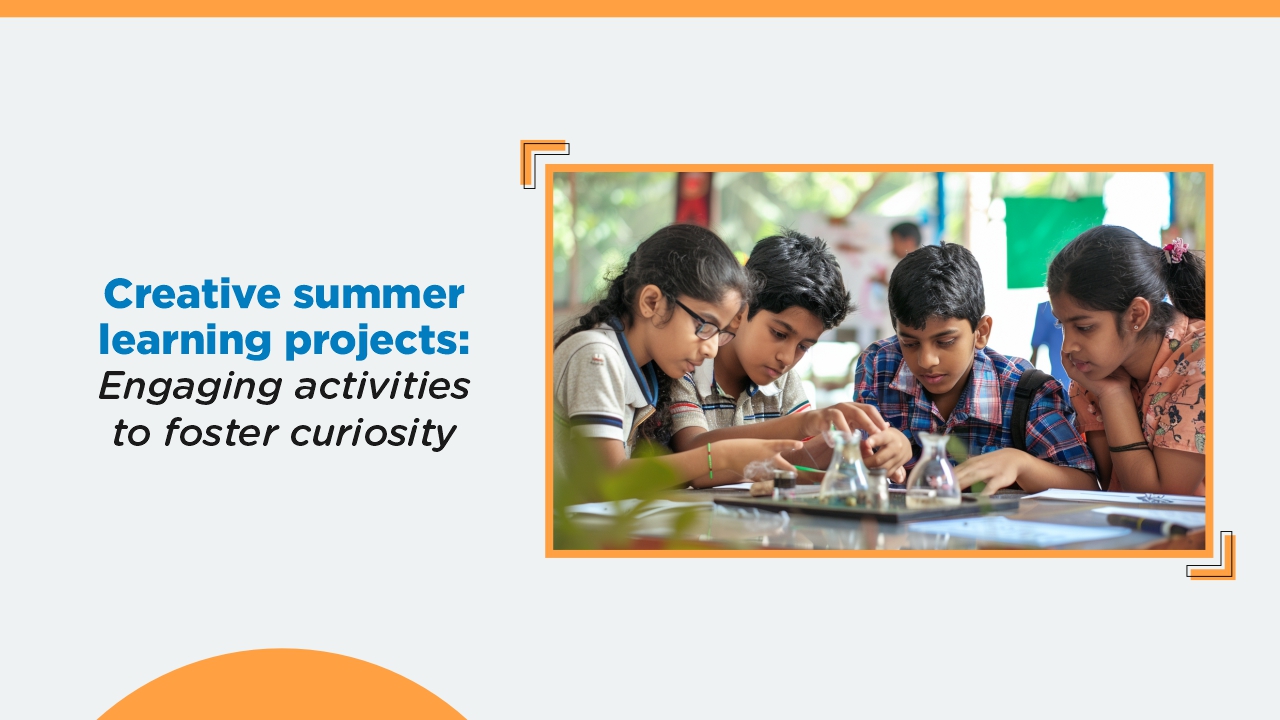
As the summer sun shines brightly and school bells take a hiatus, it's the perfect time for young minds to explore, learn, and unleash their creativity. Instead of letting the break slip away in idleness, why not embark on some exciting and enriching summer learning projects? These projects not only keep boredom at bay but also ignite curiosity, encourage exploration, and foster a love for lifelong learning. Here are six creative summer learning ideas to inspire and engage young learners: So let us start exploring some low-cost, high-impact activities which will activate the child’s creativity. Summer Learning Lessons Designed for Kids Let us look into some of the popular summer learning activities designed to stimulate child’s mind: 1. Nature Exploration and Journaling: Encourage children to step into the great outdoors and discover the wonders of nature. Provide them with a nature journal to document their findings, observations, and sketches. From identifying different plant species to observing animal behaviour, nature exploration fosters a deeper connection with the environment and enhances observation skills. Additionally, it promotes a sense of stewardship towards the natural world. 2. DIY Science Experiments: Turn the home into a mini science lab with fun and educational DIY experiments. From creating homemade volcanoes to exploring the principles of buoyancy with simple sink-or-float experiments, hands-on science activities captivate young learners' attention and stimulate their scientific curiosity. Encourage them to hypothesize, experiment, and analyse results to cultivate critical thinking and problem-solving skills. This is one of the easiest summer learning activities that the child can perform sitting at home. 3. Creative Writing and Storytelling: Spark imagination and creativity through storytelling and creative writing projects. Encourage children to write their own short stories, poems, or even start a summer journal. Provide prompts or themes to inspire their narratives and encourage them to explore different writing styles and genres. Hosting storytelling sessions where the child can share their creations with family or friends adds an element of excitement and encourages public speaking skills. 4. Arts and Crafts Galore: Unleash artistic expression through a variety of arts and crafts projects. From painting and drawing to sculpting with clay or crafting with recycled materials, artistic endeavours allow children to explore their creativity, develop fine motor skills, and express emotions visually. Encourage them to experiment with different techniques, textures, and colours, fostering a sense of pride and accomplishment in their creations. 5. Exploring Music and Dance: Encouraging kids to explore music and dance as creative outlets is a wonderful idea. Providing musical instruments or using household objects as makeshift instruments allows them to experiment with different sounds, rhythms, and movements. Engaging in dance, encouraging them to choreograph their routines, and expressing themselves through music and movement are all fantastic ways to foster their creativity. 6. Plan Family field trips : Summer breaks are the best time to plan visits to zoos, aquariums, historical sites, or science centers for educational purposes. These visits and tours provide opportunities for learning and exploration for the child. Family outings offer quality time together while expanding your child’s knowledge and fostering their love for learning. To sum up, summer break presents a wonderful opportunity for the child to gain skills, imbibe more knowledge, and feed their curiosity using the summer learning ideas provided above. Additionally, ask the child what they want to explore by giving them options; this also creates a great parental bond. Stay informed on the latest updates and expert insights! Join our Telegram channel for valuable content. Join us on Telegram: Narayana Educational Institutions – Official Stay connected, stay informed, and thrive with Narayana Educational Institutions!
24 Apr 2024 6
History encompasses more than mere lists of people, dates, and events. It presents an intriguing voyage through bygone times, granting deeper insights into our present society. While some may perceive studying history as tedious, challenging, or inconsequential ♀️, it can actually prove highly enjoyable once its significance and real-world applications are grasped. Consequently, this blog delves into the importance of studying history and how it can furnish students with a rich and captivating learning experience. Let's explore 5 key reasons why studying history is crucial: Whether one already loves the subject ❤️ or aims to gain a firm grasp to excel in exams, understanding its importance in our lives is crucial. Here are some reasons why studying history is essential: 1. History helps us understand the past: Studying history assists in comprehending how past actions and events influence the world we live in today. Students gain an understanding of the factors shaping the path of human history through the study of historical events, cultures, and societies. Understanding history provides an important perspective on past events, including the challenges they present ⚔️. Moreover, it contributes to our understanding of the present. 2. History helps us learn from mistakes : The past offers invaluable insights into past mistakes and achievements. Students gain deeper knowledge of the effects of specific decisions and actions by studying historical events such as wars, conflicts, and social movements✊. The importance of studying history lies in its effort to create a better future and prevent the repetition of past mistakes. 3. History helps in cultivating Empathy and Understanding: History helps to develop empathy, compassion ❤️, and understanding by putting students in the shoes of individuals from all eras and cultures. Students get a more thorough understanding of the human experience along with a greater regard for diversity via studying the experiences of individuals and communities throughout history. 4. History fosters citizenship : History aids in understanding a nation better. By studying history, we gain insights into our shared past and communal identity through collective knowledge. Understanding the origins of our shared experiences and what has shaped us in the past motivates us to work towards a better society today. This underscores the importance of studying history, as it elucidates the significance of each past event 5. History assists us in understanding other cultures : History assists us in understanding other cultures. Why are cultures different from each other? Why do customs, traditions, and religions vary across cultures? The answers to these questions are found in history. Without history, comprehending the origins of cultures is impossible. History, as the study of change, reveals the underlying forces shaping cultures. A culture's history is essential to the collective identities of its members, and a comprehensive understanding of a culture requires knowledge of its history. Studying history can be fun, let’s understand how & why: Here are a few reasons why studying history can be an enjoyable and exciting subject for school students: Stories of Adventure and Discovery: The past brims with exciting tales of exploration, adventure, and discovery that spark students' interest. For instance, stories of brave explorers, such as the explorations of Christopher Columbus ⛵, the expeditions of Lewis and Clark, and other thrilling experiences that vividly depict the past, are common in history. Fascinating Characters and Events : ✨History brims with colourful people, from revolutionaries and inventors to kings and queens, whose tales are brimming with drama, mystery ️♀️, and excitement. By studying historical characters and events, students become engrossed in interesting stories that bring the past to life. Hands-On Learning Activities : There are many different types of hands-on learning activities that one can use to study history and stay interested. Endless options for informative and creative learning experiences appeal to students of all ages. These options range from re-enacting historical events to creating timelines and maps. Visiting Historical Sites and Museums: Students experience historical events firsthand by visiting historical locations, museums, and landmarks. Through immersive experiences, such as touring a historic place, going on a battlefield tour ⚔️, or seeing an exhibit at a museum, students make important and meaningful connections with the past. Using Technology and Multimedia: The invention of multimedia and technology tools makes studying history interactive and engaging. Numerous resources are available to cater to students' interests and learning methods, ranging from interactive websites and virtual reality simulations to documentaries and podcasts. In conclusion, the significance of history in our lives is quite noteworthy as it helps us understand societal changes over time. By learning about the past, one gains knowledge and valuable insights. At Narayana, our focus remains on incorporating real-life examples into our studies to make learning more engaging, interactive & fun as that will help shape the over-all personality of the students because at Narayana, your dreams are our dreams.
18 Apr 2024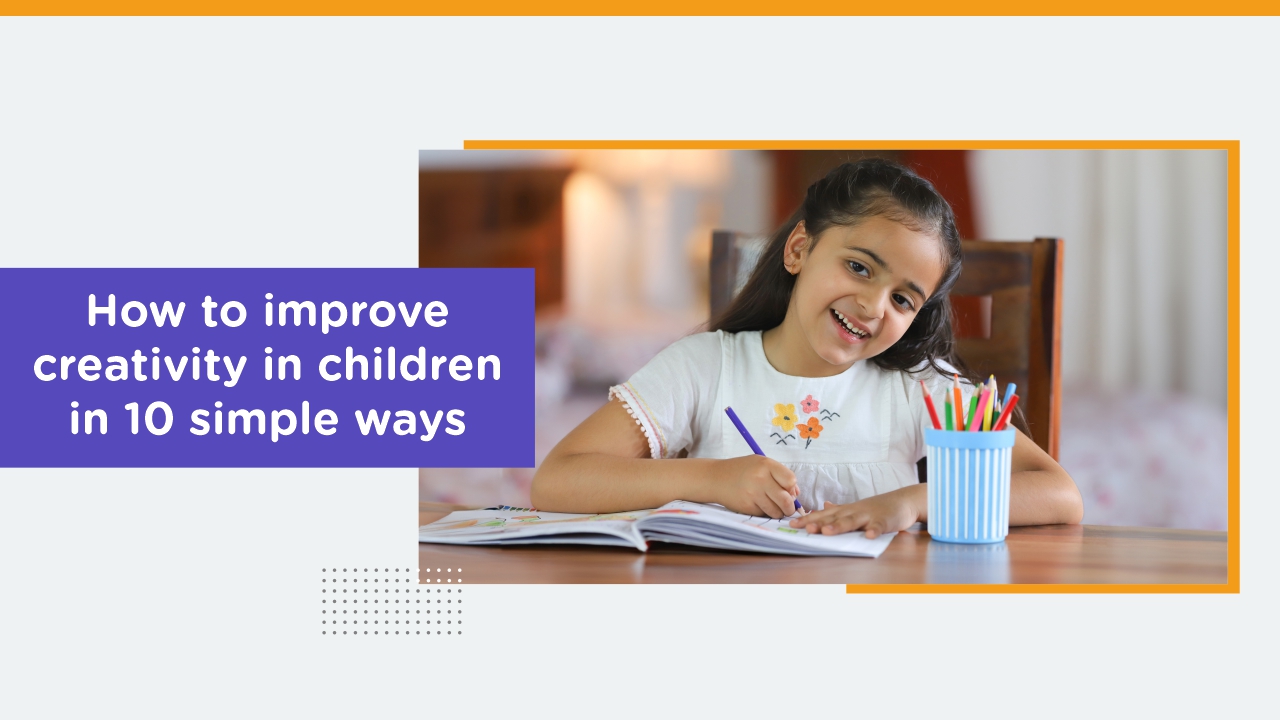 6
Children who have a creative bone in them benefit in several areas of life, from self-expression and innovation to critical thinking and problem-solving. Therefore, parents can try out numerous easy & enjoyable ways to encourage creativity in the child through daily activities. This blog will discuss 10 useful strategies on how to improve creativity in children and encourage them to think differently. 10 Easy Strategies on How to Improve Creativity in Children Below are some easy ways to foster creativity in a child: 1. Foster opportunities for artistic expression: Provide kids with access to a variety of art supplies and encourage them to explore different techniques and materials. Painting, drawing, sculpting, and collage are among the artistic mediums that kids can use to express themselves and develop as artists. 2. Encourage Curiosity: Assist the child in developing a natural curiosity by allowing them to explore their hobbies, ask questions, and seek new experiences. Encourage their curiosity by providing opportunities for exploration and hands-on learning. 3. Read Together Regularly: Introduce kids to a variety of books and stories by incorporating reading into their daily routine. Reading expands their vocabulary, ignites their imagination, and introduces new thoughts and ideas that can foster creativity in child development. 4. Allow Unstructured Playtime: During unstructured playtime, the child freely explores their imagination and creates new thoughts. Do not overbook their days with activities; instead, give them a break to engage in self-directed exploration. This is one of the best ways to teach kids creative thinking . 5. Venture into the outside world: Children develop a sense of connection with nature and find numerous opportunities for creative exploration and discovery when they spend time outside. Encourage kids to engage in outdoor activities such as treasure hunts, nature walks, observing plants and animals, and outdoor art projects. 6. Be a Role Model: Parents need to follow their creative hobbies and passions to set an example for the kids to follow. Involve the child in creative pursuits such as cooking, gardening, or do-it-yourself crafts so they can witness the creative process. 7. Encourage and Foster Collaboration: Encourage the child to work together with other kids on creative projects and activities to foster collaboration. Collaborating with friends or family members promotes communication skills, teamwork, and the potential to come up with creative concepts. 8. Provide a Positive Environment: Make sure children have a secure space to express themselves artistically without worrying about being judged or criticised. Give them credit for their hard work and offer helpful criticism to help them improve further. 9. Limit Screen Time: Although technology can provide useful tools for learning and creativity, too much screen time might hamper imagination and creativity. Limit the child's screen time and urge them to participate in offline creative and imaginative activities. 10. Celebrate Small Achievements: Acknowledge the child's creativity and help them feel proud of themselves for their unique skills and abilities. To boost their self-esteem, display their creative projects and celebrate their small achievements with family and friends. Naturally, this will also encourage them to explore their creativity. In conclusion, the 10 tips mentioned above on how to improve creativity in the child can encourage a lifelong love of creativity and innovation. With proper encouragement and guidance, the child can grow by leaps and bounds. At Narayana, there is a firm belief in integrating these methods right from the beginning to ensure the child looks at things from multiple perspective, as your dreams are our dreams. Stay informed on the latest updates and expert insights! Join our Telegram channel for valuable content. Join us on Telegram: Narayana Educational Institutions – Official Stay connected, stay informed, and thrive with Narayana Educational Institutions!
13 Apr 2024 6
Along with the relief of completing the board exams emerges the inevitable confusion of deciding how to choose the best stream after 10th grade. The stream one chooses will determine the direction of their career, so it becomes critical to carefully analyse the factors to consider, the range of options available after the tenth grade, and the scope of the streams. We offer a comprehensive guide to aid selecting the best stream after the tenth CBSE exam. 6 Factors to Consider Before Determining the Best Stream to Choose After 10th CBSE exam When deciding what to pursue after 10th grade, it's crucial to consider one's strengths, interests, and career goals. Understanding these aspects will guide individuals in choosing the right path and envisioning their long-term career. 1. Find One’s Strengths : In selecting the stream after the 10th CBSE wisely, one should realistically recognise their strengths. If one is excelling in math while struggling with other science subjects, opting for the science stream might prove risky. Considering a stream such as commerce, which aligns better with one's strengths, and taking an aptitude test for further clarity is advisable. 2. Know One’s Area of Interest: Selecting a fulfilling career entails pursuing one's passions, which can be determined by identifying one’s favourite subject. Whether it's mathematics and science, or social sciences and history, interests can guide individuals to choose a suitable stream such as Science, Commerce, or Arts. 3. Understand the Stream In-Depth: To make an informed decision about education stream after the 10th CBSE exam , individuals should gather information about different streams, including their subjects, difficulty level, and future prospects. Understanding aspects such as future job opportunities, advanced courses, and education boards help choose the most appropriate stream. 4. Explore Career Options: Solidifying one’s decision involves gauging the scope of the selected stream so that the choice aligns with the right career path. One can even prepare a list of various career prospects available after studying from the chosen stream. In case of doubts, individuals can reach out to career counsellors to obtain expert opinions. 5. Consult with Education Counsellors: A qualified education counsellor assists in providing clarity so that individuals can easily determine the most suitable stream after the 10th CBSE exam. Utilising their expertise helps in gaining insights into strengths and interests, as well as assessing the future prospects of the chosen stream. Alongside these education counsellors, students can also reach out to their teachers, college seniors, friends, prospective colleges, and can also attend free seminars in colleges for career counselling options. 6. Analyse your Budget: When selecting a stream after 10 th CBSE, financial considerations can be crucial. Conducting a budget analysis with parents or guardians can be helpful in preparation. If the preferred program has high fees, considering options such as education loans or finding alternative institutes that offer the same course is advisable. List of Streams After 10th CBSE After discussing how one can select a stream after the 10th grade, let's shift our focus to the different groups available. By considering strengths and inclinations, individuals can make informed decisions. Here are the major streams after the 10 th 1. Science: Science stream is a popular choice after 10th grade. It includes subjects like Physics, Chemistry, Mathematics, Biology, and Computer Science. The stream offers a wide range of career opportunities, with options to specialise in PCM (Physics, Chemistry, Mathematics), PCB (Physics, Chemistry, Biology), or PCMB (Physics, Chemistry, Mathematics, Biology). Career Prospects: Engineer Doctor Professor Scientist Microbiologist Biotechnologist Full Stack Developer 2. Commerce: The Commerce stream focuses on economics, finance, accountancy, taxation, and trade, making it the second most popular choice. It includes subjects like Accounts, Economics, Business Studies, English and Information Technology. It is ideal for students interested in marketing, accounting or banking. Career Prospects: Banker Financial Analyst Chartered Accountant Auditor Accountant Company Secretary Investment Consultants Risk Management Analyst 3. Humanities/Arts For those with creative inclination, the Arts Stream offers subjects like Geography, History, Language, Psychology, Sociology, Literature, and Political Science. For UPSC aspirants, Humanities is ideal, as its core subjects form a crucial part of the syllabus. Career Prospects: Archaeologist Historian Journalist Anthropologist Foreign Language Expert Public Relations Manager Data Linguist Social Worker In conclusion, one must understand that joining any subject stream has its own rewards, returns and opportunities. Thus, having clarity about one’s interests, skills and strengths will guide one to discover the ideal stream after the 10th CBSE . At Narayana Schools , we emphasize on our students’ dreams, help them work towards their paths and wish they become well rounded, successful people in the future, because, at Narayana Schools, Your Dreams Are Our Dreams.
04 Apr 2024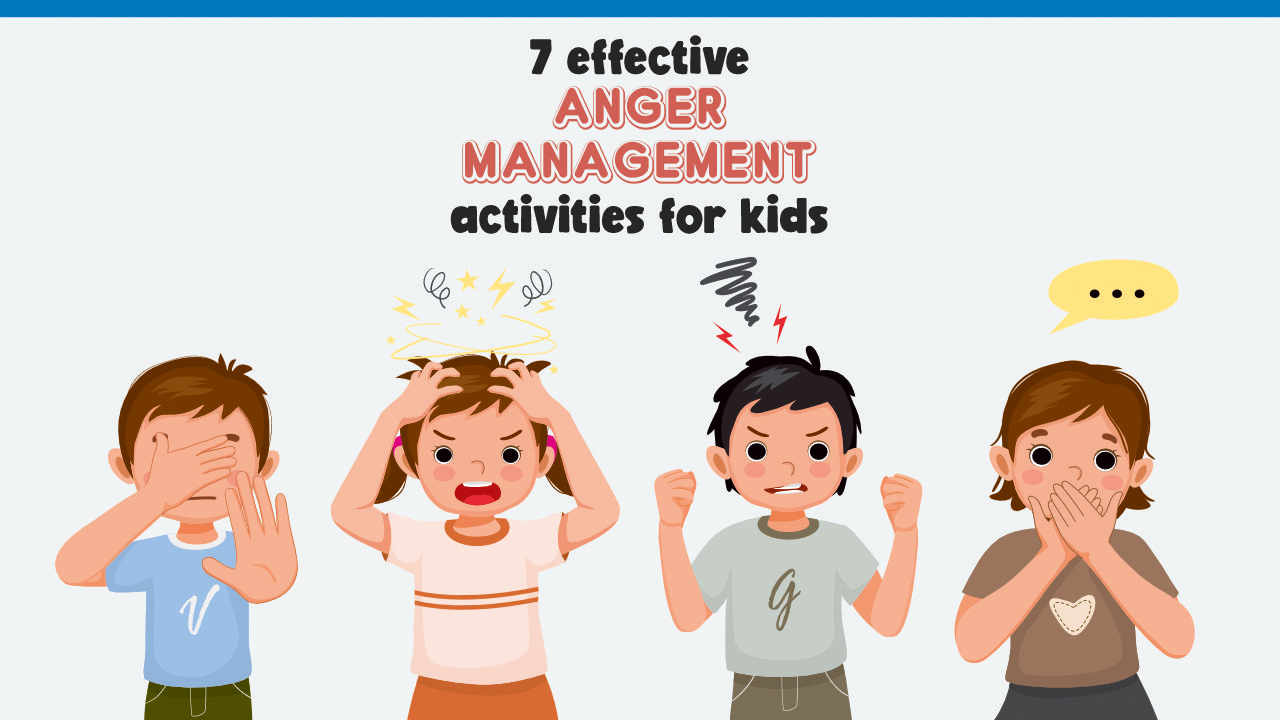 6
Anger naturally expresses human emotion. Children, like adults, experience it when upset. Constructive anger is justifiable, but uncontrolled anger disrupts daily activities. Unhealthy expression impacts children's well-being. Hence, Anger management activities can prove beneficial for kids teaching them the right set of coping skills. Read more to find out some anger management activities that address the root cause, control outbursts, and help children navigate their feelings. 7 Creative Anger Management Activities for Children Here are seven effective anger management activities for kids: 1. Encourage deep breathing: Teaching children deep breathing techniques aids in anger management. Slow, deep breaths calm the nervous system. Illustrate how anger elevates heart rate, while deep breathing lowers it. Encourage placing their hands on their heart to perceive the rhythm, fostering self-regulation techniques. 2. Calm corner: Designating a special space for the child's retreat is an effective anger management activity. This corner should be quiet, cozy, and filled with beloved items that help them relax. These may include soft toys, stress balls, favourite pillows and blankets, books, and more. Encourage the child to use this space whenever they feel upset or angry. It serves as a gentle reminder that taking a break can be beneficial. In the long run, this habit of taking time to regroup will get ingrained and they might end up using this action instinctively. 3. Art Therapy: Artistic expression serves as a potent tool for managing emotions. When anger arises, encourage kids to paint their feelings. Let them use various colours and shapes for perfect expression. This not only helps them process emotions but also enhances their communication skills and unleashes their creativity. Art therapy encompasses diverse activities like clay modelling, drawing, sand art, and more. As one of the unique anger management activities for kids , art therapy provides a safe, non-verbal emotional outlet for little ones. 4. Anger Worksheets: This is a modernised approach to emotion regulation. These anger management worksheets for kids raise awareness of what impedes their emotional well-being and how to address it. The comprehensive journal includes anger management skill cards, signs of anger warnings, an anger thermometer, a colouring sheet, and more. This enables the parents to recognise patterns and typical responses in the child. Understanding these patterns aids in crafting more effective strategies and promoting healthy emotional expression. 5. Meditation and Mindfulness: Meditation proves to be a reliable method for cultivating awareness. Through daily practice, meditation establishes the groundwork for ongoing anger management. Begin by introducing the child to mindfulness activities such as concentrating on their breath or noticing sounds. One can also prompt the kid to envision a tranquil setting like a beach or mountains, and then concentrate on the sensations and scents of that imagined place. 6. Optimistic Affirmations: Brief optimistic statements, when consistently repeated, serve as a potent tool for shifting a child's mindset. Positive affirmations can be either provided or the child can be empowered to create their own, resonating deeply with them. These affirmations elevate the self-esteem and confidence of young individuals, substituting negative behaviours like anger with optimistic thoughts, thus fostering calmness in the child. 7. Physical Activity: Undoubtedly, physical activities stand out as enjoyable anger management activities for kids , effectively regulating emotions. Engage with children in sports, yoga, or running to release built-up emotional tension. Furthermore, physical activities trigger hormonal release in the body, acting as natural mood boosters. With regular practice, these activities prove highly effective in reducing anger. In conclusion, the anger management activities for kids mentioned above help control emotions of the child. As a parent, it's crucial to recognise that it's not solely about halting negative behaviour, but also understanding the underlying reasons and responding appropriately to soothe the child. Consider incorporating any of these approaches into the children's daily routines for a brighter future. At Narayana, there is a firm belief in integrating these methods right from the beginning to ensure the child starts off on the right note, as your dreams are our dreams. Don’t miss out! Follow us on Instagram for exclusive updates and behind-the-scenes content. Instagram: The Narayana Group Stay informed on the latest updates and expert insights! Join our Telegram channel for valuable content. Join us on Telegram: Narayana Educational Institutions – Official Stay connected, stay informed, and thrive with Narayana Educational Institutions!
28 Mar 2024

