

Explore stories and insights
Loading...



 6
Summer is a time of warmth, sunshine, and plenty of outdoor activities. It's also a great opportunity to focus on nutrition and instil healthy eating habits in kids and families. Here are the top ten nutrition tips to help one stay healthy and energised during the summer months. 1. Hydration is Key: Encourage children to drink ample water throughout the day, especially during outdoor play. Opt for water over sugary beverages to keep the child refreshed and hydrated. 2. Embrace Colourful Fare: Incorporate a rainbow of fruits and vegetables into meals and snacks. These vibrant foods are packed with essential nutrients, vitamins, and antioxidants. 3. Whole Grains for Wholesome Energy: Choose whole grains such as whole wheat bread, brown rice, and oats for sustained energy levels. They offer fibre, vitamins, and minerals vital for growing bodies. 4. Lean Proteins for Growth: Include lean protein sources like fish, poultry, beans, and tofu in meals as protein supports growth, development, and overall health. 5. Minimise Processed Foods: Limit intake of processed foods and sugary snacks. Opt for homemade snacks, yogurt with fruit, or nuts and seeds for healthier alternatives. 6. Encourage Meal Preparation : Involve kids in meal planning and preparation. This fosters a sense of responsibility and encourages them to try new, nutritious foods. 7. Portion Control: Teach kids about portion sizes and mindful eating. Avoid oversized servings and encourage stopping when comfortably full. 8. Consistent Meal Times: Stick to regular meal times and avoid skipping meals, especially breakfast. Consistency promotes healthy eating habits and regulates hunger. 9. Stay Active: Plan outdoor activities that involve physical movement, such as biking, hiking, or swimming. Physical activity is crucial for overall well-being. 10. Lead by Example: Be a positive role model by practicing healthy eating habits yourself. Kids learn and adopt habits by observing parents around them. By following these ten nutrition tips, one can help maintain a healthy and balanced diet throughout the summer. One can encourage mindful eating, involve children in meal preparation, and lead by example by making nutritious choices as summer is the perfect time to foster healthy habits that can last a lifetime. Stay informed on the latest updates and expert insights! Join our Telegram channel for valuable content. Join us on Telegram: Narayana Educational Institutions – Official Stay connected, stay informed, and thrive with Narayana Educational Institutions!
 18 May 2024
 6
The month of May is referred to as Mental Health Awareness Month. Mental health refers to a person's emotional, psychological, and social well-being, encompassing how individuals think, feel, and behave. It influences how they handle stress, relate to others, and make choices. Good mental health is essential for coping with life's challenges, maintaining healthy relationships, and achieving a sense of balance and fulfilment. It involves factors such as emotional resilience, self-esteem, coping skills, and the ability to manage emotions effectively. Mental health is a vital aspect of overall well-being and significantly contributes to one's quality of life. In the hustle and bustle of daily life, the mental health of our families often goes unnoticed. Yet, it's essential to prioritise the well-being of our loved ones, as it directly impacts our stress levels, relationship quality, and overall life satisfaction. Let’s look at some practical strategies that can help in enhancing mental health awareness in family members, including assisting children in prioritising mental wellness within the family. Following these tips not only improves the family's mental health but also strengthens their emotional and psychological resilience. Top 6 Tips for Mental Health Awareness for Families : 1. Normalise Mental Health Conversations: Break the stigma surrounding mental health by normalising conversations about it. Teach children from a young age that it's okay to talk about their emotions and seek help when needed. Lead by example by being open about your own mental health struggles and seeking support when necessary. 2. Educate About Mental Health: Take the time to educate the family members about mental health conditions, symptoms, and available resources. Help children understand that mental health is just as important as physical health and that seeking professional help is a sign of strength, not weakness. 3. Create Healthy Routines: Establishing healthy routines can greatly benefit mental well-being. Ensure that your family gets enough sleep, eats nutritious meals, and engages in regular physical activity. Consistent routines can provide a sense of stability and reduce stress levels for everyone. 4. Practice Self-Care Together: Show your family the importance of self-care by practicing it together. Engage in activities that promote relaxation, such as mindfulness exercises like – breathing exercises, mindful meditation, mindful eating, yoga, or family walks in nature. Encourage everyone to prioritise activities that bring them joy and recharge their mental batteries. 5. Open Communication: Encourage open and honest communication within the family. Create a safe space where everyone feels comfortable discussing their thoughts, feelings, and concerns. Regularly check in with each family member to see how they're doing emotionally and mentally. 6. Seek Professional Support When Needed : Lastly, don't hesitate to seek professional support if anyone in the family is struggling with their mental health, such as persistent sadness or mood changes, changes in sleep patterns, sudden changes in appetite or weight, fatigue, lack of energy, difficulty in making decisions, or withdrawal from social activities. Therapists, counsellors, and mental health professionals can provide valuable guidance, support, and tools for coping with challenges. In summary, family mental health requires nurturing and support in various ways. Sound mental health brings a multitude of benefits that contribute to the overall well-being and quality of life for the family. These benefits include improved relationships, enhanced cognitive functioning, better physical health, increased emotional resilience, heightened productivity, improved self-esteem and confidence, and positive social engagement. Therefore, these strategies can help families create an environment that supports emotional health, builds relationships, and fosters resilience to life’s obstacles. Additionally, it provides the child with the chance to grow up in a supportive and healthy environment, leading to a healthier future. At Narayana, there is a strong mental well-being program called Disha Mental Wellness Counselling. This program aims to ward off negative thoughts and provide timely advice needed by students, nurturing them to grow into confident and strong personalities rearing to chase their dreams, as at Narayana, your dreams are our dreams. Stay informed on the latest updates and expert insights! Join our Telegram channel for valuable content. Join us on Telegram: Narayana Educational Institutions – Official Stay connected, stay informed, and thrive with Narayana Educational Institutions!
17 May 2024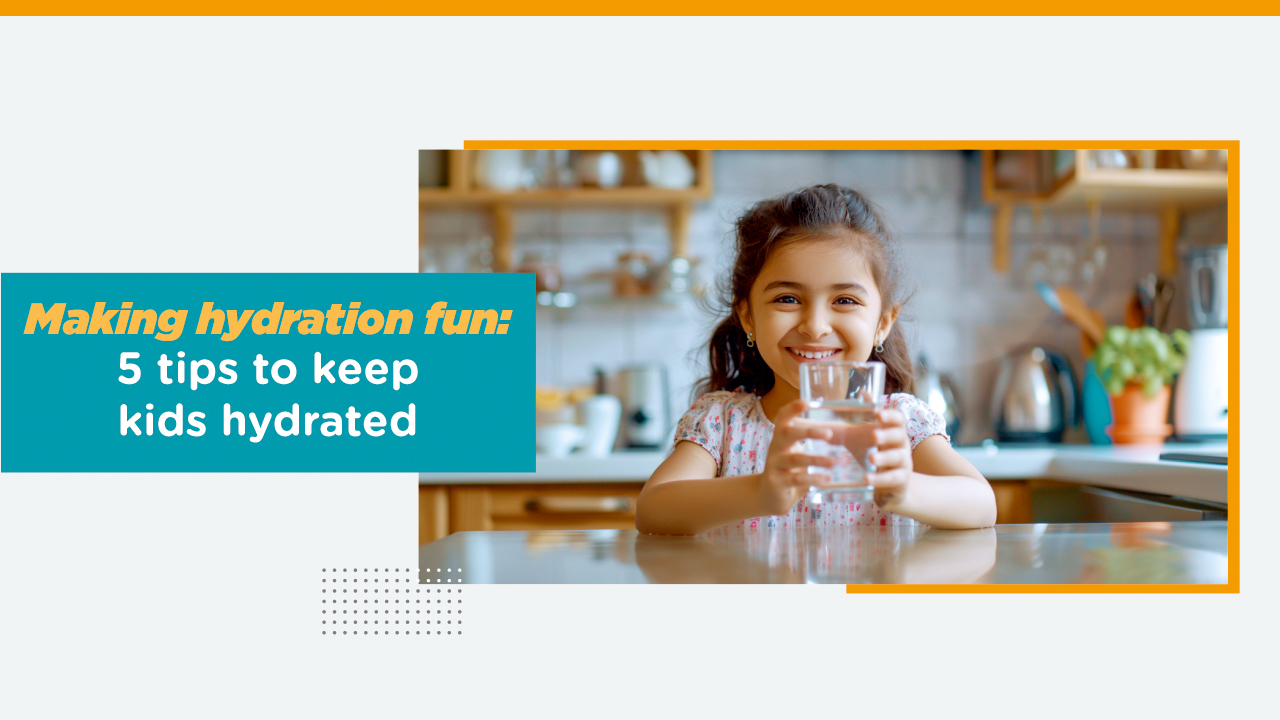 7
Ever wondered why little ones seem to be constantly asking for a refill throughout the day? Here's a cool fact: Studies reveal that kids' bodies are actually 60% to 70% water. That's a lot, right? But that's not all. Even though their little bodies are full of water, they lose it faster than adults. This is because children sweat more when compared to their body weight. It means they become dehydrated quicker – especially during hot summer weather. So, as the weather heats up, here you'll learn about some hydration tips for kids that can be implemented in day-to-day life. How Much Hydration is Enough for a Child? Keeping track of how much water a kid is having can be a hassle. At such a young age, these kids keep bouncing off the walls every minute. A few of them prefer spending private sessions with a pile of books and colours just next to them. In the middle of all this, who knows when they last had a sip? As parents, it is our responsibility to ensure that children consume at least 1.5 litres of water daily. As they grow older and reach the age of 9 years and above, the recommended intake should increase to 2 litres daily. Timely hydration helps kids think straight, run around safely, and not get angry about small things. So, it is better to stash a cool-looking water bottle in their backpacks and maybe encourage them for some quick sips every now and then. They may forget for a bit, but their bodies will thank you later. Interesting Ways to Keep Your Kid Hydrated in Summer Finding creative tips for keeping kids hydrated does not have to be necessarily difficult. Here are some ways that parents or caregivers can follow to ensure regular hydration: 1. Gradually encourage the child to develop a habit: Provide the child with a good-looking insulated water bottle that they will love to carry around. This makes it easy for them to sip on water throughout the day. 2. Occasionally introduce fruity flavours: Plain water can become boring. Try infusing water with slices of fruits like cucumber, berries, or citrus. It adds a refreshing twist and encourages kids to drink more. 3. Incorporate drink breaks into the child's daily routine: Kids often get caught up in playing and forget to drink adequate water. Therefore, setting reminders or creating a hydration schedule involving them ensures they take regular water breaks, especially during outdoor activities. 4. Provide hydrating snacks: A good way to do this is by packing water-rich food ingredients like watermelon, grapes, or celery sticks. These yummy treats contribute to their daily fluid intake. You can also make ice treats by freezing small pieces of fruit or juice in ice cube trays to create colourful and tasty ice cubes. Children can enjoy these as refreshing snacks that also help them stay hydrated. 5. Lead by Example: As the age-old saying goes, children always learn by watching their parents. So, parents must make sure that they are constantly drinking water throughout the day. Children will be more likely to follow suit if they see their parents’ prioritising hydration. In conclusion, by incorporating these hydration tips into the child's daily routine, one can ensure they stay hydrated and healthy throughout the summer months. Encouraging regular water consumption, providing hydrating snacks, scheduling drink breaks, and infusing water with fruits are effective hydrating tips to keep the child well-hydrated and thriving during the hot weather. Stay informed on the latest updates and expert insights! Join our Telegram channel for valuable content. Join us on Telegram: Narayana Educational Institutions – Official Stay connected, stay informed, and thrive with Narayana Educational Institutions!
10 May 2024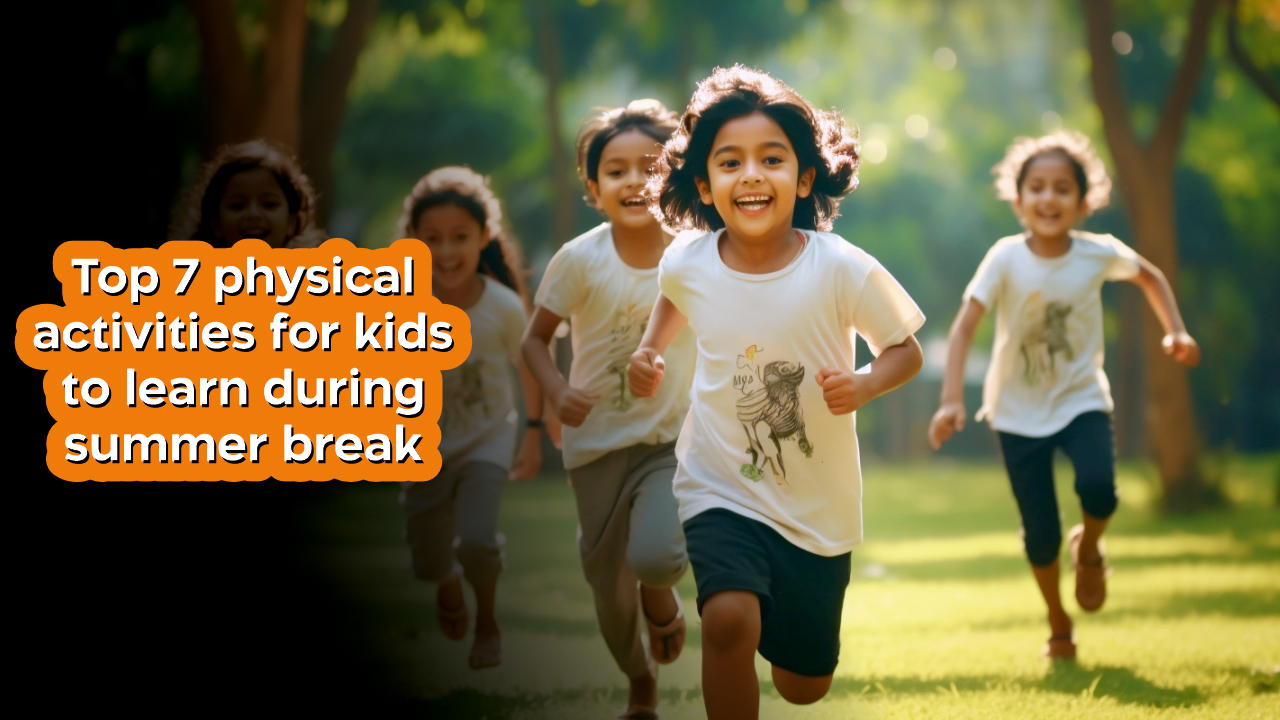 6
As the summer break begins, parents are frequently seeking engaging and beneficial activities for their children. While relaxation and playtime are essential, encouraging kids to participate in physical activities can have numerous benefits, including improved physical health, enhanced social skills, and increased confidence. Parents must encourage their child to channel their energy into more productive and healthy activities. Here are the top 7 physical activities for kids to learn during the summer break: Summer activities for kids : 7 Physical Activities for Kids in Summer Here are some of the top physical activities for kids to learn during their summer break: 1. Swimming: Learning to swim not only provides a valuable life skill but also offers a fun way for kids to stay active and cool during the hot summer months. Swimming helps improve cardiovascular fitness, muscle strength, and coordination. 2. Cycling: Riding a bicycle is not only enjoyable but also a great way for kids to build leg muscles, improve balance, and enhance their overall coordination skills. It's an activity that can be enjoyed solo or with friends and family. 3. Dancing: Whether it's ballet, hip-hop, or traditional cultural dances, dancing is an excellent way for kids to express themselves creatively while staying physically active. It promotes flexibility, rhythm, and body awareness. 4. Sports: Encourage kids to try different sports such as soccer, basketball, tennis, or martial arts. Sports not only promote physical fitness but also teach valuable lessons in teamwork, discipline, and sportsmanship. 5. Yoga: Introducing kids to yoga can help improve their flexibility, strength, and balance. It also teaches mindfulness and relaxation techniques, which can be beneficial for managing stress and anxiety. 6. Gardening: While not traditionally seen as a physical activity, gardening involves a lot of movement, from digging and planting to watering and weeding. It's a great way for kids to connect with nature while staying active outdoors. 7. Obstacle Courses: Set up a backyard obstacle course using cones, ropes, hula hoops, and other props. This activity not only encourages physical activity but also boosts problem-solving skills and creativity. To conclude, summer break is the perfect time for kids to explore new physical activities and learn valuable skills that will benefit them both now and in the future. Therefore, as parents, one must encourage their little explorers to enjoy the sunshine. Summer is not just a vacation; it is a great time for children to take a break from their regular routine of studies and books. So, offer them the opportunity to find their own talent and interest by engaging them in these summer activities for kids. At Narayana, we understand the importance of overall development for children. While academic excellence is crucial, we also prioritise the physical, emotional, and social well-being of our students. Through a range of extracurricular activities, including sports, arts, and outdoor adventures, we provide a robust environment where children can explore their interests, develop their talents, and pursue their dreams, because at Narayana, your dreams are our dreams. Stay informed on the latest updates and expert insights! Join our Telegram channel for valuable content. Join us on Telegram: Narayana Educational Institutions – Official Stay connected, stay informed, and thrive with Narayana Educational Institutions!
08 May 2024 6
India, a nation rich in culture and diversity, has also made a significant mark in the world of sports. From cricketing legends to Olympic champions, Indian athletes have consistently showcased their talent and determination on the global stage. Let's delve into the top 10 athletes from India who continue to inspire millions with their prowess and achievements. 10 Famous Athletes of India Who Emerged as Real Game Changers: 1. Major Dhyan Chand (Hockey): Dhyan Chand is considered to be one of the most inspiring Indian hockey players. He is widely regarded as one of the greatest field hockey players of all time. He won three Olympic gold medals (1928, 1932, and 1936) and was known for his exceptional ball control and goal-scoring abilities. 2. Milkha Singh (Indian Track and Field Athlete): Commonly referred to as ‘The Flying Sikh,’ Milkha Singh became the first-ever Indian track runner to secure a gold medal at the Commonwealth Games in 1958. His success is extraordinary and truly inspiring, considering the hardships he faced during his childhood. Singh was awarded the Padma Shri, one of India's highest civilian honours, in 1959. 3. Pilavullakandi Thekkeparambil Usha (Indian Track and Field Athlete): PT Usha, a legendary track runner and field athlete, continues to inspire with her remarkable achievements. She dominated the Asian sprinting events during the 1980s, securing 23 medals, including 14 golds. Her speed, agility, and determination on the track made her a force to be reckoned with. PT Usha's accolades include the Arjuna Award and the Padma Shri, showcasing her enduring impact on Indian sports. 4. Sunil Chhetri (Football): Sunil Chhetri is among the few Indian professional footballers who have left their mark on the global stage. At present, he is among the top 3 active goal scorers of all time. Chhetri received the Arjuna Award in 2011 for his outstanding sporting achievement and the Padma Shri award in 2019. 5. PV Sindhu (Badminton): With a silver medal at the 2016 Rio Olympics and a gold at the 2019 World Championships, PV Sindhu has become a trailblazer in Indian badminton. Her agility, precision, and mental toughness on the court make her a formidable opponent. 6. Mary Kom (Boxing): Hailing from Manipur, Mary Kom is a six-time world champion and an Olympic bronze medalist. Her journey from humble beginnings to global recognition has made her an icon of resilience and determination. 7. Neeraj Chopra (Athletics): Neeraj Chopra made history by winning India's first Olympic gold medal in track and field at the 2020 Tokyo Olympics. His prowess in javelin throwing and consistent performances have marked him as a rising star in Indian athletics. 8. Mahendra Singh Dhoni (Cricket): One of the greatest Indian Athletes, a mastermind in limited-overs cricket, MS Dhoni or Mahi led India as a captain to win every single international cricket council tournament under his leadership. The Indian cricket team won the 2011 Cricket World Cup after 28 years under his captainship, showcasing Dhoni's exceptional leadership and cricketing prowess. 9. Manika Batra (Table Tennis): Manika Batra's rise in table tennis has been nothing short of spectacular. With multiple medals in Commonwealth Games and Asian Games, she has elevated the sport's popularity in India. 10. Bajrang Punia (Wrestling): Bajrang Punia's dominance in freestyle wrestling has earned him accolades such as a World Championship gold in 2018 and an Olympic bronze medal in 2020. His technical prowess and aggressive style make him a force to be reckoned with on the mat. These athletes exemplify the pinnacle of Indian sportsmanship, dedication, and skill. Their achievements not only bring glory to the nation but also serve as a source of motivation for aspiring athletes across India. As they continue to excel and push boundaries, the future of Indian sports shines brighter than ever. At Narayana, there exists a firm belief in integrating these principles of dedication, skill, and sportsmanship from the outset to ensure that the child develops into a well-rounded individual, for at Narayana, your dreams are our dreams. Stay informed on the latest updates and expert insights! Join our Telegram channel for valuable content. Join us on Telegram: Narayana Educational Institutions – Official Stay connected, stay informed, and thrive with Narayana Educational Institutions!
06 May 2024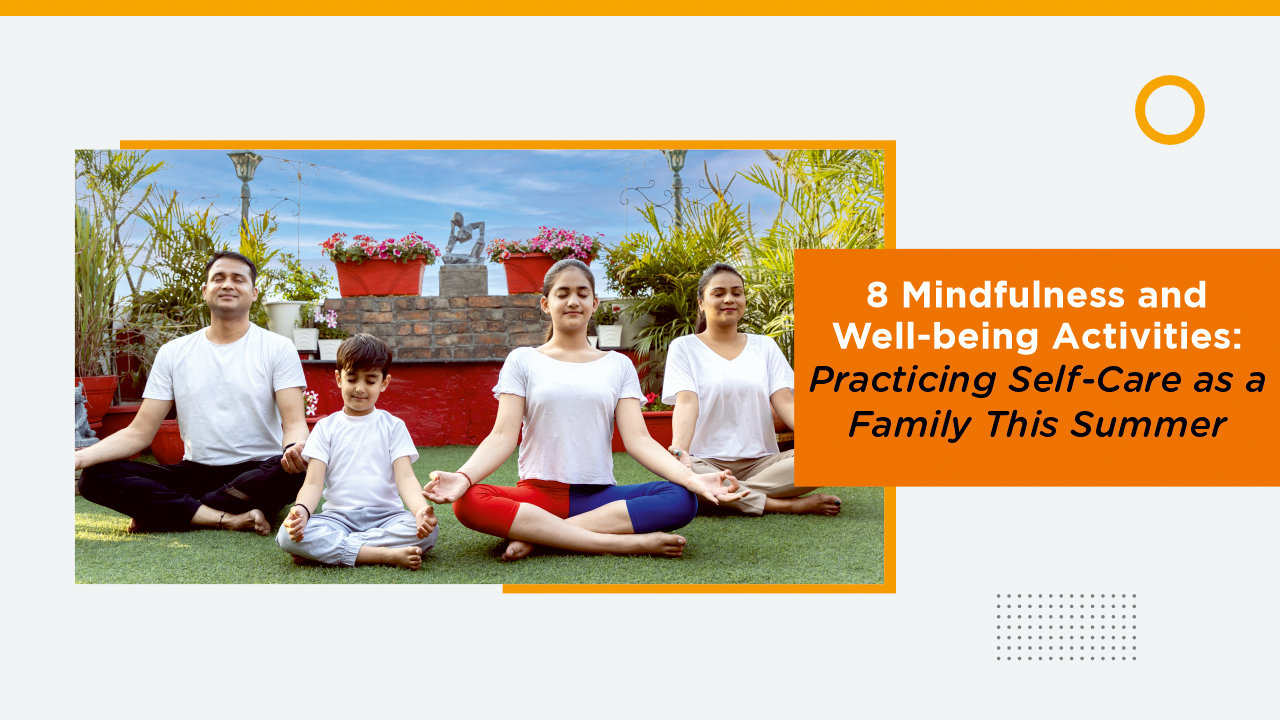 6
As summer arrives with its warm embrace, it's the perfect time to focus on mindfulness and well-being as a family. In the midst of fun-filled activities and adventures, taking moments for self-care and mindfulness can nurture a deeper connection, promote relaxation, and enhance overall well-being. Here are eight tips and ideas for practicing self-care as a family this summer: 1. Nature Walks and Outdoor Meditation Embrace the beauty of nature by taking leisurely walks in parks, forests, or along scenic trails. Encourage mindfulness by observing the sights, sounds, and smells of nature. Find a peaceful spot to sit together and engage in simple breathing exercises or guided meditation. Connecting with nature can soothe the mind, reduce stress, and promote a sense of calmness. 2. Yoga and Stretching Sessions Incorporate yoga or stretching sessions into your family routine. Set aside time for gentle yoga poses that promote relaxation and flexibility. Encourage children to join in with age-appropriate poses and movements. Yoga helps release tension, improve posture, and enhance body awareness, fostering a sense of well-being for everyone. 3. Mindful Eating Practices Practice mindful eating as a family by savouring meals together without distractions. Encourage everyone to focus on the tastes, textures, and sensations of each bite. Discuss the flavours and ingredients, fostering gratitude for nourishing food. Mindful eating promotes healthier eating habits, reduces overeating, and enhances the enjoyment of meals. 4. Digital Detox Days Designate occasional digital detox days where screens are turned off, and the focus is on quality time spent together. Engage in offline activities such as board games, arts and crafts, storytelling, or outdoor sports. Disconnecting from digital devices allows for meaningful interactions, improves sleep quality, and reduces screen time stress. 5. Journaling and Reflection Encourage journaling and reflection as a family practice. Provide journals or notebooks for each family member to write down thoughts, feelings, gratitude, and experiences. Set aside time for sharing and discussing entries, fostering open communication and emotional expression. Journaling promotes self-awareness, mindfulness, and emotional well-being. 6. Creative Expression and Art Therapy Engage in creative activities such as drawing, painting, writing, or crafting together. Encourage children to express themselves through art and creative projects. Art therapy allows for emotional expression, stress relief, and promotes self-discovery. Create a family art gallery to showcase everyone's creations and celebrate creativity. 7. Mindful Communication and Listening Practice mindful communication by actively listening and empathising with each other's feelings and experiences. Encourage open conversations, share stories, and express gratitude for each other. Create a supportive and nurturing environment where everyone feels heard, valued, and understood. 8. Gratitude and Positive Affirmations Cultivate gratitude as a family by expressing appreciation for the little moments and blessings in life. Start or end each day with a gratitude circle where everyone shares something they are grateful for. Incorporate positive affirmations and encourage self-love and kindness towards oneself and others. By incorporating these mindfulness and self-care practices into the family's summer routine, one can create a harmonious and nurturing environment that promotes well-being, strengthens bonds, and fosters a deeper sense of connection and joy. Remember, practicing self-care as a family is not just about relaxation; it's about cultivating resilience, fostering growth, and embracing the beauty of each moment together. Stay informed on the latest updates and expert insights! Join our Telegram channel for valuable content. Join us on Telegram: Narayana Educational Institutions – Official Stay connected, stay informed, and thrive with Narayana Educational Institutions!
03 May 2024

