

Explore stories and insights
Loading...



 6
In the face of growing environmental challenges such as climate change, biodiversity loss, and pollution, the need for informed and proactive individuals has never been greater. Environmental education stands at the forefront of this need, playing a pivotal role in shaping the next generation of eco-leaders. By integrating environmental knowledge and sustainable practices into education systems, it inspires young minds to take active roles in preserving and protecting our planet. The benefits of environmental education extend far beyond the classroom, fostering a more sustainable and environmentally conscious society. Environmental education develops environmentally literate individuals who are equipped with the knowledge, skills, and attitudes necessary to make informed decisions and take responsible actions for the environment. Here are five key advantages and benefits of environmental education: 1. Encourages Active Learning and Student Engagement: Unlike traditional education methods that often involve passive learning, environmental education is highly interactive and engaging. It incorporates hands-on activities, outdoor exploration, and community-based projects that make learning more dynamic and enjoyable. For instance, students participate in field trips to nature reserves, conduct experiments on water quality, or engage in local conservation efforts. These active learning experiences enhance knowledge retention and foster a genuine interest in environmental issues. By immersing students in real-world environmental scenarios, environmental education creates meaningful and memorable learning experiences. 2. Promotes Health and Well-Being: Another significant benefit of environmental education is its positive impact on students' health and well-being. Many environmental education programs include outdoor activities that promote physical exercise and provide mental health benefits. Studies show that spending time in nature reduces stress, improves mood, and enhances overall well-being. By incorporating nature-based learning, environmental education helps students develop healthier lifestyles. Additionally, understanding the health benefits of a clean environment motivates students to advocate for policies and practices that protect natural spaces and reduce pollution. 3. Enhances Critical Thinking and Problem-Solving Skills: Environmental education places a strong emphasis on critical thinking and problem-solving. Students analyse complex environmental issues, evaluate different perspectives, and devise innovative solutions. This educational approach helps students develop essential skills that are applicable not only to environmental challenges but to various aspects of life. By engaging in projects that require data collection, analysis, and strategic planning, students learn to approach problems methodically and think creatively. These skills are invaluable as they prepare students to address the multifaceted problems of the future. 4. Prepares Students for Green Careers: As the global economy shifts towards sustainability, there is an increasing demand for professionals skilled in environmental science, renewable energy, conservation, and related fields. Environmental education prepares students for these green careers by providing them with the necessary knowledge and skills. Through exposure to various environmental topics and career opportunities, students explore potential pathways in the sustainability sector. This preparation helps meet the growing demand for eco-friendly professionals and ensures that future generations are equipped to lead in the development of a sustainable economy. 5. Fosters Environmental Stewardship: A fundamental benefit of environmental education is the promotion of environmental stewardship. When students are educated about the environment, they develop a deeper understanding of the interconnectedness between humans and nature. This understanding cultivates a sense of responsibility and a commitment to sustainable practices. By learning about issues such as waste management, water conservation, and habitat protection, students adopt behaviours that reduce their carbon footprint. This stewardship mentality encourages students to become advocates for the environment in their communities, promoting sustainability at a grassroots level. To sum up, Environmental education is crucial in cultivating the next generation of eco-leaders. By fostering environmental stewardship, enhancing critical thinking and problem-solving skills, encouraging active learning, promoting health and well-being, and preparing students for green careers, the benefits of environmental education are profound and far-reaching. As society navigates the complexities of modern environmental challenges, investing in environmental education empowers young people to take meaningful actions toward a sustainable and resilient future. The urgency of these efforts cannot be overstated, as today's students are tomorrow's leaders in the fight for a healthier planet. Stay informed on the latest updates and expert insights! Join our Telegram channel for valuable content. Join us on Telegram: Narayana Educational Institutions – Official Stay connected, stay informed, and thrive with Narayana Educational Institutions!
 14 Jun 2024
 6
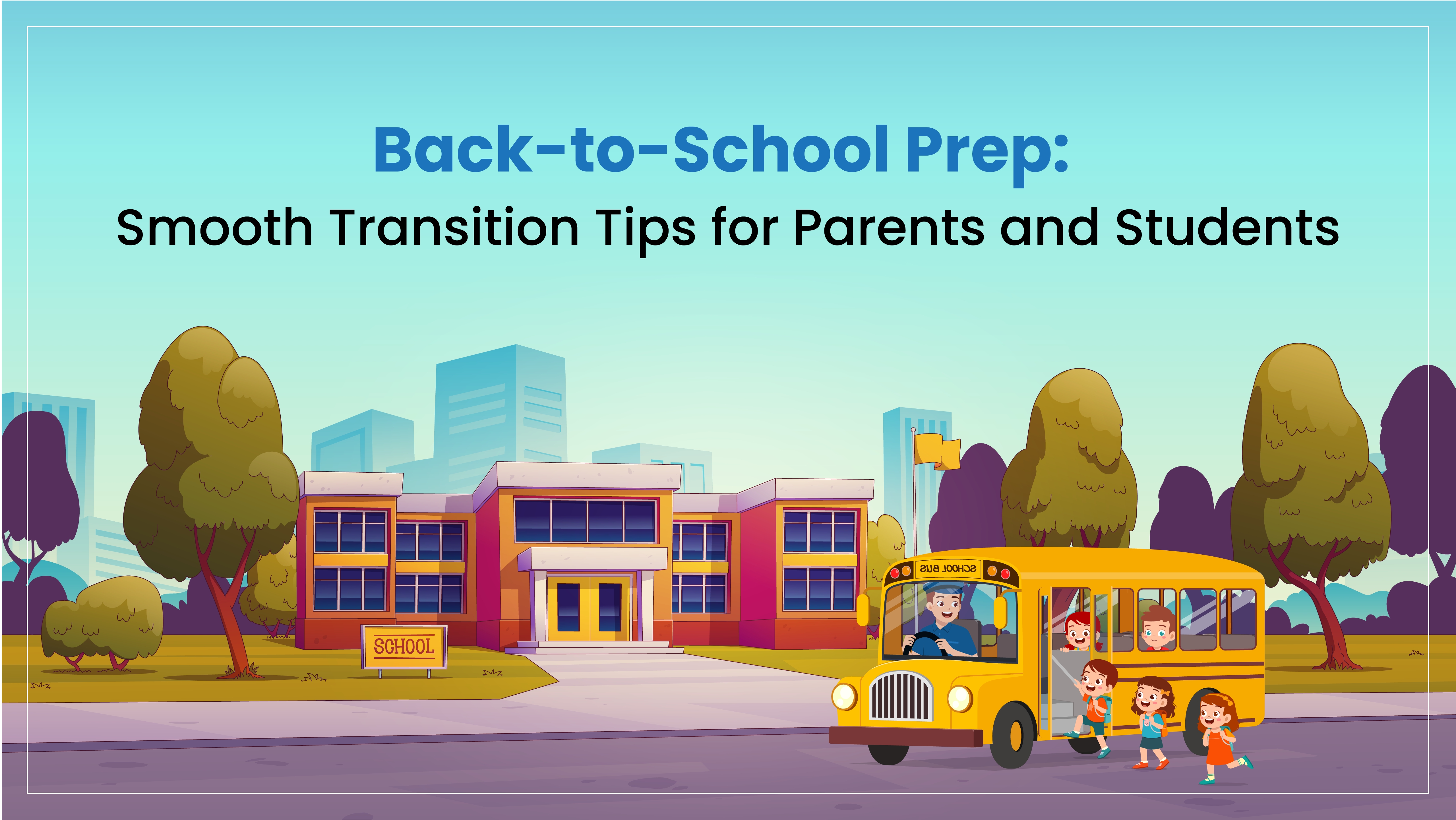
As summer comes to a close, families everywhere start preparing children for the transition back to school . The shift from leisurely days to structured routines can be challenging for both parents and students. However, with careful planning and a positive mindset, the transition can be smooth and even enjoyable. Here are some essential back to school tips to help families get ready for the new school year. 1. Firstly, it’s crucial to establish a routine before school starts. Gradually reintroduce earlier bedtimes and wake-up times a week or two before the first day. This adjustment helps children get accustomed to the school schedule, reducing morning stress. Consistent sleep patterns ensure students are well-rested and ready to learn from day one. 2. Another key aspect of back-to-school prep involves organising school supplies. Make a list of required items and involve children in the shopping process. This activity not only builds excitement but also ensures they have everything they need. Labelling supplies can also prevent mix-ups and lost items once school begins. 3. Next, creating a dedicated homework space is essential. A quiet, well-lit area equipped with necessary supplies can make homework time more efficient and less stressful. Encourage children to personalise this space to make it more inviting. Consistent use of this area helps establish a routine, making it easier for students to focus on their studies. 4. Meal planning is another important component of a smooth back-to-school Planning and preparing healthy lunches and snacks in advance saves time and ensures that children have nutritious options throughout the day. Consider involving kids in meal preparation to teach them about balanced eating and to make them more likely to enjoy their meals. 5. In addition to practical preparations, addressing emotional readiness is vital. Talk to children about their feelings regarding the new school year. Encourage them to express any concerns or anxieties they may have. Share positive experiences from one’s own school days to build excitement. Remind them that it's normal to feel a mix of emotions and reassure them that they are not alone. 6. Setting goals for the school year can also be motivating. Help children set realistic academic and personal goals. Discuss what they hope to achieve and how they plan to reach these goals. This practice not only provides direction but also instils a sense of purpose and motivation. 7. Extracurricular activities play a significant role in the school experience. Parents can explain the benefits of these activities, share their own experiences, and help children choose interests that align with their passions. Whether it’s joining a sports team, participating in a club, or taking up a new hobby, these activities promote social skills, teamwork, leadership, and overall well-being. Encouraging participation helps children build peer networks and fosters a sense of community, enriching their educational journey and preparing them to contribute positively to society and the environment. 8. Communication with teachers is another critical factor in a successful back-to-school Parents need to understand and set classroom expectations based on the record of the child and parents should be proactive in communicating with the child so as to prevent misunderstandings once the school is about to re-open. 9. Lastly, maintain a positive attitude about the back-to-school Children often mirror their parents' attitudes. By staying positive and enthusiastic, one can help alleviate any apprehension children might feel. In conclusion, preparing for the back-to-school transition involves a combination of practical approach, emotional support, and positive reinforcement. Establishing routines, organising supplies, creating a conducive learning environment, and addressing emotional readiness are all crucial steps. By involving children in the preparation process and maintaining open communication, families can ensure a smooth and successful start to the school after a long summer break. Remember, the goal is not just to survive the transition but to thrive and make the most of the academic year. Stay informed on the latest updates and expert insights! Join our Telegram channel for valuable content. Join us on Telegram: Narayana Educational Institutions – Official Stay connected, stay informed, and thrive with Narayana Educational Institutions!
12 Jun 2024 6
With the rise in technological advancements, online learning has become a new trend. Most of us have used online classes or YouTube live sessions to learn something. Therefore, to adapt to these new learning methods, we offer effective online learning tips for both students and parents. While some tips are solely for students, others involve parents. Without further ado, let’s explore some of the best ways to make the most of online learning . Online Learning Tips for Students: Some tips that students can incorporate into their daily lives include: 1. Remaining Engaged with the Course: Staying dedicated is often underrated. It's natural to feel lethargic at home, but it's important to combat such tendencies by staying hyperactive, understanding concepts, creating mind-maps from lectures, and doing whatever is necessary. This should be considered as the first and most important study tip for online learning . Distractions exist, but prioritising what is important is crucial. 2. Maintaining a Schedule for Online Classes: Online classes vary in duration, so effective time management is essential to cater to all aspects of the learning phase. Maintaining a schedule and a cycle of learning, memorising, and then revising is crucial. Consistency in the routine is emphasised and important as one of the online learning tips. Additionally, understand the difference between synchronous (real-time classes) and asynchronous (self-paced learning) online courses and adapt strategies accordingly. 3. Using a Single Device Dedicated to Learning: Using multiple devices can lead to distractions. It's important to understand that online learning is convenient but should not be taken for granted. Staying focused is easier when using a single device for note-taking, storing study materials, and engaging in self-study. This is one of the best study tips for online learning to avoid distractions. Tips for Parents to Make Online Learning Easier for Their Kids: A parent has a very important role to play in the child’s educational journey. Here are some tips for parents to make online learning easy and seamless for children: 1. Emphasise Improving Child’s Mental Health: Be calm, and a good listener to the child's problems. As a child spends time learning behind a screen, it's important to cheer them up and understand their challenges. Encourage communication and help them refresh their mood to perform optimally in their online course. 2. Avoid Pressurising the Child: The child may be struggling with online courses and time management. This is an important phase of their student life and they need support. Be a supportive parent by cultivating self-assurance in the child. Avoid pressuring the child to study all day, as it creates mental pressure and strains the relationship. Instead, work as a team to understand and address challenges together. 3. Engage in Discussions: Regularly talk to your child about what they learned each day. Ask open-ended questions such as: What new concepts did you find interesting today? Were there any challenging topics that you need help with? How can you apply what you learned to real-life situations? According to Professor O’Connor, founder of the Scientific Mommy, and Robin Neuhaus, a PhD student at NYU, children look to their parents as role models. Therefore, it's important for parents to use online learning tips to build confidence and motivate their child to perform effectively. Establishing a friendly relationship with the child will successfully motivate them in their online learning endeavours. Stay informed on the latest updates and expert insights! Join our Telegram channel for valuable content. Join us on Telegram: Narayana Educational Institutions – Official Stay connected, stay informed, and thrive with Narayana Educational Institutions!
08 Jun 2024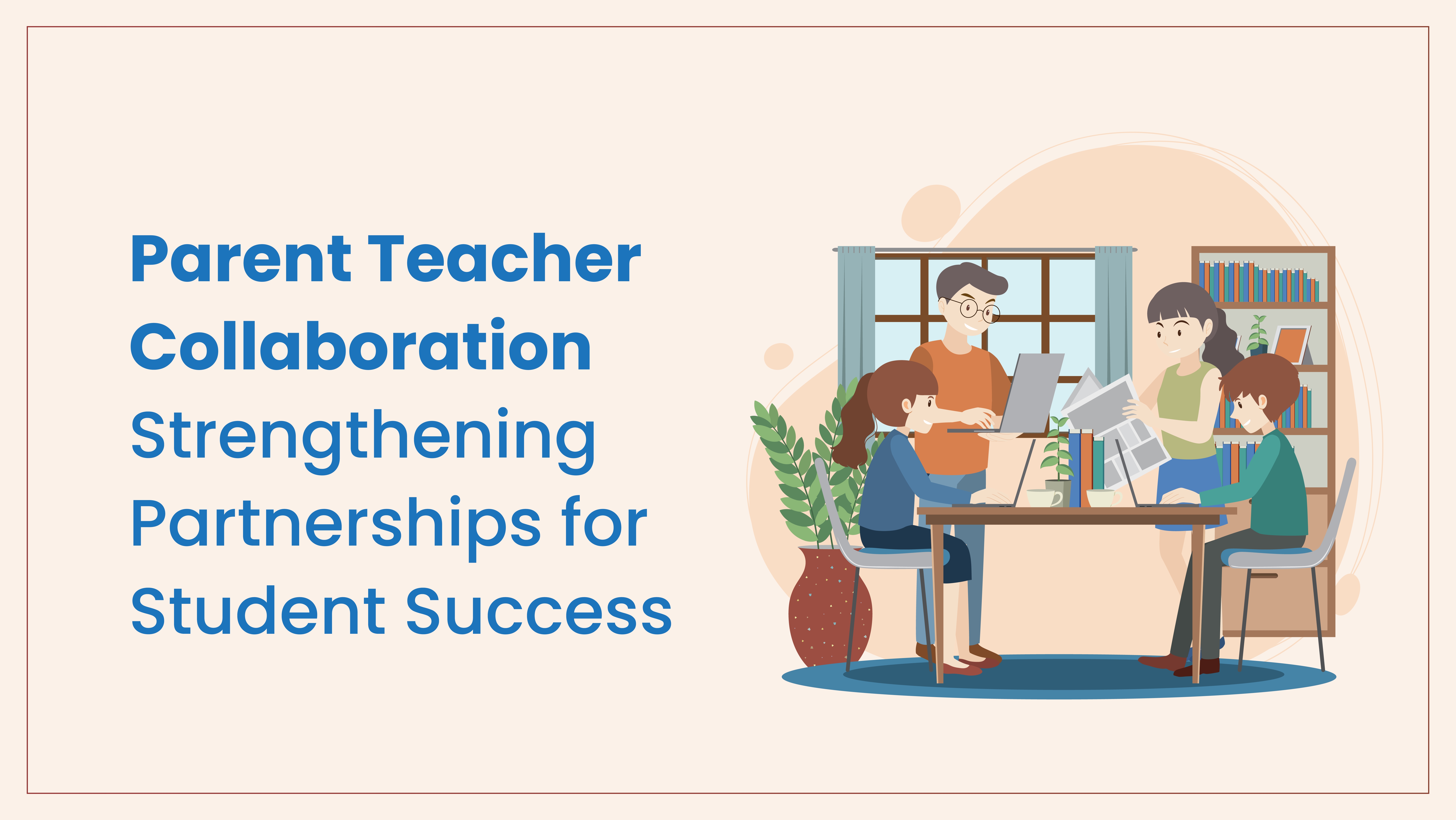 6
Parent-teacher collaboration plays a pivotal role in fostering student success. When parents and teachers work together, they create a supportive environment that enhances a child's educational experience. This partnership is not just beneficial; it is essential. Understanding the importance of parent-teacher collaboration and implementing effective strategies can make a significant difference in a student's academic and personal development. Let’s look at some of the effective ways to establish this collaboration: 1. Firstly, open communication forms the foundation of effective parent-teacher collaboration . Both parties need to maintain regular, honest, and respectful communication to share insights and updates about the child's progress. Parents can provide valuable information about their child's strengths, interests, and challenges outside of school, while teachers can offer detailed observations and feedback from the classroom. This exchange helps create a comprehensive understanding of the student's needs and how best to support them. 2. Another critical aspect of parent-teacher collaboration is setting clear and shared goals for the student. When parents and teachers align their expectations and objectives, they can work together more effectively to help the child achieve these goals. This unified approach ensures that the child receives consistent support and guidance both at home and at school, which is crucial for their academic success and overall well-being. 3. Parent-teacher collaboration also involves parents taking an active role in their child's education and overall development. Additionally, the importance of parent-teacher collaboration extends to promptly addressing and resolving issues noticed in the child. For example, when challenges arise, whether academic or behavioural, such as less interest in socializing, lack of interest in playing, or reluctance to talk, parents can take note and inform the teacher of these changes. A collaborative approach ensures that both parents and teachers are on the same page and can develop effective strategies to address these issues. Mental well-being is a crucial factor that parents and teachers need to address together for the overall development of the child. Ensuring mental health helps students navigate the competitive world without losing their sense of self. At Narayana Schools, the Disha Mental Well-being program offers expert support and counselling to keep students sound and safe. This program helps students manage stress, develop resilience, and maintain a healthy mental state. This teamwork fosters a problem-solving mindset and helps create a positive and proactive environment for the student. 4. Parent-teacher collaboration is directly proportional to the participation of parents in various activities conducted by the school. This includes attending parent-teacher conferences, volunteering at school events, and participating in classroom activities when possible. Such involvement not only shows the child that their education is a priority but also strengthens the bond between the parent and the school community. It demonstrates to the child that their parents and teachers are united in supporting their learning journey. At Narayana Schools "adoption calling" system is followed where each teacher, not necessarily the class teacher, is assigned a set of students and the teacher acts as a bridge between these students and their parents. Teachers conduct fortnightly calls to update parents on their children's academic and non-academic activities and also collect feedback, observations and expectations of parents, which are stored for future access. This approach motivates students to perform well without stress and strengthens the teacher-parent bond through regular, timely updates on the child's overall development. 5. Technology also plays a significant role in enhancing parent-teacher collaboration . Digital tools such as school portals, email, and messaging apps make it easier for parents and teachers to stay connected and share information. These tools provide convenient ways to communicate regularly and keep parents informed about their child's progress, upcoming events, and any areas that need attention. Utilising technology effectively can bridge gaps and strengthen the partnership between parents and teachers. At Narayana Schools, this collaboration is highly valued, and through the nConnect app, parents are provided with real-time updates on students' attendance, academic progress, and over-all development. The importance of parent-teacher collaboration is evident in its impact on student motivation and performance. When students see their parents and teachers working together, they feel more supported and encouraged to do their best. This collaboration fosters a sense of accountability and helps students understand the value of their education. It also builds their confidence, knowing that they have a team of adults who believe in their potential and are committed to their success. Building a culture of collaboration requires effort and commitment from both parents and teachers. It involves creating an inclusive environment where both parties feel valued and respected. Parents can actively participate in regular discussions with teachers to receive timely updates and feedback on their child's progress. This ongoing communication allows parents to stay informed about their child's academic achievements, behavioural development, and any areas needing improvement. By engaging in these discussions, parents can collaborate with teachers to address concerns promptly and support their child's educational journey more effectively. Teachers on the other hand can encourage parent involvement by being approachable and open to feedback, while parents can show appreciation for the teacher's efforts and recognise their expertise. In conclusion, parent-teacher collaboration is a cornerstone of student success. By maintaining open communication, setting shared goals, actively participating in the educational process, addressing challenges collaboratively, leveraging technology, and fostering a culture of mutual respect, parents and teachers significantly enhance a child's learning experience. At Narayana Schools, this collaboration is highly valued, as this lays the groundwork for a supportive and enriching educational journey that benefits students and parents alike, helping students reach their full potential because At Narayana, Your Dreams Are Our Dreams. Stay informed on the latest updates and expert insights! Join our Telegram channel for valuable content. Join us on Telegram: Narayana Educational Institutions – Official Stay connected, stay informed, and thrive with Narayana Educational Institutions!
03 Jun 2024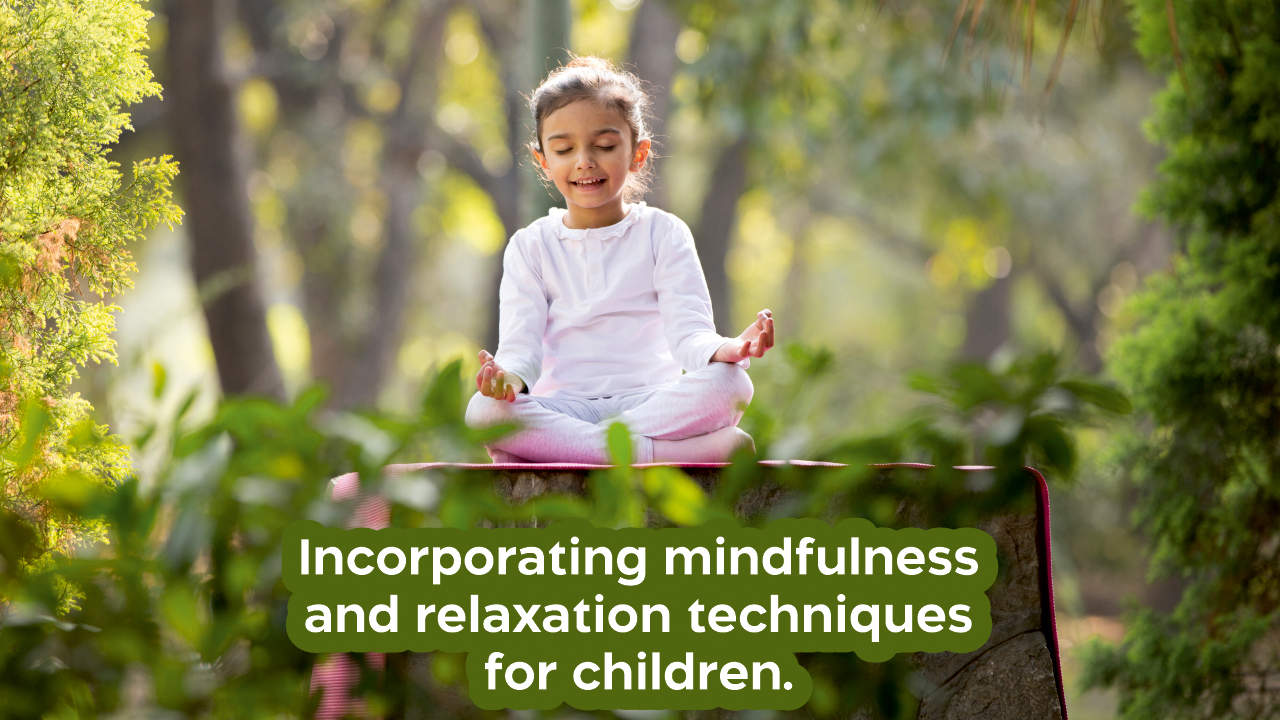 6
In today's fast-paced world, children often experience stress and anxiety, just like adults. Incorporating mindfulness and relaxation techniques into their daily routine can significantly benefit their mental and emotional well-being . These practices help children develop focus, emotional regulation, and a sense of calm. Here’s how parents can initiate mindfulness and relaxation techniques for children effectively. 1. Understand Mindfulness and Its Benefits: Mindfulness involves paying attention to the present moment without judgment. For children, mindfulness can improve concentration, reduce stress, and enhance emotional intelligence. Practising mindfulness helps children become aware of their thoughts and feelings, enabling them to respond to situations more calmly and thoughtfully. 2. Simple Mindfulness Exercises: Breathing Exercises: Teach children to focus on their breath. A simple exercise is to have them sit comfortably, close their eyes, and take slow, deep breaths. Instruct them to inhale deeply through the nose, hold for a few seconds, and exhale slowly through the mouth. Encourage them to notice the sensation of the breath entering and leaving their bodies. Body Scan: This exercise helps children become aware of physical sensations in their bodies. Have them lie down comfortably and guide them to focus on different parts of their body, starting from their toes and moving up to their head. Ask them to notice any tension or relaxation in each area. Mindful Eating: During snack time, encourage children to eat mindfully. Ask them to observe the colours, textures, and smell of their food before taking small, deliberate bites. This practice helps them appreciate their food and develop better eating habits. 3. Relaxation Techniques for Children: Progressive Muscle Relaxation : This technique involves tensing and then relaxing different muscle groups in the body. Guide children to tense their muscles for a few seconds and then release. Start from the feet and move upwards to the head. This practice helps release physical tension and promotes relaxation. Visualisation: Encourage children to use their imagination to visualise a peaceful place. It could be a beach, a forest, or any place where they feel safe and calm. Ask them to close their eyes and picture this place in detail, focusing on the sights, sounds, and smells. Visualisation can transport them to a tranquil state, reducing stress and anxiety. Yoga: Incorporate simple yoga poses into their routine. Poses like the Child’s Pose, Cat-Cow, and Tree Pose are easy for children to learn and practice. Yoga combines physical movement with mindful breathing, enhancing both physical and mental well-being. 4. Create a Mindful Environment: Parents can create a conducive environment for mindfulness and relaxation. Designate a quiet, comfortable space for these activities. Use calming colours and soft lighting to enhance the atmosphere. Incorporate nature sounds or gentle music to make the space more inviting. 5. Consistency and Patience: Incorporating mindfulness and relaxation techniques requires consistency and patience. Encourage children to practice these techniques regularly, but avoid making it feel like a chore. Use positive reinforcement and praise to motivate them. Gradually, these practices will become a natural part of their daily routine. 6. Model Mindfulness: Children learn by observing adults. Parents should model mindfulness in their own behaviour. Practice deep breathing, stay in the present, and manage stress mindfully. When children see these techniques in action, they are more likely to adopt them. Incorporating mindfulness and relaxation techniques into children’s lives equips them with valuable tools to navigate stress and anxiety. These practices foster a sense of inner peace and resilience, helping children thrive both emotionally and academically. By creating a supportive environment and modeling mindful behaviour , parents can guide children towards a balanced and fulfilling life. Stay informed on the latest updates and expert insights! Join our Telegram channel for valuable content. Join us on Telegram: Narayana Educational Institutions – Official Stay connected, stay informed, and thrive with Narayana Educational Institutions!
25 May 2024 6
In today's digital age, screens are an integral part of our daily lives. Children and adults alike use devices for education, entertainment, and communication. However, balancing screen time with offline activities is essential for maintaining physical health, social skills, and overall well-being. Here are 7 tips for managing digital device use while encouraging more physical and social activities . 1. Set Clear Limits and Guidelines - Establishing clear rules about screen time is crucial. Parents should define how much screen time is appropriate based on the child's age and needs. For example, the Indian Academy of Paediatrics’ (IAP) recommends no more than one hour per day of high-quality screen time for children aged 2 to 5 years. For older children and teens, it’s beneficial to create a schedule that balances screen time with other activities. Make sure these rules are consistent and well-communicated, so children understand what is expected of them. 2. Encourage Active Screen Time - Not all screen time is equal. Encourage active screen time that involves physical activity or educational content. There are numerous apps and video games that promote movement, such as dance games or interactive fitness programs. Educational apps can also be beneficial, provided they engage children in learning new skills or knowledge. By selecting high-quality, interactive content, parents can make screen time more productive and beneficial. 3. Designate Screen-Free Zones and Times - Creating screen-free zones and times in your home can help reduce excessive screen use. For instance, make mealtimes and bedrooms screen-free areas. Encourage family members to leave their devices outside these zones to foster face-to-face interactions. Designate certain times of the day, such as during homework or before bedtime, as screen-free periods. This not only helps in reducing screen time but also promotes healthier habits and better sleep. 4. Model Balanced Screen Use - Children often mimic their parents' behaviours, so it's important for adults to model balanced screen use. Show your children that you value offline activities by engaging in them yourself. Read books, exercise, or spend time outdoors. By demonstrating a healthy balance between screen time and other activities, parents can set a positive example for their children to follow. 5. Promote Physical Activities and Hobbies - Encouraging children to participate in physical activities and hobbies can naturally reduce their screen time. Sign them up for sports, dance classes, or martial arts. Provide opportunities for them to explore different hobbies like drawing, playing musical instruments, or gardening. These activities not only keep children physically active but also help develop their skills and interests. 6. Schedule Family Activities - Planning regular family activities that don't involve screens is a great way to ensure quality time together while reducing device dependency. Go for hikes, bike rides, or picnics in the park. Board games, puzzles, and craft projects are excellent for indoor family fun. These activities foster family bonding and create lasting memories, all while keeping everyone engaged in the real world. 7. Encourage Social Interactions - Promote social interactions by arranging playdates, team sports, or group activities. Encourage your children to spend time with friends in person rather than solely through digital communication. Social interactions help children develop essential communication and interpersonal skills. It also gives them a chance to practice empathy, cooperation, and problem-solving in real-world scenarios. Balancing screen time with offline activities is crucial for a child's development and overall well-being . By setting clear limits, encouraging active screen time, designating screen-free zones, practising balanced behaviour, promoting physical activities , scheduling family time, and fostering social interactions, parents can help their children achieve a healthy balance . In doing so, they ensure that screens serve as a tool for learning and entertainment without overshadowing the richness of real-life experiences. Stay informed on the latest updates and expert insights! Join our Telegram channel for valuable content. Join us on Telegram: Narayana Educational Institutions – Official Stay connected, stay informed, and thrive with Narayana Educational Institutions!
23 May 2024

