

Explore stories and insights
Loading...



 6
Supporting our children's interests and nurturing their talents is crucial for their growth and development. Every child has unique passions and abilities waiting to be discovered and encouraged. As parents, guardians, or educators, it's our role to create an environment where children can explore, learn, and excel in their chosen pursuits. Here are some effective ways to discover and nurture your child’s talents: 1. Observation and Listening: Start by observing what activities naturally attract the child and listen to their conversations to understand their passions. Whether it’s building blocks, drawing, storytelling, or games, these interests provide clues to their talents in spatial reasoning, artistic expression, creativity, or imagination. 2. Opportunities for Exploration: Once you identify their interests, provide structured opportunities for them to engage in related activities. Enrol them in classes or workshops that align with their passions, such as music lessons or sports teams. These experiences not only develop their skills but also foster a sense of community and motivation among peers. 3. Encouraging Curiosity: Foster curiosity by exposing them to relevant books, videos, museums, and educational outings. Encourage experimentation and a growth mindset where mistakes are viewed as opportunities for learning. For instance, conduct science experiments at home or involve them in cooking to enhance problem-solving skills. 4. Support and Positivity: Celebrate their achievements and provide constructive feedback to help them improve. Create a supportive environment where they feel comfortable expressing their interests and exploring new ideas, fostering motivation and self-confidence. 5. Balanced Approach: While it’s important to support the child's interests, encourage them to maintain a balance with other aspects of their life, such as academics, social interactions, and physical health. Help them prioritise their time effectively so they can pursue their passions while fulfilling other activities. For example, if the child loves playing basketball, ensure they also allocate time for homework and socialising with friends. Encourage them to set goals and manage their time wisely to achieve a healthy balance in their activities. 6. Communication and Collaboration: Communication and collaboration with the child are key in understanding their evolving interests and talents. Have open conversations about their experiences, challenges, and aspirations. Listen to their ideas and dreams, and work together to explore opportunities for growth and development. For instance, if the child expresses interest in coding after attending a coding workshop, discuss how they can continue learning and practising coding skills at home or through online courses. Collaborate with teachers or mentors who can provide guidance and support in their areas of interest. Supporting your child’s interests and talents is a rewarding journey that requires patience, encouragement, and a deep understanding of their individuality. By observing, providing opportunities, encouraging curiosity, being supportive, fostering balance, and communicating openly, you empower your child to explore their passions and unleash their full potential. Remember, each child is unique, and nurturing their talents enriches not only their lives but also the world around them. Embrace their journey of discovery and watch them fulfil their dreams. Stay informed on the latest updates and expert insights! Join our Telegram channel for valuable content. Join us on Telegram: Narayana Educational Institutions – Official Stay connected, stay informed, and thrive with Narayana Educational Institutions!
 09 Jul 2024
 6
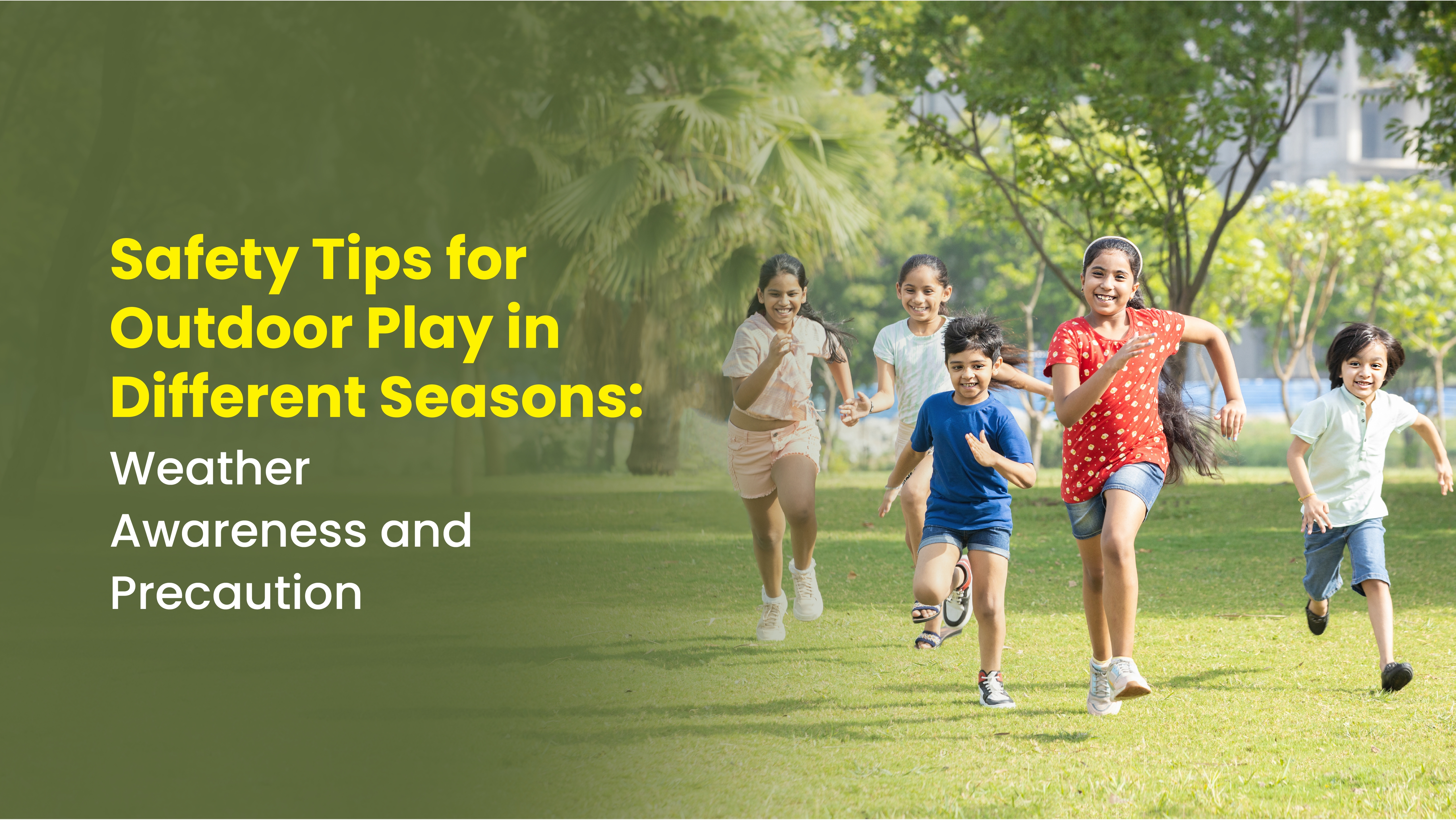
Outdoor play is essential for children's physical and mental well-being, offering countless opportunities for fun and learning. However, each season brings its own set of weather conditions and potential hazards. By being aware of these and taking the necessary precautions, parents can ensure their children enjoy outdoor activities safely all year round. Here are some essential safety tips for outdoor play , focusing on weather awareness and precaution. Let’s look at some Safety Tips for Outdoor Play during the Spring season marked by warmer weather, blooming flowers, longer daylight hours: Spring is a time of renewal, but it can also bring unpredictable weather, including sudden rain showers and fluctuating temperatures. To keep kids safe during outdoor play in spring: 1. Dress in Layers: Spring weather can be unpredictable. Dressing children in layers allows them to adjust to sudden temperature changes. Ensure they have a light jacket or sweater that can be easily removed if it gets warm. 2. Monitor Pollen Levels: Spring is notorious for high pollen levels, which can trigger allergies. Encourage kids to wash their hands and face after playing outside to remove any pollen. 3. Rain Safety: Always check the weather forecast before heading out. If rain is expected, pack waterproof clothing and shoes. Teach kids to avoid playing in or near standing water, as it can be a breeding ground for mosquitoes and other insects. Summer Safety Tips for Outdoor Play Summer offer long days perfect for outdoor adventures, but the heat and sun can pose significant risks. To keep kids safe during outdoor play in summer: 1. Sun Protection: Apply a broad-spectrum sunscreen with at least SPF 30 on your children’s skin 15-30 minutes before they go outside. Reapply every two hours, or more often if they are swimming or sweating. Provide them with hats and sunglasses to protect their face and eyes from harmful UV rays. 2. Hydration: Ensure children drink plenty of water before, during, and after play to stay hydrated. Avoid sugary drinks, which can lead to dehydration. Encourage regular water breaks, especially on hot days. 3. Heat Safety: Schedule outdoor play in the early morning or late afternoon to avoid the peak sun hours (10 a.m. to 4 p.m.). On extremely hot days, opt for indoor activities or play in shaded areas. Let’s look at some Safety Tips for Outdoor Play during the Autumn season, also known as fall, is the temperate season characterised by cooler temperatures, falling leaves, and the harvest of crops Autumn brings cooler temperatures and falling leaves, making it a delightful season for outdoor play. However, certain precautions are still necessary: 1. Proper Clothing: As temperatures drop, ensure children wear appropriate clothing, such as long sleeves, pants, and light jackets. Layers are again useful as they can be adjusted throughout the day. 2. Allergy Management: Fall can also bring seasonal allergies. Parents should be mindful of different types of allergies and follow precautions to minimise exposure. Encourage a healthy diet and regular hygiene checks. Winter Safety Tips for Outdoor Play Winter can be magical, but with the temperatures dropping, parents need to stay alert and follow specific safety measures to keep their kids safe and healthy: 1. Warm Clothing: Dress children in layers, including thermal wear, sweaters, waterproof jackets, hats, gloves, and boots. Ensure that exposed skin is covered to prevent cold-related illnesses. 2. Healthy Diet: As winter sets in, the cold weather brings a unique set of nutritional needs and challenges. It's important to adjust the kids' diet to stay healthy, maintain energy levels, and support the immune system. A well-balanced diet rich in seasonal produce, proteins, and healthy fats can help kids thrive during the colder months. General Weather Awareness and Precautions 1. Weather Alerts: Always check the weather forecast and any alerts before allowing children to play outside. Be aware of impending storms, extreme temperatures, and other weather hazards. 2. First Aid Kit: Keep a first aid kit handy for minor injuries that might occur during outdoor play. Know the basics of first aid and be prepared to handle common outdoor injuries, such as cuts, scrapes, and insect bites. 3. Supervision: Regardless of the season, children should always be supervised during outdoor play. This ensures they stay safe and provides an opportunity to teach them about weather-related precautions. By incorporating these safety tips for outdoor play , parents can help their children enjoy the benefits of being outdoors in any season while minimising risks. Weather awareness and precaution are key to ensuring that outdoor play remains a fun, safe, and enriching experience for kids. Stay informed on the latest updates and expert insights! Join our Telegram channel for valuable content. Join us on Telegram: Narayana Educational Institutions – Official Stay connected, stay informed, and thrive with Narayana Educational Institutions!
08 Jul 2024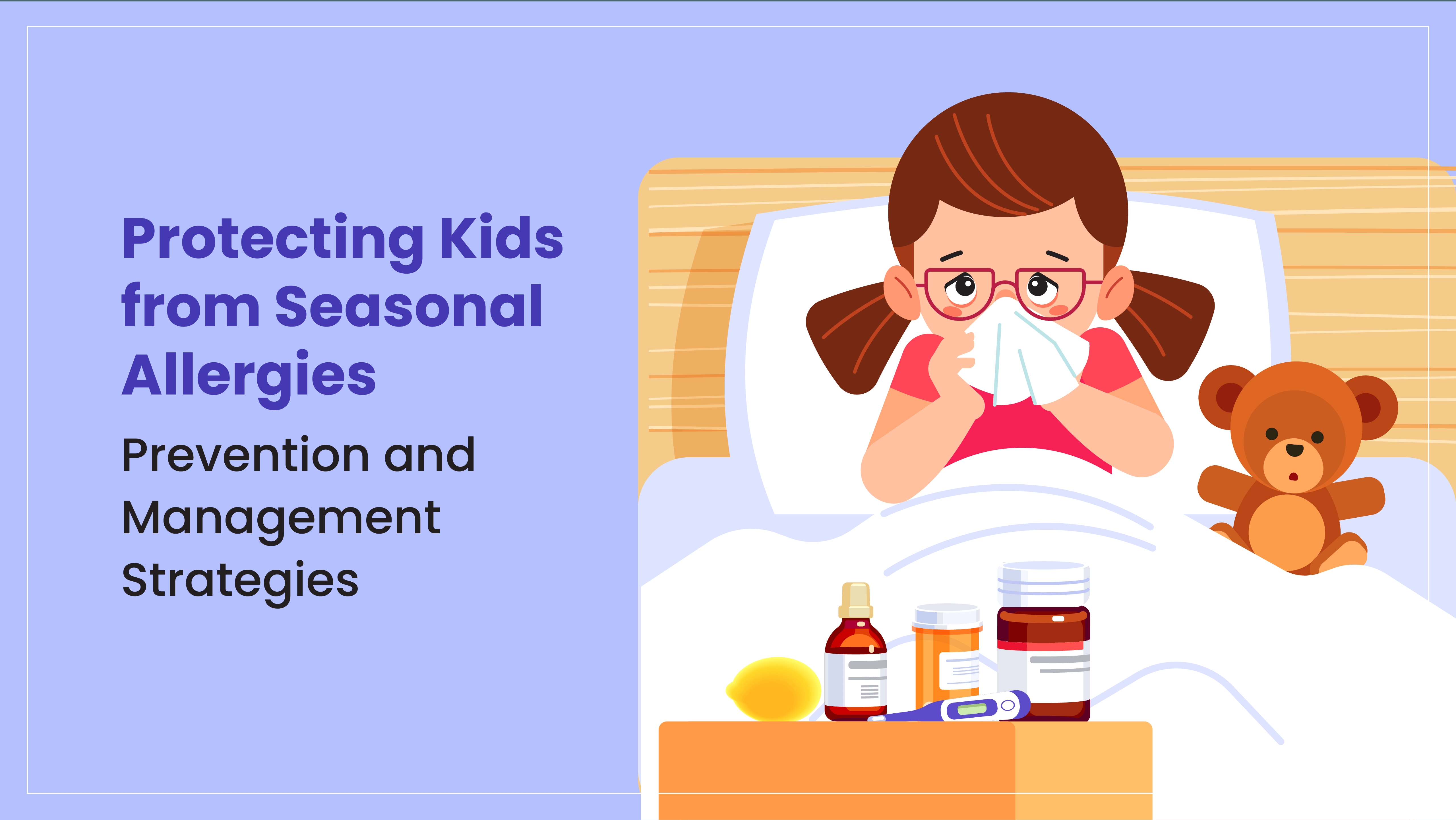 6
Protecting Kids from Seasonal Allergies: Prevention and Management Strategies Monsoon has finally brought in much-needed respite from the unbearable summer heat. However, the onset of monsoon also coincides with the reopening of schools after a long and hearty summer vacation. Monsoon also brings in a lot of seasonal allergies. Seasonal allergies can be a real challenge for kids, turning what should be a time of outdoor fun into a period of discomfort and frustration. Protecting kids from seasonal allergies involves a mix of prevention, symptom management, and environmental control. By understanding the triggers and implementing effective strategies, parents can help their children enjoy the seasons without the constant struggle against allergies. Here are some essential tips and strategies for preventing and managing seasonal allergies in kids . Understanding Seasonal Allergies Seasonal allergies , also known as hay fever or allergic rhinitis, occur when the immune system overreacts to allergens such as pollen from trees, grasses, and weeds. Common symptoms include sneezing, runny or stuffy nose, itchy eyes, and coughing. These symptoms can affect a child's sleep, school performance, and overall quality of life. Knowing what triggers a child's allergies is the first step in protecting them. Prevention Strategies for Managing Seasonal Allergies: 1. Bathing and Changing Clothes: After playing outside, children should take a shower and change into clean clothes to remove any pollen that might have clung to their skin and clothing. This simple step can significantly reduce their exposure to allergens. 2. Maintain Cleanliness: Regularly cleaning the home reduces dust and pollen. Vacuuming carpets and upholstered furniture with a vacuum cleaner that has a HEPA filter, and washing bedding frequently in hot water, eliminates allergens. 3. Consume fresh produce: Avoid pre-packed and processed foods as they contain more fats, sugars, and sodium. Include as many fresh foods as you can—all the colours of different vegetables and fruits keep the child healthy and their digestion good. Stock only nutritious food at home so that kids don’t get their hands on unhealthy snacks. 4. Practice Hygiene: It is extremely important to practice good hand hygiene to ward off germs. Ensure your kids wash their hands thoroughly with soap and water before eating and immediately after they come home from school, playgrounds, or any public places. Encourage them to scrub their hands for at least 20 seconds, covering all parts of their hands, including under the nails. Teach them to avoid touching their face, especially their eyes, nose, and mouth, to minimise the risk of infections. By maintaining these hygiene practices, you help protect your children from various illnesses and keep them healthy. 5. Monitor Pollen Levels: Keeping an eye on local pollen forecasts helps plan outdoor activities. On days with high pollen counts, it is best to keep children indoors, especially during peak pollen times in the morning and early afternoon. Using air purifiers with HEPA ((high efficiency particulate air) filters reduce indoor pollen. Keeping windows closed during high pollen seasons and using air conditioning to filter the air also helps. Regularly changing air filters ensures they are functioning effectively. Reducing Allergy Symptoms: 1. Nasal Irrigation: Using a saline nasal spray or rinse helps clear out pollen from a child's nasal passages. This can be particularly effective in reducing nasal congestion and irritation. 2. Hydration: Encouraging children to drink plenty of water helps. Staying hydrated thins mucus, making it easier for the body to expel allergens. 3. Over-the-Counter Medications: Antihistamines, decongestants, and nasal sprays can help manage symptoms. However, it is important to consult with a paediatrician before giving any medication to ensure it is safe and appropriate for their age and condition. Effective Strategies for Managing Seasonal Allergies: 1. Allergy-Proof the Home: In addition to using air purifiers, investing in hypoallergenic bedding and dust mite covers for mattresses and pillows helps. Reducing exposure to indoor allergens complements efforts to minimize outdoor pollen exposure. 2. Plan Outdoor Activities Wisely: When planning outdoor activities, choosing times when pollen levels are lower, such as late afternoon or after a rain shower, is advisable. These times are typically less problematic for allergy sufferers. 3. Keep Windows Closed During High Pollen Season: While it is tempting to let in fresh air, keeping windows closed during high pollen seasons prevents allergens from entering the home. Using air conditioning to maintain a comfortable temperature is better. Consulting a Specialist: If a child’s allergies are severe or not well-managed with over-the-counter remedies, consulting an allergist may be necessary. Allergy testing can identify specific triggers, allowing for more targeted prevention and treatment strategies. An allergist can also recommend prescription medications or therapies such as allergy shots (immunotherapy) that provide long-term relief. Conclusion Protecting kids from seasonal allergies requires a proactive approach that combines prevention, symptom management, and creating a safe indoor environment. By implementing these strategies, parents significantly reduce their child’s exposure to allergens and help them enjoy the seasons with fewer allergy-related disruptions. Seasonal allergies prevention in kids is an ongoing effort, but with the right tools and knowledge, it is possible to keep symptoms at bay and ensure a better quality of life for the child. Effective strategies for managing seasonal allergies can make a world of difference, allowing children to embrace the joys of each season without the burden of allergies. Stay informed on the latest updates and expert insights! Join our Telegram channel for valuable content. Join us on Telegram: Narayana Educational Institutions – Official Stay connected, stay informed, and thrive with Narayana Educational Institutions!
03 Jul 2024 6
Building emotional intelligence in children is a crucial aspect of their development, laying a foundation for their future well-being and success. Emotional intelligence encompasses the ability to recognise, understand, and manage one's own emotions, as well as empathise with others. Teaching emotional intelligence in early childhood sets the stage for healthier relationships, better academic performance, and improved mental health. Here are nine effective ways to nurture emotional intelligence in children. 1. Model Emotional Intelligence: Children learn a great deal by observing the adults around them. By modeling emotional intelligence, parents and caregivers show children how to handle emotions effectively. Demonstrating empathy, managing stress calmly, and expressing emotions constructively teaches children valuable lessons. When adults practice self-awareness and self-regulation, children learn to mirror these behaviours. 2. Encourage Open Communication: Creating an environment where children feel safe to express their feelings is vital. Encourage open communication by asking children about their day, how they feel, and what they think about various situations. Listening attentively and validating their emotions fosters a sense of trust and security. This practice helps children articulate their feelings and understand that it’s okay to express them. 3. Teach Emotional Vocabulary: Helping children build a robust emotional vocabulary is a key part of teaching emotional intelligence in early childhood. When children can name their emotions, they can better understand and manage them. Use words like happy, sad, frustrated, and excited in daily conversations. Discuss different emotions and relate them to real-life situations to deepen their understanding. 4. Promote Empathy: Empathy is a cornerstone of emotional intelligence. Encourage children to consider others’ perspectives and feelings. Discuss scenarios and ask questions like, "How do you think that made them feel?" Role-playing activities can also be effective in teaching empathy. When children learn to empathise, they build stronger, more compassionate relationships. 5. Practice Problem-Solving Skills: Teaching children how to solve problems on their own enhances their emotional intelligence. When conflicts arise, guide them through the process of identifying the problem, brainstorming solutions, and evaluating the outcomes. This approach not only helps in resolving issues but also teaches children to handle challenges in a constructive manner. 6. Use Books and Stories: Books and stories are powerful tools for teaching emotional intelligence in early childhood. Choose stories that highlight various emotions and social situations. Discuss the characters' feelings and decisions, and ask children what they would do in similar situations. This method helps children understand and process emotions in a relatable context. 7. Encourage Play and Social Interaction: Play is a natural way for children to explore and express their emotions. Through play, children learn to cooperate, share, and navigate social dynamics. Encourage children to express themselves through individual activities as well as activities that require teamwork. Social interactions during playtime are opportunities for children to practice empathy, negotiation, and emotional regulation. 8. Teach Mindfulness and Relaxation Techniques: Mindfulness and relaxation techniques can significantly aid in building emotional intelligence in children . Teach simple mindfulness exercises, such as deep breathing to help children calm themselves and stay present. These techniques equip children with tools to manage stress and emotional overload effectively. 9. Celebrate Emotional Growth: Recognising and celebrating emotional growth reinforces positive behaviour and motivates children to continue developing their emotional intelligence. Praise children when they handle a difficult situation well, show empathy, or manage their emotions effectively. Celebrating these achievements makes children feel valued and encourages them to keep growing emotionally. To sum up, building emotional intelligence in children is a continuous process that requires patience, consistency, and dedication. By integrating these nine strategies into daily life, parents, caregivers, and educators can significantly contribute to teaching emotional intelligence in early childhood . The benefits of nurturing emotional intelligence are profound, leading to happier, healthier, and more resilient children who are well-prepared to navigate the complexities of life. In summary, the power of teaching emotional intelligence in early childhood lies in its ability to foster well-rounded individuals. By modeling emotional intelligence, encouraging open communication, teaching emotional vocabulary, promoting empathy, practising problem-solving, using books and stories, encouraging play, teaching mindfulness, and celebrating emotional growth, we lay a solid foundation for children to thrive emotionally and socially. At Narayana, there is a firm belief in integrating these readiness methods right from the beginning to ensure the child starts off on the right foot, as at Narayana your dreams are our dreams. Stay informed on the latest updates and expert insights! Join our Telegram channel for valuable content. Join us on Telegram: Narayana Educational Institutions – Official Stay connected, stay informed, and thrive with Narayana Educational Institutions!
29 Jun 2024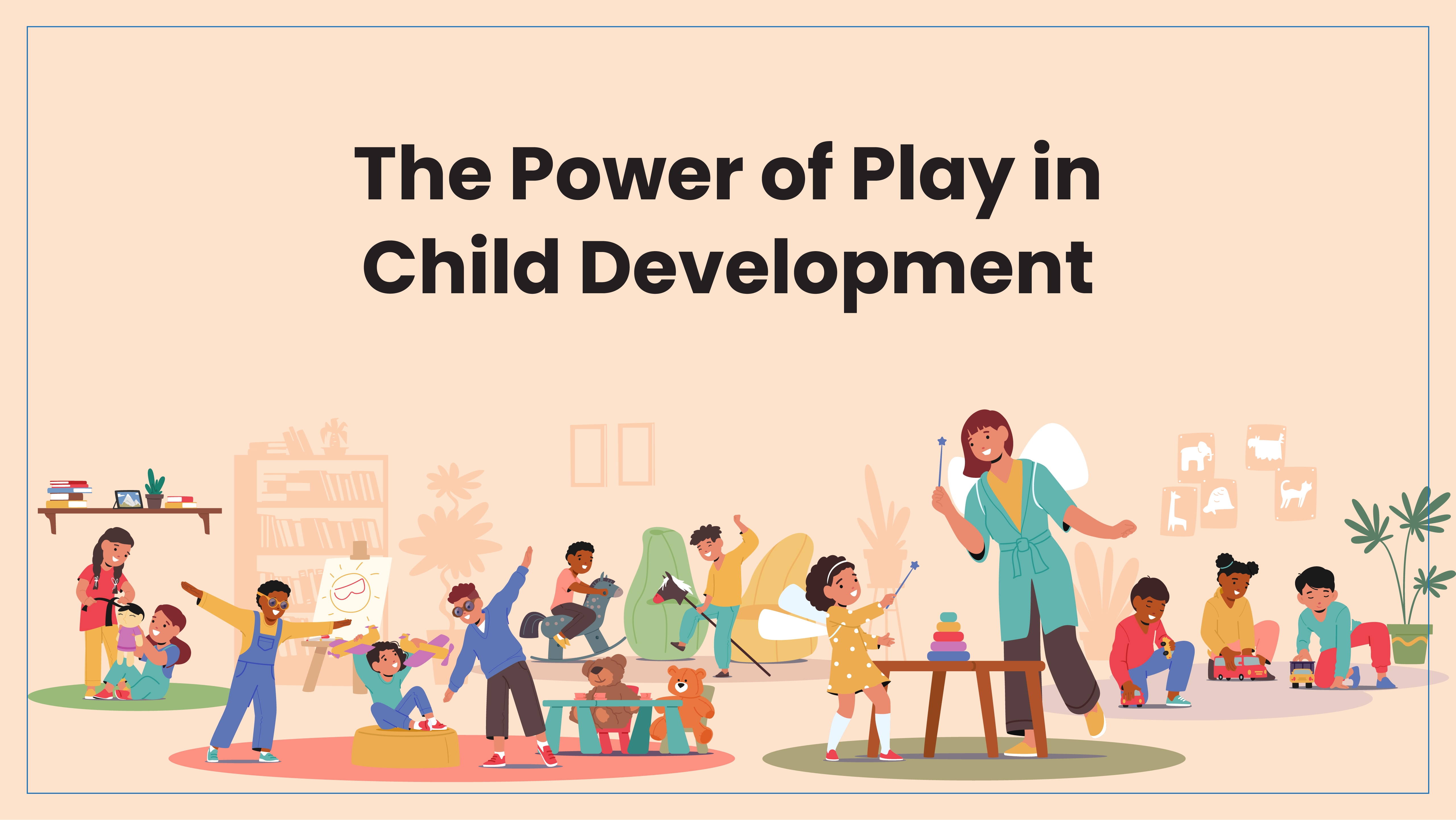 6
In today's fast-paced world, the importance of play in child development is often overlooked. Yet, the power of play cannot be underestimated when it comes to fostering the holistic growth of children. Play is not merely a leisure activity; it is a vital component of healthy development that impacts physical, cognitive, social, and emotional well-being. 1. Cognitive Development: The power of play extends significantly into cognitive development. When children engage in play, they explore their environment, experiment with new ideas, and solve problems. This type of exploration stimulates brain development and enhances cognitive abilities. For instance, building with blocks helps children understand spatial relationships, while playing board games fosters critical thinking and strategic planning. Play also encourages creativity and imagination, allowing children to develop their own narratives and scenarios. 2. Social Development: Play is a cornerstone of social development, teaching children how to interact with others, share, take turns, and resolve conflicts. Through play, children learn about cooperation and teamwork, essential skills for successful social interactions. Group play scenarios, such as playing house or school, allow children to practice social roles and norms, enhancing their understanding of the social world around them. Additionally, play provides opportunities for children to develop empathy and emotional intelligence by understanding the perspectives and feelings of their peers. 3. Emotional Development: The emotional benefits of play are profound. Play allows children to express their emotions in a safe and supportive environment. It helps them cope with stress, process experiences, and build resilience. Through imaginative play, children can explore different scenarios and outcomes, helping them understand and manage their emotions. Play also provides a sense of joy and satisfaction, which is crucial for emotional well-being. 4. Physical Development: Play is fundamental to physical development in children. Through active play, children build and refine their motor skills, coordination, and overall physical fitness. Activities such as running, jumping, climbing, and playing sports help strengthen muscles, enhance balance, and improve cardiovascular health. Moreover, regular physical activity through play reduces the risk of childhood obesity and related health issues, setting the stage for a healthy lifestyle. 5. Play and Language Development: Language development is another area where the power of play is evident. When children engage in play, they often use language to communicate with their peers, negotiate rules, and tell stories. This interaction promotes vocabulary growth, improves conversational skills, and enhances comprehension. Role-playing games, in particular, are beneficial as they encourage children to use complex sentences and expand their linguistic abilities. 6. The Role of Adults in Facilitating Play: Adults play a critical role in facilitating and encouraging play. Parents, caregivers, and educators create environments that stimulate and support various types of play. Providing children with a variety of toys and materials, both structured and unstructured, enhances their play experiences. It is also important for adults to participate in play with children, as this strengthens bonds and provides guidance on social norms and problem-solving techniques. 7. The Importance of Unstructured Play: While structured activities like sports and organised games are beneficial, unstructured play is equally important. Unstructured play is a fundamental necessity for children to thrive physically, emotionally, mentally, and socially, allows children the freedom to explore, imagine, and create at their own pace. This type of play is child-directed and can lead to unique learning experiences. Unstructured play fosters independence, initiative, and the ability to entertain oneself, which are valuable life skills. The power of play in child development is undeniable. Play is not just a frivolous activity; it is a critical component of growth that touches every aspect of a child's development. From physical health to cognitive abilities, social skills, and emotional resilience, play provides a foundation for lifelong learning and well-being. By recognising and promoting the importance of play, we ensure that children grow into well-rounded, healthy, and happy individuals. Stay informed on the latest updates and expert insights! Join our Telegram channel for valuable content. Join us on Telegram: Narayana Educational Institutions – Official Stay connected, stay informed, and thrive with Narayana Educational Institutions!
24 Jun 2024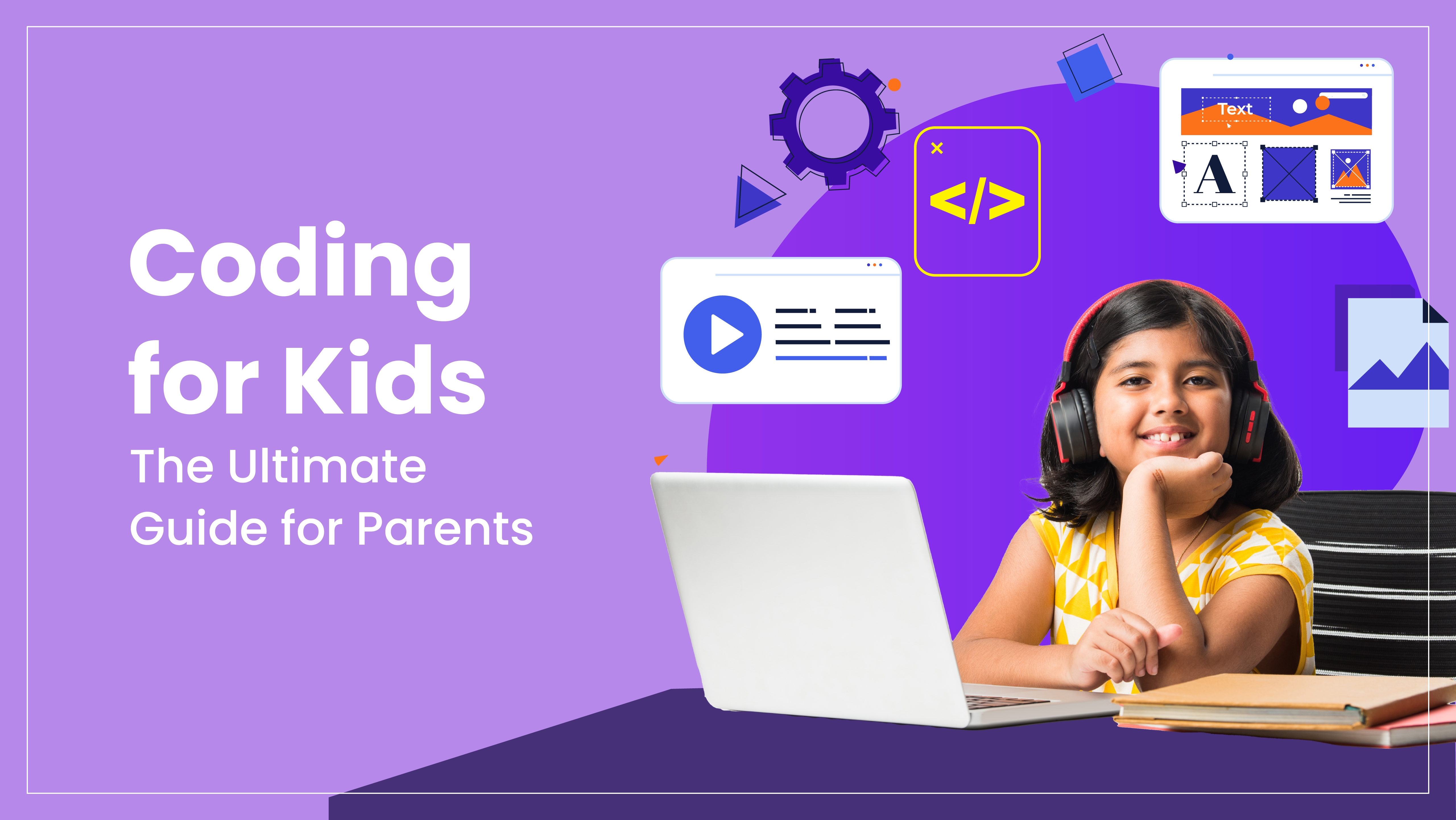 6
The ability to code is becoming more and more important for kids' future accomplishments in the digital era. Computer programming, or coding, is the process of creating sequences of instructions, called programs, that computers follow to perform tasks. It involves designing and implementing algorithms by writing code in one or more programming languages. Coding for kids develops their critical thinking, problem-solving, and creative skills in addition to preparing them for jobs in technology. As a parent, one should take part and support coding for kids to encourage the child to take part in extracurricular activities. Additionally, it can open new doors for them in the future. As a parent, one may wonder how to introduce coding to the child in a fun and engaging way. There are various methods where one can start the learning journey with, and with the advent of online coding for kids , the process has become even easier. In this blog, we explore the benefits of coding for kids and provide practical tips to help support the child's coding journey. Factors to Consider Before Starting Coding for Kids Below are some factors a parent should keep in mind before starting coding for kids from Standard 6th: 1. Understand the Benefits of Programming for Kids: Regardless of their career aspirations, students can gain numerous benefits from learning to code. Children who learn to code develop critical abilities including computational thinking, logical reasoning, and algorithmic problem-solving. Children who learn to code have the chance to design and develop their own projects, games, and apps, which fosters creativity. 2. Begin Early and Keep It Enjoyable: Introducing the child to the world of coding is beneficial at any age. A plethora of coding materials and apps cater especially to young children, using vibrant graphics, interactive exercises, and captivating characters to ensure learning becomes enjoyable. Encourage kids to learn coding by providing them with games, puzzles, and storytelling applications that entertainingly present fundamental coding ideas. Learning coding early helps kids develop problem-solving skills and logical thinking, essential for tackling complex challenges. Additionally, coding knowledge can open up numerous future career opportunities in the rapidly growing tech industry. 3. Choose the Right Coding Tools and Resources: Choosing the right coding tools and resources is crucial for beginners. A parent selects age-appropriate programming languages and platforms that are engaging and educational. They also consider resources that offer step-by-step tutorials, interactive exercises, and supportive communities to enhance the learning experience. 4. Be a Supportive Guide: To assist the child in their coding adventure, one doesn’t have to be an expert coder. Rather, focus on being a helpful mentor who sparks creativity and interest. Ask questions, work through issues, and acknowledge the child's accomplishments as they explore coding together. As they confront difficulties, be understanding and supportive so that they can cultivate a growth mindset. Explore coding with the child by sitting down with them, asking questions, working through issues, and acknowledging their accomplishments as one proceeds. Help them cultivate a growth mindset by being patient with them and encouraging them when they confront obstacles. 5. Focus on Real-World Applications: Showing the child how coding is applied in a variety of businesses and professions will help them understand the practical applications of coding. Introduce them to successful people in the world of coding, such as entrepreneurs, innovators, and computer scientists who have made important contributions to technology. Encourage them to explore various technology-related employment options and consider how they could utilise their coding expertise to improve the world. 6. Encourage Experimentation and Exploration: Since coding for kids is all about experimenting, encourage the youngster to learn about various coding languages like Python. Encourage children to address real-world problems or design their own projects based on their interests to give them the opportunity for hands-on learning. Urge them to play around with programming, make errors, and grow from their mistakes. 7. Foster a Growth Mindset: A growth mindset is the belief that abilities and intelligence can be developed through dedication, hard work, and continuous learning. It emphasises the importance of embracing challenges, learning from failures, and persisting in the face of setbacks. Cultivating a growth mindset encourages individuals to seek out opportunities for self-improvement and to view effort as a path to mastery. When it comes to learning to code and other subjects in general, help the child embrace a growth mindset. Appreciate their effort and development, and encourage them to see obstacles as chances for personal development. This blog provides you with a comprehensive guide on how one can start coding for kids and engage them in the process. Do not wait for the right time to start coding classes; the earlier you start, the better it will be for your child. Coding for kids can help reap several advantages, such as improved critical thinking and problem-solving abilities as well as increased creativity and originality. A parent’s role is essential to encourage the child to code and cultivate a lifelong passion for learning. Stay informed on the latest updates and expert insights! Join our Telegram channel for valuable content. Join us on Telegram: Narayana Educational Institutions – Official Stay connected, stay informed, and thrive with Narayana Educational Institutions!
17 Jun 2024

