

Explore stories and insights
Loading...


 6
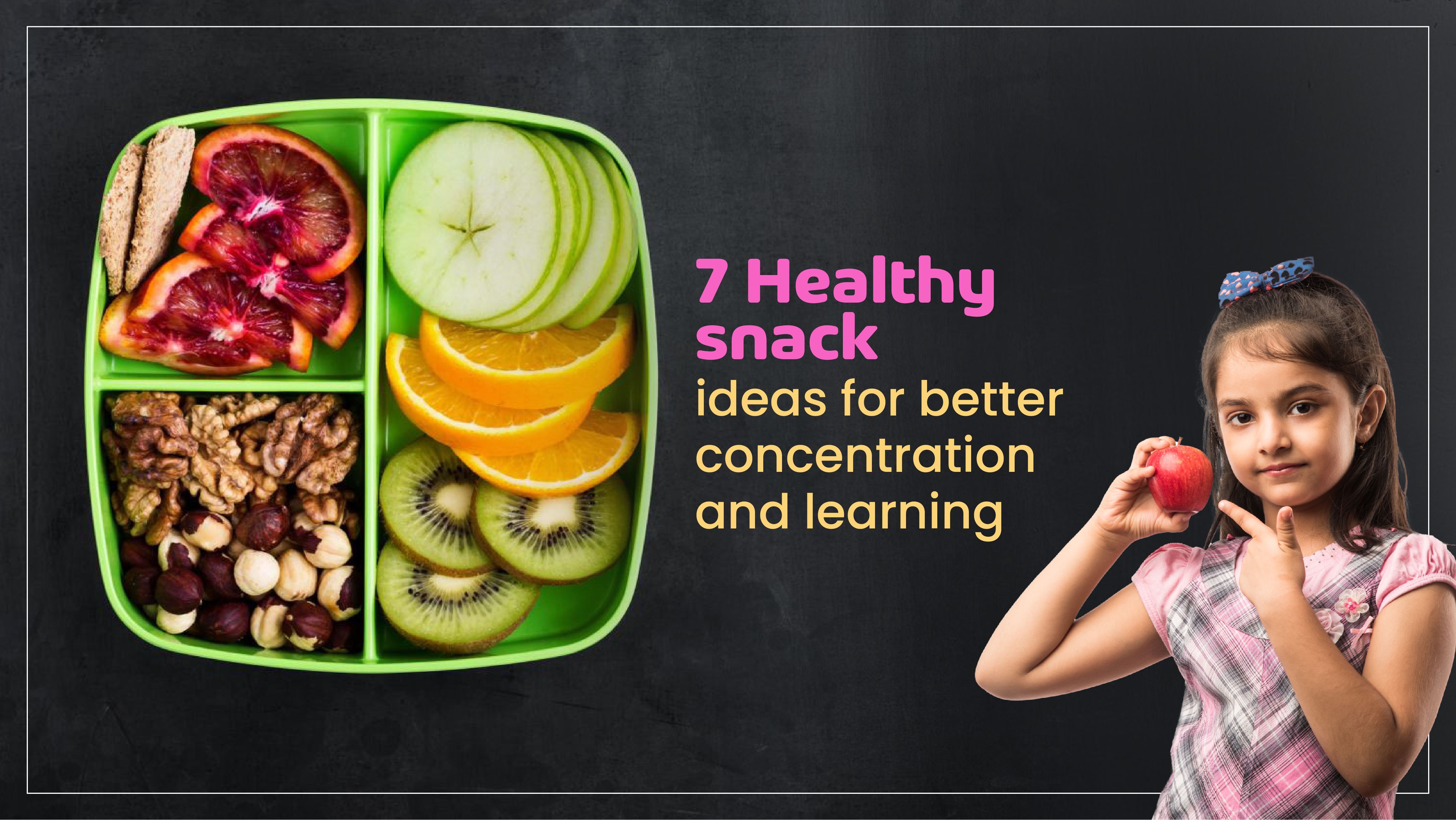
Nutrition plays a crucial role in a child’s ability to focus and excel in learning. Providing kids with healthy snacks can significantly improve their concentration, memory, and overall academic performance. The right balance of nutrients helps to keep their energy levels stable throughout the day, which is essential for better attention and cognitive function. Here are seven healthy snack ideas that promote better concentration and learning. 1. Nuts and Seeds: Nuts like almonds, walnuts, and seeds such as chia and sunflower are packed with healthy fats, protein, and essential nutrients like vitamin E. These nutrients help boost brain function and protect brain cells from oxidative stress. Healthy snacks like a handful of mixed nuts and seeds are perfect for keeping children alert and focused during study time. 2. Fresh Fruits: Fruits like apples, oranges, and berries are rich in vitamins, antioxidants, and natural sugars that provide a quick energy boost. Apples contain quercetin, which is known to improve memory, while berries are loaded with antioxidants that enhance cognitive function. Offering a fruit salad or a smoothie made from fresh fruits is a delicious and healthy snack option for kids during study breaks. 3. Yoghurt with Honey: Yogurt is a great source of probiotics, which support gut health and, in turn, influence brain function. The addition of honey to yoghurt provides natural sweetness and an extra energy boost. Greek yoghurt, in particular, is high in protein, which helps children stay fuller for longer and maintain steady energy levels, making it an excellent healthy snack for improving concentration. 4. Vegetable Sticks with Hummus: Carrot, cucumber, and bell pepper sticks paired with hummus offer a mix of fibre, vitamins, and healthy fats that fuel the brain. Vegetables are rich in vitamins A and C, while hummus is packed with protein and good fats from chickpeas and olive oil. This combination makes for a crunchy and satisfying healthy snack that supports cognitive development and keeps energy levels stable. 5. Oatmeal: Oatmeal is a powerhouse of slow-releasing carbohydrates that keep children’s blood sugar levels steady, providing sustained energy throughout the day. Adding nuts, seeds, or fruits to oatmeal can further boost its nutrient content. A bowl of oatmeal before school or as a mid-morning snack can help children maintain better focus and concentration during lessons. 6. Boiled Eggs: Eggs are an excellent source of protein, choline, and essential vitamins like B12, all of which are critical for brain development. The protein in eggs helps to repair and build brain cells, while choline enhances memory and learning abilities. Including boiled eggs in your child’s healthy snack rotation is a simple yet effective way to improve their concentration and cognitive function. 7. Whole Grain Crackers with Cheese: Whole grain crackers provide fibre and complex carbohydrates, while cheese offers protein and calcium. Together, this healthy snack option stabilises blood sugar levels and prevents energy crashes, helping children stay alert and focused. Cheese also contains tyrosine, an amino acid that stimulates dopamine production, enhancing mood and concentration. Incorporating these healthy snack ideas into your child’s daily routine can help improve their concentration, learning abilities, and overall brain health. Snacks rich in nutrients, healthy fats, and slow-releasing carbohydrates provide sustained energy, which is essential for better academic performance. A well-fed brain is a focused brain, and at Narayana, we are committed to ensuring that children achieve their best because, at Narayana, your dreams are our dreams. Stay informed on the latest updates and expert insights! Join our Telegram channel for valuable content. Join us on Telegram: Narayana Educational Institutions – Official Stay connected, stay informed, and thrive with Narayana Educational Institutions!
 28 Sept 2024
 6
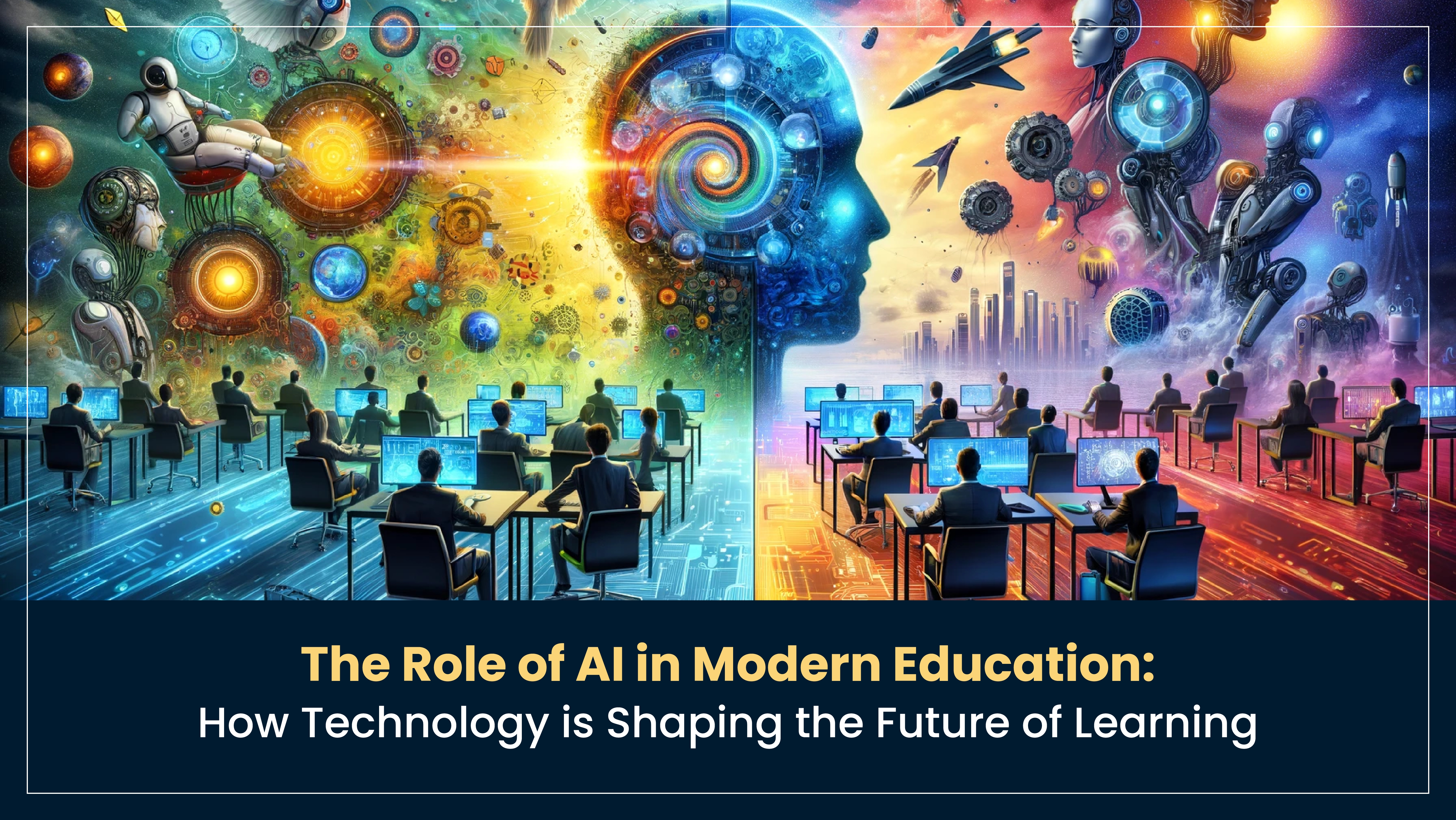
Artificial intelligence (AI) is rapidly transforming various industries, and education is no exception. The integration of AI in education is reshaping the way students learn, how teachers deliver lessons, and how schools manage day-to-day operations. As we move further into the digital age, the role of AI in learning continues to grow, offering personalised learning experiences, smarter content, and more efficient systems. Personalisation through AI One of the most significant impacts of AI technology in schools is its ability to personalise learning for individual students. AI systems can analyse a student’s learning style, pace, and strengths, then create tailored content that caters specifically to their needs. This approach not only helps slower learners catch up but also ensures that advanced students remain engaged by pushing them further. For example, AI-powered tools assess a student's performance in real-time, identifying areas where they struggle. By offering tailored exercises, explanations, or multimedia resources, these AI tools for learning ensure that each student receives the attention and resources they need to succeed. This is a game-changer in the future of education with AI , as it can significantly reduce the dropout rate and improve overall student satisfaction. Enhancing Teacher Efficiency While AI is not here to replace teachers, it is undoubtedly enhancing their roles. By automating administrative tasks such as grading, tracking student progress, and scheduling, AI frees up valuable time for educators. Teachers can then focus on more creative and interactive aspects of teaching, allowing for deeper engagement with students. The impact of artificial intelligence in classrooms extends beyond academics, enabling teachers to spend more time mentoring and guiding students on a personal level. AI also aids in curriculum design. By analysing vast amounts of educational data, AI helps educators identify what works and what doesn’t. This data-driven approach ensures that curricula remain dynamic and up-to-date with the latest educational trends, benefiting both students and teachers alike. AI as a Tool for Lifelong Learning In a fast-paced world where skills become obsolete quickly, AI tools for learning play an essential role in continuous education. Companies are leveraging AI to create platforms that not only educate but also adapt over time. These platforms cater to learners of all ages, offering personalised courses, assessments, and feedback mechanisms. The combination of technology and education ensures that learning is no longer confined to the classroom but is an ongoing process accessible to anyone, anywhere. Moreover, AI-powered systems can predict future job trends and recommend specific learning paths to students based on market demands. This forward-thinking application of AI ensures that students are always learning skills relevant to their future careers, further demonstrating how AI is changing education . Bridging the Gap: AI in Schools Integrating AI technology in schools also addresses gaps in educational access. Virtual classrooms, AI tutoring systems, and intelligent content delivery platforms make education accessible to students in remote or underserved areas. Through AI, even those without access to top-tier schools can receive a high-quality education. This democratisation of learning is one of the key highlights of edtech and AI advancements in recent years. AI-driven platforms are also inclusive, catering to students with disabilities by offering customised learning tools that suit their needs. Whether it’s voice-activated learning for visually impaired students or adaptive tests for students with learning disabilities, AI ensures that no student is left behind. The Future of Education with AI As we look ahead, the future of education with AI promises even more transformative changes. From virtual reality classrooms to AI-driven tutors, the possibilities are endless. Schools will increasingly rely on AI to enhance student learning and streamline administrative tasks, making educational institutions more efficient. The key challenge lies in ensuring that AI complements human intelligence rather than replaces it, creating a balanced and enriched learning environment. Conclusion The impact of artificial intelligence in classrooms is undeniable. From personalised learning to enhanced teacher efficiency, the role of AI in learning is paving the way for a brighter, more accessible future. Narayana leverages AI to enhance education by integrating GPT-4O for instant academic support through a chatbot and is testing AI-driven tools to generate lesson plans and evaluate handwritten answers. These innovations streamline teaching and offer students immediate, constructive feedback. Narayana recognises that as educational technology evolves, AI continues to play a pivotal role in shaping the education landscape and the dreams of many students, because at Narayana, your dreams are our dreams. Stay informed on the latest updates and expert insights! Join our Telegram channel for valuable content. Join us on Telegram: Narayana Educational Institutions – Official Stay connected, stay informed, and thrive with Narayana Educational Institutions!
26 Sept 2024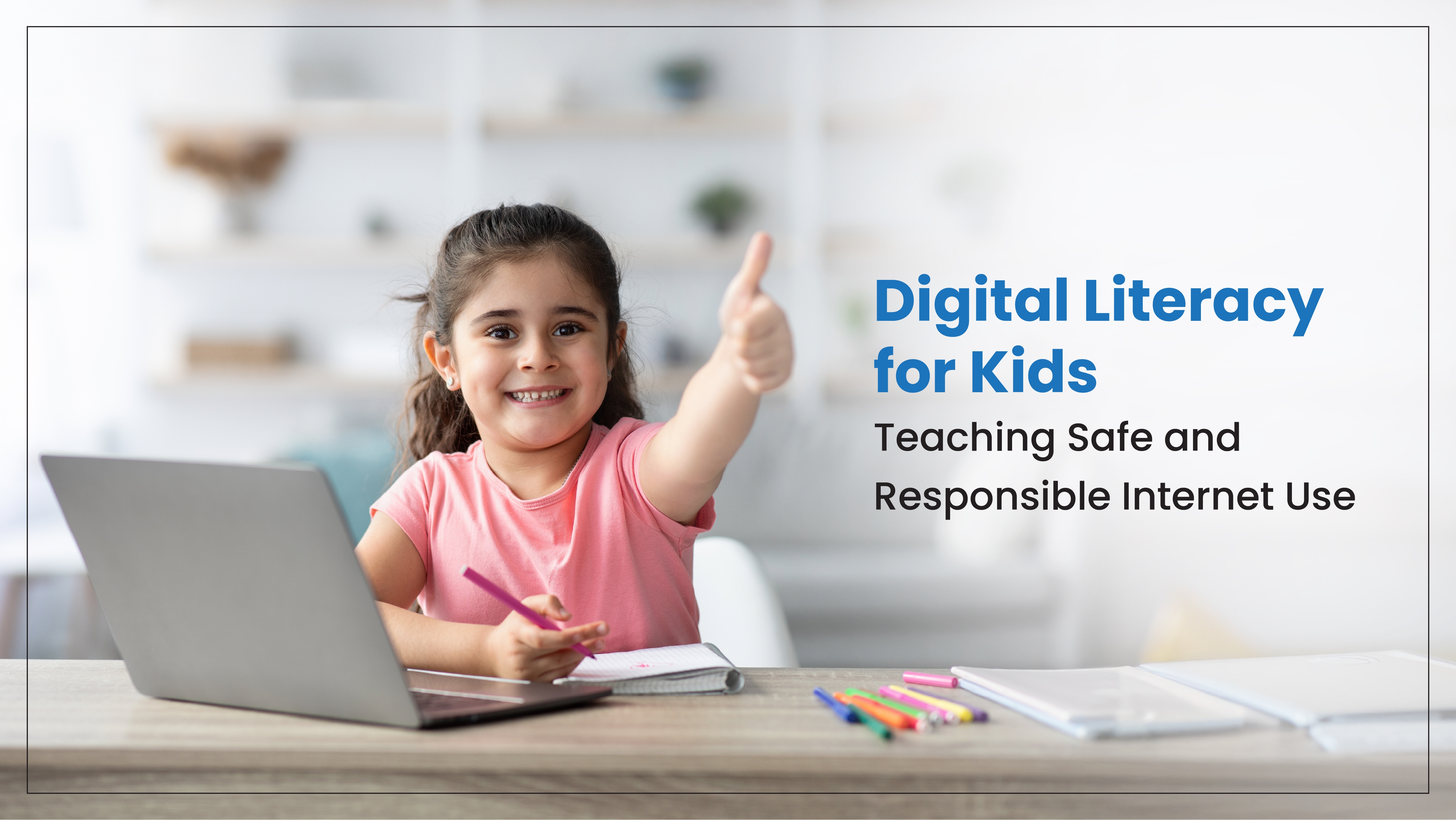 6
In today’s digital age, teaching digital literacy to kids is essential. With children having more access to the internet, it becomes crucial for them to understand how to navigate this vast space safely and responsibly. While the internet offers endless opportunities for learning and creativity, it also comes with risks that children should be aware of. Parents and teachers must focus on instilling responsible habits to ensure that kids can make the most of their online experience while staying safe. Here are 8 important aspects of teaching safe and responsible internet use for kids: 1. Understanding Online Privacy: The first step towards responsible internet use is teaching kids the importance of online privacy. Children should know not to share personal information like their home address, phone number, or school details with strangers online. Setting strict privacy settings on social media and games is also essential. 2. Recognising Safe Websites: Children should be guided on how to identify secure and reliable websites. Educating them about the significance of secure URLs (those beginning with "https") and recognising trustworthy platforms can help them avoid unsafe content. 3. Avoiding Online Scams: Kids must be aware of online scams , including phishing and deceptive ads that ask for personal information. Teaching them to be cautious when clicking on unfamiliar links or pop-up ads can prevent potential security breaches. 4. Cyberbullying Awareness: Digital literacy for kids also includes understanding the risks of cyberbullying. Kids should know how to recognise bullying behaviour and be encouraged to speak up if they are targeted or witness cyberbullying. Parents and teachers should create open communication channels to discuss any incidents. 5. Balancing Screen Time: An important part of responsible internet use is maintaining a healthy balance between online activities and other aspects of life. Children should be taught to manage their screen time effectively, ensuring they engage in physical activities, studies, and social interactions outside the digital world. 6. Developing Critical Thinking Skills: To ensure safe browsing, children need to develop critical thinking skills that allow them to evaluate the information they encounter online. They should be taught how to differentiate between credible and false information and how to question the authenticity of online content. 7. Creating Strong Passwords: A key element of safe internet use is teaching kids to create strong, unique passwords. They should understand the importance of using a mix of letters, numbers, and symbols, and avoid sharing their passwords with friends or anyone outside their trusted circle. 8. Parental Controls and Monitoring: Parents play a vital role in ensuring safe and responsible internet use . Installing parental controls and monitoring online activities can provide a safe digital environment. Regular conversations with children about the content they consume will help create a safer internet experience. In a world dominated by digital interactions, teaching kids the importance of digital literacy and safe internet practices is non-negotiable. By fostering these skills, children will not only stay protected but also develop the knowledge and critical thinking necessary to thrive in the digital space. Stay informed on the latest updates and expert insights! Join our Telegram channel for valuable content. Join us on Telegram: Narayana Educational Institutions – Official Stay connected, stay informed, and thrive with Narayana Educational Institutions!
19 Sept 2024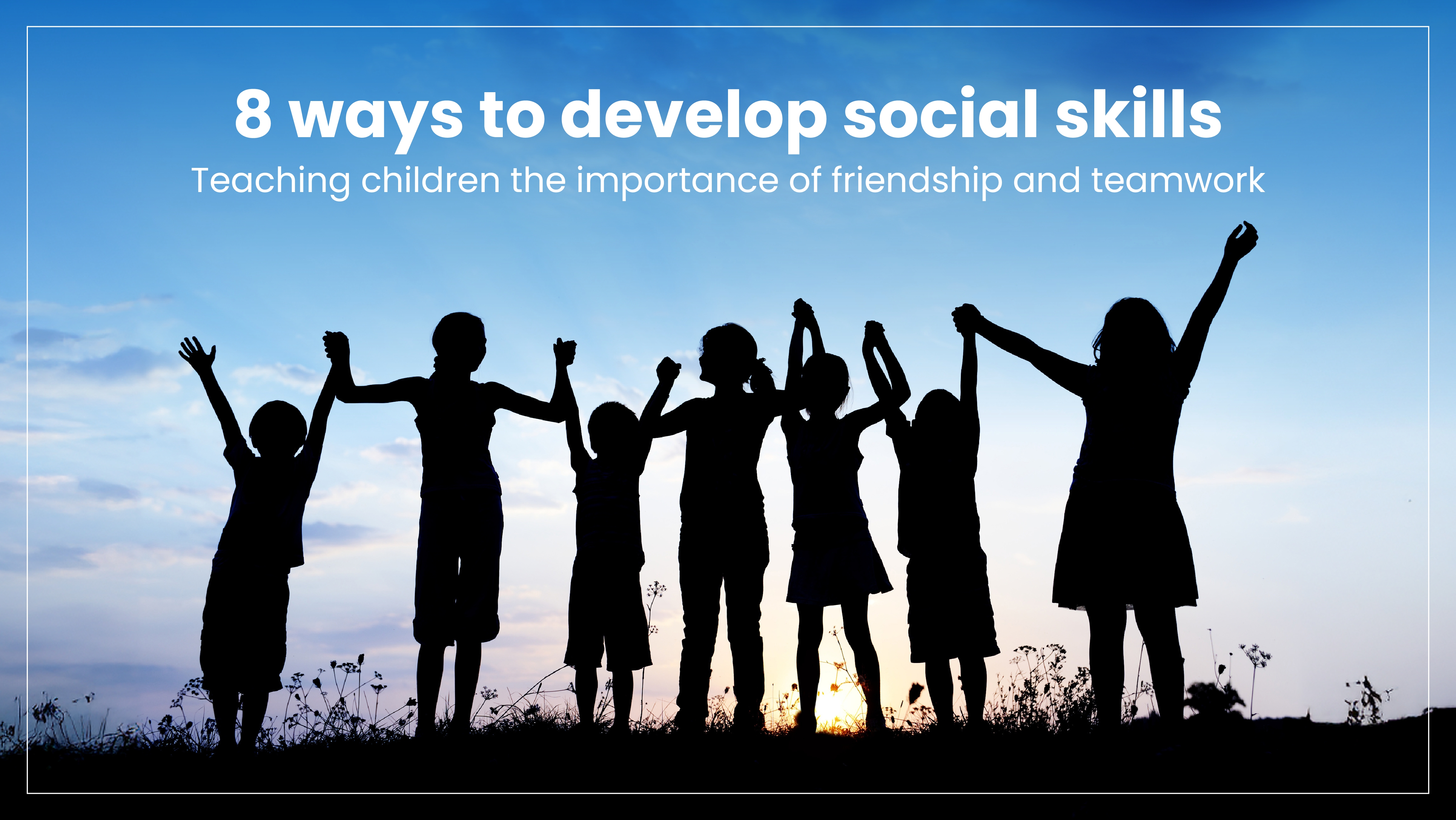 6
In today’s world, developing social skills in children is vital for their growth and success. While academics often take centre stage, the importance of friendship and teamwork should not be overlooked. These social skills form the foundation of a child’s emotional and mental well-being. Learning to interact positively, collaborate, and build strong friendships greatly influences a child’s ability to thrive, both in school and in life. Why Social Skills Matter: The development of social skills is crucial as children grow. These abilities enhance their communication, build self-esteem, and foster emotional intelligence. When children understand the value of teamwork and cultivate meaningful friendships, they are better prepared to face challenges. Whether in academic settings or future professional environments, working well with others significantly impacts a child’s future success. Let’s look at 8 ways to help develop social skills in children: 1. Encouraging Early Social Interaction: From an early age, children benefit from being exposed to social environments. Playdates, group activities, and team sports help develop social skills by encouraging interaction and collaboration with peers. 2. Teaching Empathy: Empathy is at the core of friendship and teamwork. Parents and teachers can guide children in understanding the emotions of others by encouraging open conversations about feelings and experiences. 3. Promoting Positive Communication: Effective communication is a key component of successful relationships. By teaching children how to express themselves clearly and listen attentively, they become better equipped for both personal and professional interactions later in life. 4. Fostering Healthy Friendships: Children naturally form bonds, but helping them understand the importance of loyalty, kindness, and patience helps develop meaningful and lasting friendships. Encouraging them to resolve conflicts peacefully is also important for maintaining strong relationships. 5. Modelling Teamwork: Parents and teachers should model good teamwork by demonstrating cooperation in daily activities. Children who witness adults collaborating and working towards common goals are more likely to replicate these behaviours. 6. Engaging in Group Activities: Group projects and team-based activities, such as sports or school assignments, teach children the value of working together. These activities encourage teamwork and improve problem-solving and critical-thinking skills. 7. Building Self-Esteem through Achievement: When children feel confident in their abilities, they are more likely to engage positively with others. Acknowledging their successes in group settings reinforces their sense of belonging and encourages them to contribute to future team efforts. 8. Reinforcing Social Skills at Home: While schools like Narayana offer structured opportunities for teamwork and friendship development, these values must also be nurtured at home. Parents can reinforce these lessons by encouraging participation in clubs, sports, and other social activities. At Narayana Schools, we place a strong emphasis on fostering friendships and encouraging teamwork through collaborative learning. Our classrooms and activities are designed to promote inclusivity, respect, and cooperation. By teaching children how to work together, we help them develop essential life skills that will serve them well into adulthood. Developing social skills such as friendship and teamwork is crucial for a child’s overall growth. These skills shape how children interact with others and contribute to their long-term success and happiness. At Narayana, we are dedicated to helping children build strong relationships and work collaboratively so that they can confidently chase their dreams, because at Narayana, your dreams are our dreams. Stay informed on the latest updates and expert insights! Join our Telegram channel for valuable content. Join us on Telegram: Narayana Educational Institutions – Official Stay connected, stay informed, and thrive with Narayana Educational Institutions!
17 Sept 2024 6
Every child is unique, and so is the way they absorb and process information. Understanding learning styles plays a vital role in tailoring a child’s education to meet their specific needs. The traditional one-size-fits-all approach to learning may not suit every child, and as a parent or teacher, recognising a child's learning preferences can help them thrive academically. What Are Learning Styles? Learning styles refer to the different ways individuals process, comprehend, and retain information. There are three primary types: visual, auditory, and kinaesthetic. Identifying a child’s preferred learning style can help one tailor their education, ensuring they engage effectively with their studies. Visual Learners Visual learners process information best when it is presented graphically, such as charts, diagrams, or videos. They retain information better when they see it in front of them. How to Support Visual Learners: Use colour-coded notes to organise information. Incorporate diagrams, images, and charts. Encourage the use of videos and infographics to explain concepts. Allow them to visualise ideas by drawing or creating mind maps. Auditory Learners Auditory learners absorb information through sound. They excel by listening to lectures, discussions, or audiobooks and often enjoy group discussions. How to Support Auditory Learners: Engage in discussions about their learning. Read aloud or encourage verbal summaries of topics. Use mnemonic devices or songs for memorisation. Encourage the use of podcasts or audiobooks. Kinaesthetic Learners Kinaesthetic learners prefer hands-on activities. They find it challenging to sit still for long and benefit from practical experiences like experiments or building models. How to Support Kinaesthetic Learners: Incorporate movement into learning, such as role-playing or building projects. Use real-world objects to teach abstract concepts. Engage in educational games or activities that require physical involvement. Break up study sessions with short, active breaks. Why Understanding Learning Styles Matters Understanding child’s learning styles is essential for improving their educational experience. Customising learning approaches according to their preferences boosts engagement, confidence, and motivation. When children feel understood and supported, they are more likely to succeed academically and develop a love for learning. Adapting to Multiple Learning Styles While most children have a dominant learning style, they often benefit from a combination of approaches. Adapting education to incorporate different learning styles ensures a well-rounded learning experience. For instance, use visual aids for complex topics, auditory methods for language learning, and kinesthetic activities for hands-on subjects. Conclusion Understanding learning styles is key to tailoring children’s education and setting them on a path to success. Whether the child is a visual, auditory, or kinesthetic learner , recognising their strengths allows one to create a more engaging learning environment. By adapting to their needs, one not only helps them achieve academic success but also fosters a lifelong love for learning. Stay informed on the latest updates and expert insights! Join our Telegram channel for valuable content. Join us on Telegram: Narayana Educational Institutions – Official Stay connected, stay informed, and thrive with Narayana Educational Institutions!
14 Sept 2024 6
Utilising children's playtime is one of the most effective and creative ways to teach them new skills, including learning new words or a language. Parents play a pivotal role in this process, from nurturing their newborn’s speech to guiding children in developing effective communication skills. Today, various teaching tools and resources for learning languages are available online to boost children's growth and create a positive mindset. This blog outlines some of the best language learning resources and activities that support linguistic development. Milestones in Language Learning Before diving into language lesson activities and resources, it's essential to understand the milestones children experience in language learning: Pre-linguistic (0-12 months): Communicates primarily through crying and babbling, recognising caregivers' voices. Holophrastic (12-18 months): Utters simple words and sentences. Telegraphic (18-24 months): Forms rudimentary sentences using two or more words. Language Explosion (24-36 months): Expands vocabulary and creates complex sentences. Grammar Development (3-5 years): Learned to use articles, verbs, prepositions, and adjectives. Mastery (5+ years): Achieves a strong command of the native language, conversing with ease. Language Lesson Activities Parents can employ various language lesson activities to enhance their children's language skills: Responsive Communication: Engaging in two-way communication is crucial for introducing new words and motivating children to continue conversing. Responding to babies' cues helps them feel secure, accelerating their language-learning process. Watching Movies with Subtitles: Subtitled films benefit preschoolers, as they hear spoken words while reading the text on the screen, improving comprehension, grammar, vocabulary, and pronunciation. Discuss and Debate: Engaging in conversations or debates in the target language is an excellent activity for school-age children. It helps reinforce their existing linguistic knowledge. Reading Aloud: Reading aloud exposes children to new vocabulary and concepts. Incorporating reading into daily routines, with age-appropriate books, can significantly enhance language abilities. Fill in the Blanks: This activity involves completing sentences by finding the right words. It tests listening, reading, and writing skills, allowing children to apply what they have learned in language lessons. Best Language Learning Resources The digital world offers thousands of free online language learning resources for children. Here are some of the top resources available: Duolingo ABC: Whether children are in pre-KG, preschool, kindergarten, or 1st grade, Duolingo ABC caters to them all. It offers charming stories with captivating illustrations designed to encourage and assist children during their language-learning journey. Study Cat: With catchy illustrations and a vast array of worksheets, Study Cat is another virtual resource that maximises a child's language learning adventure. It supports children in acquiring new words with every swipe and helps develop their multisensory learning abilities, enabling them to read independently. Language serves as a window to get a sneak peek of different cultures. Acquiring a new language equips children with more than just skills; it provides a profound understanding of another culture's perspectives, heritage, and lifestyle. The above-mentioned activities and resources can be employed to improve children's linguistic skills. Stay informed on the latest updates and expert insights! Join our Telegram channel for valuable content. Join us on Telegram: Narayana Educational Institutions – Official Stay connected, stay informed, and thrive with Narayana Educational Institutions!
12 Sept 2024

