

Explore stories and insights
Loading...



 6
Festivals are the essence of Indian culture, and the festive season is when the nation comes together, embracing unity. In schools, festivals provide students with more than just a break from routine—they offer opportunities for personal growth, creativity, and cultural understanding. Among India's most celebrated festivals, Diwali stands out, symbolising the triumph of good over evil. Diwali celebration in school helps instil values and develop analytical abilities in children, making these celebrations both educational and joyful. Why Do Schools Celebrate Diwali? The importance of educational activities and cultural significance during these festivals is paramount in fostering a sense of togetherness among students. By celebrating Diwali in schools, educators enrich students’ understanding of heritage, values, and history, while also sparking their creativity and imagination. Below are some of the key benefits of these festivities: Learning History and Mythology : Festivals provide a perfect platform to teach students about Indian mythology and history. Through engaging activities, children learn about the stories of Lord Rama’s victory over Ravana and his return to Ayodhya, gaining deeper insights into Dussehra and Diwali . Developing Social Skills : As symbols of good morals, courage, truth, and victory over evil, these festivals promote collaborative skills and respect for diversity. Diwali celebrations in school teach children to work together, share ideas, and appreciate different cultures. Strengthening Community Bonds : These celebrations bring students closer, creating a sense of unity. As children engage in group activities, they develop empathy, emotional intelligence, and a greater sense of belonging within their community. How does Narayana celebrate Diwali? At Narayana, we celebrate Diwali with a blend of cultural and creative activities, ensuring students experience the richness of Indian traditions while enhancing their learning. Our celebrations are designed to instil pride in Indian culture and foster community among students and teachers. 1. Hand-crafting Greeting Cards: Students hand-craft Diwali greeting cards to express their festive spirit, creating thoughtful messages for family and friends. This activity enhances creativity and strengthens social connections. 2. Fancy Dress Competitions: We organise themed fancy dress competitions where students portray Diwali characters or dress in the festival’s vibrant colours. This not only sparks creativity but also deepens their understanding of the festival’s significance. 3. Making Rangoli: Rangoli-making is a key part of our Diwali celebration. Students and teachers collaborate to design vibrant Rangoli patterns, promoting artistic expression and teamwork while celebrating the tradition. Additionally, Narayana also integrates lessons on the significance of various Indian festivals, this encourages students to understand the cultural and economic importance of festivals, instilling a deeper appreciation for Indian heritage. Final Thoughts Incorporating Diwali celebrations in school is a wonderful way to create a joyful, educational environment that teaches children about culture, values, and community. At Narayana, we foster creativity, unity, and a deeper appreciation for India's rich traditions through unique cultural activities. Students actively engage in performing skits, making effigies, and creating Rangoli, encouraging a hands-on celebration of our heritage. These festivals bring students together, allowing them to learn and celebrate in harmony, while also shaping their character for the future.
 21 Oct 20246
Parents and teachers represent the strongest advocates for a child's growth. Connecting school and home builds a supportive community where budding learners thrive. A parent-teacher meeting acts as an open platform to assess whether children are progressing well at school. While this meeting plays a vital role in understanding a child's qualities, it can often feel stressful. Parents seek detailed insights into their children's progress, while teachers strive to convey key elements about their teaching methods and the child's performance. All this must be completed within a limited time frame of 15-20 minutes per student. This is where this parent-teacher meeting guide becomes invaluable. It prepares parents with techniques and essential questions to ask during a parent-teacher meeting to make the most of the session. Ready to cover everything for the next PTM? Let's dive in. Goals of a Parent-Teacher Meeting Before jumping into the discussion, it is important to grasp all the points to discuss in a parent-teacher meeting . This not only helps in framing better questions but also fosters a collaborative atmosphere. Parent-teacher meetings aim to: Elevate Communication : The PTM opens constructive communication channels between parents and teachers. Address Concerns : It provides a perfect setting to address concerns about a child's social or academic performance. Find Solutions : PTMs help teachers and parents coordinate to solve educational or behavioural challenges. Set Goals : The meetings shared long-term academic goals for a child’s development. How to Prepare for a Parent-Teacher Meeting? As a parent, one can follow these steps for a successful and fruitful PTM: Keep Relevant Materials Ready : Collect all necessary documents such as health records, test scores, and report cards to bring to the PTM. These materials help improve communication. Discuss with Your Child : Ensure your child knows the purpose of the meeting, whether it is a routine check or about a specific issue. Find out if they have any concerns about their schoolwork or classmates. Review the Notes: Familiarise yourself with your child's handbook to be aware of any notes on attendance or behaviour. This can help anticipate questions from teachers. Check Homework Assignments : Be aware of your child's homework to gauge their performance. Note if they complete assignments regularly and understand them well. Prepare to Collaborate : Teachers may share negative feedback to help a child improve, not to criticise. Be open to discussing solutions and expressing your concern for your child’s success. Offering further discussions can help resolve issues. Prepare Questions : Have a list of questions to ask during a parent-teacher meeting to navigate the session smoothly. Some essential questions are listed below. Top Questions to Ask During a Parent-Teacher Meeting Here’s a selection of important questions to consider. For more helpful questions, see our blog on 7 Kinds of Questions Frequently Asked in a Parent-Teacher Meeting . What specific areas can my child improve academically? Which subjects does my child struggle with, excel in, and enjoy the most? Is my child managing to keep up with the school curriculum? What strategies can we implement to address any academic weaknesses? Does my child actively participate in classroom and group activities? Does my child face issues in sharing belongings with classmates? How do you handle bullying and conflicts among students? Final Thoughts This detailed guide to navigating a productive parent-teacher meeting equips parents with all the necessary tools. Parent-teacher meetings play a crucial role in ensuring a child’s overall success. Research shows that parents and teachers collaborate, and students perform better academically. A positive PTM fosters a child’s positive self-image and attitudes toward school. At Narayana, we take such initiatives very seriously and keep updating parents in real time about the overall development of the students to ensure they reach their full potential—because at Narayana, your dreams are our dreams. Stay informed on the latest updates and expert insights! Join our Telegram channel for valuable content. Join us on Telegram: Narayana Educational Institutions – Official Stay connected, stay informed, and thrive with Narayana Educational Institutions!
17 Oct 20246Emotional intelligence in children is a vital aspect of their overall development. It equips them to understand, express, and manage their emotions effectively, fostering better interpersonal relationships and resilience in facing challenges. As society becomes more complex, the importance of emotional intelligence cannot be overstated. Children who develop this skill set are more likely to succeed academically, socially, and personally. Why Emotional Intelligence Matters Emotional intelligence is the foundation of a child's ability to navigate the social world successfully. It helps them understand their feelings as well as the emotions of others, promoting empathy and effective communication. This, in turn, reduces the likelihood of conflicts and enhances cooperation and teamwork among peers. The importance of emotional intelligence lies in its ability to help children manage stress, build self-confidence, and make responsible decisions. Research shows that children with high emotional intelligence tend to perform better in school, have healthier relationships, and possess a stronger sense of well-being. It also serves as a protective factor against mental health issues such as anxiety and depression. By focusing on building emotional intelligence , we enable children to grow into well-rounded individuals who can face life's challenges with resilience and grace. How to Build Emotional Intelligence in Children 1. Encourage Emotional Expression - One of the first steps in building emotional intelligence in children is encouraging them to express their feelings openly and appropriately. Parents and teachers should create a safe environment where children feel comfortable sharing their emotions. Simple practices like naming emotions, discussing feelings after events, and using storytelling to explore different emotional scenarios can significantly enhance a child's emotional vocabulary. 2. Model Emotional Regulation - Children learn a lot by observing adults around them. Therefore, it's crucial for parents and educators to model healthy emotional regulation. Demonstrating how to stay calm in stressful situations, using positive language, and practising mindfulness can teach children valuable strategies to manage their emotions. This observational learning is a powerful tool in building emotional intelligence in children. 3. Teach Empathy - Empathy is a core component of emotional intelligence. Teaching children to recognise and understand others' emotions helps them develop empathy. Activities such as role-playing, reading stories with diverse characters, and discussing various perspectives can nurture this skill. When children learn to see the world from others' viewpoints, they become more compassionate and considerate. 4. Encourage Problem-Solving and Conflict Resolution - Helping children develop problem-solving and conflict resolution skills is essential in building emotional intelligence . Encouraging them to think through possible solutions to problems, discuss the consequences of their actions, and resolve conflicts amicably fosters critical thinking and emotional resilience. By guiding children to approach problems calmly and constructively, we empower them to handle challenging situations effectively. 5. Promote Positive Self-Talk - Teaching children to use positive self-talk can significantly influence their emotional well-being. Encouraging them to replace negative thoughts with positive affirmations builds self-esteem and confidence. This practice not only enhances their emotional intelligence but also equips them with the tools to handle failures and setbacks. 6. Use Supportive Tools and Resources - Incorporating activities like mindfulness, yoga, and social-emotional learning programs can be highly beneficial in building emotional intelligence . Schools and parents can utilise various resources, including books, games, and apps designed to promote emotional learning. Engaging children in such activities helps them develop self-awareness, emotional regulation, and social skills. Conclusion The importance of emotional intelligence in children is profound. It not only supports their academic success but also enhances their overall well-being. By focusing on building emotional intelligence through strategies like encouraging emotional expression, modelling emotional regulation, teaching empathy, and promoting positive self-talk, we can help children develop into emotionally and socially competent individuals. At Narayana, we help students become emotionally, mentally, and physically strong through various supports such as sports, Disha, and Yoga Veekshan to help them achieve their full potential because, at Narayana, your dreams are our dreams . Stay informed on the latest updates and expert insights! Join our Telegram channel for valuable content. Join us on Telegram: Narayana Educational Institutions – Official Stay connected, stay informed, and thrive with Narayana Educational Institutions!
05 Oct 2024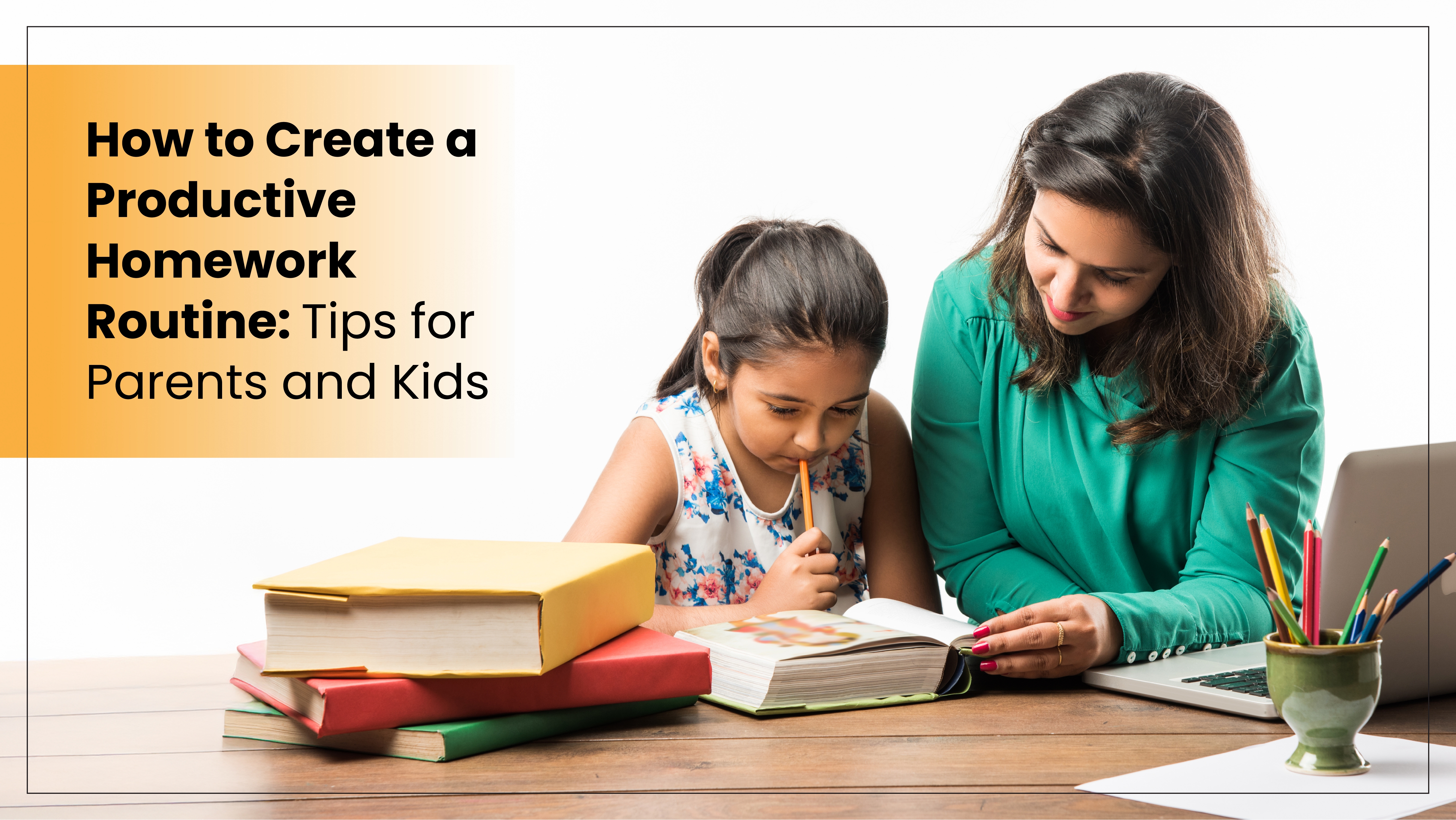 6
Establishing a productive homework routine is essential for academic success and the overall development of children. A structured approach to homework reinforces learning and helps build self-discipline, time management skills, and a sense of responsibility. Parents play a crucial role in guiding their children to develop effective homework habits. By implementing practical strategies, parents and kids can create a positive and efficient study environment. Here are some valuable homework tips for parents and strategies for kids to foster a productive homework routine. 1. Set a Consistent Schedule - One of the most effective ways to establish a productive homework routine is by setting a consistent schedule. Designate a specific time each day for homework and stick to it. This helps children understand that homework is a priority and prevents procrastination. Parents should consider their child's natural rhythm and energy levels, choosing a time when they are most alert and focused. A consistent routine reduces the chances of last-minute rushes and helps children manage their time better. 2. Create a Dedicated Study Space - A well-organised study space is a key component of an effective productive homework routine . Choose a quiet, well-lit area that is free from distractions such as television, mobile phones, and noise. Ensure that all necessary materials, including books, stationery, and a comfortable chair, are readily available. A dedicated study space signals to the child that it is time to concentrate and can significantly improve focus and productivity. 3. Encourage Short Breaks - While it's important to maintain a steady flow of studying, regular breaks are essential for sustaining productivity. Encourage children to take short breaks of about 5-10 minutes after every 25-30 minutes of focused study. This aligns with the Pomodoro technique, which can help prevent burnout and maintain a high level of concentration. Parents can use break times for light physical activities or a quick snack to refresh their minds. 4. Use Positive Reinforcement - Positive reinforcement is a powerful tool in establishing a productive homework routine . Praise and reward your child for completing tasks on time and for putting in their best effort. Rewards don't have to be extravagant; a simple word of encouragement, a favourite snack, or extra playtime can be motivating. Positive reinforcement helps build confidence and makes the homework routine more enjoyable. 5. Teach Time Management Skills - Teaching time management is crucial for an effective homework routine . Help children break down larger assignments into smaller, more manageable tasks, and set specific deadlines for each. Using planners or to-do lists can aid in tracking their progress and ensuring they meet deadlines. This skill not only helps with homework but also prepares children for future academic and professional responsibilities. 6. Be Available for Support - Parents should be available to offer guidance and support but avoid taking over the homework entirely. Offer help when needed, but encourage children to think critically and solve problems on their own. This promotes independence and problem-solving skills. Being present and showing interest in your child's work can also be a significant morale booster. 7. Stay Informed and Communicate with Teachers - Maintaining open communication with teachers is an essential homework tip for parents . Understanding the expectations and requirements of different subjects helps parents provide better support at home. Regular communication with teachers can also highlight areas where a child may need additional assistance or where adjustments to the homework routine might be beneficial. 8. Establish a Homework Routine as a Family Value - Parents can help integrate the productive homework routine into the family’s daily life. This can be done by setting an example for the kid, such as reading or working on personal projects during homework time. This creates a positive atmosphere and emphasises the importance of continuous learning and self-improvement. Conclusion Creating a productive homework routine requires consistency, support, and a positive attitude from both parents and children. By setting a regular schedule, creating a dedicated study space, encouraging breaks, and reinforcing time management skills, parents can help their children develop effective homework habits. At Narayana, we prepare students to develop effective ways of studying to achieve their dreams because, at Narayana, your dreams are our dreams . Stay informed on the latest updates and expert insights! Join our Telegram channel for valuable content. Join us on Telegram: Narayana Educational Institutions – Official Stay connected, stay informed, and thrive with Narayana Educational Institutions!
03 Oct 2024 6
The integration of physical education and academics is increasingly recognised as essential for the overall development of students. While traditional education has focused on academic achievement, there's a growing awareness of the academic benefits of physical activity . This approach nurtures both mind and body, leading to well-rounded individuals who excel in various aspects of life. The Link Between Physical Education and Academics Research indicates that students engaged in regular physical activity tend to perform better academically. The connection between physical education and academics is clear: physical exercise stimulates brain function, improves concentration, and enhances memory retention. Schools that prioritise physical education often see improvements in student focus and behaviour, which translate to better academic results. Moreover, physical education provides a necessary break from classroom learning, allowing students to relieve stress and re-energise. This makes them more attentive and engaged during lessons, promoting a productive learning environment. Benefits of Physical Education The benefits of physical education go beyond academic improvements. Physical activity helps develop motor skills, coordination, and physical fitness, which are crucial during childhood and adolescence. It also instils values like teamwork, leadership, and discipline—skills essential for personal growth and future success. Physical activities offer significant mental health benefits as well. Regular exercise is known to reduce anxiety and depression, providing students with a healthy way to manage their emotions. This is particularly important today, as students face increasing pressure to perform academically. Academic Benefits of Physical Activity The academic benefits of physical activity are well-documented. Physical exercise increases blood flow to the brain, enhancing cognitive functions such as problem-solving, critical thinking, and creativity—skills vital for academic success across various subjects. Physical activity is also linked to improved sleep patterns, which are essential for cognitive function and overall well-being. Students who exercise regularly tend to have better sleep quality, leading to improved attention and learning outcomes. Teachers and parents play a crucial role in promoting the academic benefits of physical activity . They should advocate for balanced schedules that include ample time for physical exercise alongside academic pursuits. This approach helps students develop healthy habits that benefit them throughout their lives. Conclusion Integrating physical education and academics is crucial for the overall development of students. The benefits of physical education extend far beyond physical health, contributing significantly to academic success and mental well-being. By recognising and harnessing the academic benefits of physical activity , educators and parents can create a balanced learning environment that nurtures both mind and body. At Narayana, non-academic programmes like nSports for physical development, Yoga Veekshan for emotional well-being, and Disha for mental well-being are integral to a comprehensive approach to overall development. This overall strategy helps students reach their full potential and fulfil dreams because, at Narayana, your dreams are our dreams. Stay informed on the latest updates and expert insights! Join our Telegram channel for valuable content. Join us on Telegram: Narayana Educational Institutions – Official Stay connected, stay informed, and thrive with Narayana Educational Institutions!
01 Oct 20246Parents always strive to improve their children's lives in every way possible, and creating a healthy environment is one of their primary responsibilities. As children enter school age, one of the major concerns is how to prevent bullying in schools . Bullying remains a significant concern in schools , impacting the well-being of students . Parents and teachers play a crucial role in creating a safe environment to prevent bullying and protect children from its harmful effects. Here are effective strategies to address bullying. 5 Strategies to Eliminate Bullying in Schools for Parents : 1. Listening to Children : Parents who actively listen to their children's experiences create a safe space for them to share problems, including bullying incidents . 2. Monitoring Virtual Experiences : Parents should stay informed about their children’s online activities to identify and address potential cyberbullying threats. 3. Talking Openly About Bullying : Open discussions about bullying encourage children to speak up and build self-awareness about its impact. 4. Building Self-Confidence : Parents can boost their children’s self-esteem by encouraging participation in activities they enjoy, helping them make friends and resist bullying . 5. Setting a Positive Example : Parents teach children how to respond appropriately to bullying by demonstrating kindness and respect . 4 Ways Teachers Can Prevent Bullying in Schools: Preventing bullying in schools requires a multifaceted approach, and teachers play a critical role in this process. Here are some strategies teachers can apply to make schools safer environments for students 1. Conducting Assessments : Schools use surveys to identify bullying hotspots and develop targeted interventions to address issues effectively. 2. Creating a Positive School Climate : Initiatives like “Kindness Week” promote inclusivity and respect, reducing bullying incidents. 3. Implementing Social and Emotional Learning (SEL) : SEL programs help students manage emotions and resolve conflicts, improving their social skills and resilience against bullying. 4. Establishing Policies and Anti-Bullying Programs : Clear policies and programs, such as zero-tolerance rules and workshops, raise awareness and promote a supportive school environment . Resources and Tools for Addressing Bullying: Once bullying starts, it can be difficult to stop. Here are some key resources and tools for addressing bullying: 1. Anti-Bullying Policies and Programs : Comprehensive policies set guidelines to ensure a safe and supportive school environment . 2. Awareness and Education Workshops : Workshops educate the school community about bullying and promote empathy and respect. 3. Anonymous Reporting Systems : Anonymous systems enable safe reporting of bullying without fear of retaliation. 4. Counselling and Support Services : Counselling provides a safe space for victims and bullies to address their issues and develop healthier behaviours. 5. Peer Support Programs : Peer programs train students to mediate conflicts and foster a community that stands against bullying. 6. Digital Tools for Monitoring and Reporting : Digital tools help monitor and address cyberbullying in real time, enabling prompt intervention. 7. Parental Involvement and Training : Training sessions equip parents to recognise bullying signs and collaborate with schools for effective prevention. Conclusion Preventing bullying in schools requires proactive efforts from both parents and teachers . By implementing these strategies, they can create a safe and inclusive environment that supports students’ well-being. Narayana Educational Institutions take these concerns seriously and have introduced initiatives like Guidecast by Narayana , a YouTube series covering crucial topics on mental and physical well-being . This initiative reinforces Narayana’s commitment to its students’ overall development, helping them overcome challenges and achieve their dreams, because at Narayana, “Your Dreams Are Our Dreams.” Stay informed on the latest updates and expert insights! Join our Telegram channel for valuable content. Join us on Telegram: Narayana Educational Institutions – Official Stay connected, stay informed, and thrive with Narayana Educational Institutions!
30 Sept 2024

