

Explore stories and insights
Loading...


 6
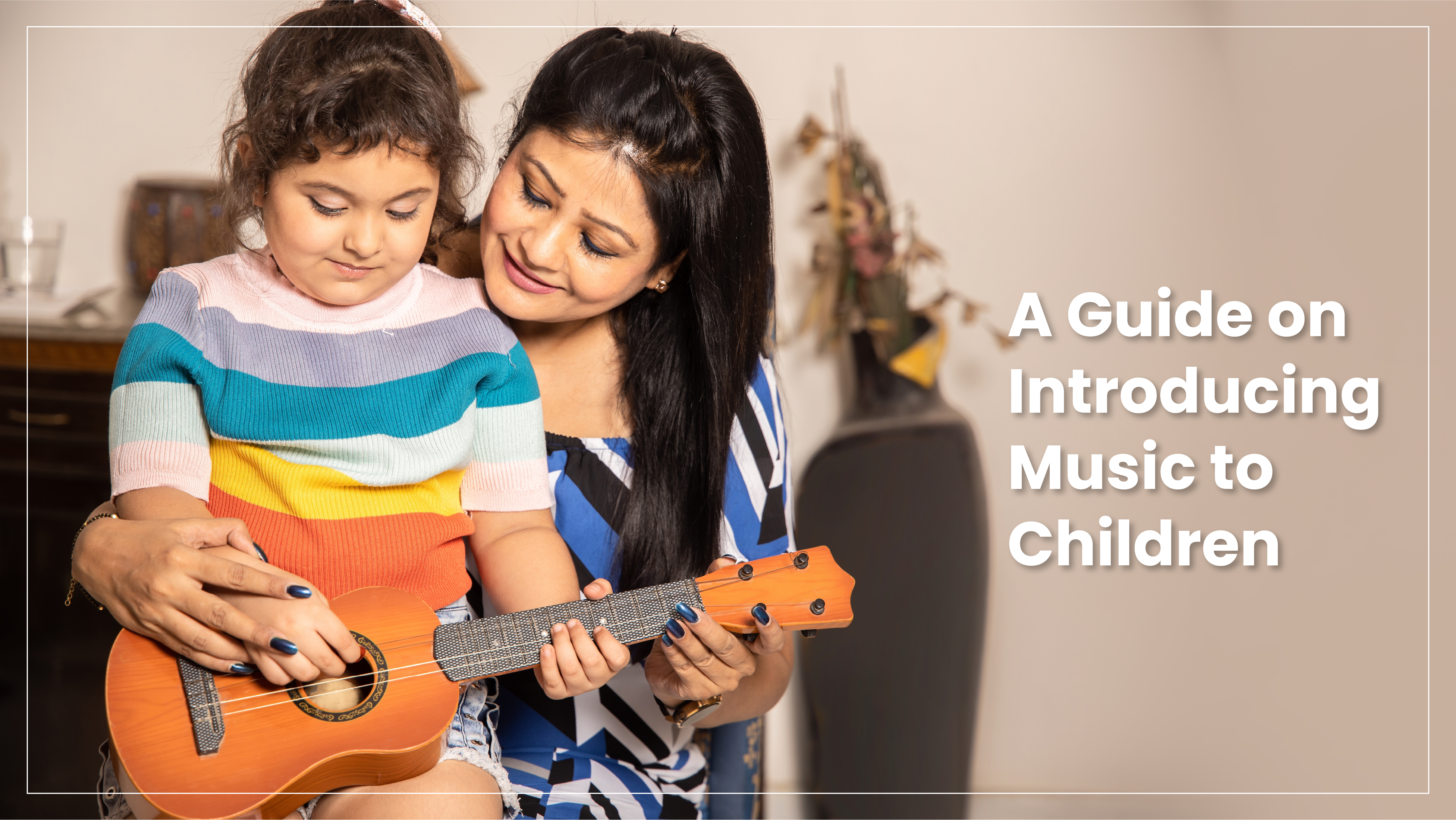
The melodies that children hear play a key role in cognitive development. Music harmonises the soul, invokes emotions, and enhances neural abilities for a lifetime. This is why music serves as a source of enrichment for young minds. Singing favourite soundtracks to toddlers strengthens their problem-solving skills and emotional resilience. Parents can perform multiple activities to introduce music to children. Willing to find out? Then scroll down. What is the Right Age to Start Music Lessons for Children? Children are born musical, quickly falling asleep to lullabies. It is never too early to introduce children to music. Even starting at 6 months or earlier can spark their interest. By the age of 2, they can recognise songs and instruments. The right age to start music lessons for children is between the ages of 4 and 7 when they can grasp the basics and their minds and hands are developed enough to start playing. Fun Activities to Introduce Children to Music: With encouragement and creativity, parents can kickstart their toddlers’ melodic journey. Here are seven incredible ways to introduce music to young children : Sing Along to Action Songs: Perennial songs for children like "If You are Happy and You Know It," "Knees and Toes," "Bingo," and "Head" are excellent to get those wiggles out. They have stood the test of time and are filled with fun and memorable lyrics. Regular listening improves vocabulary and hand-eye coordination. Play Musical Games: Musical games are another ideal way to make children acquainted with melodies. Most of these games are folklore-inspired and often passed from one generation to the other. These games unleash the musical spirit of children while lighting up their kinaesthetic intelligence which is the ability to use one’s body skilfully to solve problems, create things, or express ideas and emotions. Recite Nursery Rhymes: Nursery rhymes are often the first type of music that children will listen to. The repetitive, short, melodic phrases of rhymes become ingrained in young minds. The catchy tunes help to develop a music appreciation. Hearing these rhymes in a soft, soothing voice is wonderful for comforting children and building a stronger bond. Turn On Background Music: Everything is more fun with music playing in the background. Whether doing daily chores or going to a family picnic, background music makes these moments even happier. Memories of these tasks will be cherished when a particular song is heard. This plays a vital role in cultivating a love for music. Make or Paint Musical Instruments: If youngsters have a knack for art, making or colouring musical instruments can be fun. Using everyday objects to create musical instruments ignites their creativity. For example, an empty tissue box with stretched rubber bands can resemble a guitar, while a box with pulses can be a customised shaker. Non-breakable utensils like steel pots and containers can be played like drums with a spatula for an impromptu jamming session. Watch a Performance: Do not miss out on the chance to expose children to live music. Seek out local bands that cater to a young audience. Summer concert series in the park are great for toddlers to experience music in a live setting while enjoying a picnic. Read Music-Oriented Books: There is a vast selection of musical storybooks waiting to be read, such as "Little Critter: Just a Little Music" by Mercer Mayer and "Wild Symphony" by Dan Brown. These not only make children enthusiastic about learning and playing music but also foster a habit of reading. Benefits of Music Education for Children Now that the techniques for introducing music to children are clear, here are some benefits: Music encourages neural development, leading to better academic success. Early exposure to melodies relieves the mind and helps children to concentrate. Music unlocks great lingual ability and enriches vocabulary. Since movement and music go hand in hand, regular listening improves motor skills. It helps to process complex emotions, bringing emotional maturity. Music elevates social bonding skills. Bringing children and music together through fun activities has no downsides. The benefits of introducing music to children are boundless, from the pristine pleasure of listening to delicate sounds to acquiring new language and social skills from songs. In a nutshell, music enriches the lives of everyone. Stay informed on the latest updates and expert insights! Join our Telegram channel for valuable content. Join us on Telegram: Narayana Educational Institutions – Official Stay connected, stay informed, and thrive with Narayana Educational Institutions!
 06 Sept 20246
Spending time with family is more than just fun—it is a great way to teach children the value of family traditions and bond better. Family traditions encompass a variety of activities, from having breakfast on a Sunday morning to cultural customs. The value of family traditions for children is quintessential. They not only shape children’s identities but also foster a sense of community. Do you have a cherished family tradition that instantly brings back wonderful memories? If yes, then passing it on to the next generation is one of your essential responsibilities as a parent. Why do Family Traditions Matter and Their Importance? Traditions mirror the values, beliefs, and ideologies of a family. They are the key to creating lasting memories. But what is the impact of these traditions on young minds? Let us find out. A Sense of Belonging: Family traditions are a celebration of togetherness. As children grow with these traditions, they understand that they are part of a larger community. These customs instil a deep sense of belonging and security. By maintaining these traditions, families help build children’s self-worth and confidence. Reinforcement of Family Dynamics: People have unique qualities, even within families. Family traditions celebrate the uniqueness of each individual while offering an opportunity for bonding and connecting through shared experiences. This helps cultivate strong and optimistic relationships over time. Thus, many families adapt traditions to strengthen bonds. Character Development: Traditions are the cornerstone of trust, respect, and commitment within a family. When children participate in family traditions, they learn these values from a young age, fostering better conflict-resolution skills. They learn to express their opinions while maintaining respect and consideration for elders. Balance and Stability: Traditions provide reassurance, invoking a sense of unity and stability. This helps anchor the children in an ever-evolving world. Consequently, youngsters stay grounded, keeping their thoughts, values, emotions, and purpose in total control. It is a great way to sustain a balance between the internal and external world. Overall Well-being: Adapting traditions as children grow bridges the gap between culture, spirituality, and heritage. Traditions hold the values and beliefs of a family. Creating new traditions based on old ones helps children incorporate new beliefs into existing customs. This inclusivity can significantly enhance a child’s emotional, mental, and spiritual well-being. Understanding the Significance of Family: When traditions are consistently practiced, they instil the significance and value of family in children. Customs require the full participation and dedication of every family member. They provide a special opportunity for the entire family to come together, bond, and have meaningful conversations without external distractions. What are the Tips for Cultivating Family Traditions with Children? Now that the importance of family traditions is clear, here are a few tips for cultivating family traditions with children: Keep it Short and Crisp: Who says family traditions have to be elaborate? Traditions can be as simple as reading before bed, exercising daily for 20 minutes, and more. These small steps grow interest and allow children to adopt daily habits of following these traditions. Follow the Traditions of Other Families: You do not always have to start a tradition from scratch. If you see a tradition in another family that you like, you can seamlessly incorporate it into your own family. Develop Traditions Organically: Think about your childhood. Were traditions important to you? Now, you may follow family traditions religiously. Sometimes, going with the flow and doing what works best for the family at any given point will teach your child about the value of tradition and make them excited to follow year after year. Modification is Crucial: It can be challenging for young families, especially with kids, to balance the desire to uphold long-standing traditions. When it comes to continuing a family tradition, flexibility is crucial. Modify and embrace the changes that come with different stages of life while keeping the essence of the tradition alive. Take Zero Pressure: It is important to consider the age and temperament of your children and have realistic expectations. Do not pressure them about how a specific tradition or experience should unfold. Give them time to understand. In sum, the value of family traditions for children is unbeatable. Simple, adaptable, and enjoyable traditions enliven the lives of children, making them part of a bigger community. Time-tested traditions stem from history and culture. When celebrated with family, they create fun memories for children, leading to happier individuals. ? Join Our Community! ? Looking for more insights on family traditions and parenting tips? Join our Telegram channel for exclusive content and support! Let’s grow together and create lasting memories for our children! ?
30 Aug 2024 7
Culture refers to beliefs, customs, and arts within a society. Therefore, an arts education is essential for a child's growth as it shapes their initial understanding of culture. For years, there has been concern that schools worldwide experience budget cuts for arts programs, and there is a noticeable increase in support for STEM (Science, Technology, Engineering, and Maths) subjects. Nowadays, many schools prioritise arts and make it a focal point in their curriculum. This results in bringing a positive culture and a supportive atmosphere in schools. The students participate in collaborative activities through the use of art. There are numerous benefits of arts education for children; we explain some of them here. 7 Reasons Why Art Education is Beneficial to Childhood Development Participating in creative activities enables kids to discover their talents and interests while also offering them a range of valuable skills for the long term. Here are some reasons why: Creativity and Imagination : One of the most significant benefits of arts education is its ability to nurture creativity and imagination in students. Children are encouraged to think outside the box and express themselves uniquely through artistic activities. This does not just apply to artistic pursuits – these creative thinking skills translate into other areas of life, from problem-solving in maths to approaching writing assignments with a fresh perspective. Self-Expression: The arts provide a safe space for students to express themselves freely. It can be painting emotions onto a canvas, composing a song, or performing in a play. Artistic expression allows children to explore their inner world and develop a sense of self. This can be especially beneficial for shy or introverted students who may not feel comfortable expressing themselves verbally. There is no single "right" way to create art as it can be observed and appreciated subjectively. This brings a sense of confidence in students, as they learn to embrace their unique voices and perspectives. Sharper Cognitive Skills: Art education is not just about finger painting and singing songs. Many art forms require critical thinking and problem-solving skills. For instance, students learn to read sheet music in music class, strengthening visual-spatial reasoning. In drama, students analyze scripts and develop characters, which enhances their communication and collaboration skills. These cognitive skills are essential for success in all areas of academic life. Studies have shown that students involved in the arts often perform better in other subjects as well. Cultural Awareness: The arts offer a window into different cultures and historical periods. By studying and creating art from diverse backgrounds, students develop a deeper understanding of the world around them. Exploring music, dance, and visual art from various cultures fosters empathy and appreciation for different perspectives. Art education can help break down cultural barriers and promote a more inclusive and understanding society. Students learn to appreciate the beauty and richness of different cultures, fostering global citizenship. Improved Academic Performance: Many people consider arts education as an elective or a break from core subjects. However, research suggests the opposite. Studies have shown that students involved in the arts often demonstrate improved academic performance in other subjects as well. Why is this? Art education strengthens critical thinking and communication skills – all essential for success in all areas of academics. Additionally, the arts encourage perseverance and discipline, which are vital skills for tackling challenging academic tasks. So, every school should create cultural awareness with arts education for the overall betterment of students. Motor Skills and Visual Learning: Many art forms are hands-on, which requires students to develop their fine motor skills. This is especially beneficial for young children as it helps with coordination. Activities like sculpting, drawing, and playing musical instruments all contribute to the development of fine motor skills. Art education also strengthens visual learning skills. Students learn to analyze visual information and interpret visual data. These skills are crucial for success in subjects like science and maths, where visual representations play a significant role. Teamwork and Collaboration: Many art forms are inherently collaborative. Theatre productions require actors, directors, and set designers to work together. Music ensembles necessitate teamwork among musicians. Students learn to communicate effectively and appreciate the value of teamwork through these collaborative experiences. Art education teaches valuable social skills that benefit students throughout their lives. They learn to listen to others' ideas and celebrate the contributions of their peers. Overall, the benefits of arts education extend far beyond the development of artistic skills. Art education makes students well-rounded individuals with strong critical thinking and communication skills. These skills are essential for success in academics and life in general. By incorporating a strong arts program into schools, we can nurture a generation of future leaders who appreciate the beauty and diversity of the world around them. Let us make sure that the arts remain an essential part of a well-rounded education for all students. Join Our Creative Community! ? Stay Inspired: Follow us on Instagram for daily tips, artwork, and stories that celebrate the power of arts in education. ? Let’s Connect: Join our Telegram Channel for exclusive insights, resources, and a community of like-minded parents and educators. Unlock your child’s creative potential with us!
22 Aug 2024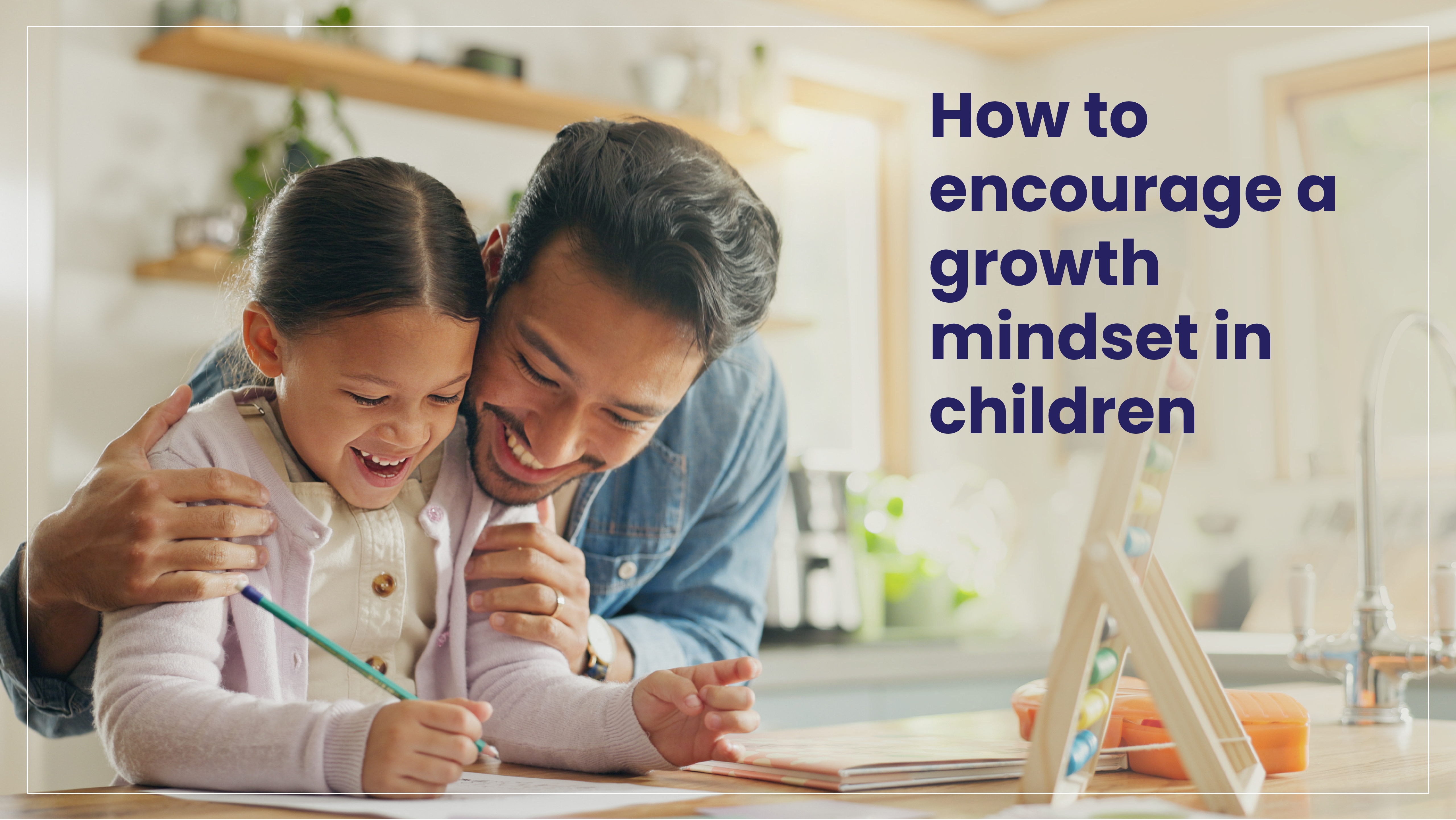 6
In today's fast-paced world, fostering a growth mindset in children becomes increasingly vital. The growth mindset, a concept popularised by psychologist Carol Dweck, refers to the belief that abilities and intelligence develop through dedication and hard work. This mindset contrasts sharply with a fixed mindset, where individuals see their abilities as static and unchangeable. Encouraging a growth mindset in children profoundly impacts their learning and development, setting them up for lifelong success. Why Develop a Growth Mindset in Kids? Developing a growth mindset in kids proves essential as it fosters resilience, helps them view challenges as growth opportunities, and encourages persistence. It promotes a love for learning by reinforcing that effort improves abilities, leading to deeper engagement in education. Additionally, it reduces the fear of failure, teaching kids to see mistakes as part of the learning process rather than a reflection of their worth. How to Teach Growth Mindset to Children Teaching a growth mindset to children starts with changing communication to focus on effort, strategy, and progress rather than innate talent. Instead of saying, "You're so smart," one should say, "I’m impressed with how hard you worked on this project," reinforcing the idea that effort leads to improvement. Modeling a growth mindset is also crucial, as children learn by observing adults who embrace challenges, persevere through setbacks, and view failures as learning opportunities. Encouraging children to step out of their comfort zones, take on challenging tasks, solve problems independently, and celebrate their efforts helps them understand that learning and growth come from trying new things and making mistakes. Growth Mindset in Early Learners Introducing a growth mindset to early learners sets a strong foundation for their future. At this impressionable stage, children easily absorb new ideas. Stories and activities highlighting effort and perseverance, especially those featuring characters overcoming obstacles through hard work, prove effective. Interactive activities like puzzles and games reinforce growth mindset principles by involving trial and error, providing a safe space for children to experience and overcome failure. Encouraging reflection on these experiences helps solidify the growth mindset. Practical Tips for Parents and Educators Parents and educators play a crucial role in fostering a growth mindset in children . Here are some practical tips: Use Growth-Oriented Language: Avoid labeling children as "smart" or "talented." Instead, praise their effort, strategies, and progress. Encourage Curiosity: Promote a love for learning by encouraging children to ask questions and explore new topics. Normalise Mistakes: Help children understand that mistakes are a natural part of learning. Share personal experiences of failure and what was learned from them. Set Realistic Goals: Teach children to set achievable goals and celebrate their progress. Create a Supportive Environment: Provide a safe and supportive environment where children feel comfortable taking risks and making mistakes. By consistently applying these principles, parents, and educators help children develop a growth mindset that serves them well throughout their lives. Encouraging a growth mindset in children enhances their academic performance and equips them with the resilience and adaptability needed to navigate the complexities of life. At Narayana, we ensure to enhance students’ growth skills, making them confident individuals who dream big, as your dreams are our dreams. Stay Connected! Join our community on Telegram for more insights and tips on fostering a growth mindset in your child. Join Us on Telegram
20 Aug 2024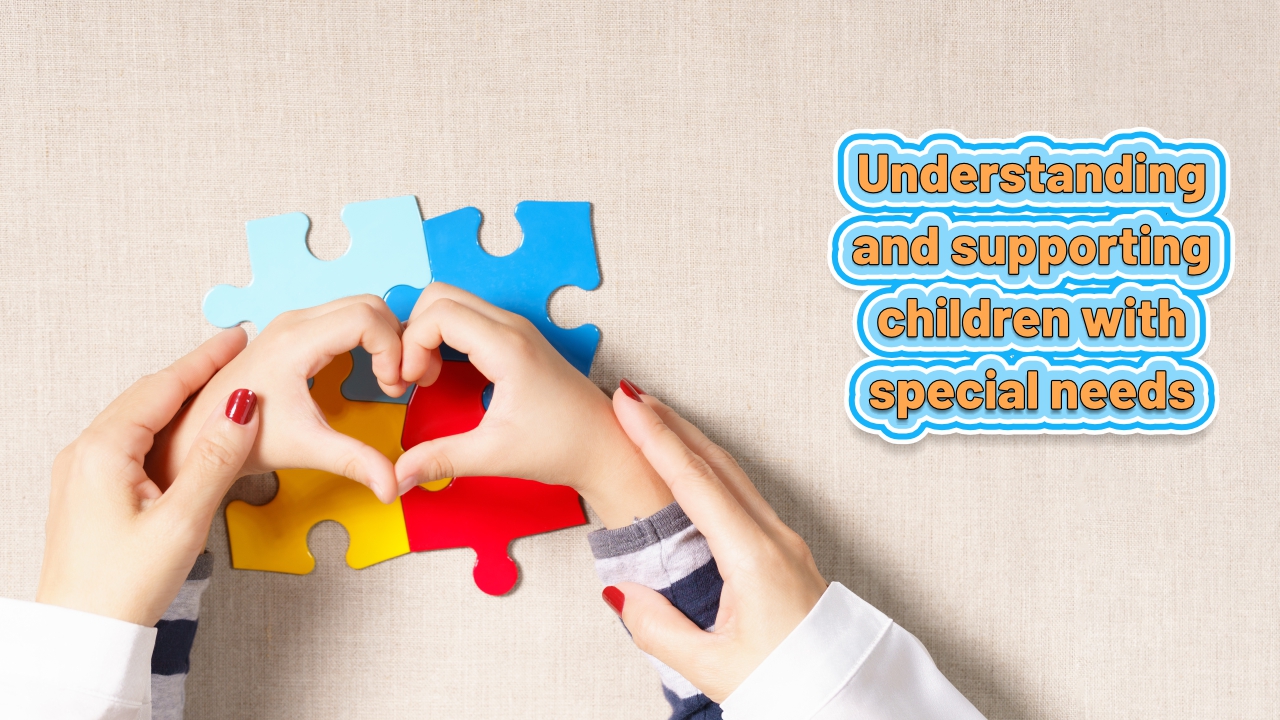 6
Every child is unique and has specific needs while growing up. However, there may be instances where it becomes evident that a child requires extra support in areas such as social interaction, learning, and reading. Generally, these children are referred to as having "special needs." This term encompasses a wide range of conditions, including learning disabilities, physical disabilities, autism spectrum disorder (ASD), and attention deficit hyperactivity disorder (ADHD). Understanding and supporting children with special needs is crucial for parents to ensure they reach their full potential. This blog explores various aspects of supporting these amazing kids, from recognising the signs to offering practical help. Recognising Signs of Special Needs Early intervention is key for children with special needs. Here are some signs to watch for: Developmental Delays: Missing developmental milestones, such as rolling over, crawling, or speaking at expected ages. Learning Difficulties: Struggling in school and needing extra help to grasp concepts. Communication Challenges: Difficulty expressing themselves clearly or understanding others. Social Interaction Issues: Seeming withdrawn or having trouble making friends and playing with others. Behavioural Problems: Frequent tantrums, outbursts, or hyperactivity that is difficult to manage. If these signs are noticed, it is important to consult a specialist or paediatrician who can assess the child's needs and recommend appropriate support. Help and Support for Children with Special Needs Many resources are available to support children with special needs, including: Early Intervention Programs: Offering therapy, support, and guidance for children from birth to age 3. Special Education Services: Public schools providing Individualized Education Programs (IEPs) that outline specific accommodations and services. Therapies: Speech therapy, occupational therapy, and physical therapy to address specific challenges. Organisations dedicated to supporting children with special needs and their families provide resources, information, and connections with other parents who understand the journey. Best Practices for Supporting Students with Special Needs Practical tips for supporting children with special needs in a school setting include: Teach Positive Communication: Maintain open communication with teachers and therapists, sharing information about the child's strengths and challenges. Positive Reinforcement: Focus on the child's achievements to build confidence and motivation. Break Down Tasks: Divide large tasks into smaller steps to help the child stay focused and feel accomplished. Provide Structure and Routines: Create predictable routines and a structured environment to help children feel safe and secure. Advocate for Your Child: Be the child's voice, learning about their specific needs and advocating for necessary support and services. Remedial Support for Special Needs Children Remedial support addresses specific learning challenges and may include: Private Tutoring: Providing targeted support in areas where the child may struggle. Assistive Technology: Using tools like audiobooks, speech-to-text software, and specialized keyboards to help overcome learning barriers. The Importance of Patience and Understanding While Dealing with Children with Special Needs Supporting children with special needs requires immense patience and understanding. Key points to remember include: Every Child is Different: There is no "one size fits all" approach. Be patient and find what works best for the child. Celebrate Every Milestone: Celebrate progress, big or small, to motivate continued learning and growth. Take Care of Yourself: Supporting a child with special needs can be demanding, so it's essential to take care of yourself to be the best support system for your child. Supporting children with special needs is about helping them do better, not curing their conditions. Providing emotional tools to face and overcome challenges helps them grow stronger and build resilience. These incredible children have unique gifts and talents to offer the world. Join Our Supportive Community! Get more tips and resources for supporting children with special needs. ? Join Our Telegram Channel Now! Click Here
14 Aug 20246Teaching kids about money proves to be a crucial life skill that sets the foundation for their future financial success. Parents and educators alike recognise the importance of instilling financial literacy in children from a young age. By teaching children the basics of budgeting, saving, and spending, they equip them with the tools they need to manage their finances wisely. This blog explores effective strategies to teach kids about money , with a focus on saving, spending, and budgeting. 1. Start with the Basics: Understanding Money The first step in teaching financial literacy to children is helping them understand what money is and how it works. Using real-life examples and simple language to explain the concept of money proves effective. Showing them coins and bills, and explaining their value, makes it tangible. Discussing how people earn money through work and how it is used to buy goods and services helps solidify their understanding. 2. Teach Children the Importance of Saving One of the most critical aspects of money management for children is learning to save. Encouraging kids to set aside a portion of their allowance or any money they receive as gifts is a good practice. Using a clear jar or a piggy bank so they can see their savings grow proves to be a motivating visual aid. Explaining the benefits of saving, such as being able to buy something special in the future or having money for emergencies, reinforces the habit. 3. Introduce the Concept of Budgeting Teaching children the basics of budgeting is essential for their financial literacy. Helping them create a simple budget by listing their income (allowance, gifts, etc.) and expenses (toys, snacks, etc.) provides a practical framework. Showing them how to allocate their money into different categories, such as savings, spending, and sharing (charity), teaches them to prioritise their spending and make informed financial decisions. 4. Encourage Goal Setting Goal setting is a powerful tool to teach kids about saving and budgeting . Encouraging children to set short-term and long-term financial goals helps them focus. Short-term goals could include saving for a toy or a book, while long-term goals might involve saving for a bicycle or a special trip. Helping them create a plan to achieve these goals, emphasising the importance of patience and discipline, makes the process rewarding. 5. Make Learning Fun with Games and Activities Engaging children in fun and interactive activities reinforces financial concepts. Board games like Monopoly or The Game of Life teach kids about money management, investments, and budgeting in an enjoyable way. Additionally, online games and apps designed to teach financial literacy can be valuable resources. 6. Lead by Example Children often learn by observing their parents' behaviour. Demonstrating good financial habits in one's own life sets a strong example. Involving kids in everyday financial decisions, such as grocery shopping or planning a family budget, provides practical learning experiences. Discussing the importance of making thoughtful spending choices and avoiding impulsive purchases reinforces good habits. 7. Teach the Value of Money through Work Assigning age-appropriate chores and offering a small allowance as compensation helps children understand the connection between work and earning money. This approach teaches them the value of hard work and the satisfaction of earning their own money. 8. Discuss Needs vs. Wants Helping children differentiate between needs and wants is crucial. Explaining that needs are essential for daily living, such as food, clothing, and shelter, while wants are things that are nice to have but not necessary, guides their spending decisions. This understanding helps kids make better financial choices and prioritise their goals. 9. Encourage Generosity Teaching children about sharing and giving is an essential aspect of financial literacy . Encouraging them to set aside a portion of their money for charitable donations instils a sense of responsibility. Discussing the importance of helping others and the positive impact of their contributions fosters empathy and generosity. Teaching financial literacy to children is an investment in their future. By teaching kids about saving, spending, and budgeting, parents and educators equip them with essential skills that will serve them throughout their lives. Starting early, making learning fun, and leading by example helps children develop healthy money management habits and a strong foundation for financial success. Stay Ahead with Narayana Educational Institutions! ? Ready to take your child's financial literacy to the next level? Join our Telegram channel for exclusive tips, expert insights, and resources that will help you and your child thrive in today’s financial world. ? Join the Narayana Educational Institutions Official Telegram Channel ✨ Don’t miss out—stay informed, stay connected, and set the foundation for a brighter financial future with Narayana!
12 Aug 2024

