

Explore stories and insights
Loading...



 5
Winter break offers a wonderful opportunity for parents to strengthen their bond with children while keeping the learning process alive. While the holidays are a time for joy and relaxation, incorporating educational activities can help children grow academically, socially, and emotionally . By blending fun with learning, parents can ensure their children enjoy the holidays and enter the new year refreshed, motivated, and confident. Encourage Creative Learning Activities—Winter break is the perfect time to explore creative learning activities . Parents can engage their children in arts and crafts projects , holiday-themed science experiments, or Do It Yourself (DIY) activities like making homemade decorations. These hands-on experiences promote problem-solving skills, creativity, and fine motor development . Encouraging children to create holiday stories or drawings nurtures their imagination and keeps their minds active. Incorporate Educational Games and Puzzles - Keeping the learning process enjoyable is crucial. Parents can introduce educational games, puzzles, and board games that enhance critical thinking, logic, and math skills . Word games, trivia challenges, and number-based puzzles can sharpen children’s cognitive abilities while fostering a fun family environment. These activities ensure that children remain mentally stimulated without the pressure of formal study. Reading for Fun and Growth - Winter break is an excellent time to encourage children to develop a love for reading. Parents can select age-appropriate books and set aside daily reading time. Choosing winter-themed stories, inspirational books or educational material helps children expand their vocabulary and comprehension skills. Reading together not only enhances literacy but also promotes family bonding and shared experiences. Teach Empathy Through Volunteering - The holiday season is a wonderful opportunity to teach children about kindness and empathy through volunteering . Involving children in community service activities like food drives, charity events, or helping at shelters helps them understand the importance of giving back. These experiences teach social responsibility and help shape them into compassionate individuals who care for others. Plan Outdoor and Physical Activities - Staying active during winter break is essential for children’s physical health and mental well-being. Parents can organize fun outdoor activities like ice skating, hiking, or playing sports in the park. These activities promote teamwork, resilience, and discipline while offering a break from screen time. Engaging in physical activities also helps children manage stress and boosts their overall mood. Set Goals for the New Year - Winter break is a great time for parents to sit down with their children and reflect on the past year’s achievements. Together, they can set new academic and personal goals for the coming year. Discussing aspirations and creating a goal-oriented plan helps children stay motivated and organised. This practice instils a sense of purpose and commitment, preparing them to start the new year with confidence. The winter break provides a perfect opportunity to blend learning, creativity, and bonding . By engaging children in educational, physical, and community-based activities, parents can nurture their emotional, social, and academic growth. Encouraging exploration, creativity, and reflection during the holidays helps children develop essential life skills and start the new year feeling confident and inspired. These experiences shape well-rounded individuals ready to take on future challenges with enthusiasm and resilience.
 16 Dec 2024
 5
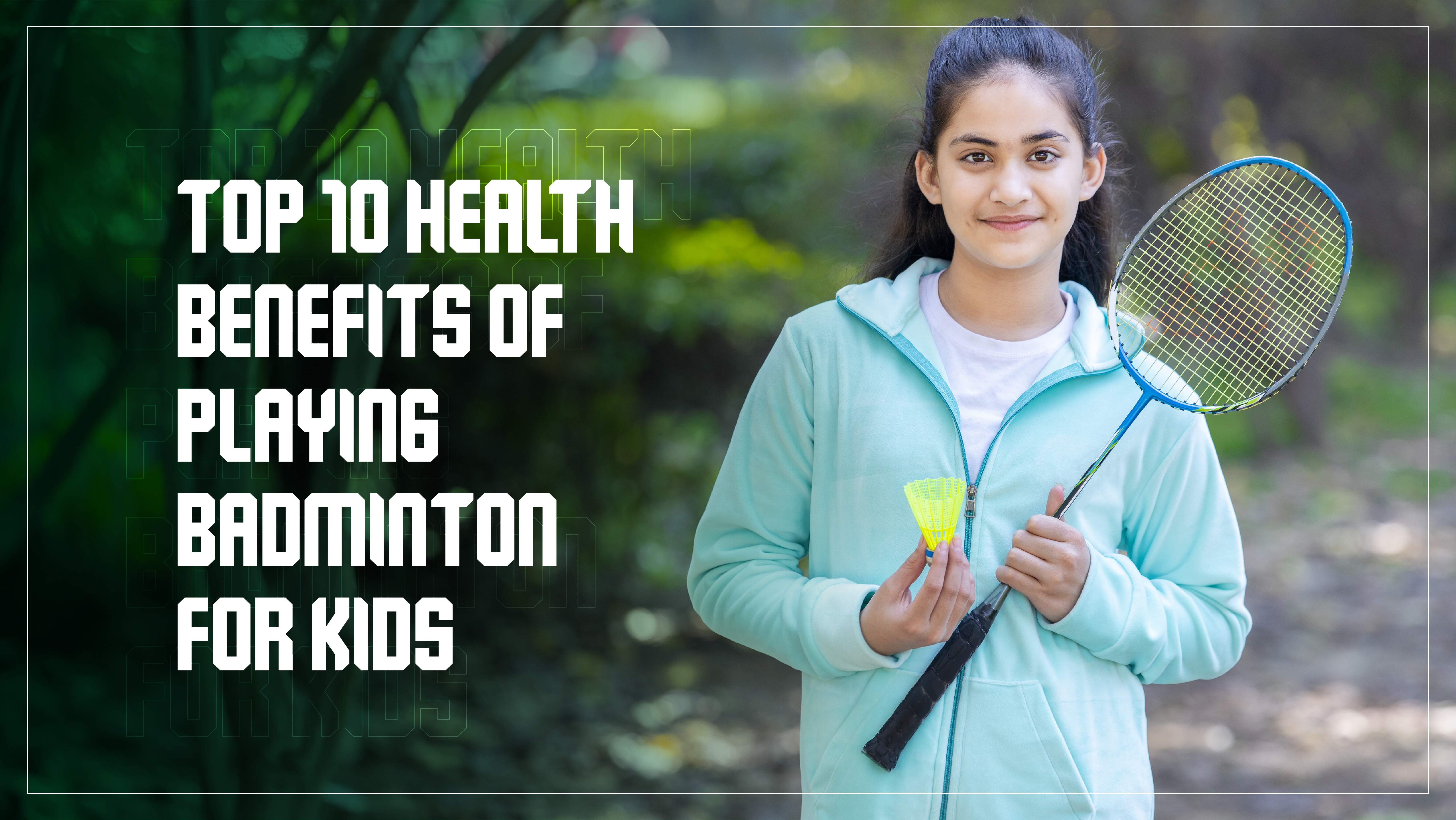
An increasing number of children are taking up badminton these days, inspired by their badminton heroes. Famous athletes like Pullela Gopichand , Saina Nehwal , and P.V. Sindhu serve as sources of motivation for young children. Playing badminton allows children to explore and build abilities that benefit them for life. As a technical sport , badminton demands agility , flexibility , and quick reflexes . Let's explore the fascinating reasons why badminton is a beneficial sport for kids. Physical Health Benefits of Playing Badminton: Strengthens Muscles - One major benefit of playing badminton is that it increases muscle strength , making children fit and strong. Constant movement strengthens the hamstrings , quadriceps , calves , and core muscles , giving them a well-toned physique. Enhances Cardiac Performance - Regular badminton play boosts cardiovascular health by strengthening heart muscles and improving blood circulation. It helps lower cholesterol levels, reducing the risk of heart attacks and strokes. Increases Flexibility - Both forehand and backhand shots require flexibility. Over time, playing badminton strengthens muscles and enhances muscle flexibility , promoting a healthy and agile body. Boosts Metabolism - Badminton is a dynamic sport that increases heart rate and engages various muscle groups. This boosts the metabolism , enabling the body to burn calories efficiently. Regular play promotes an active and healthy lifestyle. Improves Reflexes - The fast-paced nature of badminton enhances both physical and mental reflexes . Quick reactions on the court also improve day-to-day decision-making and thinking skills. Mental and Emotional Health Benefits of Badminton: Reduces Stress - Playing badminton helps lower stress levels by triggering the release of endorphins , the body's natural mood boosters. This reduces anxiety and enhances overall well-being. Enhances Mental Dexterity - The need to track a fast-moving shuttle sharpens mental focus and concentration . Players develop a present-minded attitude, which helps them manage tasks more effectively in daily life. Sharpens Strategic Thinking - Badminton requires strategic planning, from deciding where to place the shot to choosing between forehand and backhand strokes. This enhances critical thinking and problem-solving skills . Social and Behavioural Benefits of Playing Badminton: Improves Social Life - Badminton is typically played in pairs or doubles, promoting teamwork and sportsmanship . The sport fosters positive social interactions and strengthens relationships with family and friends. Enhances Focus - The game’s quick decision-making and anticipation of opponents’ moves improve focus and cognitive skills . These benefits extend beyond the court, helping children concentrate better in academics and daily activities. Conclusion Badminton is more than just a physical activity; it is a complete sport that nurtures a child’s physical, mental, and social development. From strengthening muscles and improving cardiovascular health to enhancing strategic thinking and reducing stress, the benefits are endless. Encouraging children to engage in badminton equips them with life skills that extend far beyond the court. At Narayana Schools, through our nSports initiative , we ensure that students participate in physical development activities. These experiences teach them the importance of sports in their overall development and empower them to thrive and achieve their dreams because, at Narayana, your dreams are our dreams .
11 Dec 2024 5
Every day, students face a vast amount of new material to learn and comprehend. Recalling everything during tests and assignments can be challenging. But is it truly possible to enhance one’s memory? Absolutely! If you’ve ever wondered how to improve memory , several proven strategies can help. By adjusting study routines and applying these techniques, students can effectively boost their memory power and achieve better academic outcomes . It’s needed not just for academics, but for daily life . Strong memory skills are life skills that benefit students beyond the classroom, proving valuable in future careers and personal tasks. What is Memory Power? Memory power is the ability to store and retrieve information when needed. Just like muscles, memory can be strengthened with the right techniques. Regularly practising methods that enhance memory retention leads to better recall. This ability is essential not only for students to remember and retain crucial information but also for managing daily activities and making informed decisions. Developing strong memory skills enhances problem-solving and strategic thinking—abilities that are just as useful in professional settings and daily life as they are in academics. 5 Effective Tips to Boost Memory Power for Students 1. Focus is Key Improving concentration is the first step toward enhancing memory. Distractions are common, but creating a dedicated study space helps maintain focus. A calm environment allows students to concentrate better and absorb information effectively. Memory improvement starts with the ability to focus on learning without interruptions. 2. Repetition and Memory Repetition reinforces learning. After studying a new topic, review it by taking notes, practising problems, or creating diagrams. This technique strengthens memory by embedding information in the brain. Regular repetition and retrieval practice help students retain knowledge longer and improve their learning abilities . 3. Meditation Practicing meditation enhances memory and focus. Techniques like mindfulness help students become aware of their thoughts and surroundings, improving their ability to tune out distractions. Meditation calms the mind, reduces stress, and boosts mental clarity , all of which are essential for memory enhancement . 4. Healthy Eating Practices A balanced diet supports brain health. Foods rich in omega-3 fatty acids , such as fish and olive oil, improve cognitive function. Diets like the Mediterranean diet , which include leafy vegetables, whole grains, and healthy fats, are linked to better memory retention and overall brain function. 5. Acquire New Knowledge Learning something new stimulates the brain and strengthens memory. Picking up activities like painting, playing an instrument, or learning a new language creates new neural connections. This process enhances brain function and boosts memory power . Research shows that bilingual individuals often have better memory and cognitive skills. Importance of Memory Power in Academic Success Memory power plays a vital role in academic achievement. Strong memory skills help students retain and recall information efficiently, allowing for a deeper understanding of subjects. Improved memory retention leads to better study habits, reduced exam anxiety, and increased confidence. Furthermore, integrating knowledge across subjects enhances critical thinking and problem-solving abilities . Ultimately, a solid memory foundation supports long-term academic success and helps students thrive in a competitive environment. Conclusion At Narayana Schools, we provide an enriching environment where students grow at their own pace and develop confidently. Through our comprehensive programs, we focus on enhancing every aspect of a child’s development, including memory power . Our Yoga Vikshan programme helps boost mental clarity, mental well-being, and strength . By integrating yoga practices, students enhance their focus and memory power , benefiting both their daily life and academic performance . The techniques taught in Yoga Vikshan help students manage stress, improve concentration, and develop a resilient mindset. With the right support and strategies, we empower students to thrive and achieve their dreams, because at Narayana, your dreams are our dreams .
10 Dec 2024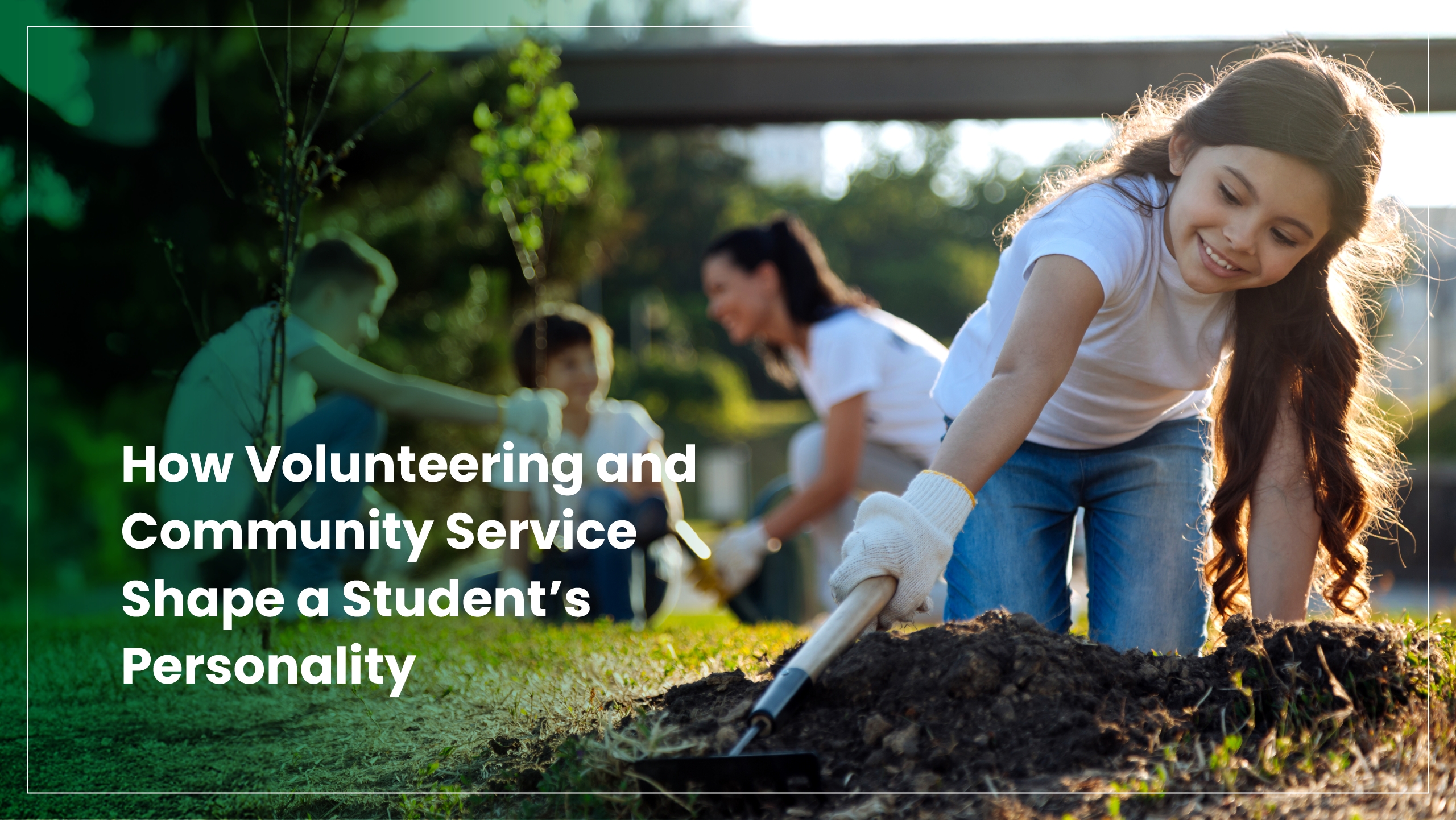 5
In today’s competitive world, academic success is essential, but equally important is the development of a student’s character. Parents can play a key role in encouraging their children to engage in volunteering and community service . These activities provide real-world experiences that nurture valuable skills such as empathy, leadership, and teamwork . By supporting and participating in these initiatives, parents can help their children become well-rounded individuals who are not only academically strong but also socially responsible and emotionally intelligent. These experiences prepare children for life’s challenges, ensuring they develop a compassionate outlook and a sense of purpose that contributes to their overall growth. 6 ways how Volunteering and Community service shape a student’s personality: The Importance of Volunteering for Students - Engaging in community service helps students develop a sense of responsibility and compassion. When students participate in activities such as helping the elderly, organising charity drives, or cleaning their neighbourhoods, they witness the impact of their efforts firsthand. This experience nurtures empathy and a deeper understanding of societal issues, making them more considerate and aware citizens. Developing Leadership Skills - Volunteering offers opportunities for students to step into leadership roles. Whether they organise an event, coordinate a group activity, or lead a community initiative, they learn to manage tasks, communicate effectively, and motivate others. These experiences strengthen leadership skills that are critical in both personal and professional life. Students who engage in these activities become confident decision-makers and problem-solvers. Boosting Emotional Intelligence - Through community service , students often interact with people from diverse backgrounds. These experiences enhance their emotional intelligence , teaching them how to relate to others, understand different perspectives, and respond with compassion. As they deal with real-life challenges, they learn to manage their own emotions and become more resilient. Building Teamwork and Collaboration - Community service typically involves working in groups. This fosters essential teamwork and collaboration skills . Students learn how to contribute to a shared goal, support their peers, and handle conflicts constructively. These skills are invaluable for their future careers and personal relationships. Enhancing Personal Growth and Self-Esteem - When students give back to their community, they experience a sense of accomplishment and pride. Seeing the positive change they create boosts their self-esteem and reinforces their belief in their ability to make a difference. These feelings contribute to their overall personal growth , making them confident and compassionate individuals. Encouraging a Sense of Purpose - Volunteering helps students discover passions and interests beyond academics. By engaging in meaningful activities, they often find a sense of purpose that drives them to pursue goals with greater enthusiasm. This sense of purpose not only benefits their personal development but also helps them become proactive and dedicated members of society. At Narayana Schools, we understand the critical role of volunteering and community service in developing a student’s overall personality. Through our structured programs, we encourage students to participate in initiatives that give back to society. These activities teach them empathy and humility , essential traits for thriving in today’s world. Our students engage in various social service activities that help them become well-rounded individuals. We integrate these experiences with soft skills training, leadership workshops, and personality development programmes, ensuring students are equipped to face real-world challenges confidently. At Narayana Schools, we believe that nurturing a student’s character is just as important as academic excellence. Through volunteering and community service , we help shape responsible, compassionate, and confident individuals who are ready to achieve their dreams, because at Narayana, your dreams are our dreams .
09 Dec 2024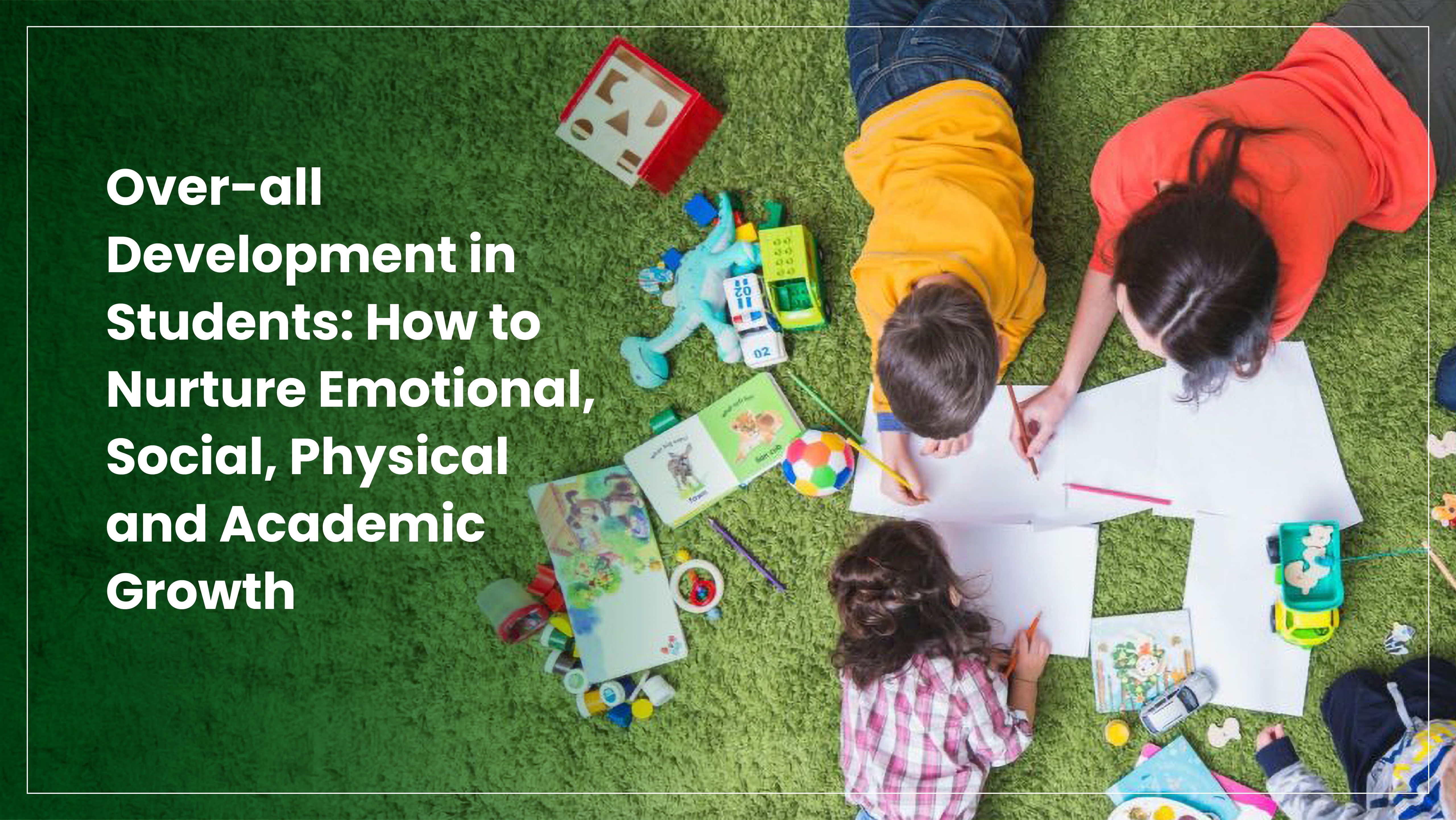 5
Parents aspire for their children to grow into well-rounded individuals capable of excelling in academics, navigating social interactions, and managing emotions effectively. Overall development plays a pivotal role in shaping students into confident, resilient, and successful individuals. It focuses on nurturing a balance between emotional intelligence , social skills , and academic growth , ensuring children are equipped to thrive in today’s competitive world. Fostering Emotional Growth Emotional intelligence is a critical life skill that helps students recognise, understand, and manage their emotions effectively. Parents can support emotional growth by encouraging open communication, fostering empathy, and guiding children to deal constructively with challenges. Practising mindfulness, engaging in reflective discussions, and teaching stress management techniques are valuable strategies. These approaches enable children to handle pressure, overcome obstacles, and maintain a positive outlook, even in demanding situations. At Narayana Schools, we prioritise emotional well-being through our Disha - Mental Well-Being Programme , which provides professional guidance to help students manage stress, develop resilience, and stay motivated. Enhancing Social Skills Strong social skills are essential for building meaningful relationships, working collaboratively, and thriving in diverse environments. Parents can encourage their children to participate in group activities, community service, and extracurricular engagements to improve their communication and interpersonal abilities. Teaching respect, teamwork, and empathy are fundamental in shaping socially adept individuals. Narayana's initiatives, such as soft skills training and collaborative learning projects, focus on enhancing students’ interpersonal skills. Through these programmes, students learn the importance of leadership, adaptability, and effective communication, preparing them to succeed in both academic and professional environments. Advancing Academic Excellence Academic progress remains a cornerstone of overall development. Parents can foster a love for learning by creating a supportive study environment, encouraging curiosity, and celebrating their child's academic achievements. Structured schedules, consistent revision, and engaging learning tools can significantly improve performance. At Narayana, our nLearn platform offers personalised learning journeys, concept clarity, and seamless doubt resolution, empowering students to excel academically. By integrating technology into education, we ensure students are equipped with the resources to master competitive exams and tackle complex subjects with confidence. Encouraging a Balanced Lifestyle Overall growth thrives on balance. Incorporating physical activities, hobbies, and family time into daily routines helps students stay physically active, mentally refreshed, and socially connected. Activities like sports, yoga, and creative pursuits contribute significantly to overall development. Through our nSports programme for physical development and regular yoga veekkshan – for emotional well-being , Narayana promotes physical fitness and mental clarity, ensuring students achieve a healthy equilibrium between academics and personal well-being. Conclusion Overall development is the key to nurturing confident, capable, and compassionate individuals. At Narayana Schools, we are committed to cultivating the emotional, social, physical and academic growth of every student through our innovative programmes like nLearn , Disha Mental Well-Being , nSports , Yoga Veekshan and soft skills training . By fostering a 360-degree development approach, we prepare students to excel in this competitive ecosystem and equip them with the confidence to achieve their dreams, because at Narayana Schools, your dreams are our dreams .
06 Dec 2024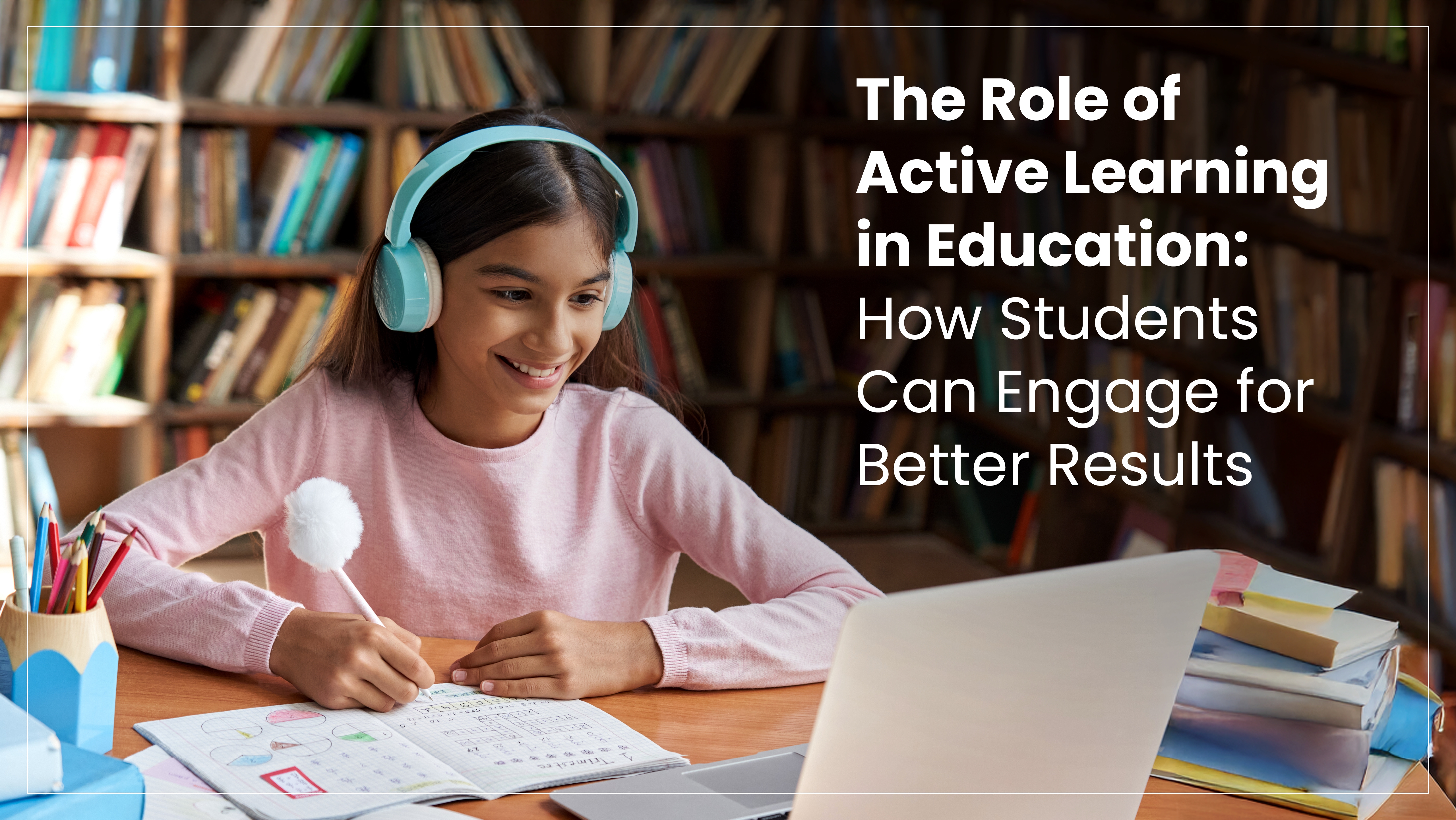 5
In today's dynamic educational landscape, active learning plays a transformative role in helping students achieve better academic results. It is beneficial for students across all age groups, ranging from primary school students aged 6-10 years to middle schoolers aged 11-13 years , and high school students aged 14-18 years , extending even to those pursuing higher education. For young children in primary school, active learning fosters curiosity and foundational skills through play-based and hands-on activities. For middle schoolers, it helps them grasp complex concepts, improve teamwork, and develop critical thinking. For high school students and older learners, it prepares them for real-world challenges by promoting analytical thinking and practical application, equipping them for both academic and professional success. Unlike traditional passive learning methods that rely heavily on rote memorisation, active learning encourages students to engage with the material through practical applications, discussions, and group activities. By immersing themselves in the learning process, students not only retain knowledge more effectively but also develop critical thinking and problem-solving skills essential for success. What is Active Learning? Active learning is an educational approach that requires students to actively participate in their learning journey. This method includes a range of strategies, such as interactive discussions, group projects, case studies, and hands-on experiments. These techniques help students connect theory with real-world applications, fostering a deeper understanding of concepts. For instance, group projects allow students to collaborate, exchange ideas, and develop teamwork skills. Similarly, classroom discussions enable them to voice their perspectives, boosting their confidence and communication abilities. Hands-on activities, like science experiments and field projects, further solidify their knowledge by putting theoretical concepts into practice. Benefits of Active Learning Improved Retention: When students actively engage with the material, they remember concepts better than through passive learning methods. Enhanced Critical Thinking: Solving problems and participating in discussions develop analytical and critical thinking abilities. Increased Motivation: Interactive and practical learning methods transform education into an engaging and enjoyable experience, fostering a sense of curiosity and motivation. By actively participating in hands-on activities, discussions, and real-world applications, students stay inspired to explore concepts deeply, turning learning into a rewarding journey rather than a task. Teamwork and Communication: Group activities help students learn how to collaborate effectively, improving their interpersonal skills. Real-World Application: By relating classroom knowledge to real-world situations, students understand the relevance and importance of their studies. How Students Can Actively Engage Students can embrace active learning by: Participating in classroom discussions and asking questions. Collaborating on group projects and respecting diverse perspectives. Engaging in hands-on experiments and practical exercises. Taking part in role-playing activities, debates, and presentations. Using educational tools like apps and online platforms for self-paced learning. Narayana’s Approach to Active Learning At Narayana, the significance of active learning in preparing students for a competitive world takes centre stage. The institution’s tech-enabled framework empowers students with innovative resources like nLearn , a comprehensive learning platform designed to enhance their educational journey. This platform provides students with access to an extensive array of resources, allowing them to study at their own pace and revisit concepts as needed. nLearn supports students with a personalised learning journey, seamless schedule integration, rich content to complement classroom learning, effortless doubt resolution, and effective progress evaluation. Additionally, it celebrates both small and significant achievements, making learning a rewarding and motivating experience. Our dedicated R&D team curates a curriculum that integrates active learning strategies, blending the best of theory and practice. Through our hands-on activities, group projects, and personalised support, we nurture students to think critically and engage actively in their education. Additionally, we prioritise soft skills development through workshops and activities that build communication, leadership, and confidence—key traits for success. Our supportive staff ensures every student receives individual attention, enabling them to excel in academics and beyond. At Narayana, we are committed to fostering an overall learning environment where students not only excel academically but also grow into confident individuals ready to achieve their dreams because at Narayana, your dreams are our dreams .
02 Dec 2024

