

Explore stories and insights
Loading...


 6
Sports are more than just a form of physical activity—they play a pivotal role in shaping a child’s confidence, resilience, and overall personality. By engaging in sports, children develop essential life skills that help them face challenges with determination and positivity. Whether it’s scoring a goal, learning teamwork, or improving physical fitness, the benefits of sports extend far beyond the field. Moreover, with the growing recognition of sports as a viable and rewarding career, children passionate about athletics can now aspire to turn their talent into a profession, making it an even more valuable pursuit. The Connection Between Sports and Self-Esteem Physical activity positively influences children’s mental well-being. Through sports, children gain a sense of achievement, learn to overcome obstacles and discover their potential. These experiences enhance self-esteem, allowing kids to approach other areas of life with renewed confidence and enthusiasm. How Sports Build Confidence Mastering Skills and Achieving Goals Every skill a child learns in sports, from dribbling a basketball to perfecting a swimming stroke, fosters a sense of accomplishment. As children see their progress through consistent practice and effort, they develop confidence in their abilities. Setting and achieving goals in sports also teaches them the value of perseverance and hard work. Developing Teamwork and Leadership Skills Team sports encourage collaboration and mutual respect. By working towards a common goal, children learn to communicate effectively and value the contributions of others. Taking on leadership roles within a team further enhances their decision-making and problem-solving skills, boosting their confidence. Overcoming Challenges and Building Resilience Sports often present challenges, such as losing a game or facing tough opponents. These experiences teach children to handle setbacks gracefully and keep striving for improvement. Learning to bounce back after failure strengthens their resilience and prepares them for challenges in other aspects of life. Enhancing Physical Fitness and Self-Perception Regular physical activity improves fitness and body image, which directly impacts a child’s confidence. When children feel strong and healthy, they carry themselves with greater assurance. This positive self-perception encourages them to explore new opportunities without fear. Creating a Sense of Belonging Participating in sports fosters friendships and a sense of belonging. Being part of a team or community provides emotional support and boosts self-esteem, making children feel valued and accepted. Narayana’s nSports Initiative At Narayana Schools, the nSports initiative introduces an age-specific sports curriculum that not only promotes physical fitness but also ensures overall development. This curriculum is tailored to suit the developmental needs of each age group, helping students build strength, coordination, and teamwork skills. By integrating structured sports activities into the daily schedule, Narayana Schools provides students with a much-needed break from academics, fostering mental & physical rejuvenation and focus. Through nSports , Narayana ensures a balanced approach to learning and growth. Conclusion Sports are a powerful tool for nurturing confidence and self-esteem in children. By mastering skills, overcoming challenges, and building connections, kids grow into resilient and self-assured individuals. At Narayana Schools, we help children achieve this through our nSports initiative, ensuring they experience overall development because, at Narayana, your dreams are our dreams.
 29 Nov 2024
 6
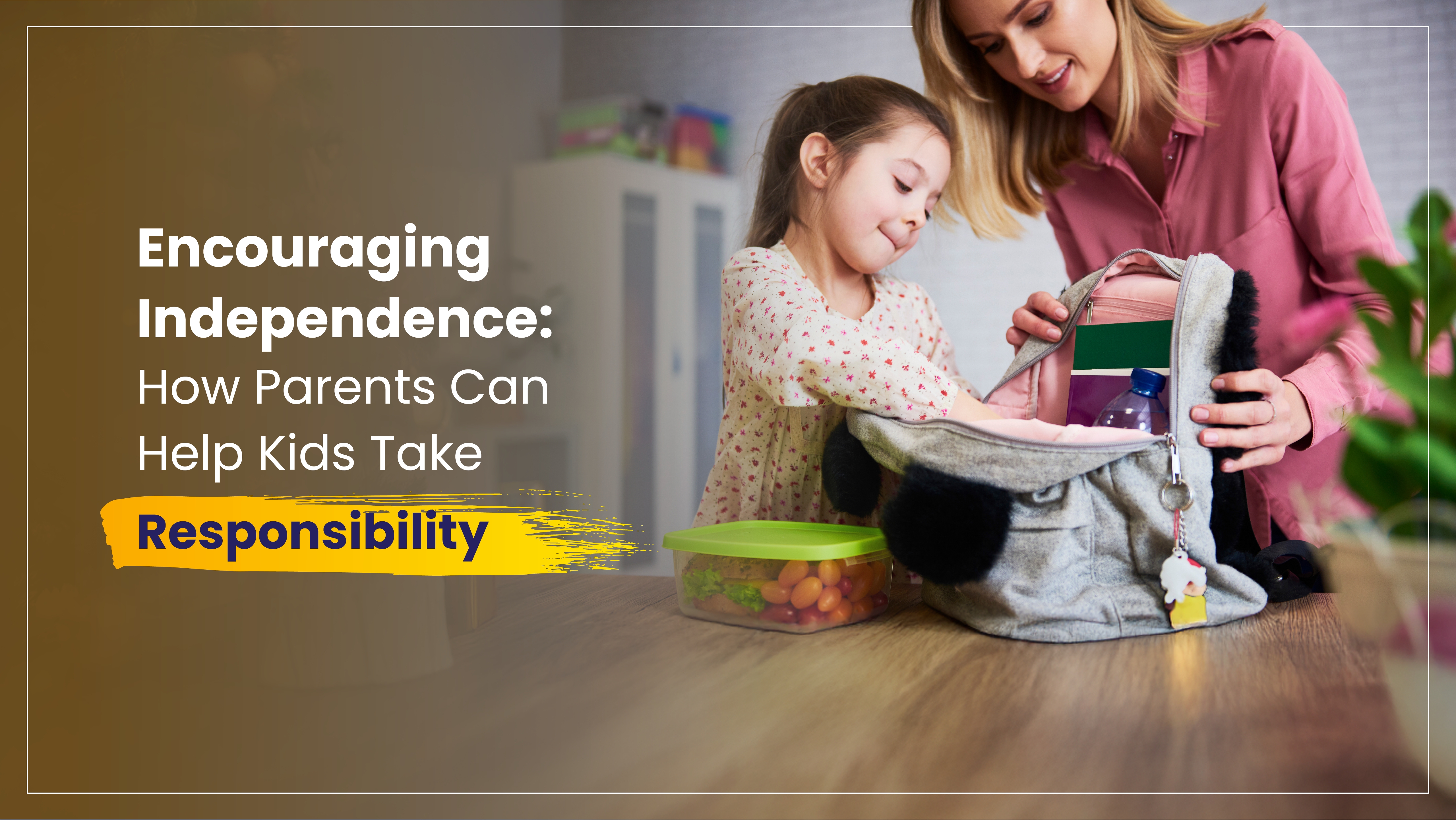
Helping children develop independence and a sense of responsibility is one of the most valuable gifts parents can offer. Encouraging these traits builds confidence and prepares children to face life's challenges with resilience and adaptability. Fostering independence starts early, with tasks growing as children mature. Young kids (3-5) can tidy toys and set the table, while those aged 6-8 do structured chores like packing school bags and feeding pets. By 9-11, they assist with household tasks, manage small allowances, and help with grocery shopping. Teens (12+) develop real-life skills like assisting in the kitchen, running errands, and organising schedules. Starting young builds confidence, problem-solving abilities, and resilience, laying a strong foundation for adulthood. The Importance of Teaching Responsibility: Teaching responsibility helps children understand the consequences of their actions, make informed decisions, and manage their time effectively. It is a cornerstone of personal growth, enabling kids to transition smoothly into adulthood. Whether it’s completing homework on time, managing personal hygiene, or assisting with household chores, these activities instil a sense of ownership and accountability in children. 7 Practical Strategies to Foster Independence: Assign Age-Appropriate Tasks : Giving children responsibilities suitable for their age is a great starting point. Simple tasks such as tidying up toys, setting the dinner table, or packing their school bag teach organisation and accountability. Gradually increasing the complexity of these tasks as they grow builds their confidence and sense of capability. Encourage Decision-Making : Allowing children to make choices helps them understand the value of decision-making. From selecting their clothes to planning weekend activities, small decisions can foster critical thinking and problem-solving skills. Parents can guide their children by discussing the pros and cons of each choice, empowering them to take ownership of their decisions. Promote Time Management : Time management is a crucial skill for fostering independence. Encourage children to use planners or calendars to organise their schedules. For example, setting specific times for studying, play, and relaxation helps them prioritise tasks and develop self-discipline. Model Responsible Behaviour : Children often learn by observing their parents. Demonstrating responsibility in daily tasks, such as managing finances or fulfilling commitments, sets a positive example. Discussing the thought process while making decisions can also give children insights into responsible behaviour. Praise Efforts and Celebrate Achievements : Recognising and appreciating the child’s efforts, even when the outcome isn’t perfect, reinforces positive behaviour. Celebrating their small successes boosts their confidence and motivates them to take on more responsibilities. Teach Problem-Solving : Encouraging children to solve problems independently helps them develop resilience. Parents can guide their children by asking open-ended questions like, "What do you think you can do to fix this?" This approach helps them think critically and build self-reliance. Be Patient and Supportive : Independence is a gradual process that requires patience. Allowing children to learn from their mistakes without criticism fosters a growth mindset. Providing support when needed reassures them that they have a safety net as they explore their capabilities. Fostering independence in children lays the foundation for a responsible and confident future. By assigning tasks, promoting decision-making, and encouraging time management, parents can equip their children with essential life skills. At Narayana, children are encouraged to embrace responsibilities early on through various programmes and events that foster independence and self-confidence. For example, the soft skills development programme helps students build communication and leadership abilities, while events like the Model United Nations promote critical thinking, teamwork, and global awareness. Additionally, hands-on science experiments allow students to explore concepts and solve problems independently. These initiatives, combined with our nurturing environment, empower students to thrive and prepare them for future success because at Narayana, your dreams are our dreams.
28 Nov 2024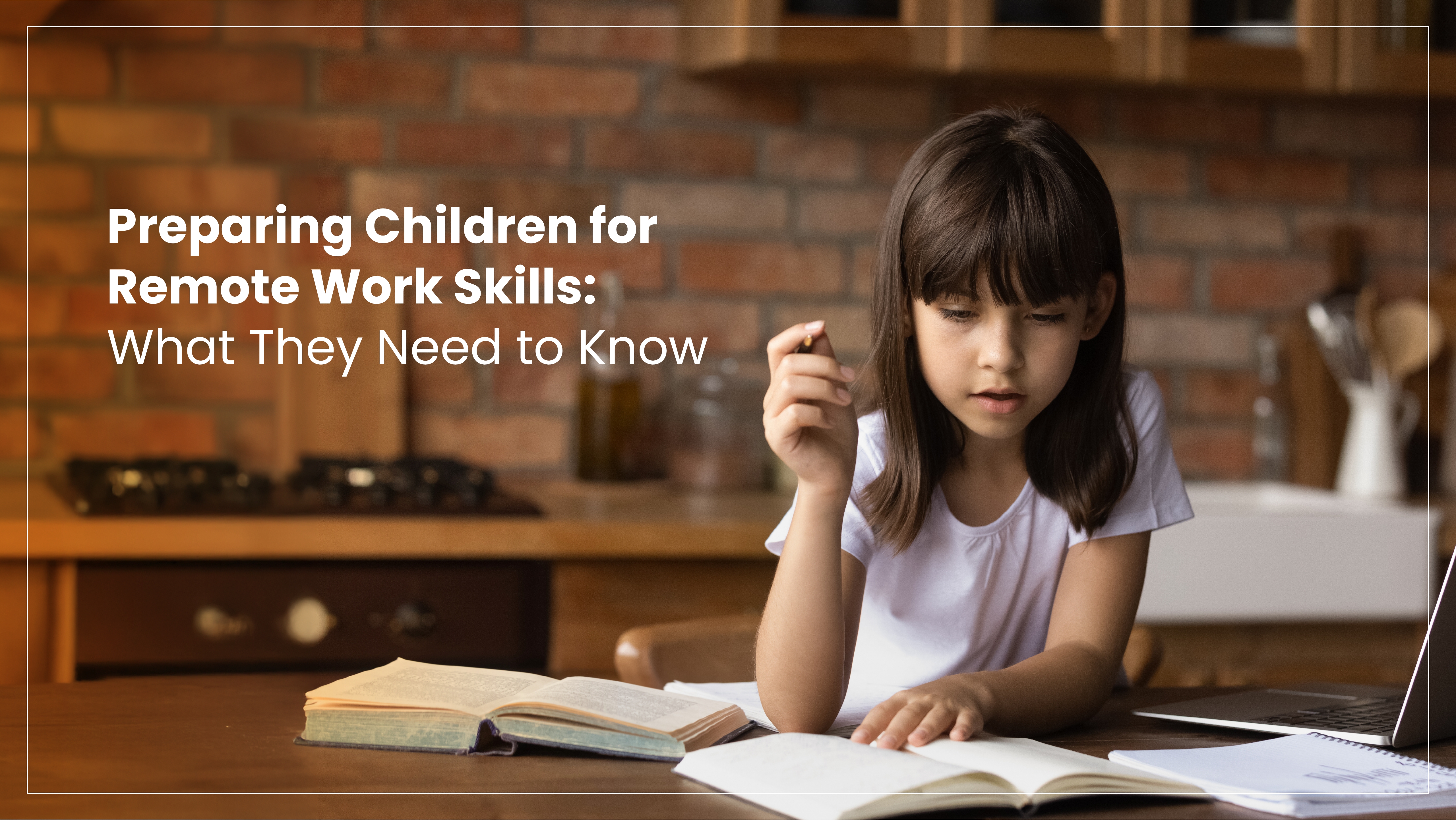 6
At Narayana, the focus remains on equipping students aged 10 to 18 years with essential skills to thrive in a rapidly evolving world. Tailored programmes integrate time management techniques and collaborative projects , ensuring these young learners are future-ready. By seamlessly blending technology with learning and emphasising discipline and adaptability , Narayana prepares students to excel in remote work and other modern challenges. Through the innovative nlearn programme , students can address doubts via video calls with their subject teachers, ensuring real-time clarity and support. This approach fosters confidence and readiness, empowering students to tackle the demands of the digital age effectively. Here are four innovative ways parents can help their child develop remote work skills and thrive in the digital workspace: 1. Mastering Digital Communication - Remote work relies heavily on effective digital communication. Children must learn to use tools like emails, video conferencing platforms, and collaborative apps to convey ideas clearly. Encouraging children to participate in online group activities or presentations helps them refine their written and verbal communication. 2. Developing Time Management Skills - One of the biggest challenges is managing time effectively. Without the structure of a physical workplace, children need to plan their tasks, set priorities, and adhere to deadlines. At home, parents can guide children to establish routines that balance academic responsibilities, personal time, and rest, fostering habits that enhance productivity. 3. Cultivating Self-Discipline -Remote work requires a high degree of self-discipline to stay focused without constant supervision. Children should learn how to avoid distractions, whether they stem from social media or household activities. Setting short-term goals and celebrating small achievements can keep them motivated. Parents can work together to create environments that encourage independence and accountability, ensuring children remain committed to their tasks. 4. Encouraging Collaboration in Virtual Environments - Collaboration in remote settings is often challenging, as it requires teamwork across digital platforms. Children must develop skills like active listening, empathy, and adaptability to work effectively with peers in a virtual space. Involving children in group projects, both academic and extracurricular, helps them practice these skills while familiarising themselves with collaborative tools like shared documents and messaging apps. Preparing Students for the Future At Narayana, the focus remains on equipping students with essential skills to thrive in a rapidly evolving world. Tailored programmes integrate time management techniques and collaborative projects , ensuring children are future-ready. Narayana prepares students to excel in remote work and other modern challenges by seamlessly blending technology with learning and emphasising discipline and adaptability . Through the innovative nlearn programme , students can address doubts via video calls with their subject teachers, ensuring real-time clarity and support. This approach fosters confidence and readiness, empowering students to tackle the demands of the digital age effectively. Conclusion Preparing children for remote work goes beyond academics—it involves fostering essential skills like self-discipline, time management, and virtual collaboration . With these tools, children can confidently navigate the demands of a digital work environment. At Narayana, we aim to make students future-ready, equipping them to handle any situation and thrive because, at Narayana, your dreams are our dreams.
25 Nov 2024 6
In an increasingly interconnected world, understanding and appreciating diverse cultures has become more important than ever. Integrating cultural studies into the curriculum and daily life helps children explore various traditions, histories, and global perspectives. This helps broaden their horizons, foster empathy and equip children with the tools to thrive in a multicultural environment. The Importance of Cultural Awareness Cultural awareness teaches children to embrace diversity, challenge stereotypes, and appreciate the richness of human experience. By exploring Indian cultures such as Punjabi, Tamil, Rajasthani, and Bengali, as well as international cultures like Japanese, Italian, African, and Native American, children gain insights into the unique traditions and values of diverse societies. When cultural studies become a core part of education, children develop a more global perspective that encourages tolerance and collaboration. Such an approach not only enriches their personal growth but also prepares them to succeed in international and multicultural workplaces. Key Benefits of Cultural Studies in Education 1. Promotes Inclusivity and Empathy Learning about different traditions, languages, and histories enables children to understand and appreciate the perspectives of others. Exposure to diverse cultural backgrounds fosters inclusivity, helping students develop empathy and emotional intelligence. 2. Builds Critical Thinking Skills By exploring diverse cultural viewpoints, students learn to analyse issues from multiple angles. This skill is vital for critical thinking and effective problem-solving in today’s complex world. 3. Encourages Collaborative Learning Group activities such as cultural festivals or project-based assignments inspire teamwork among students from different backgrounds. These experiences create a sense of community while reinforcing the value of collaboration in solving real-world challenges. 4. Prepares Children for Global Challenges As children become more aware of global issues, they are better equipped to contribute meaningfully to conversations around climate change, social justice, and international relations. Strategies for Parents to Integrate Cultural Studies in a child’s life: 1. Discuss Global Events Together - Parents can engage children in conversations about global current events. For example, discussing topics like climate change or international conflicts from multiple cultural perspectives helps children see the interconnectedness of the world. This practice not only improves awareness but also encourages empathy for people in different situations. 2. Introduce International Literature and History - Reading books or exploring stories from diverse cultures introduces children to the richness of global traditions and histories. Parents can encourage discussions about international literature or significant historical events to help children appreciate cultural diversity. These activities broaden their worldview and foster critical thinking. 3. Encourage Curiosity About Cultures - Parents can inspire children to explore and celebrate different cultures by exposing them to global cuisines, festivals, or traditions. Activities like trying recipes from another country or attending cultural events as a family make learning fun and interactive, instilling respect for diversity and preparing children to thrive in a globalised society. Conclusion: A Step Towards a Connected Future Integrating cultural studies into the curriculum and in a child's daily life not only enhances academic learning but also nurtures global awareness and emotional intelligence. Children learn to navigate an interconnected world with confidence, compassion, and curiosity by embracing cultural diversity. At Narayana, as we empower students to become ambassadors of empathy and collaboration, we take one step closer to a more inclusive future and fulfilling dreams, because at Narayana, your dreams are our dreams.
21 Nov 2024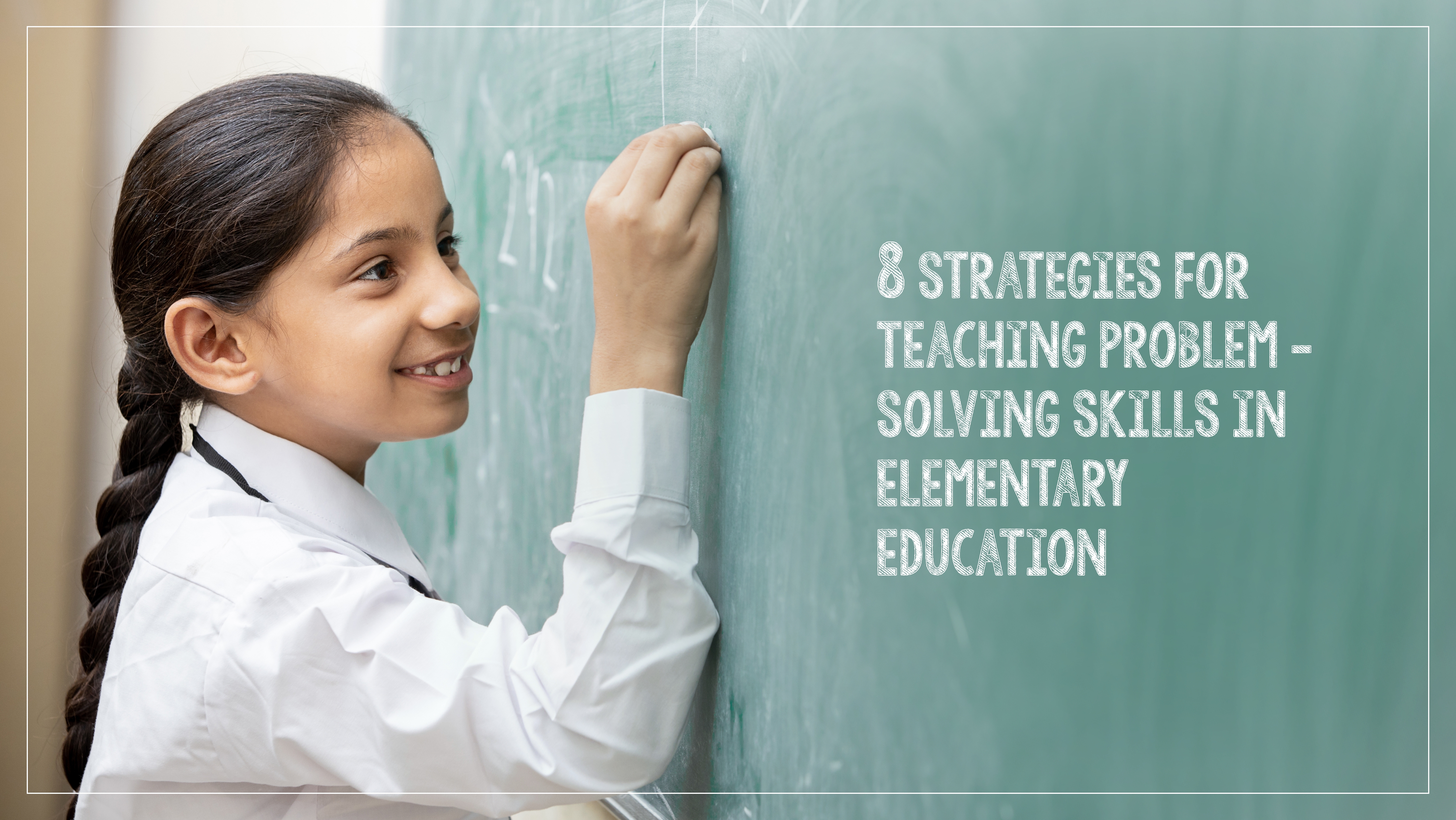 6
Elementary education refers to the foundational years of schooling, typically from classes 1 to 5. During this stage, children develop key cognitive and social skills, making it the perfect time to introduce problem-solving techniques. For parents, understanding how these skills are nurtured in the classroom helps them reinforce these practices at home, ensuring children are better prepared to navigate academic and personal challenges. Here are 8 innovative ways or proven strategies for parents to support their child's journey: 1. Encourage Open-Ended Questions - Children benefit greatly when encouraged to think critically by answering open-ended questions. Parents can ask questions like, “What do you think we should do to solve this?” or “Can you come up with more than one solution to this problem?” These discussions at home build confidence, enhance critical thinking skills in elementary education , and foster curiosity. 2. Relate to Real-World Scenarios - Connecting learning to everyday situations helps children see the relevance of their problem-solving skills. For instance, involve them in decisions like planning a family outing or managing their weekly allowance. This approach mirrors what they learn in school, where real-world problems make lessons more relatable and engaging. 3. Integrate Interactive Activities - Encourage the child to participate in interactive activities like solving puzzles, playing strategy-based games, or engaging in creative group tasks. These activities develop adaptability and allow children to explore multiple solutions in a fun, low-pressure environment, aligning with hands-on learning techniques used in classrooms. 4. Promote Teamwork at Home - Collaborative problem-solving isn’t limited to school. Encourage the child to work with siblings or friends on small projects like building a Lego structure or baking a cake. Team activities teach communication, compromise, and teamwork—skills integral to collaborative learning in elementary education . 5. Demonstrate Problem-Solving - Parents can adopt the "think-aloud" method to model effective problem-solving. For example, when facing a household issue like fixing a leaky tap, explain the steps one is taking to address the problem. This strategy mirrors what teachers do in classrooms and helps children internalise logical approaches to challenges. 6. Encourage Trial and Error - Create an environment where it’s okay for the child to make mistakes and try again. This approach fosters resilience and teaches them that failure is part of the learning process. For instance, if a craft project doesn’t turn out as planned, guide them to make improvements, reinforcing the concept of trial-and-error problem-solving . At Narayana Schools, we integrate trial-and-error analysis into our curriculum, encouraging students to experiment with solutions, learn from their mistakes, and build resilience. This approach ensures that students not only solve problems effectively but also develop the confidence to tackle challenges independently. 7. Use Visual Aids - Introduce tools like charts, diagrams, or even drawing mind maps to help your child break down complex problems. These techniques not only make challenges more tangible but also reflect the visual learning methods used in schools to organise thoughts and structure solutions. 8. Instil a Growth Mindset - A growth mindset encourages children to embrace challenges and see effort as a path to mastery. Praise their perseverance and highlight how their hard work pays off, helping them develop optimism and confidence in tackling future obstacles. Narayana’s age appropriate programme for Overall Growth At Narayana Schools, age-appropriate and tailor-made programmes ensure that students receive the guidance needed to grow into well-rounded individuals, with a special emphasis on developing problem-solving skills. Recognising that every child learns differently, these personalised programmes provide individualised attention, effectively nurturing students from a young age to create a lasting impact on their academic success and overall development. By fostering creativity, resilience, and adaptability, Narayana equips students with essential life skills, empowering them to become confident problem-solvers. Conclusion Teaching problem-solving skills during elementary education builds a solid foundation for lifelong success. For parents, understanding and reinforcing strategies like teamwork, real-world problem-solving, and fostering resilience can make a significant difference. At Narayana, we are committed to nurturing these abilities early on, helping your child grow into a confident, adaptable individual because, at Narayana, your dreams are our dreams.
20 Nov 2024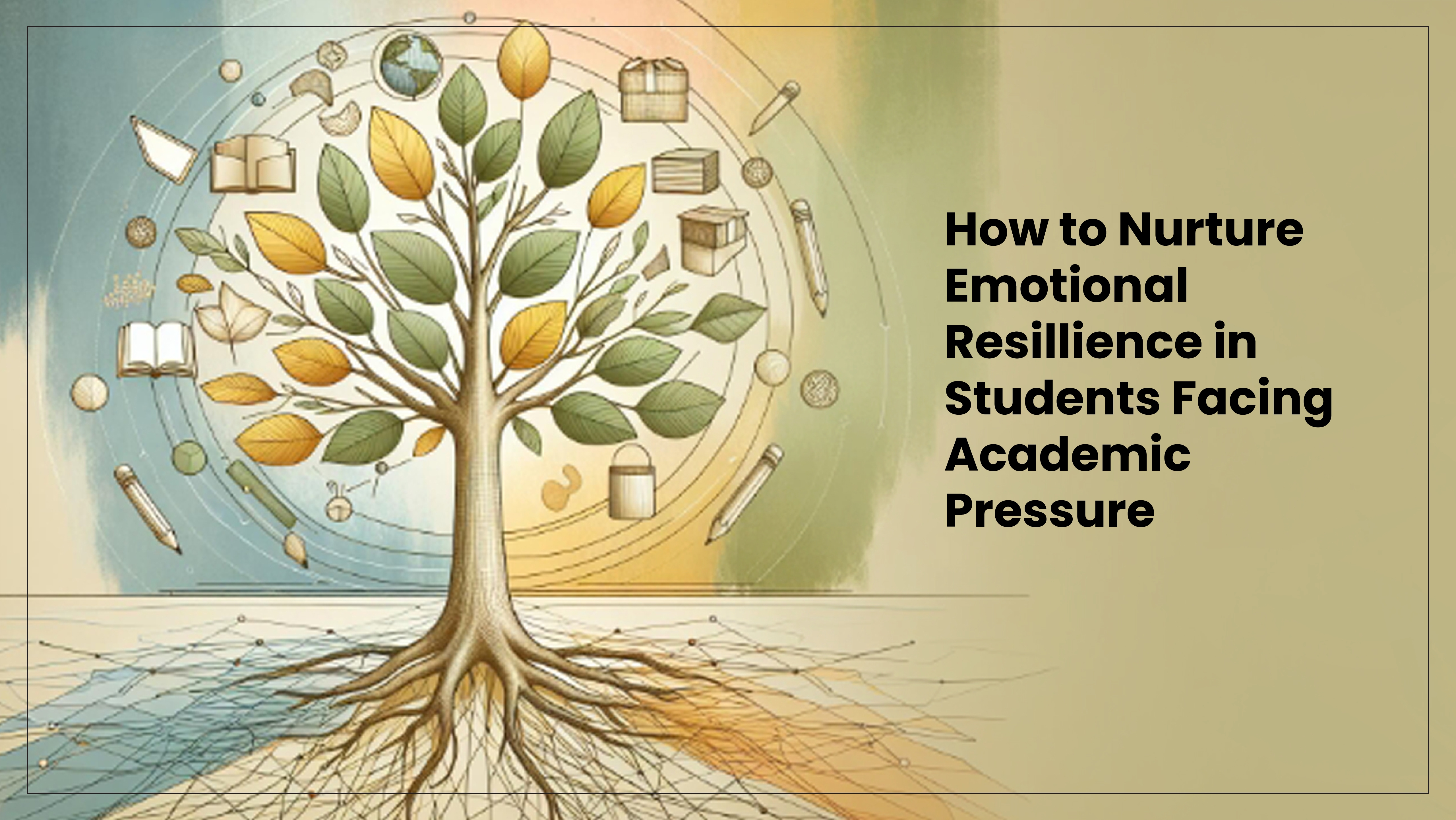 6
Academic pressure is something many Indian students face, often stemming from high expectations and the competitive nature of exams. As awareness around student mental health grows in India, it becomes essential for parents to actively support their children in managing stress and building emotional resilience. This guide highlights practical strategies to help parents nurture resilience and encourage a balanced approach to academic success. The Importance of Emotional Resilience Emotional resilience represents the ability to bounce back from tough situations and learn from setbacks. For students, resilience plays a key role not only in academic succes s but also in developing life skills that contribute to future workplace readiness and relationship-building. When parents support students on this journey, they empower them to handle academic and personal challenges , manage their emotions, and cultivate a positive outlook on life. Strategies for Parents to Build Emotional Resilience 1. Promote Self-Awareness and Emotional Control Guiding students to become aware of their emotions is vital. Open, honest conversations allow students to express themselves freely. Parents can introduce deep breathing or mindfulness techniques to help manage stress effectively. For example, during high-pressure periods like board exams, daily mindfulness sessions help calm thoughts and reduce exam anxiety . 2. Shift Towards a Growth Mindset Shifting the focus from grades to learning and personal growth encourages students to see failure as a stepping stone . Parents can share their stories of overcoming challenges, helping students realize that setbacks are a natural part of life. Celebrating effort and progress rather than only results reinforces the idea that hard work and persistence have value, even if success takes time. 3. Cultivate a Reliable Support Network A strong support network is essential for building resilience. A safe home environment where students feel comfortable discussing their challenges creates a foundation of trust. Including family, teachers, and friends in this support system provides multiple sources of encouragement. Regular family meetings can help, where everyone shares their highs and lows of the week, fostering empathy and open dialogue. 4. Encourage Healthy Coping Mechanisms Introducing students to healthy coping mechanisms like sports, art, or music teaches balance. Engaging in these activities with them reinforces the importance of managing stress and finding joy outside academics. For instance, a student preparing for the JEE may find relaxation in painting or listening to music, providing a mental break from studies and helping recharge their focus. 5. Celebrate Effort and Learn from Setbacks Small achievements build confidence, and learning from setbacks fosters problem-solving skills . Parents can help students reflect on challenges, discuss improvement strategies, and reinforce the concept that failure is a stepping stone to success. In India, where academic results often tie to family pride, shifting focus to effort, growth, and skill development emphasizes resilience over mere outcomes. 6. Encourage Physical Well-being Physical activity, even a short walk, greatly reduces stress levels and improves focus. Regular movement supports student mental health and helps maintain resilience by promoting relaxation and energy renewal. Final Thoughts: Supporting Emotional Resilience Building emotional resilience is an ongoing process that thrives with consistent support from parents. At Narayana, we go a step further with our Disha Mental Well-Being Programme , designed to support children’s mental health and emotional growth. Through Disha, we provide students with tools and resources to manage stress, build self-confidence, and navigate challenges with emotional and mental strength. This overall approach empowers students to become more resilient, preparing them not just for academic success but for life’s complexities. By implementing these strategies at home, alongside Narayana's dedicated support, families create an environment where students feel capable of tackling both academic and personal challenges. Emphasising emotional resilience equips students with the skills for a healthier, more fulfilling life beyond their academic journey—because, at Narayana, your dreams are our dreams.
19 Nov 2024

