

Explore stories and insights
Loading...


 7
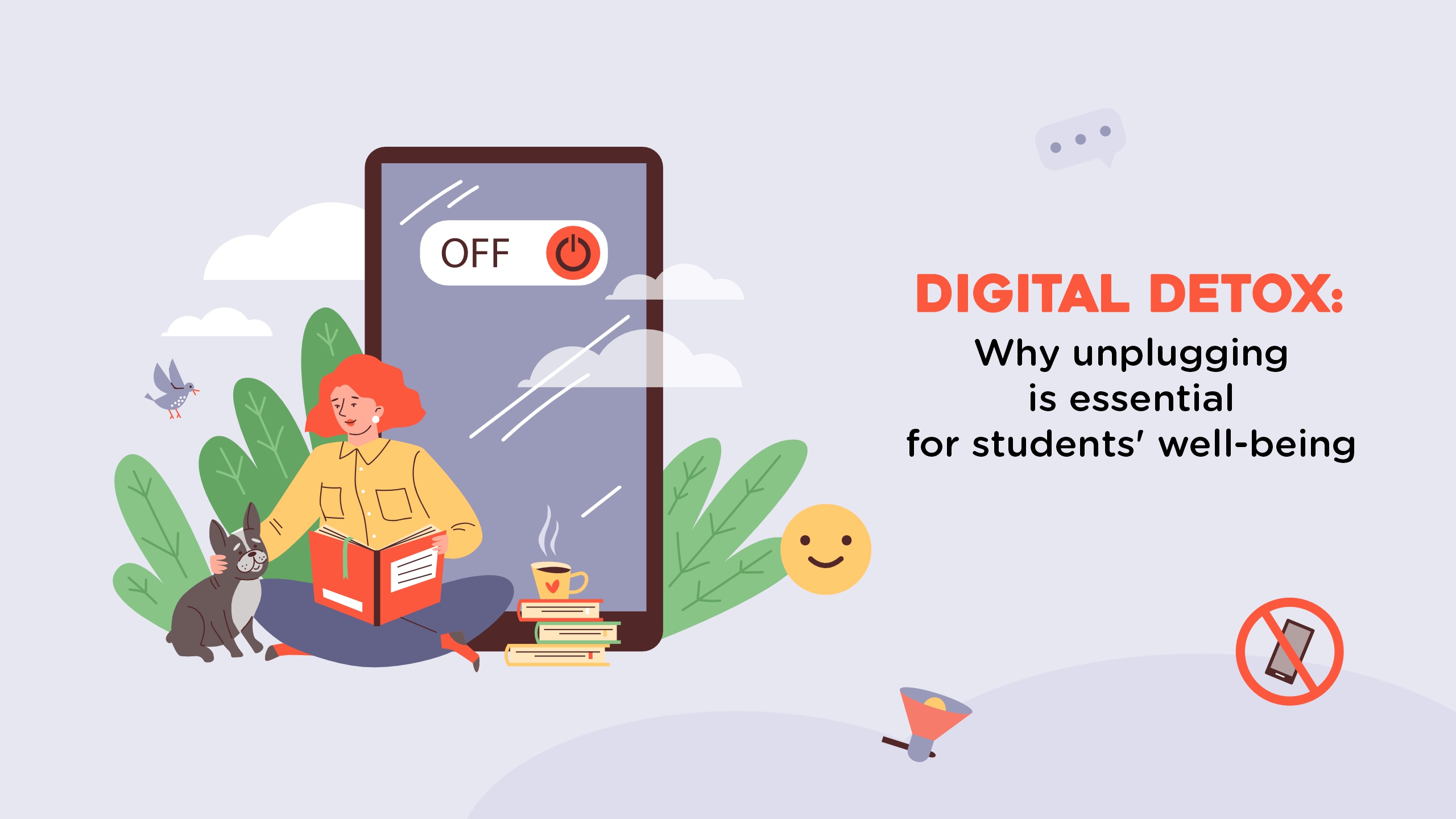
In today’s digital age, screens have become an integral part of education and entertainment for students. While technology offers unparalleled learning opportunities, excessive screen time can take a toll on mental health and overall well-being. Parents play a pivotal role in guiding students towards a balanced approach to technology usage, making digital detox an essential part of their routine. The Impact of Screen Time on Focus and Mental Health Continuous exposure to screens can lead to fatigue, reduced attention spans, and even stress. Prolonged screen time affects the brain’s ability to focus, making it harder for students to absorb and retain information. Moreover, studies reveal that excessive use of gadgets can disrupt sleep patterns, leading to irritability and poor academic performance. The effects are not just academic, prolonged exposure to social media or gaming can create feelings of anxiety and isolation, further impacting a student’s mental health . Importance of Breaks from Technology Striking a balance with technology is crucial in modern education, where its role is indispensable. Just as the body requires rest after physical exertion, the mind benefits from regular breaks from screens. These intervals of digital disengagement help students recharge, reducing mental fatigue and enabling them to return to tasks with renewed focus and energy. By ensuring that technology serves as a tool rather than a distraction, parents can help students stay focused on their goals while preserving their mental , emotional , and physical health . Additionally, this balance includes monitoring content and ensuring students consume educational and positive material, further enhancing their well-being. Benefits of Unplugging for Mental Health A digital detox provides significant health benefits. Reduced screen time has been shown to decrease stress and promote a sense of calm. It allows students to engage in physical activities, hobbies and family interactions, all of which foster emotional well-being. Additionally, stepping away from screens encourages mindfulness, enabling students to better understand and manage their emotions. Practical Tips for Reducing Screen Time Effectively Implementing a digital detox does not mean eliminating technology. Instead, it involves creating healthy habits and finding a balance. Here are some actionable steps: Set Clear Boundaries: Establish specific times for technology use, such as limiting gadget usage during meals or before bedtime. Designate tech-free zones at home, like the dining table or bedrooms. Encourage Outdoor Activities: Promote sports, cycling or even simple walks in the park. Physical activities not only improve physical health but also provide a much-needed break from screens. Incorporate Technology-Free Activities: Engage students in hobbies such as reading, art, music or board games. These activities stimulate creativity and enhance cognitive skills without the involvement of screens. Model Healthy Screen Habits: Parents can set an example by limiting their own screen time and engaging in family activities that do not involve gadgets. Use Apps Wisely: Ironically, technology can help manage screen time . Apps like parental controls or time trackers can monitor and limit gadget usage effectively. Adopt the 20-20-20 Rule: For every 20 minutes of screen time , encourage students to look at something 20 feet away for at least 20 seconds. This practice reduces eye strain and promotes better focus. The Role of Parents in Supporting Digital Detox Parents hold the key to fostering a healthier approach to technology. By creating a supportive and balanced environment , parents can help their children develop habits that prioritise health and overall well-being. Unplugging from screens is not about resisting technology, but about using it wisely. With thoughtful guidance, students can thrive academically and emotionally, paving the way for a healthier and more balanced future. At Narayana Schools, we understand the profound impact of technology on today’s learners. As educators, we are committed to nurturing the overall growth of students, academically, emotionally and socially. This also reflects our dedication to guiding parents and students towards a balanced relationship with technology, ensuring that their well-being is always prioritised. We believe that by fostering healthy habits and encouraging meaningful engagement, we can create an environment where students excel both in and out of the classroom. A digital detox is not just a passing trend, it is an essential step towards nurturing happy, focused and resilient students empowering them to pursue their goals and aspirations. At Narayana Schools, we are committed to supporting and guiding students not only in their pursuit of educational excellence but also in promoting a balanced approach to their well-being. By cultivating a healthy mind, body, soul and lifestyle, we ensure that every step of their journey is aligned with their dreams, because, at Narayana Schools, your dreams are our dreams . Stay Connected with Us! For more tips, updates, and insights, follow us on Instagram: @thenarayanagroup . Let's stay inspired and empowered together!
 20 Jan 20257
As we step into 2025 , it is the ideal time for students to set new academic goals and establish smarter study strategies . Study plans play a pivotal role in shaping children’s educational journey , and a well-structured study plan can pave the way for both academic excellence and personal growth . By fostering effective habits and maintaining a healthy balance between studies and well-being , students can build a strong foundation for future success . Here is how to create a winning study plan tailored for the new year . 1. Set Realistic Academic Goals Begin by defining clear, achievable objectives. Whether it's improving grades, mastering a challenging subject, or developing effective study habits , setting specific goals provides direction and motivation. Break down long-term aspirations into short-term targets to maintain a sense of accomplishment and progress. 2. Embrace Scheduling Scheduling involves planning study sessions in small, manageable increments for learning to become both stress-free and highly effective, fostering a consistent and balanced academic journey. Allocate specific time slots for each subject daily, considering energy levels and peak concentration times. At Narayana Schools, we implement microscheduling in our pedagogy to optimise learning outcomes and a similar approach can easily be adopted at home for effective time management. The innovative micro-scheduling technique further enhances this approach, enabling students to stay on track while also allowing flexibility for unforeseen circumstances such as breaks, holidays or low-energy days. This thoughtful strategy ensures steady progress, even on days when motivation might falter, and accommodates events like family commitments, holidays, or unexpected health issues. 3. Develop Well-Rounded Study Habits Beyond Academics Cultivating healthy study habits is key to both effective learning and overall well-being . Use tools such as calendars or planners to manage tasks and deadlines effectively, reducing stress and preventing burnout . Choose a quiet, organised study environment , take regular breaks to maintain focus , and employ active learning techniques , such as summarising information or teaching concepts to others. To support cognitive function, ensure adequate sleep , nutrition , and physical activity . A well-rounded education goes beyond academics. Engaging in sports , arts , or clubs helps develop essential soft skills like teamwork , communication , and leadership . These activities provide a refreshing break from studies, promote a healthy lifestyle, and contribute to personal growth . At Narayana Schools, to enhance personality and communication , we offer soft-skill activities like debating , writing , and speaking , while nSports encourages physical health and an active lifestyle. Additionally, our Yoga Vikshan Programme boosts mental clarity , concentration , emotional stability , and inner strength . Maintaining mental and emotional well-being is vital for effective learning. To achieve this, incorporate self-care tips into the routine, such as mindfulness , hobbies , or spending quality time with loved ones. Furthermore, recognise the signs of stress and take proactive steps to address them, ensuring a sustainable and enjoyable study routine. 4. Overcome Procrastination and Boost Productivity Procrastination, the act of delaying or postponing tasks despite knowing their importance, can be a major hurdle to academic success, often leading to stress and last-minute cramming. To combat this, start by identifying the reasons behind procrastination, be it fear of failure, lack of motivation or feeling under the weather. Divide tasks into smaller, manageable steps and establish clear, attainable objectives for each study session, whether the workload feels daunting or unexpectedly light. This approach ensures steady progress and maintains focus, regardless of how overwhelming or underwhelming the day may seem. Adopting time-blocking techniques or using study planners can help prioritise tasks effectively and stay on track. Take short breaks or enjoy small treats after completing tasks to maintain motivation. Additionally, eliminate distractions by creating a clutter-free, focused study environment. Consistency is key, hence stick to the schedule, review progress regularly, and make adjustments as needed. Addressing procrastination head-on and cultivating a disciplined approach can enhance productivity and create a structured routine that supports academic success. 5. Seek Support When Needed Cultivating the habit of seeking guidance from teachers , peers or family members when navigating academic challenges . Engaging in study groups or meaningful discussions can offer new insights and deepen understanding. Seeking support demonstrates a proactive approach towards academic success. At Narayana Schools, we recognise the importance of mental well-being in this journey. Our Disha Mental Wellbeing Programme provides a safe, supportive, and confidential environment where students can openly share their concerns, receive expert guidance, and build the confidence to overcome obstacles and thrive. Conclusion Creating a winning study plan for 2025 is not just about academics, it is about building a healthy, balanced lifestyle that supports goal-setting and sustainable growth. With the right approach to scheduling and adopting healthy study habits, students can stay motivated, avoid burnout, and maintain a balanced routine that fosters long-term success. Success is a product of careful planning , consistent effort , and a healthy mind and body . At Narayana Schools, we believe that your dreams are our dreams , and we are committed to supporting you every step of the way. With the right mindset, tools, and approach, 2025 can be a year of breakthroughs and achievements. Let this year be where students not only achieve their academic goals but also grow holistically, equipping themselves for a future of success.
09 Jan 202510Why is early childhood education important? The ages of one to eight mark a crucial window for learning, as children's brains undergo rapid development during this period. During these years, early childhood health, safety, and education significantly boost a child's potential to fully engage in social, cultural, and economic life as they grow. What is Early Childhood Education? Early childhood education (ECE) refers to structured and unstructured learning activities for children from birth to age five. These programmes support cognitive, social, and emotional growth before formal schooling begins. ECE focuses on preparing children academically while nurturing emotional well-being and social skills. At Narayana Schools , age-appropriate programmes ensure children receive the right curriculum for their developmental stage: eKidz (Nursery to UKG) : Provides personalised learning in a safe, secure, and hygienic environment . It fosters early social, emotional, and cognitive skills through playful and engaging activities. eChamps (Classes 1-5) : This programme promotes complete development and builds a strong foundation for future learning. The curriculum focuses on language, literacy, and numeracy skills in a supportive atmosphere. eTechno (Classes 6-10) : This programme prepares students for the competitive world with exposure to national and international Olympiads, enhancing problem-solving and critical-thinking skills. The Importance of Early Education for Development Early childhood education equips children with the tools to become lifelong learners . These tools include social, emotional, and cognitive skills necessary for success in school and beyond. Language and Literacy : Exposure to rich language environments enhances vocabulary and communication skills. Early reading and storytelling activities at Narayana Schools spark imagination and creativity, preparing children for future academic achievement. Cognitive Development : ECE helps children develop reasoning, problem-solving, and decision-making skills. At Narayana Schools, eKidz and eChamps focus on building cognitive abilities through engaging activities and interactive lessons. Social Skills : Children learn to interact effectively with peers and adults. In Narayana’s nurturing environment, they practice sharing, teamwork, and communication, forming healthy relationships and understanding social norms. Emotional Growth : Early education helps children manage their emotions and develop resilience. Through the Disha programme, Narayana Schools offers emotional support with skilled counsellors, ensuring children build a positive self-image and mental well-being. The Yoga Vikshana programme also promotes mindfulness and physical health, helping children improve focus, reduce stress, and enhance overall well-being. A Foundation for Lifelong Learning Research shows that quality early education leads to better school performance, higher graduation rates, and greater chances of pursuing higher education. Narayana Schools integrated curriculum combines the best of CBSE, ICSE, IGCSE, and IB syllabi , refined over decades by a dedicated R&D team . This approach ensures maximum conceptual understanding and academic success. Why Choose Narayana Schools for Early Childhood Education? Narayana Schools provide a tech-enabled framework with platforms like nConnect, nLearn , and ASTRA , an AI-powered chatbot for academic support. These resources, combined with age-appropriate programmes like eKidz, eChamps, and eTechno , ensure each child receives personalised education tailored to their developmental needs. Investing in early education with Narayana helps children thrive in an ever-evolving world because, at Narayana, your dreams are our dreams.
27 Dec 2024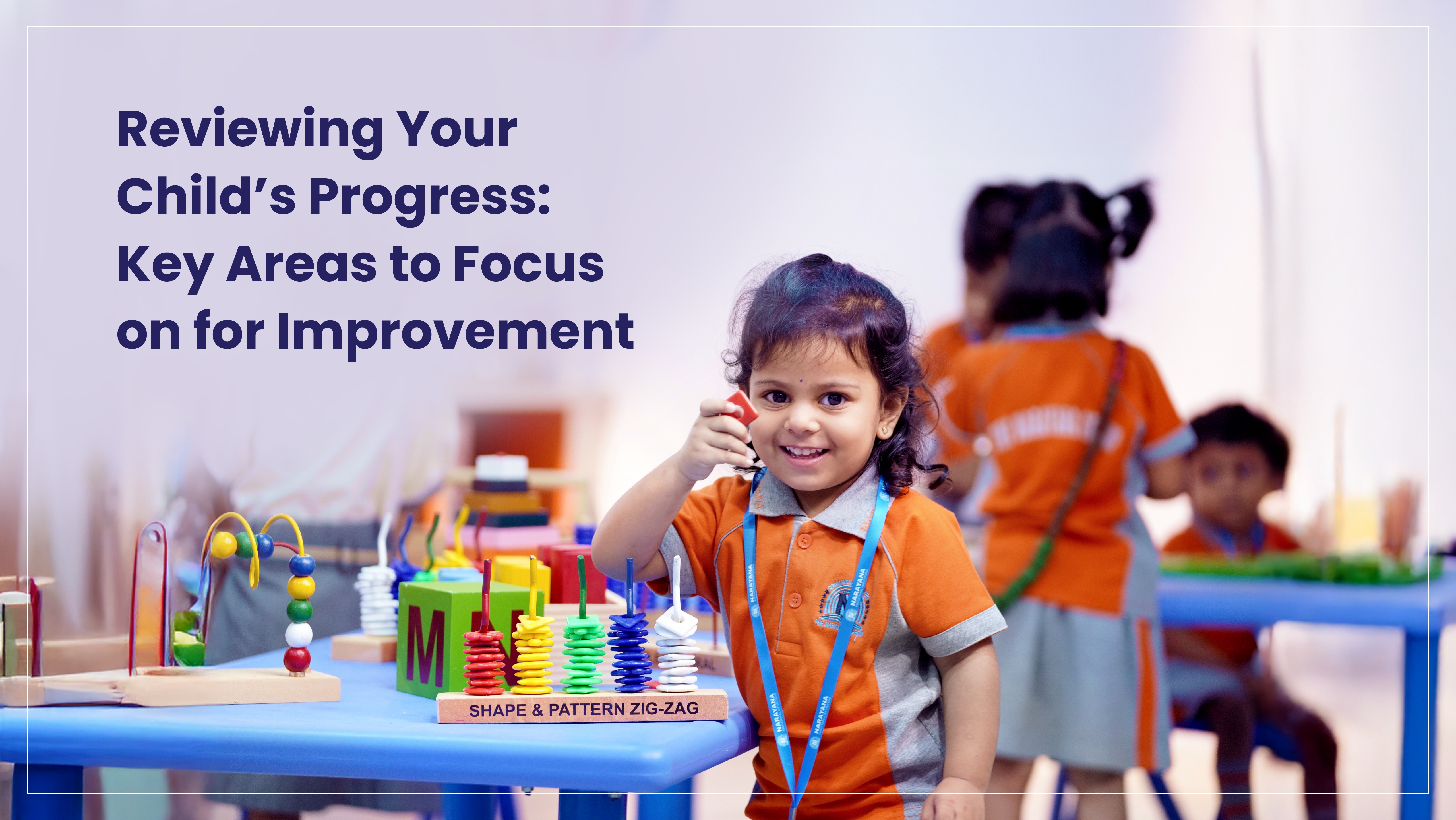 7
As the year comes to a close, it is an ideal time for parents to review their child’s performance and identify growth opportunities. A thorough evaluation of a child’s progress allows parents to celebrate strengths while addressing areas that need improvement. By focusing on specific key areas, parents can plan supportive strategies to ensure their child excels in the new year and stays motivated throughout the learning journey. Assessing Academic Strengths and Weaknesses - Start by examining your child’s report card and discussing their performance in individual subjects. Identify their strongest subjects and the ones that present challenges. Look beyond grades to assess their engagement with coursework and their ability to apply concepts. Reflecting on feedback from teachers and observing the child’s learning habits can provide valuable insights into their strengths and areas for growth. Developing Effective Study Habits - Academic success relies heavily on strong study habits. Parents can help by evaluating their child’s time management skills, organisational abilities, and consistency in completing assignments. If weaknesses are identified, parents can introduce strategies such as creating a structured study schedule, organising materials, and encouraging goal-setting for better focus and discipline. Identify Your Child’s Interests and Passions - Evaluate your child’s participation in non-academic activities such as sports, art, or music. Recognising their interests and passions helps balance academic demands with personal fulfilment. Encouraging these activities nurtures creativity, teamwork, and discipline , contributing to their overall development and emotional well-being. Encouraging Emotional and Social Development - Academic progress is influenced by a child’s emotional and social well-being. Parents should assess whether their child feels confident, motivated, and comfortable seeking help when needed. Encouraging open communication about academic challenges and fostering a growth mindset can have a transformative impact on their attitude toward learning. Collaborating with Teachers - Building a strong partnership with the child’s teacher is critical for tracking progress. Parents should actively participate in parent-teacher meetings to understand how their child is performing in classroom settings. Seeking teachers’ feedback on academic behaviour and areas of improvement can provide actionable insights to implement at home. Setting Goals for the New Year - Once strengths and weaknesses are identified, work with the child to set achievable goals for the new academic year. These goals should cover academic targets, skill development, and extracurricular activities. Break them into smaller, manageable steps to keep your child motivated and focused on continuous improvement. At Narayana Schools, we prioritise the continuous tracking and enhancement of every student’s academic journey. Through our adoption calling method , each student is assigned a dedicated mentor who connects with parents and students every two weeks. This mentor identifies concerns, collaborates with subject teachers to address them during classroom sessions, and ensures timely intervention for progress. Additionally, our nConnect app keeps parents informed about their child’s performance by providing regular updates, feedback, and personalised insights. This transparent approach helps parents stay on track with their child’s growth and fosters a collaborative environment for overall- development. Reviewing the child’s progress is not just about identifying grades but about supporting their overall development. With timely evaluation, collaborative efforts, and the right strategies, parents can ensure their child is set for success in the upcoming academic year. At Narayana Schools, we make this journey seamless by offering robust support systems to track, enhance, and celebrate every milestone, because at Narayana, your dreams are our dreams .
26 Dec 20246Preparing for a new academic year presents an excellent opportunity to set meaningful goals that guide children toward success. Parents play a vital role in helping their children identify strengths, address challenges, and develop actionable plans for the year ahead. Setting academic goals for 2025 ensures that children are equipped to excel academically, emotionally, and socially in an ever-evolving competitive environment. Understanding the Importance of Academic Goals Academic goals are pivotal in shaping a child's educational journey, offering them direction, focus, and a clear sense of purpose. These objectives empower children to prioritise their efforts effectively, ensuring they concentrate on what truly matters. By tracking their progress, children gain a sense of accomplishment, boosting their confidence and self-esteem. Goals also encourage a growth mindset, teaching children to view challenges as stepping stones to improvement rather than barriers to success. This perspective instils resilience and adaptability, preparing them for future endeavours. Celebrating achievements along the way further motivates children, reinforcing their commitment to continuous learning and excellence. Six Strategies to Prepare for 2025 Success Reflect on the Past Year - Review the child’s performance in 2024. Discuss what went well, where they struggled, and how they felt about their achievements. This reflection will help identify areas that need improvement and strengths to build upon. Set SMART Goals - Encourage the child to set Specific, Measurable, Achievable, Relevant, and Time-bound (SMART). For instance, instead of aiming to "do better in maths," a SMART goal would be to "increase maths scores by 10% by the mid-year exams." Focus on Overall Growth - Academic success goes hand in hand with emotional and social well-being. Alongside academic targets, include goals that foster emotional intelligence , such as managing stress, and social skills , like participating in group activities or extracurriculars. Create a Supportive Study Environment - Ensure the child has a dedicated study space free from distractions. Establishing a consistent study routine with regular breaks can help improve focus and productivity. Encourage Continuous Learning - Equip the child with the resources they need to excel, such as reference books, access to online learning platforms, or extra coaching where necessary. Encourage them to ask questions and seek help when needed. Monitor and Adjust Goals - Regularly review progress and adjust goals as needed. Celebrate small milestones to keep the child motivated and focused on their larger objectives. At Narayana Schools, we ensure that each student is prepared to achieve their goals through our comprehensive and structured approach. We focus on the overall development of students, nurturing their emotional and social growth alongside academics. Additionally, we foster teamwork and resilience, helping students thrive in a competitive ecosystem. As 2025 approaches, setting academic goals for the child becomes a step toward ensuring their success in the new year. By focusing on well-rounded growth and adopting actionable strategies, parents can empower their children to achieve their full potential and fulfil their dreams, because at Narayana, your dreams are our dreams .
24 Dec 20247Public speaking is a valuable skill that helps students express their thoughts confidently and clearly. Mastering this skill at an early age not only enhances academic performance but also sets a foundation for future success. Here are 5 invaluable tips for parents to help instil confidence in their children, empowering them to become articulate and self-assured public speakers. 1. Practice Regularly The key to improving public speaking skills lies in consistent practice. Students should rehearse their speeches or presentations multiple times to build familiarity and confidence. Practising in front of a mirror or recording themselves can help them identify areas of improvement. The more they practice, the more comfortable they become with speaking in public. 2. Know the Audience Understanding the audience’s interests and expectations plays a crucial role in effective communication. Encourage students to tailor their message to engage their listeners. When students know who they are addressing, they can choose the right words, tone, and style to deliver a more impactful presentation. This helps them connect better with the audience and boosts their confidence. 3. Work on Body Language Body language can make or break a speech. Good public speaking involves maintaining eye contact, using appropriate hand gestures, and adopting an upright posture. Students should be aware of their facial expressions and avoid fidgeting. Positive body language helps convey confidence and keeps the audience engaged. Practising gestures and maintaining a steady stance can significantly improve their delivery. 4. Organise Thoughts Clearly A well-structured speech makes it easier for students to express their ideas and for the audience to follow. Teach students to organise their thoughts by using a clear introduction, body, and conclusion. They can use bullet points or outlines to stay on track. This structure reduces the fear of forgetting points and makes their speech more coherent and compelling. 5. Engage in Active Listening Great speakers are often great listeners. Please encourage students to participate in group discussions, debates, and Q&A sessions where they actively listen and respond to others. This practice sharpens their thinking, helps them learn how to address different perspectives, and improves their ability to handle questions confidently during speeches. The Narayana Approach to Public Speaking Excellence At Narayana Schools , we understand the importance of developing strong public speaking skills in students. Our comprehensive soft skills programme provides various opportunities for students to enhance their speaking abilities. We conduct speaking activities , debate competitions , and presentation workshops to instil confidence and improve articulation. Our programmes are designed to nurture communication skills in a supportive environment, allowing students to grow robustly. We believe that every child has the potential to become an effective speaker and leader. By participating in these activities, students learn to express their ideas clearly, think critically, face audiences confidently, and walk on the path of achieving their dreams, because at Narayana, Your Dreams Are Our Dreams .
23 Dec 2024

