

Explore stories and insights
Loading...


 7
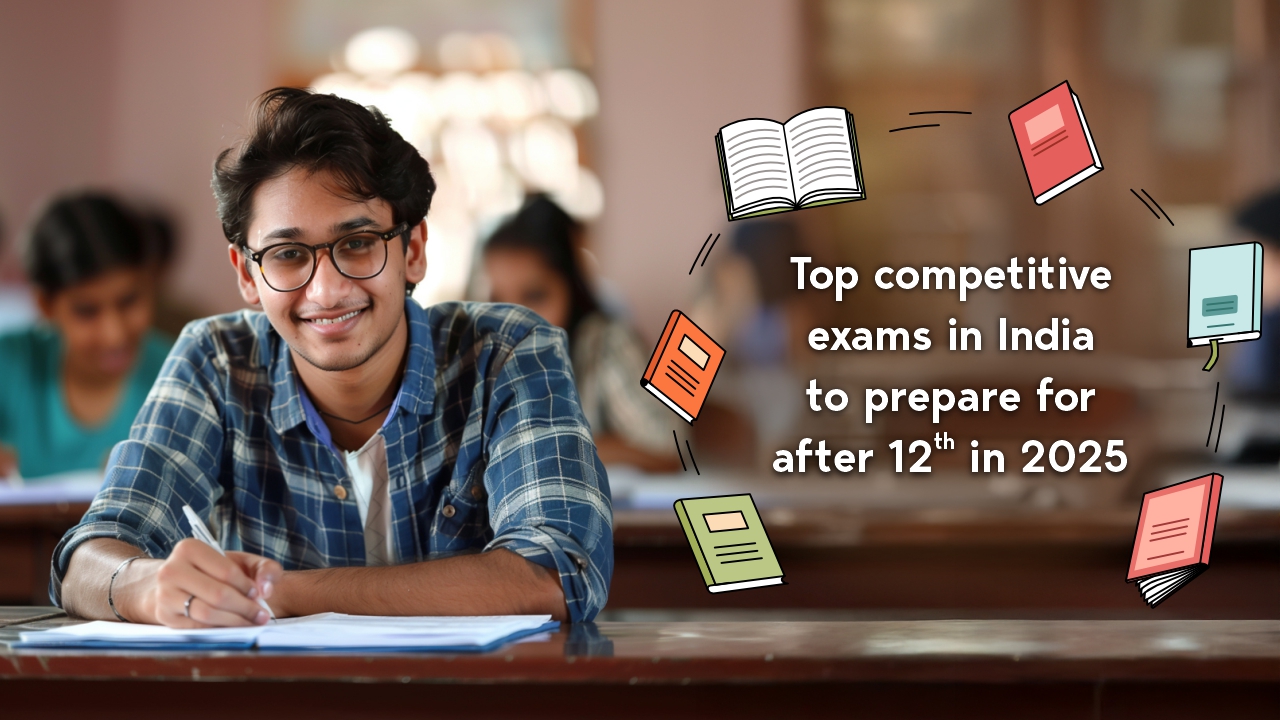
Completing 12th grade marks a crucial turning point in a student's life, setting the stage for their career aspirations. Cracking competitive exams paves the way for admission into prestigious universities, professional courses, and government jobs . From engineering and medicine to law, management and defence, students have a wide array of entrance exams to choose from based on their interests and career aspirations. These exams determine their academic and professional journey, making them one of the most significant milestones in their lives. With the 2025 Board Exams around the corner, students must be aware of the top entrance exams after the 12th in India , their eligibility, exam format, and importance. This article provides a comprehensive guide to help students prepare for their dream careers. Engineering Entrance Exams For students aspiring to become engineers, clearing a national-level engineering entrance exam is essential. The Joint Entrance Examination ( JEE ) is the most popular among these, conducted in two phases: JEE Main , which serves as the qualifying test for National Institute of Technology ( NITs ), Indian Institute of Information Technology ( IIITs ) and Government Funded Technical Institute ( GFTIs ), and JEE Advanced , the gateway to admission in the Indian Institutes of Technology ( IITs ). The exam is conducted by the National Testing Agency ( NTA ) and covers subjects like Mathematics, Physics and Chemistry . (Kind of examination) JEE Main is conducted by the National Testing Agency (NTA) in Computer-Based Test ( CBT ) mode for Mathematics, Physics and Chemistry , while the Drawing section of the B.Arch paper is held in pen-and-paper mode . On the other hand, JEE Advanced is conducted in a fully Computer-Based Test ( CBT ) mode by one of the IITs on a rotational basis . Apart from JEE, the BITS Admission Test ( BITSAT ) is another prominent engineering entrance exam conducted by the Birla Institute of Technology and Science for admission into its Pilani, Goa and Hyderabad campuses . This computer-based test evaluates a student’s mathematical and logical abilities , along with their command over English proficiency . Medical Entrance Exams For students aiming to pursue Bachelor of Medicine, Bachelor of Surgery ( MBBS ) , Bachelor of Dental Surgery ( BDS ) or Ayurveda, Yoga & Naturopathy, Unani, Siddha, and Homoeopathy ( AYUSH ) courses , the National Eligibility cum Entrance Test (NEET-UG) is the most critical exam. Conducted by NTA , NEET is the sole entrance examination for admission into All India Institute of Medical Sciences ( AIIMS ), Jawaharlal Institute of Postgraduate Medical Education and Research ( JIPMER ) and other top medical institutions . The exam follows a strict Multiple Choice Question ( MCQ ) format pen-and-paper-based test , covering topics in Biology, Chemistry and Physics . Given the intense competition, students must start their preparation early and stay updated on exam notifications. Law Entrance Exams With an increasing number of students choosing law as a career , the Common Law Admission Test ( CLAT ) has become one of the most sought-after entrance exams. Conducted by the Consortium of National Law Universities (NLUs) , CLAT is a gateway to 22 NLUs across India . It evaluates students on English comprehension, general knowledge, legal reasoning, logical reasoning and quantitative aptitude . The exam is conducted offline (pen-and-paper-based test ) . Apart from CLAT , students who aspire to study at National Law University, Delhi must appear for the All India Law Entrance Test (AILET) . This university-specific entrance exam tests students’ analytical skills, reasoning abilities and legal knowledge . AILET is also conducted offline ( pen-and-paper-based test ). Defence Entrance Exams For students who dream of serving the nation, the National Defence Academy (NDA) and Naval Academy (NA) exam is one of the most prestigious exams conducted by Union Public Service Commission (UPSC) . This national-level exam recruits young cadets into the Indian Army, Navy and Air Force . The selection process involves a written test conducted in offline ( pen-and-paper ) mode , followed by a rigorous physical and medical examination . Those who clear this exam join the NDA in Khadakwasla , Pune, Maharashtra or the Naval Academy in Ezhimala , Kerala , where they undergo training before being commissioned as officers. Management Entrance Exams For students interested in business and management, the Integrated Programme in Management Aptitude Test (IPMAT) is an essential examination, designed for admission into the Five-Year Integrated Programme in Management (IPM) of Indian Institutes of Management ( IIMs ). Each participating IIM has its own IPMAT exam, and the application processes are managed separately. These exams assess candidates on quantitative ability, verbal ability, and logical reasoning . IPMAT is conducted in a computer-based ( online ) mode. Design and Fashion Entrance Exams Creatively inclined students who wish to pursue careers in design and fashion can apply for the NID Design Aptitude Test (NID DAT) and the NIFT Entrance Exam. These exams grant admission into prestigious institutions like the National Institute of Design (NID) and the National Institute of Fashion Technology (NIFT) . The exams assess a candidate’s artistic and design abilities, creativity and problem-solving skills . The NID DAT is conducted in two stages, Prelims (offline pen-and-paper test) and Mains (studio test and interview) . Similarly, the NIFT Entrance Exam consists of two written tests, the General Ability Test ( GAT ) and the Creative Ability Test ( CAT ) conducted in offline mode , followed by a Situation Test. Government Job Exams After 12 th For those who wish to secure government jobs immediately after 12th grade , there are several opportunities. The SSC Combined Higher Secondary Level (CHSL) exam , conducted by the Staff Selection Commission (SSC) , is one of the most popular choices. It offers clerical and assistant positions in various government ministries and departments . The exam is conducted online and computer-based . Students looking for railway jobs can appear for the Railway Recruitment Board Non-Technical Popular Categories (RRB NTPC) exam , which offers positions in India’s railway sector . The RRB NTPC exam is also conducted in an online computer-based mode , followed by skill tests and document verification. These exams provide job security, a stable income and long-term benefits . Scholarship and Financial Assistance Exams Many students from economically weaker sections (EWS) can benefit from scholarship-based competitive exams . The National Means-cum-Merit Scholarship (NMMS) helps financially struggling students pursue higher education by offering monetary assistance. The NMMS exam is conducted in an offline (pen-and-paper) mode , assessing students on the Mental Ability Test (MAT) and Scholastic Aptitude Test (SAT) . Similarly, the Innovation in Science Pursuit for Inspired Research - Scholarship for Higher Education (INSPIRE-SHE) encourages students to take up careers in scientific research and innovation . Unlike traditional entrance exams, INSPIRE-SHE does not have a direct examination , instead, it awards scholarships based on academic performance in Class 12 board exams and national-level competitive exams like JEE and NEET . The Importance of Competitive Exams Competitive exams play a pivotal role in shaping a student's career by providing them with access to premier institutes, better job opportunities and financial security . Whether a student aims to become an engineer, doctor, lawyer, government officer or designer , these exams open pathways to success. More importantly, for students from underprivileged backgrounds , scholarships and government job exams provide a level playing field to achieve their aspirations. At Narayana Schools, we believe that every student has the potential to excel and we are committed to nurturing that potential through structured academic programmes, expert mentorship and intensive training . Our age-appropriate integrated curriculum and specially designed preparatory strategies ensure that students are well-equipped to tackle competitive exams with confidence . From early exposure to Olympiads and foundational coaching for JEE, NEET and other competitive exams to personalised guidance we prepare students for success at every stage. Through regular assessments, AI-driven analytics and an unwavering focus on concept clarity , we nurture young minds in choosing the right exam and preparing diligently to achieve their dream careers , as at Narayana Schools, your dreams are our dreams .
 06 Feb 2025
 10
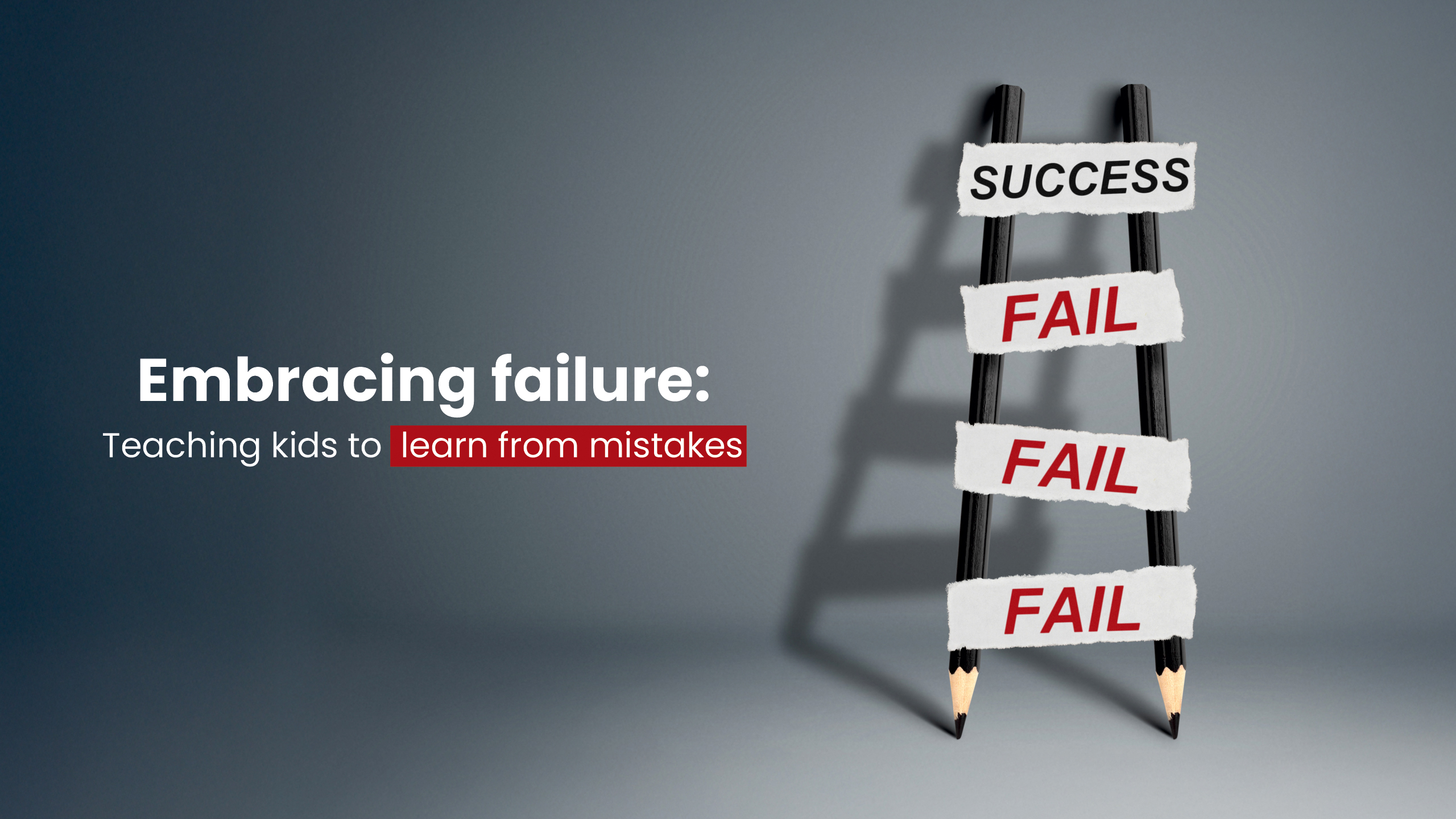
In today's fast-paced world, the pressure on children to succeed can be overwhelming. However, experiencing failure is a natural and essential part of the process of growth , helping individuals learn , adapt and evolve . Teaching kids to learn from failure not only builds resilience but also fosters a growth mindset for kids , setting the stage for future success. A growth mindset is the belief that abilities and intelligence can be developed through dedication and hard work . Parents can foster this mindset by encouraging curiosity , valuing effort over perfection and teaching children to view challenges as opportunities. The Importance of Failure in Child Development Failure plays a pivotal role in child development. It teaches children valuable lessons about perseverance, problem-solving and adaptability . According to a study published in Psychological Science , children who perceive failure as a learning opportunity are more likely to develop a growth mindset , acknowledging that intelligence and abilities can be developed through effort and learning. How to Help Kids Overcome Failure? Parents can play a crucial role in helping children handle setbacks positively . Instead of shielding them from challenges, encourage them to view failure as a learning opportunity . Discuss what went wrong and brainstorm strategies for improvement. This approach not only demystifies failure but also equips children with problem-solving skills while emphasising that failure is a stepping stone to success. The Disha Mental Wellness Programme by Narayana Schools supports this process by providing expert guidance , mindfulness techniques and emotional resilience training . Through counselling sessions , stress management workshops and personalised mentoring , children learn to navigate setbacks with confidence, develop a positive mindset and build the emotional strength needed to thrive in academics and life. Embracing failure can be likened to learning to ride a bicycle. A child may fall several times before mastering the skill. Each fall is not a defeat but a step closer to success. By viewing failure as a stepping stone to success , children learn to persist and remain motivated despite challenges. Narayana School’s Soft Skills Programme helps instil this mindset by focusing on communication skills , problem-solving , multifaceted thinking , emotional intelligence , teamwork and credence. Through interactive sessions and public speaking events like Master Orator Contest , Quiz Whizz , Safalta Ka Rasta , Spell Bee , Model United Nations , Kahaniyon Ka Caravan , etc. , along with guided mentorship, students develop the confidence to navigate setbacks while on and off stage, turn failures into learning experiences and approach challenges with a growth mindset. Parenting Tips for Teaching Resilience Resilience is the capacity to recover from setbacks . Parents can cultivate this crucial quality by encouraging children to approach difficulties with an open mind, seeing each setback as a chance to learn and grow. A resilient child is better equipped to handle life's ups and downs, leading to improved mental health and well-being. Here are some practical ways to nurture resilience in children: 1. Model Resilience : Demonstrate how to handle failure in children When a child faces failure, it is essential to provide support and understanding . Avoid punitive measures or harsh criticism . Instead, offer comfort and discuss the experience openly. Share your own experiences of failure and the lessons learned, reinforcing that failure is a natural part of learning . 2. Praise Effort, Not Just Results : Commend the hard work and dedication your child puts into tasks, regardless of the outcome, as this reinforces a growth mindset and teaches them that effort and perseverance are just as important as results. 3. Create a Safe Environment for Failure : Encourage your child to take on new challenges without fear of criticism, as it helps them build assuredness , adaptability and a willingness to explore new opportunities without hesitation. 4. Teaching Children to Embrace Challenges : Encourage your child to step out of their comfort zone . Whether it is trying a new sport, learning a musical instrument or tackling a challenging subject, embracing new learning experiences promotes growth and resilience . In conclusion, embracing failure is not about accepting defeat but about recognising it as an integral part of the learning journey . By teaching children to learn from their mistakes , we equip them with the tools to navigate life's challenges confidently. At Narayana Schools, we believe that every setback is a step forward towards realising one’s potential. We help students build resilience , curiosity and a flexible mindset to solve setbacks like puzzles and achieve their dreams, as at Narayana Schools , your dreams are our dreams . Follow Us for More Educational Insights Stay updated with the latest tips on education and student development. Follow us on Instagram for inspiring stories, engaging activities, and much more: Thenarayanagroup
31 Jan 2025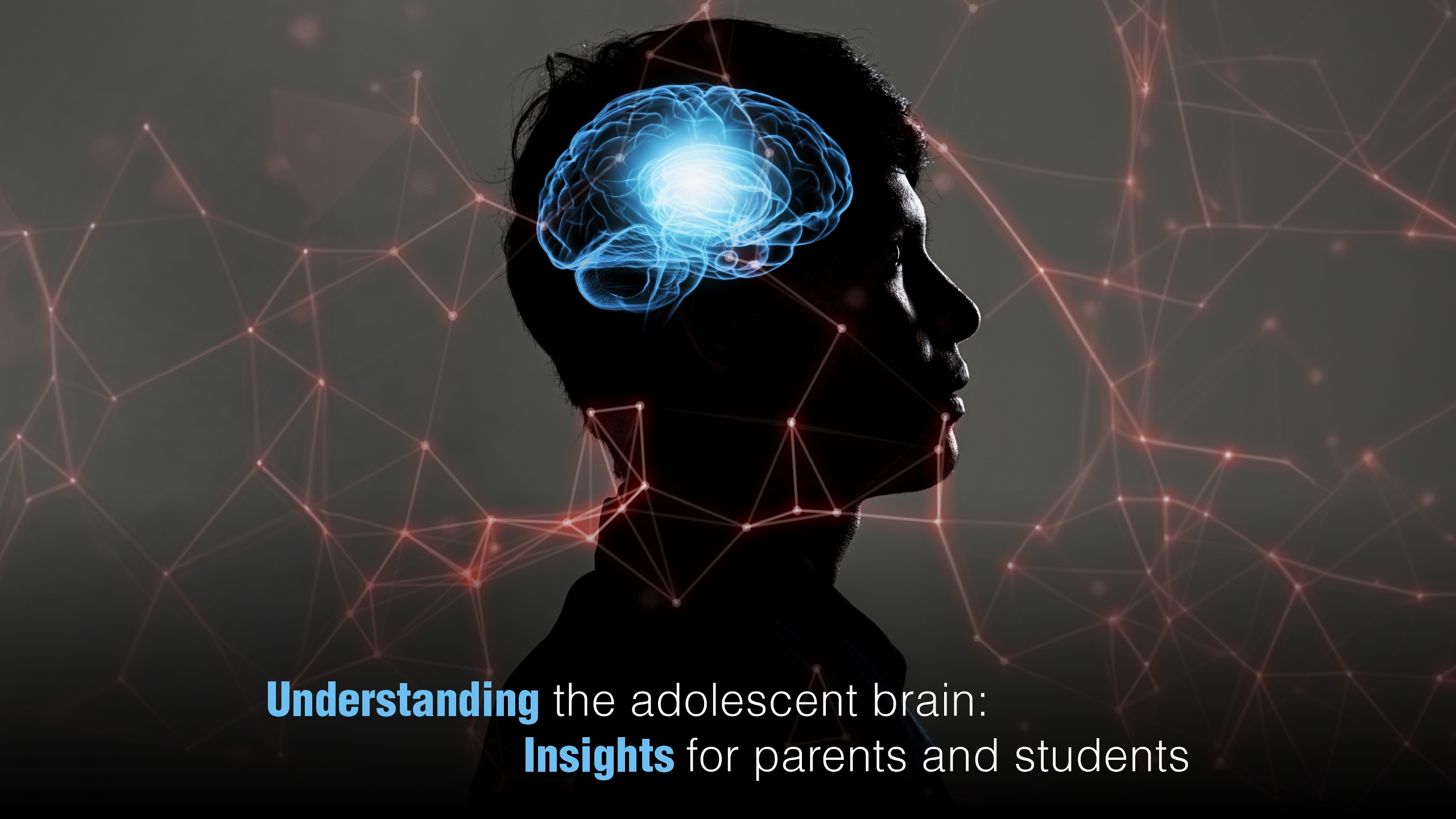 7
Adolescence is a time of profound change, not just physically but neurologically. As a parent, understanding how adolescent brain development works can help you support your teen more effectively through these turbulent years. Equally, it offers teens insight into their own emotional growth during adolescence and cognitive development during teenage . Here is a deep dive into what is happening inside a teen’s brain and how parents and students can navigate this crucial developmental stage. Brain Development in Teens: A Rollercoaster Ride Adolescence is marked by rapid brain development in teens , especially in areas that govern decision-making, impulse control and emotional regulation. The teenage brain is still maturing, and the prefrontal cortex (the part of the brain responsible for logic , reasoning and decision-making ) does not reach full development until the mid-20s. This explains why teens often engage in risk-taking behaviour or struggle with planning for the future. Research from the National Institute on Drug Abuse (NIDA) highlights how, during adolescence the brain’s reward system is particularly active. This means teens are more motivated by immediate rewards than long-term goals, which can sometimes lead to poor choices, whether related to social interactions or learning . Understanding these shifts is key to stimulating an open dialogue between parents and teens. Teenage Brain and Learning: What is Going On? Cognitive development during teenage years is dynamic, particularly in terms of memory and learning capabilities. Adolescents are able to process information faster than younger children, but they still face challenges in areas requiring sustained attention or complex problem-solving. As the brain is reorganising itself, the connections between brain cells are being fine-tuned, which can lead to mood swings and distractions. One significant shift occurs in the hippocampus , the area of the brain involved in memory formation . While teens can be highly creative and capable of abstract thinking, they might struggle with recalling information under pressure. This is crucial for parents to understand that if your teen is not performing well academically, it might not be a lack of effort but simply a developmental hurdle. Encourage consistent study habits and stress-reducing activities to help optimise their learning environment . Emotional Growth During Adolescence: Navigating the Storm Emotional growth during adolescence is tied to the changes occurring in the paleomammalian cortex ( limbic system) , which controls emotions and social behaviours . This part of the brain matures earlier than the prefrontal cortex , creating a disconnect between emotional reactions and rational thinking . As a result, teenagers often experience heightened emotions, from excitement to frustration and may react impulsively. For parents, this means being patient and providing a safe space for teens to express their feelings. Understanding teenage behaviour , especially the mood swings, is essential. Teens need to feel heard and validated, even when their emotions seem extreme. It is important to approach conversations with empathy, keeping in mind that emotional regulation is still a skill they are learning. Supporting Adolescent Mental Health : A Team Effort Supporting adolescent mental health requires a multipronged approach. Encourage your teen to engage in activities that promote brain health, such as good nutrition, sleep, physical exercise and creative hobbies. Mental health issues like anxiety and depression are also common during this stage due to the brain’s heightened sensitivity to stress . The more open the communication between parent and teen, the more likely teens will seek support when they need it. Parenting tips for teenagers include establishing a balance between guidance and autonomy . Provide structure but also allow teens to make mistakes and learn from them. Discuss mental health openly, normalising conversations about emotions , stress and self-care . Parent-Child Relationships in Teenage Years: Building Trust The teenage years are a critical time for building a strong parent-child relationship in teenage years . This does not mean simply providing advice or rules, it means engaging with your teen as a collaborator . The more your teen feels respected and understood the easier it will be to guide them through their emotional and cognitive growth . Parents can effectively navigate the different stages of adolescence by understanding the unique needs of each phase. During the onset years (ages 10–13, early adolescence), focus on open communication and building trust as children begin exploring their independence. Spend quality time together, listen without judgement and establish clear but flexible boundaries. In the middle years (ages 14–17, mid-adolescence), when teens seek autonomy and peer influence grows stronger, encourage critical thinking and decision-making by involving them in family discussions and supporting their interests. Finally, in the outset years (ages 18–21, late adolescence), as they prepare for adulthood, guide them in developing life skills such as time management, financial planning and self-care. By providing steady support tailored to each phase, parents can foster confidence and resilience in their teens. Research from Harvard University underscores the importance of positive , supportive relationships in developing better learning outcomes and emotional stability . Teens who feel trusted are more likely to succeed academically and emotionally. Keep the channels of communication open and avoid punitive measures that can erode trust. Adolescence is a time of immense change but with the right understanding both parents and students can make it a productive and even an enjoyable journey. The teenage brain may be a work in progress, but that is where the magic happens, growth , learning and emotional maturation . As parents, your role in being patient , proactive , understanding and providing guidance is invaluable. At Narayana Schools, we recognise the challenges and opportunities that come with this pivotal stage. We understand that each teenager carries unique dreams and aspirations and we are here to support and nurture those ambitions. Through our Disha Mental Wellness Programme, we promote an environment where the teenagers can be curious, thrive without feeling the burden of being shunned and unlock their potential. We aim to empower every child to reach new heights and fulfil their dreams and aspirations despite the turbulences faced at this phase, because at Narayana Schools, your dreams are our dreams. Follow Us for More Educational Insights Stay updated with the latest tips on education and student development. Follow us on Instagram for inspiring stories, engaging activities, and much more: Thenarayanagroup
29 Jan 2025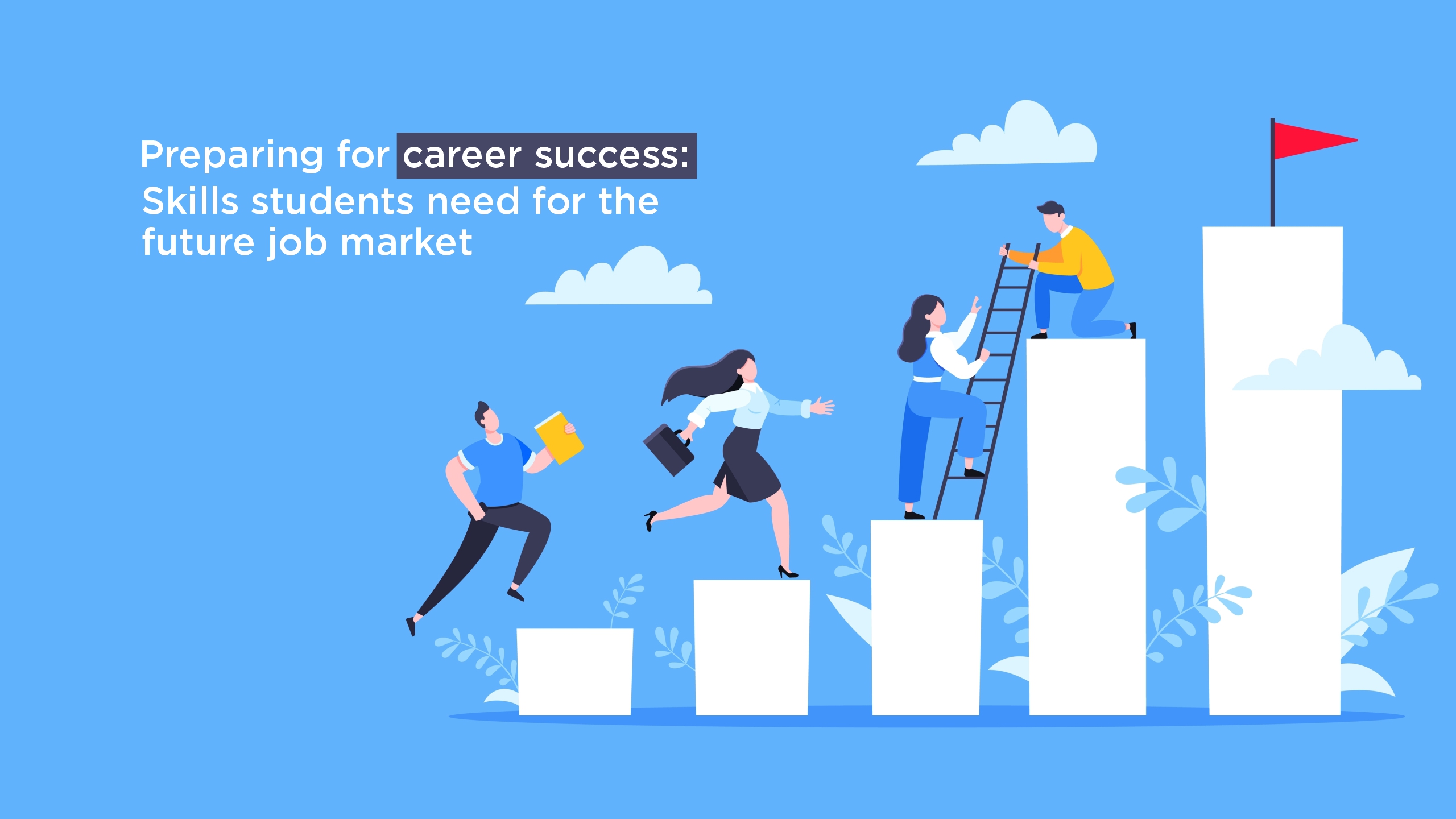 10
In today’s rapidly changing job landscape, preparing students for career success goes beyond academic achievements. The skills required for tomorrow’s workforce are evolving at an unprecedented rate and as parents, it is essential to understand what competencies your child needs to thrive. Career readiness for students involves equipping them with a blend of technical expertise , soft skills and a mindset that embraces continuous learning . So, what are the key skills your child should develop to succeed in the future job market? Essential Skills for Students in the Future Workforce According to the World Economic Forum , the future workplace will be dominated by automation , artificial intelligence and remote work . In this ever-evolving environment, skills for the future job market will require flexibility, creativity and adaptability. Let us dive into the essential skills that will set your child on the path to success. 1. Digital Skills for Future Careers Digital literacy is now a fundamental skill. As technology reshapes industries, digital skills for future careers are paramount. A report from the Organization for Economic Co-operation and Development ( OECD) predicts that by 2030, over 80% of jobs will require some form of digital skill. From coding and data analysis to understanding AI and cybersecurity, parents should encourage students to engage with technology from an early age. Platforms like coding boot camps, YouTube tutorials and online learning resources can be a great way to build these crucial skills. 2. Collaboration and Teamwork Skills The ability to work well with others will remain a core competency in the future workforce. Collaboration and teamwork skills are necessary across all industries. Research shows that 75% of employers value collaboration more than individual performance. Encourage your child to get involved in group activities , team sports or collaborative projects . These experiences will help them develop communication, conflict resolution and leadership skills that are indispensable in any professional setting. 3. Soft Skills Training for Students While technical abilities are important, soft skills training for students cannot be overlooked. Skills like communication, problem-solving and emotional intelligence will be the differentiators between a good employee and a great one. According to a survey by the National Association of Colleges and Employers , 93% of employers state that soft skills are just as important as technical skills when hiring . At Narayana Schools, our dedicated Soft Skills Programme goes beyond academics to nurture these vital abilities. The programme focuses on enhancing students’ communication skills , fostering teamwork and building confidence through carefully designed activities such as the Master Orator Contest , Quiz Whizz , Safalta Ka Rasta , Spell Bee , Model United Nations , Kahaniyon Ka Caravan , etc. By integrating these experiences into their daily learning, Narayana Schools ensures that students are well-prepared to excel in both professional and personal spheres. 4. Adapting to Future Career Trends As new technologies and industries emerge, adaptability will be a key trait for success. Adapting to future career trends means helping your child develop a growth mindset, where they see challenges as opportunities to grow. Support them in exploring emerging fields like sustainable energy, biotechnology or digital marketing. Providing them with access to workshops, webinars and internships will keep them on the pulse of new career opportunities. Practical Ways to Prepare Students for the Workforce Preparing students for the workforce is about more than just education, it is about experience. Encourage your child to gain student career development skills through internships , part-time jobs or freelance projects . These hands-on experiences will help them build a strong professional network and gain a clearer understanding of their interests and career goals. You can also support them in learning about personal finance , time management , and goal-setting skills that are necessary for success in any career. As the job market continues to change, students need a diverse set of skills to succeed. By focusing on digital literacy, teamwork, soft skills and adaptability, you are giving your child the tools they need to excel in a competitive future workforce. Remember, career readiness for students is not just about academic qualifications but about preparing them to navigate an ever-changing landscape. At Narayana Schools, we recognise the significance of these skills in shaping your child’s future. Our integrated curriculum (best of multiple boards) encourages experiential learning , facilitating students with real-world experiences. We also offer a robust tech framework, featuring digital boards and tech-based learning through our nLearn , nLearn Kids and nDigital apps . To ensure parents stay connected with the school, we provide nConnect , a platform for parents to stay up to date with their child's progress. At Narayana Schools, we help unlock your child’s potential, enabling them to achieve their dreams, as your dreams are our dreams . Follow Us for More Educational Insights Stay updated with the latest tips on education and student development. Follow us on Instagram for inspiring stories, engaging activities, and much more: Thenarayanagroup
27 Jan 2025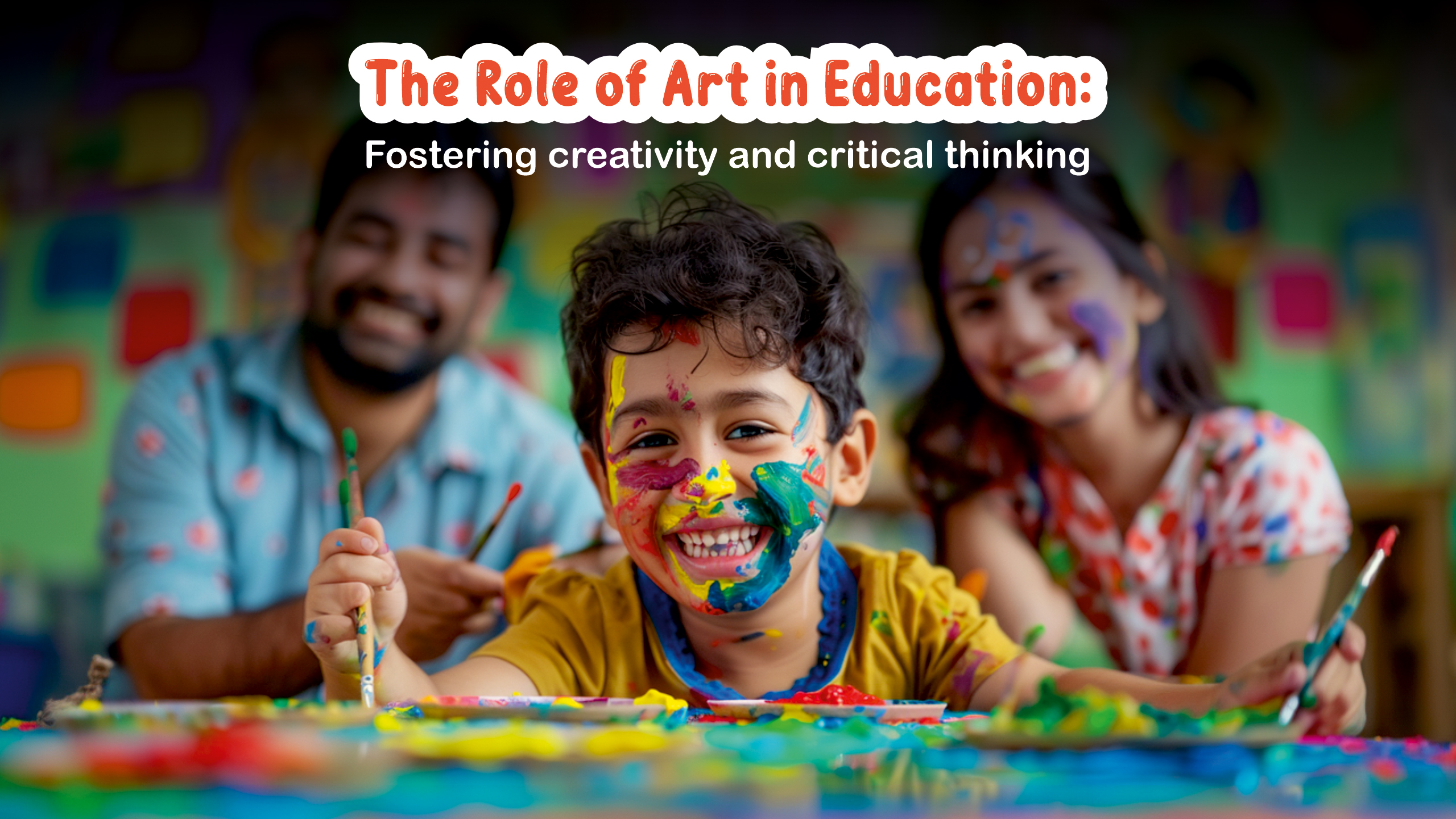 7
In the vibrant canvas of education, art holds a unique position, weaving together creativity, emotional expression and critical thinking. Integrating art into a child’s daily life is far more than just an extracurricular pursuit, it profoundly shapes young minds, offering unique developmental benefits that traditional academic subjects often cannot achieve. For parents, recognising the role of art in education opens doors to a more multifaceted and enriching learning experience for children. Many adults recall their own school experiences, where art was often sidelined in favour of academic pursuits. However, by understanding that art improves student learning and supports emotional well-being , parents can embrace a broader perspective on education. Parents must also go through a process of exploration to identify which form of art best suits or resonates most with their child, a process that often involves trial and error. Then they must assess whether it remains a fleeting interest or hobby, or if it has the potential to evolve into a more serious, professional pursuit. They also need to assess whether they can nurture their child’s artistic pursuits or seek professional guidance from specialised academies. Their support can transform how children perceive art, not just as a hobby, but as a critical element of their overall development. Parents can encourage creativity at home by providing art supplies, visiting museums or discussing their children’s artistic projects. By fostering an environment that values art, parents play a pivotal role in nurturing a child’s appreciation for creativity and its lifelong benefits. Understanding the Importance of Art Art in education goes beyond painting or sculpting, it encompasses visual arts, music, drama and creative writing. These forms act as windows into imagination, enabling students to process complex ideas and emotions. When thoughtfully incorporated into learning, art education for children can profoundly impact their intellectual and emotional growth. Beyond academics, art education for children cultivates empathy, cultural awareness and interpersonal skills . In a rapidly globalising world, understanding diverse artistic expressions equips students to connect with people across cultures. For example, traditional Indian art forms like Madhubani painting , Kathak dance , etc., teach children about their heritage while fostering a sense of identity. At the same time, exposure to modern or international art forms broadens their worldview, creating a balanced understanding of tradition and innovation. Let us now delve into the various dimensions of child development that are nurtured through the integration of art education. 1. Creativity Through Art Art fosters creativity , a skill highly valued in today’s innovation-driven world. Through artistic exploration, students learn to think outside the box, experiment with ideas and develop unique solutions to problems. For instance, a child tasked with designing a mural might learn to consider perspective, symbolism and spatial arrangement, blending abstract thought with practical application. 2. Critical Thinking Skills Through Art Engaging in art requires analysis, interpretation and decision-making, all of which hone critical thinking abilities. Students must evaluate colours, shapes, and textures or interpret a literary piece in ways that enhance their understanding of patterns and relationships. Art enhances critical thinking as it encourages them to see the bigger picture and connect disparate ideas. 3. Perseverant Problem-Solving Through Art Art encourages students to approach challenges with a hands-on mindset , blending creativity with practical application. By engaging in activities like constructing a gravity-defying sculpture or choreographing a complex dance routine, students develop tenacity and resourcefulness. This process equips them to navigate both academic and real-world problems with innovative and grounded solutions. 4. Emotional and Mental Upliftment Art acts as a therapeutic outlet , allowing children to express emotions that they may struggle to articulate verbally. It reduces stress and anxiety, fostering a sense of accomplishment and self-confidence. For example, a child creating a story through drawing may find it easier to communicate their feelings, leading to emotional well-being. 5. Improved Student Learning Research by Harvard's Project Zero and its two initiatives Art PROPEL and Artful Thinking , one of the most respected studies on arts in education, reveals that art significantly enhances student learning . It fosters critical thinking , creativity , and problem-solving skills while improving focus and emotional intelligence . Integrating art into education nurtures holistic development, preparing students for academic and personal success. Art is more than a canvas of colours or a melody of notes, it is a powerful medium that cultivates a generation of well-rounded individuals equipped to navigate an increasingly complex world. Through the power of art, we can inspire dreams and unlock the boundless potential of creativity, paving the way for a brighter future. We can create a learning framework that nurtures both intellect and imagination to perceive dreams and actualise them, because, at Narayana Schools, your dreams are our dreams . Follow Us for More Educational Insights Stay updated with the latest tips on education and student development. Follow us on Instagram for inspiring stories, engaging activities, and much more: Thenarayanagroup
22 Jan 2025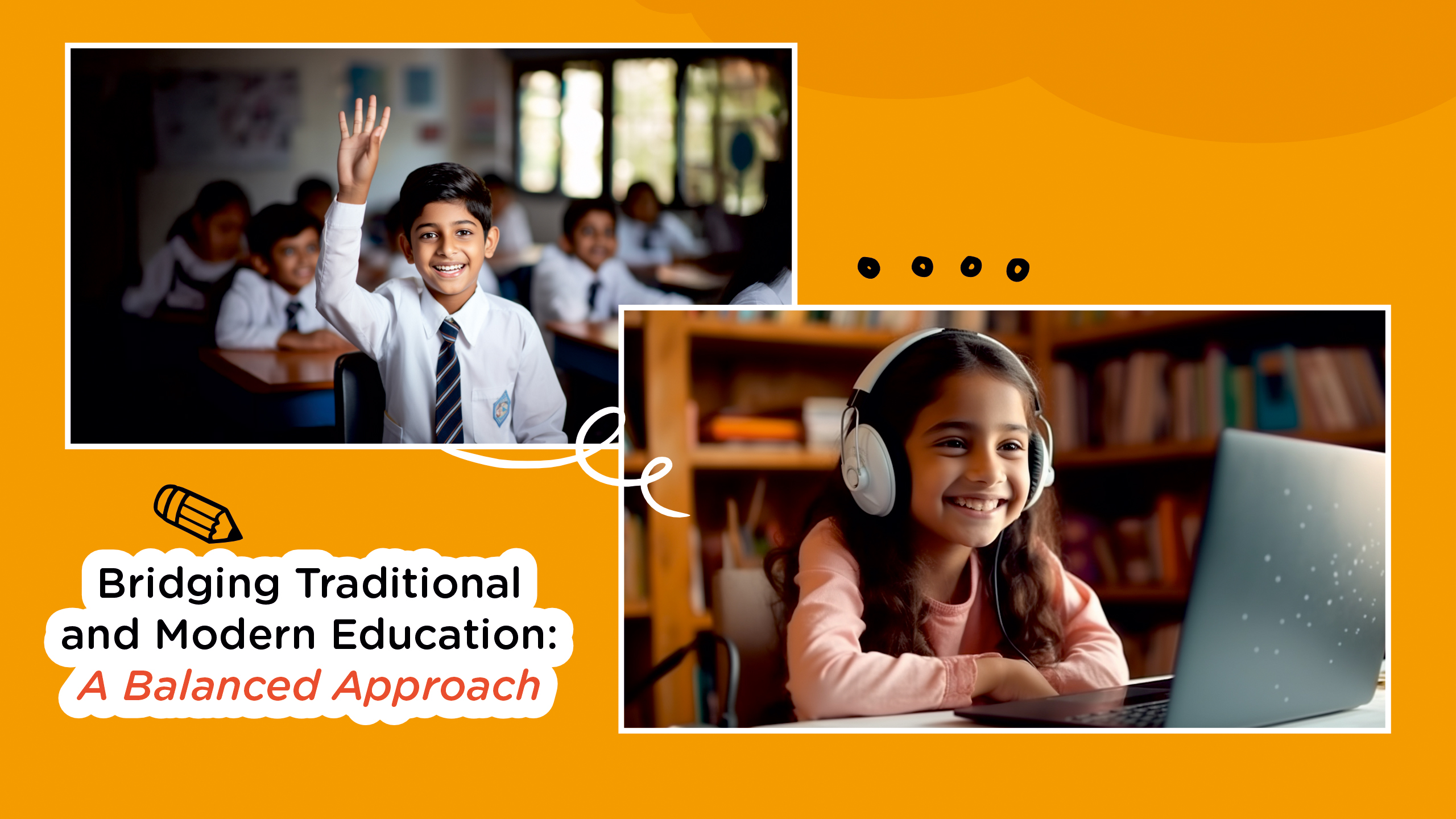 11
In the steadily advancing field of education, India stands at a pivotal juncture, where the depths of traditional learning methods seamlessly integrate with the dynamic innovations of modern pedagogy . For Indian parents who have experienced the conventional schooling system, the prospect of new educational approaches may seem daunting. However, embracing a balanced blend of traditional and modern education can offer an overarching learning experience that caters to the diverse needs of today's students. Understanding Traditional and Modern Education India's traditional education system has long been characterised by rote learning , a fixed curriculum, and a focus on examinations. This approach emphasises memorisation and repetition, often at the expense of critical thinking and creativity. While it has produced a disciplined and knowledgeable populace, it may not fully equip students with the skills required in the contemporary world. In contrast, modern education advocates for student-centred learning, interactive teaching methods, and the integration of technology. It encourages critical thinking, problem-solving, and collaborative learning, aiming to develop well-rounded individuals prepared for the challenges of the 21st century. Blended learning , which combines traditional and modern educational methods , offers several advantages: Enhanced Engagement : Incorporating multimedia resources and interactive activities makes blended learning maintain student engagement and address diverse learning preferences. Accessibility : This approach extends learning beyond the classroom, making education more inclusive. Narayana's integrated curriculum combines the best of multiple boards, while the nLearn app offers extra videos and resources to deepen students' understanding. Multifaceted Development : Blended learning fosters critical thinking, creativity and collaboration, skills essential for personal and professional growth. MindScape Initiative : Blended learning not only enhances academic achievement but also prioritises mental well-being, facilitating a balanced and supportive environment for emotional and cognitive development. Narayana's Disha Program helps students manage stress by focusing on their mental well-being while building their tenacity and perseverance. Continuous Assessment : Regular assessment of the blended learning approach ensures that it meets educational goals and addresses any challenges promptly. Evolving Education Practices in India India's education system is undergoing significant reforms, with the National Education Policy (NEP) 2020 advocating for a more holistic and flexible approach to learning. The NEP emphasises the integration of technology, multilingual education and the preservation of indigenous knowledge, aligning with the principles of blended learning . The fusion of traditional and modern educational methods offers a promising path forward for India's education system. By embracing a balanced approach , we can provide students with a comprehensive education that honours our rich cultural heritage while preparing them for the future. As we navigate this journey of continually refining and enhancing our educational methods, Narayana Schools recognises that your dreams are our dreams , therefore, we are committed to nurturing the potential of every child, enabling them to realise their aspirations and fulfil their dreams. Follow Us for More Educational Insights Stay updated with the latest tips on education and student development. Follow us on Instagram for inspiring stories, engaging activities, and much more: Thenarayanagroup
22 Jan 2025

