

Explore stories and insights
Loading...


 7
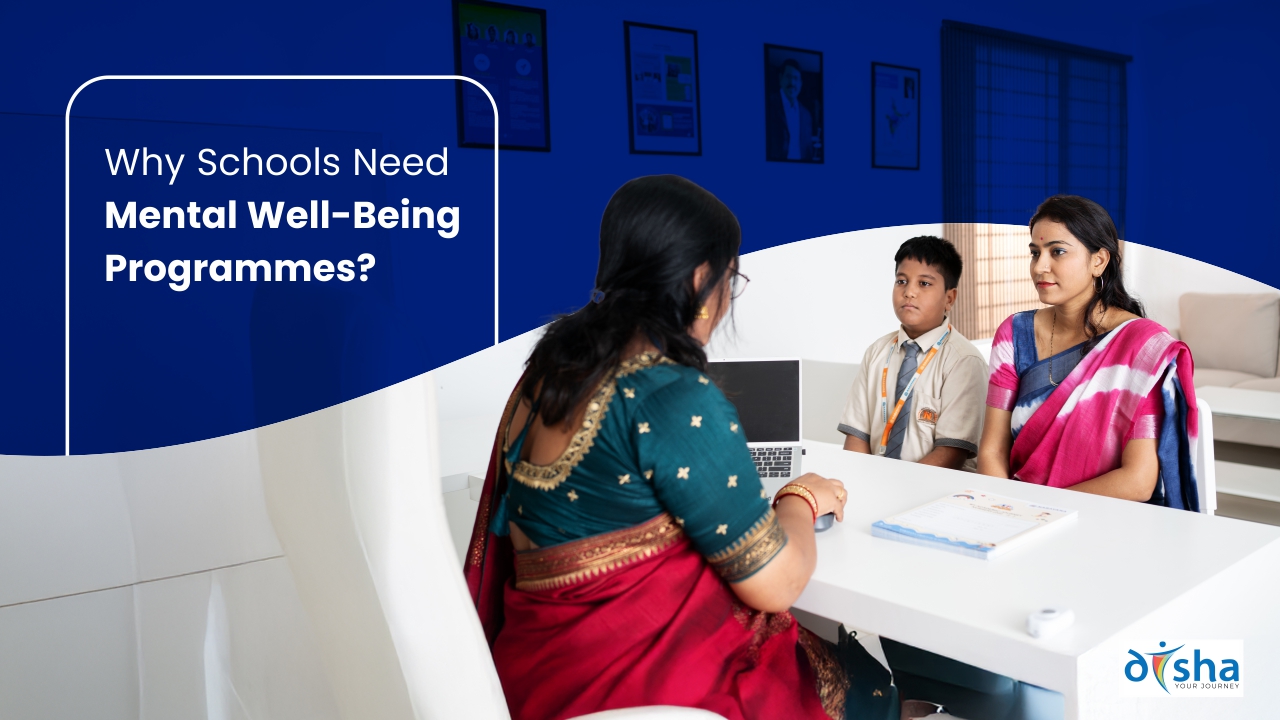
Most parents want their children to excel in academics, be confident, and grow into happy adults. Yet, many see their children struggling with exam pressure, social challenges, or changes in behaviour. Few parents want to understand what is troubling their child, but still feel unsure how to help. According to UNICEF, one in seven adolescents in India experiences mental health issues, with academic pressure being a leading contributor. In many homes, talking about mental health is still considered unnecessary or even uncomfortable. Some parents believe that children should “toughen up” or that these issues will fade with time. However, the World Health Organisation reports that half of all mental health conditions begin before the age of 14, yet most cases involving school-aged children remain undetected. Ignoring these early signs of distress can make things harder for children, both in school and in life. Through this blog, let's explore the challenges faced by students, the role of schools and parents in a child’s emotional journey, and why mental health awareness and support programmes are so important. The Growing Challenge for Students Children today face much more than academic pressure. They often deal with: Academic and Social expectations from family and peers Competition in every field Exposure to social media, constant comparison and over-dependence on digital devices Difficulty forming healthy friendships Trouble managing emotions such as anger or sadness For some children, these pressures result in stress, anxiety, low confidence, or withdrawal from friends and activities. Many do not share their worries because they fear being judged. This is where a mental well-being programme for schools can make a real difference. Why Schools Need Mental Wellness Programmes Schools are where children spend most of their time. Teachers, peers, and the overall environment influence their confidence, resilience, and growth. A school mental health programme ensures that support is available right where it’s needed most. Such programmes help by: Identifying issues early, before they escalate Offering a safe, non-judgmental space for students to talk Providing tools to manage stress and emotions Guiding parents and teachers to support children better When mental health support is part of the school culture, students feel more comfortable seeking help without fear of being singled out. Parents’ Role in a Child’s Emotional Journey While schools can offer structured mental health support, parents play the most important role in their child’s emotional development. Schools and parents working together can regulate students’ emotions and address their concerns more effectively. Schools and parents can work closely to: Share progress and concerns Suggest ways to continue support at home Encourage open communication between parent and child Reduce the stigma around mental health in the family When parents and schools collaborate, children feel safe and understood and are willing to share their feelings. Narayana Schools’ Approach Towards Mental Health Narayana Schools recognised the need for mental wellness programmes early and launched DISHA, our dedicated Mental Well-Being Programme, in 2017. The initiative began after our educators and counsellors observed worrying patterns among students and conducted a pilot study to understand the severity of the situation. The name DISHA, meaning “direction,” reflects our role in guiding students through academic stress, social changes, and everyday challenges, helping them grow in confidence. How DISHA Works Our mental health awareness and support programme addresses social, emotional, and behavioural challenges that can affect academic performance and personal growth. To make support approachable, we have over 100 trained psychologists who are referred to as ‘development coaches.’ This removes the stigma linked to counselling and encourages students to seek help. DISHA offers: Group sessions to help students share experiences and learn together One-on-one sessions for personalised guidance Workshops for parents to better understand their child’s needs Teacher training to spot early warning signs in the classroom Common concerns addressed include low self-confidence, difficulty adjusting to new environments, family issues, and peer relationship challenges. Why is DISHA Different? At Narayana Schools, DISHA is integrated into our school culture. It is a core part of how we care for students. DISHA stands out because it provides: Specially trained Development Coaches who understand the school environment Sessions that fit into the academic timetable without disruption Proactive engagement instead of waiting for problems to arise Strong collaboration between coaches, teachers, and parents This ensures that every child, whether facing a serious challenge or just needing someone to listen, has access to help. The Impact of DISHA Since its launch, DISHA has expanded from a few campuses to Narayana schools and colleges across 23 states. The programme has: Reached over three lakh students Conducted more than 27,000 individual sessions Provided critical help to over 2,000 high-risk cases Organised over 250 sessions for educating parents about mental well-being These numbers highlight not only the scale of our mental wellbeing programme but also the trust parents and students place in it. The Outcome We Aim For At Narayana Schools, our aim is to ensure the overall development of every student. We focus on physical well-being through age-appropriate sports initiatives with nSports, mental well-being through DISHA, emotional balance through Yoga Veekshan, and personality development through our soft skills programmes. Through such initiatives, Narayana Schools is building an environment where mental, physical, and emotional well-being is valued as much as academic achievement, because overall development is the foundation for fulfilling dreams, and your dreams are our dreams.
 13 Aug 2025
 6
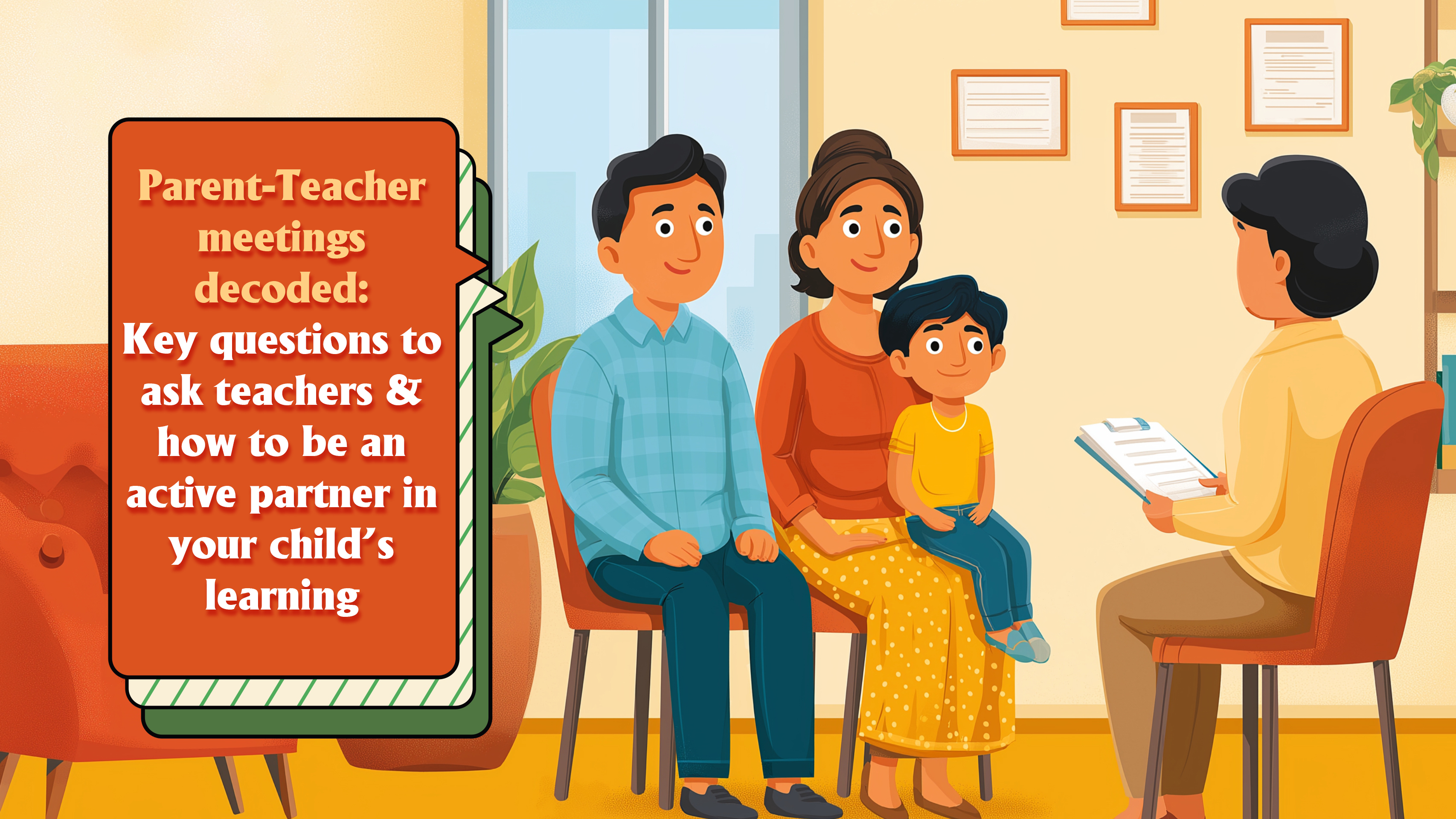
Parent-Teacher Meetings (PTMs) are more than just calendar events. They serve as collaborative checkpoints between home and school, ensuring learners remain not only academically sound but emotionally and socially supported. Especially as children’s learning needs continue to grow and change, meaningful PTMs can act as the bridge between intent and impact, allowing schools and families to walk hand in hand with clarity and care. The Purpose Behind the Meeting Research from the Harvard Family Research Project shows that students with engaged parents are more likely to earn higher grades, attend school regularly and display better behaviour and social skills. At the heart of these results lies the quality of communication between parents and educators, and PTM is the most direct channel. But what makes a PTM meaningful? It is not just about hearing subject-wise marks or behavioural feedback. It is about decoding the child's learning patterns , identifying e arly signs of academic stress, and strategising ways to boost confidence, consistency and curiosity. Additionally, PTMs provide an opportunity to explore a child’s individual interests and strengths not just in academics but beyond it too. When teachers and parents openly exchange observations about a student’s preferences, be it in certain subjects, science experiments, creative writing, problem-solving, sports, music, drama or debating, it enables targeted reinforcement at home. This understanding allows families to support skill-building in areas where a child naturally thrives, fostering a stronger sense of motivation and purpose in learning. What Should Be Asked but Often Is Not Asked? A Parent-Teacher Meeting (PTM) is a powerful opportunity to uncover deeper insights into a child’s academic, emotional and social growth. Here are some essential yet often overlooked questions every parent should consider asking: A. Learning Style and Classroom Engagement 1. How does my child learn best, visually, audibly or through hands-on practice? 2. Does my child thrive better in structured environments or open ended activities? 3. What are the current classroom strategies being used and how can we reinforce them at home? B. Social Interaction and Group Dynamics 1. How does my child interact with peers during group work or free play? 2. Is my child an introvert or extrovert in the classroom setting? 3. Is my child able to form and maintain friendships easily? C. Personality and Interest Discovery 1. What activities or subjects does my child show the most enthusiasm for? 2. Have you noticed any talents or creative inclinations worth nurturing? 3. Based on your observations, what are my child’s interest areas? 3. Are there any signs of leadership, empathy or innovation? D. Emotional Well-being and Behaviour 1. How is my child’s general mood or emotional state during school hours, is he/she cheerful, moody or withdrawn? 2. Do they show signs of mental fatigue, trouble concentrating or irritability that comes with using devices excessively or academic stress? 3. How do you promote self-confidence and emotional safety in class? 4. Has there been any change in behaviour, attitude or performance since the last PTM or previous year? E. Academic Performance 1. To the Class Teacher: 1.1 Is my child’s overall performance satisfactory in class and assessments? 1.2 Which subject(s) does my child show interest in or struggle with? 1.3 How does my child perform in class participation, discipline, and assignments? 2. To Subject Teachers: 2.1 How well is my child grasping concepts in your subject? 2.2 Are there specific topics my child finds difficult? Can we support this at home? 2.3 Do you have any recommended books, apps, or materials to help? 2.4 How frequently are tests conducted and how does my child perform? F. Language and Communication 1. Is my child a good reader? Are they able to comprehend and express themselves effectively? 2. Are there any challenges in understanding second or third languages? 3. Would you consider differentiated support for non-native language learners? G. Homework and Study Habits 1. Is my child regular and focused while completing homework? 2. How much time should ideally be dedicated to homework daily? 3. Is there a structured homework schedule you follow? H. Parent’s Role and Reinforcement 1. How can I align with your teaching style to support my child’s learning at home? 2. What strategies can I use to help build self-study habits? 3. How can I prepare my child better for tests or assignments? 4. Would sharing more about my child’s home habits, interests or sensitivities help you in any way? I. Sensitive and Situational Concerns 1. Are there any concerns regarding my child that I should be aware of, be it emotionally, behaviourally or socially? 2. Would you like to know about any family situations or changes that may be affecting my child? 3. What is the school’s policy on bullying or conflict resolution? How are such matters usually handled? How to Make PTMs More Impactful? At Narayana Schools, we believe in regular and open communication, hence regular PTMs are not just a physical activity that takes place face-to-face once in a while rather they are the foundation of meaningful collaboration. Every parent here is a proactive participant in their child’s progress through system like the Adoption Calling Initiative, where continuous feedback loops are maintained between educators and families even outside scheduled PTMs. Moreover, Narayana Schools’ PTMs do not just provide a one-way report, they welcome observations from parents as well. Class teachers connect with families through a fortnightly Adoption Call to share achievements and discuss any challenges. Each quarter, parents sit down for a Parent‑Teacher Meeting (PTM) and review a detailed portfolio of worksheets and projects. If something needs attention in between, a meeting with the Vice Principals or Principals can be scheduled at a convenient time through the school office to discuss and address any concern. Whether a child is unusually distracted at school and home, shows signs of anxiety before assessments or struggling with a subject that did not previously pose issues, such insights help both parents and teachers personalise learning paths. The Power of Collaboration Educational psychologist Dr. Joyce Epstein from Johns Hopkins University argues that true academic success is anchored in school-family partnerships. Analogous to tuning a musical instrument, when home and school operate at the same frequency, a child performs at their melodic best. It is not just about questioning but co-creating, understanding how to create consistent routines, manageable revision schedules, balanced screen time, and ample emotional breathing room. Equally important is recognising and nurturing a child’s interest areas, which can serve as motivation anchors, helping them engage more deeply and joyfully with learning both inside and outside the classroom. It is often forgotten that education is not a race but a roadmap. A roadmap where parents and teachers are co-navigators, constantly checking the compass, correcting the course and ensuring the journey is enriching and not exhausting. At Narayana Schools, every PTM, every conversation and every shared insight is part of a bigger dream; a dream to nurture responsible, resilient and remarkable individuals, because, your dreams are our dreams.
29 Jul 2025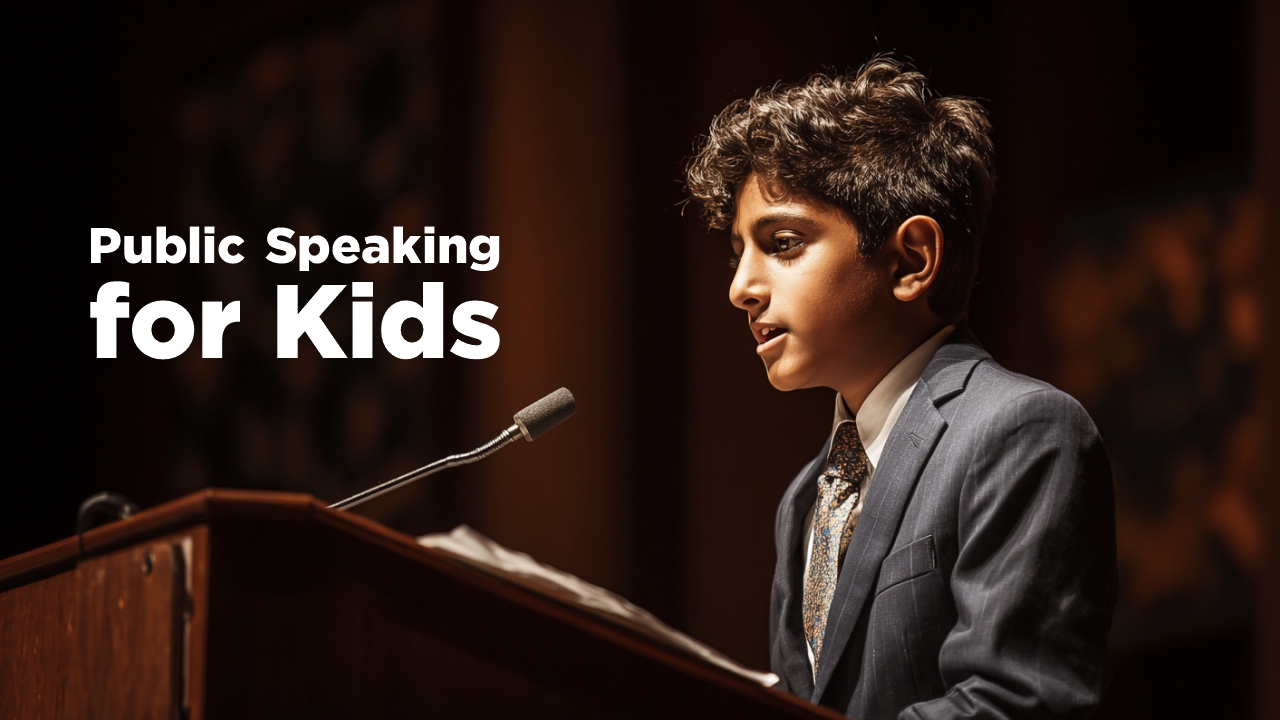 6
Why Public Speaking Matters in a Child’s Growth? In a world driven by communication and collaboration, the ability to express oneself clearly is no longer optional, it is essential. Public speaking, once considered a ‘nice-to-have’ skill, is now a cornerstone of holistic education. Public speaking is more than just standing on a stage, it is about finding their voice, sharpening their thinking and expressing themselves with clarity and conviction. The Science Behind Public Speaking in Childhood: Brain Development and Verbal Fluency Scientific research in developmental psychology and neuroscience shows that a child’s brain is incredibly receptive to new experiences between the ages of 5 and 15. These are the years when neural pathways associated with language, memory and social interaction are most malleable. Introducing public speaking for children during this period can lead to measurable gains in confidence, cognitive flexibility and emotional intelligence. When children practise public speaking, they engage multiple parts of the brain at once, language centres (Broca’s and Wernicke’s areas), motor functions (for gestures and expression) and the prefrontal cortex (responsible for reasoning and planning). This helps sharpen not only their communication but also their overall cognitive development. The Real Benefits of Public Speaking for Kids • Builds Self-Confidence: Each time a child speaks in front of an audience, big or small, their self-belief grows. • Enhances Critical Thinking: Constructing an argument or narration encourages logical sequencing and reflection. • Improves Listening and Empathy: Being heard makes them value others' voices too. • Boosts Academic Performance: Strong oral communication translates to better comprehension, writing and participation. • Strengthens Emotional Regulation: Children learn to manage stage fright and anxiety through guided exposure. Narayana School’s Soft Skills Programme and LEAP Edge At Narayana Schools, we recognise that true education goes beyond textbooks. That is why we offer a robust Soft Skills Programme as an integral part of our curriculum. Through our weekly soft skills classes, students from early grades upwards engage in roleplays, storytelling, JAM (Just A Minute), debates, news reading, elocution and mock interviews, developing real world communication skills in a safe and encouraging space. LEAP Classes (Learn, Empower, Apply, Practise) Our LEAP Classes form the heart of our life skills initiative. Aligned with public speaking and social development, they cover: • Body: Safety and hygiene, articulation and positive body language. • Mind: Respect, honesty, managing emotions and active listening. • Soul: Gratitude, confidence and kindness. These sessions also incorporate: • 3B Analysis: Narayana Schools conducts the 3B (Basic, Better, Best) English Speaking Skills Analysis twice a year for students from Grades 4 to 9, aiming to assess, guide and enhance their communication abilities. Through tailored strategies like audio recordings, role plays and PEP Talks, we help students improve their spoken English with individualised support. Weekly Activity Every week, students take charge of NROCKS , our vibrant, in-house radio station, broadcast live through a central mic system during break hours. Here, young RJs lead the show with announcements, themes, news, fun facts, guest interviews and music. Students script, present and produce each segment, gaining invaluable hands-on experience in communication, timing, team dynamics and presentation. For many, NROCKS is their first joyful leap into the world of speaking publicly, without the pressure of a stage. Monthly Activities Public speaking at Narayana Schools is contextualised through monthly theme based programmes, designed to build life skills and value-based learning. These include: • Cabinet Installation: Students take on leadership roles, fostering responsibility, collaboration and accountability within a democratic setup. • Educational Awareness Sessions: Covering key topics such as health, hygiene, adolescence, good touch/bad touch and financial literacy, each delivered in an interactive, peer-led format. • Nurture the Nature: Activities that deepen students’ connection with the environment, cultivating the ability to articulate sustainability issues and personal actions. • Know Thy Country: A discovery-based module encouraging students to research and present about different Indian states, reinforcing cultural pride and public storytelling. Annual Activities Our structured annual events offer multitier opportunities, branch level, inter-branch and grand finales, for students to showcase their communication prowess: • KKC (Kahaniyon Ka Caravan): A storytelling fest where students present stories with flair, creativity and emotion, an essential foundation for expressive confidence. • MOC (Junior Master Orator Contest): Focused on clarity of speech, logical flow and persuasive oration, MOC builds the fundamentals of debate and discourse. • Spell Bee and Quiz Whizz: These events sharpen articulation, improve pronunciation and foster a spirit of enquiry and spontaneity, key qualities for dynamic speaking. • MUN (Model United Nations): A simulation based conference where students research, draft resolutions and engage in diplomatic dialogue, developing global awareness, logical articulation and professional communication. What Makes Our Programme Unique? • StageStars Curriculum: From storytelling in Grade 1 to persuasive debates in Grade 5, StageStars is Narayana Schools’ structured oratory module. Lessons progress from vocal modulation and facial expressions to persuasive techniques and audience engagement. • Public Speaking in Weekly Schedule: Unlike standalone activities, public speaking is woven into the regular academic schedule, ensuring consistent exposure. • Performance Showcases: Children actively participate in morning assemblies, class conclaves, talent corners and intra-school speech events which offer authentic platforms for real-world public speaking practice. • Confidence Mapping and Feedback Loops: Teachers provide individual feedback using rubrics designed around clarity, content, confidence and connection, enabling children to reflect and improve with each performance. • Mindfulness and Voice Control: Special activities combine breathing techniques, body posture and voice modulation, helping children manage stage fear effectively. Long-Term Impact of Public Speaking • Enhances critical thinking and creativity. • Boosts collaboration and listening skills. • Prepares students for future interviews, presentations and leadership roles. • Aligns with NEP 2020’s emphasis on 21st-century skills. Practical Takeaways for Parents What You Can Do at Home How It Helps Encourage your child to narrate a story or explain their day Builds coherence and sequencing skills Record videos of their speeches and show progress Boosts self-awareness and confidence Watch TED-Ed or kids’ speech contests together Sparks inspiration and goal-setting Use mirror practice and roleplays Enhances articulation and body language At Narayana Schools, we go beyond textbooks to build thinkers, speakers and leaders of tomorrow. We offer children diverse avenues, like sports, arts, robotics and leadership platforms for holistic development. We believe confidence is not born, it is built. Backed by the science of language learning and strengthened by initiatives like LEAP and Soft Skills Training, Narayana Schools empowers students with strong communication skills, helping them grow in confidence and pursue their dreams with purpose, because your dreams are our dreams.
23 Jul 2025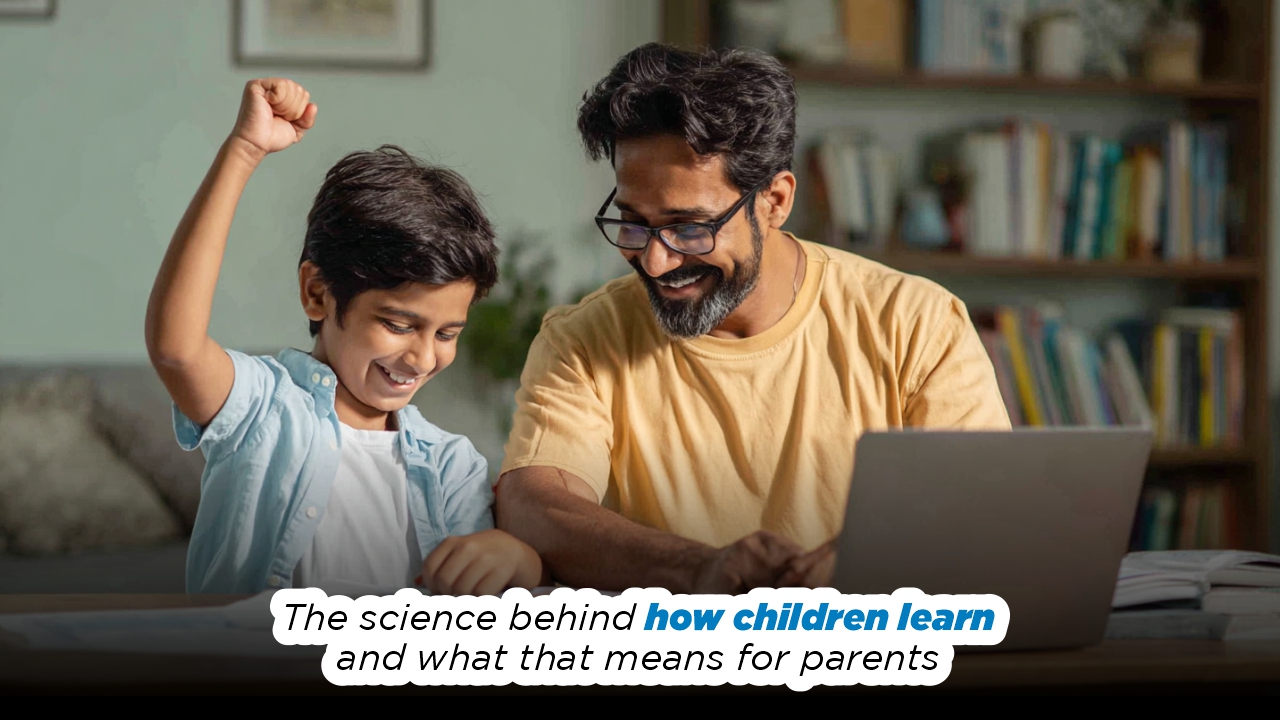 6
Understanding how children learn is not just a matter of academic excellence but a practical and vital insight for shaping their future. Cognitive science , educational psychology, and developmental neuroscience have converged to provide clear evidence that learning is deeply tied to how the brain grows, processes information, and makes sense of the world. For parents of school-age children in India, understanding this science can make a significant difference in guiding children effectively. How the Brain Learns From infancy to adolescence, the brain goes through several crucial developmental stages. According to the Harvard University Center on the Developing Child , 90% of a child’s brain development happens before age five . However, significant cognitive growth continues throughout the school years with the prefrontal cortex responsible for planning, decision making and impulse control, maturing well into the early twenties. Neuroplasticity , the brain’s ability to reorganise itself by forming new neural connections, is especially strong in childhood. This means that the more meaningful experiences a child has through play, exploration, conversation and problem-solving, the more robust their cognitive foundation becomes. Learning Is Not One Size Fits All Studies from the National Institute of Mental Health and Neurosciences (NIMHANS) in India highlight that children exhibit a wide variety of learning styles : visual (learning through images and spatial understanding), auditory (learning through listening and verbal cues), kinaesthetic (learning through movement and hands-on activities) or a combination. Recognising these preferences allows parents and educators to tailor learning strategies for children accordingly. For example, a child who learns best visually might benefit more from diagrams and videos, while a kinaesthetic learner might thrive through role-play or building models. Rather than forcing uniform methods, embracing these differences can increase both understanding and retention. The Role of Sleep and Emotional Safety Modern research increasingly emphasises the importance of emotional well-being and adequate sleep for students . According to a 2022 study by the All India Institute of Medical Sciences (AIIMS) , children who receive 8–10 hours of consistent sleep perform better in cognitive tasks and demonstrate improved emotional regulation . Stress, on the other hand, negatively affects memory retention and concentration. Positive reinforcement, a calm home environment and empathy significantly enhance learning efficacy. Emotional security fosters the psychological freedom needed to explore, fail and try again, a key aspect of deep learning. Curiosity: The Hidden Engine of Learning One of the most underestimated elements of learning is curiosity. A study conducted by the University of California, Davis found that when curiosity is piqued, the brain releases dopamine , a neurotransmitter associated with motivation and memory . This enhances the retention of both relevant and even unrelated information learned during that period. Parents can nurture curiosity by encouraging questions, entertaining ‘what if’ scenarios and allowing children to lead conversations or experiments. Unlike rote memorisation, curiosity-driven learning creates lasting knowledge and deeper engagement. Interactive Parent-Child Activity Ideas to Boost Learning Engaging in hands-on, collaborative activities not only strengthens parent-child bonding but also stimulates different areas of the brain. Here are a few effective brain boosting activities for children rooted in neuroscience: Kitchen Science : Simple experiments like vinegar and baking soda reactions or making invisible ink teach scientific concepts through fun. Storytelling with a Twist : Ask children to invent alternate endings to familiar stories. This boosts creativity, memory and narrative thinking. Memory Games : Play card matching or ‘what’s missing on the tray’ games to improve working memory and attention span. Gardening Projects : Planting and tracking growth teaches patience, responsibility and scientific observation. Math in Daily Life : Include children in measuring ingredients, handling currency or comparing prices during shopping trips to apply maths practically. Practical Takeaways for Parents Strategy When to Use Example Stimulate curiosity Daily during meals or play What do you think will happen if…? Narrate everyday tasks During chores or walks Ask them to remind you to buy vegetables/grocery post work or to alert you when the milk is about to boil over. Ensure consistent sleep Night routine Fixed bedtime, bedtime reading Schedule breaks After 45–60 mins study Playtime Encourage movement learning While studying or revising Teach them concepts in a practical and relatable way, for example, demonstrate the Tyndall Effect by showing how sunlight reveals dust particles in the air. Discuss emotions and learning Family time/Dinner time How was your day today? Were classes hard today? Did you make new friends today? Did something upset you? What This Means for Parents Learning strategies for children , how the brain learns and child development and education are not abstract concepts, they are blueprints for action. Learning is not about piling information, it is about creating meaningful connections. By understanding the neurological and emotional processes behind learning, parents can create environments that are rich in exploration, supportive in failure and adaptive to the child’s individuality. Today’s academic world often demands quick results, but science shows that true learning thrives in environments where children feel secure, curious and supported. The goal is not just academic performance, but nurturing thinkers, problem solvers and lifelong learners. At Narayana Schools, we recognise the complex journey of learning and parenting. That is why we have created Disha , a dedicated programme where students and parents can reach out for expert help, guidance and support, whether it is academic queries, emotional well-being or learning strategies based on developmental science. Disha is our way of standing beside you as a partner in your child’s growth ensuring that no question is too small, and no challenge too big. We believe every spark of curiosity, every step forward and every moment of learning brings your child one step closer to their dream and we are here to help children not only dream but realise them, because at Narayana Schools, your dreams are our dreams .
19 Jul 2025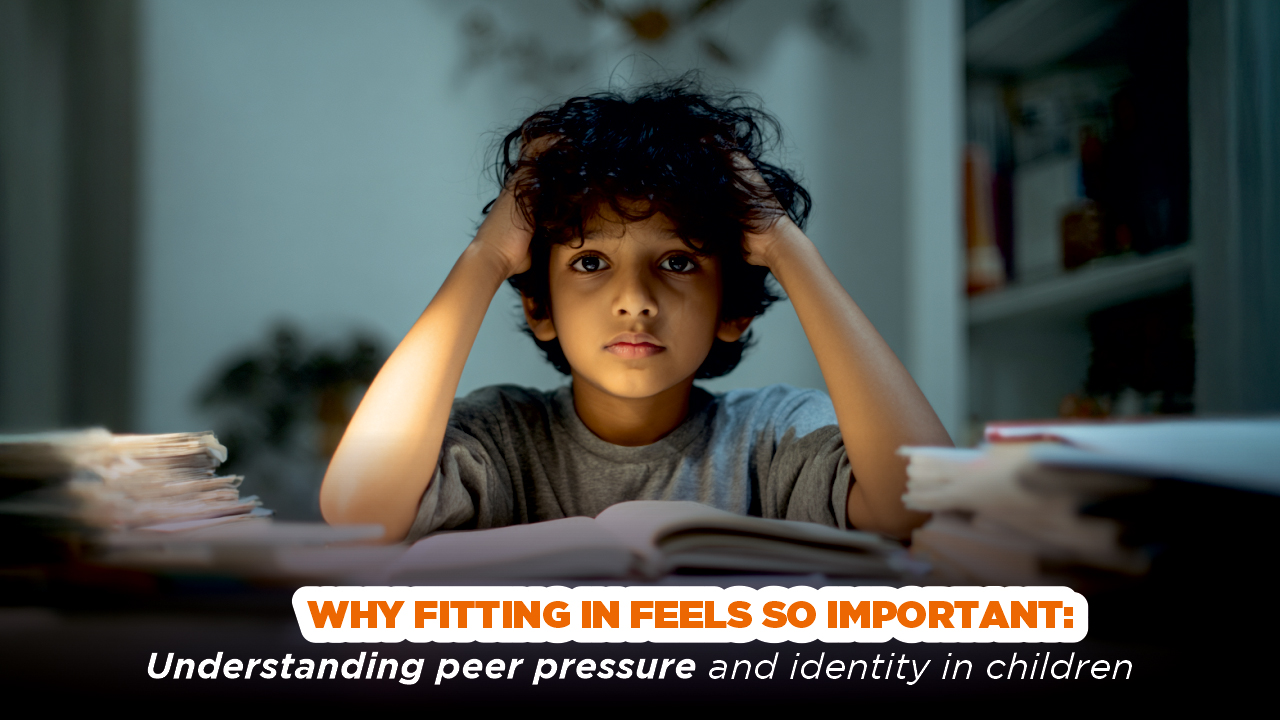 8
The shift in behaviour in children often begins with something small, a sudden change in hairstyle, a sudden disinterest in a beloved cartoon, the quiet replacement of a colourful lunchbox with a more ‘grown up’ one or the urge to belong to a certain group on the playground. These subtle shifts are not just about changing preferences, they reflect the invisible but powerful pull of peer pressure. Peer pressure refers to the influence exerted by a peer group that encourages individuals, especially children, to change their attitudes, values, or behaviours in order to conform and gain acceptance. In the school environment, it can manifest in everyday choices, from fashion and friendships to academic competition and behaviour. For school age children, especially within India’s socially dynamic and achievement-oriented landscape, the need to fit in can become deeply intertwined with the need to be accepted. Recognising this urge is not about criticising it, it is about understanding how it shapes identity and offering steady, empathetic guidance through it. What Drives Peer Pressure? Peer influence plays a powerful role in shaping adolescent habits. A study in Karnataka found that nearly 44% of adolescents reported strong peer influence affecting their behaviour either positively or negatively. While peer pressure can motivate improved academic performance and social skills, it may also lead to undesirable behaviours such as unsafe choices, social withdrawal or conformity against one’s better judgement. So, what exactly drives peer pressure? 1. Social Identity Formation: During school-age years, children begin forming a personal identity, often shaped by social surroundings. According to Social Identity Theory (Tajfel & Turner, 1979), individuals derive self-worth and belonging from group membership. This desire to be part of the ‘in-group’ compels many children to adapt behaviour, preferences and even values that align with their peers. 2. Neurobiological Factors: Research in developmental neuroscience reveals that the prefrontal cortex, responsible for decision-making and self-regulation, is still maturing in children and adolescents. At the same time, the limbic system , which processes emotions and rewards, is highly active. This imbalance makes school age children more sensitive to peer validation and emotional cues, especially when acceptance or rejection is at stake (Blakemore & Mills, 2014). 3. Fear of Exclusion: Children often conform due to fear of social rejection. The idea of being left out or labelled as ‘different’ activates stress responses that, evolutionarily speaking mimic physical pain. This results in heightened anxiety and the tendency to ‘fit in’ at any cost, even if it goes against personal values or safety. 4. Cultural Expectations and Collective Mindsets: In collectivist cultures (shared social identity) like India, community perception and familial reputation hold significant value. Children are socialised early to prioritise group harmony over individual expression. Peer pressure thus becomes a means of preserving social coherence, sometimes at the expense of personal comfort or authenticity. 5. Digital Amplification: With increased exposure to social media, children are now more frequently comparing themselves with others. This digital peer environment intensifies traditional peer pressure through curated images of ‘ideal’ lifestyles, academic achievements and social approval measured in likes and comments. Identity Formation Through the Lens of Jungian Archetypes While neuroscience explains the external pressures children face, Carl Jung’s theory of archetypes offers an internal perspective on why peer pressure feels so personal. Jung proposed that we inherit universal mental patterns, archetypes, that shape how we think, feel and behave. During adolescence, a time when children seek belonging and identity, these archetypes become more active. Peer pressure then is not just external, it often reflects a child’s deeper, unconscious alignment with symbolic roles they are beginning to embody. Key Archetypes in School-Age Children 1. The Innocent : Motivated by the desire to be liked, accepted and protected. • Children resonating with this archetype often follow rules, seek adult approval and try to conform to peer norms to avoid disapproval. • Peer pressure manifests as compliance, often saying ‘yes’ even when unsure just to remain part of the group. 2. The Hero: Driven by challenge, success and validation. • These children strive to be the best, academically, socially or physically to gain peer admiration. • Peer pressure here is often performance based, children may overextend themselves in academics or sports to meet perceived group expectations. 3. The Rebel: Defined by independence and resistance to control. • These individuals might oppose norms, break rules or adopt contrary behaviours not always out of defiance but as an assertion of self. • Peer pressure for the Rebel often appears as a reactionary stance, pushing boundaries even when the consequences are risky. 4. The Caregiver or Helper: Feels fulfilled when taking care of others or being useful in group settings. • These children may become overly involved in others’ problems or take on burdens not their own. • Peer pressure arises when emotional manipulation or guilt is used to ensure compliance or support. 5. The Everyman (or Girl/Boy Next Door): Yearns to belong and avoid standing out. • Children with this archetype blend easily into groups and reflect the values of their environment. • Peer pressure becomes particularly influential because blending in often means agreeing (even silently) with prevailing group behaviour. Recognising Identity and Its Pressures Encouraging self-awareness helps children understand why fitting in feels essential. Observe for signs such as: • Constant changes in behaviour or wardrobe to match friends • Reaching for approval through conformity, even at personal cost • Discomfort when standing apart from the group Research shows that adolescents often form friendships within their same socio-economic groups. As parents, encourage discussions around values and boundaries, emphasising the importance of being true to oneself. Narayana Schools’ Role: Building Identity with Emotional Anchoring At Narayana Schools, two significant initiatives empower children to navigate peer pressure while building self-awareness: 1. DISHA Mental Well-being Programme: This structured programme gives students a safe space to share feelings, manage stress and develop resilience. By promoting open conversations with 1,00,000+ trained counsellors, DISHA helps children recognise emotional triggers linked to peer pressure and regain inner balance. 2. Yoga Veekshan: Through daily breathing, mindfulness and movement, Yoga Veekshan helps children pause, reflect and realign themselves amidst peer challenges. These practices reinforce emotional control and identity clarity, especially when external pressures mount. Practical Guidance for Parents 1. Foster Open Dialogue: Ask about friendships and situations where children feel pressured. 2. Discuss Archetypes: Help children see their own tendencies, whether they lean towards the Hero, the Innocent or others. 3. Strengthen Identity: Encourage pursuits that align with a child’s passions and values. 4. Build Assertiveness: Role-play scenarios where peer pressure arises and discuss how to say ‘no’ respectfully. 5. Create a Supportive Environment: Celebrate individuality and discourage comparisons. As parent–child bonds are the strongest counterbalances to peer influence, studies affirm that involvement at home reduces the risk of negative behaviours. Helping children navigate peer pressure involves balancing community belonging with authentic self-expression, even as Jungian archetypes swirl beneath the surface of their personalities. When children feel secure in their identities, they can embrace belonging without losing themselves. We believe that we have a responsibility to help children honour their true selves in the midst of external noise as that is where dreams take shape, not in imitation but in authenticity, because at Narayana Schools, your dreams are our dreams.
16 Jul 2025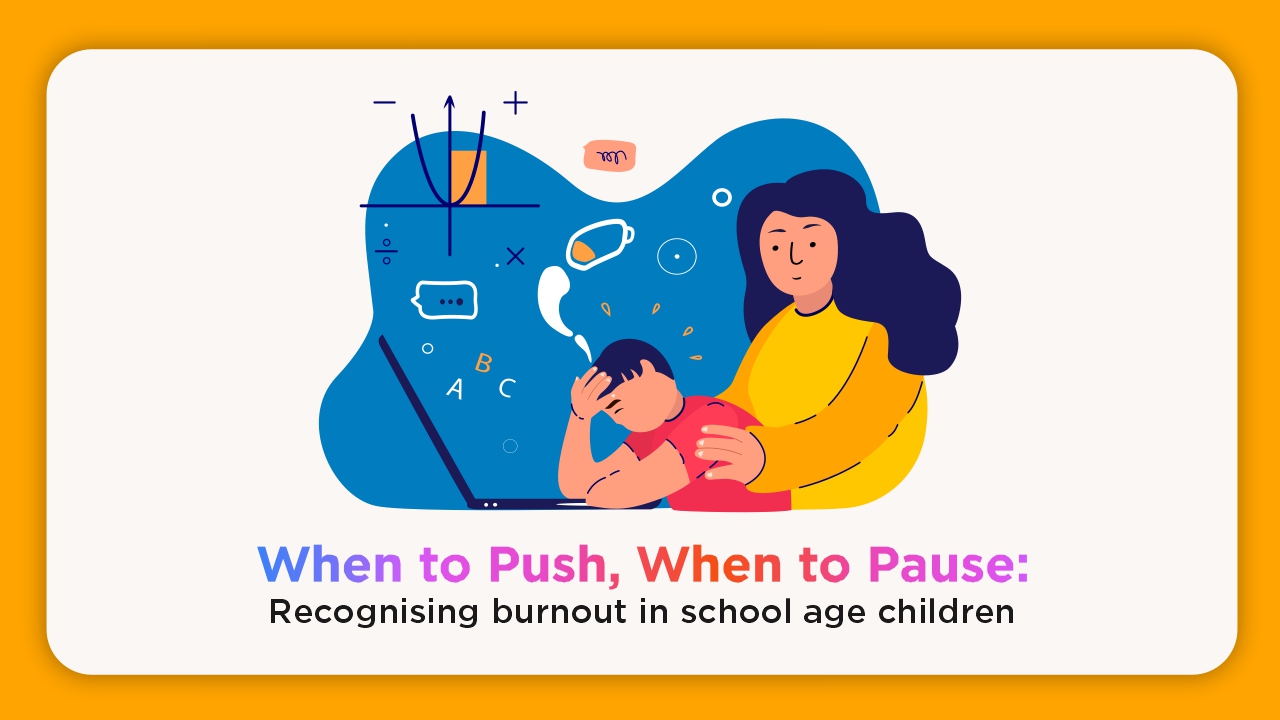 7
In this hypercompetitive educational climate, academic intensiveness often overshadows emotional well-being. While discipline and consistency are crucial, there comes a point where pressure tips into burnout . The challenge lies in knowing when to encourage perseverance and when to step back. Recognising burnout in school age children is not just about spotting fatigue but also about understanding a growing disconnect between effort and well-being. Burnout , as defined by the World Health Organization , is a state of chronic physical and emotional exhaustion, often accompanied by feelings of cynicism, detachment and reduced efficacy. What is Childhood Burnout? Burnout in children is a state of emotional , mental and sometimes physical exhaustion caused by prolonged stress. Unlike temporary tiredness, it lingers, affecting motivation, mood and even physical health. According to a 2022 study published in the Journal of Child Psychology and Psychiatry , students facing continuous academic pressure without emotional outlets are more prone to anxiety, disrupted sleep and loss of enthusiasm for learning. Warning Signs Not to Ignore Recognising the early signs of burnout is vital. Common indicators include: a. Persistent fatigue even after rest. b. Sudden drop in academic performance. c. Mood swings or withdrawal from friends and family. d. Frequent headaches or stomach aches without a medical cause. e. Apathy towards activities once enjoyed. These symptoms are not just phases but rather serve as the body’s distress signals, hinting at the need for balance. Why Indian Students Are at Greater Risk? a. High Societal and Familial Pressure : Academic success is often equated with social status and family pride in many Indian households. b. Emphasis on Competitive Exams : Students face immense pressure to excel in board exams, Olympiads and entrance tests like JEE and NEET. c. Pursuit of Perfection : A culture of constant comparison and high expectations pushes children towards intensive academic goals. d. Overloaded Schedules : Long school hours, followed by coaching classes and tuitions, leave little room for rest or recreation. e. Rising Academic Burnout : The continuous cycle of study and performance is leading to increased mental exhaustion and stress among students. Scientific Insight: The Brain Needs Rest Cognitive neuroscientists have shown that constant pressure hampers the brain’s executive functions critical for decision-making and memory. According to Harvard’s Centre on the Developing Child , chronic stress alters the brain’s architecture, reducing learning efficiency and emotional resilience. A 2022 study published in Nature Reviews Neuroscience found that chronic stress can shrink the prefrontal cortex by up to 10% , directly impairing concentration, problem-solving, and emotional regulation. Additionally, students exposed to long-term academic stress show a 25–35% decline in working memory performance , affecting both academic outcomes and mental well-being. When to Push: The Value of Encouragement a. Discovering the child’s interests first : Before any form of encouragement, identifying what naturally excites or motivates a child is vital. Interest is the starting point of internal motivation. Pushing without understanding this can lead to resistance. Example: If a child frequently builds with blocks and shows curiosity about how things work, guiding them toward science or engineering kits might unlock deeper learning potential. b. Balancing expectations : While encouragement is essential, pushing beyond a child’s emotional or developmental readiness can cause anxiety. It is critical to adjust expectations to match their capacity at each stage. Example: Rather than expecting a child to ace every exam, focusing on steady improvement and understanding can relieve pressure and enhance outcomes. c. Stepping out of comfort zones : Once confidence is built through interest and small wins, children can be nudged to explore unfamiliar areas. Doing so develops adaptability and emotional courage. Timing is important, this works best when the child already feels supported and secure. Example: A hesitant child who enjoys painting may be encouraged to lead a group art project, gradually expanding social and creative boundaries. d. Goal setting and perseverance : Helping children set realistic, incremental goals and supporting them through setbacks instils long-term discipline and self-belief. These efforts are most effective when aligned with what the child finds meaningful. Example: A child interested in athletics could aim to improve their timing week by week, learning perseverance and celebrating progress along the way. e. Constructive challenge fosters growth : Encouraging children to take on manageable challenges, especially within their areas of interest can nurture resilience and build genuine self-confidence. The right challenge at the right time fosters healthy development. Example: A child passionate about reading may benefit from joining a school literary club or participating in book review contests to stretch their abilities. f. Creating a supportive environment : Every push must be paired with emotional safety. Encouragement should never be based on fear of failure or external comparison. Instead, children need the reassurance that effort is more valuable than immediate success. Example: If a child stumbles in a competition, responding with empathy and helping them reflect positively on the experience builds resilience without damage to self-esteem. When to Pause: The Need for Recovery a. When mental fatigue sets in, rest becomes essential: Just as athletes require rest days to restore their bodies, school age children need cognitive breaks to sustain peak performance. Constant academic pressure without mental rest can lead to burnout and reduced motivation. Example: After a demanding series of unit tests, allowing the child a weekend free from structured study helps restore focus and reduce stress. b. When the child loses interest or becomes irritable, it is time to reintroduce play: Frequent irritability, disinterest in studies or emotional outbursts can indicate cognitive overload. In such moments, unstructured play, hobbies or simple family time act as a reset button. Example: If a child begins resisting homework or displays a short temper after school, encouraging an hour of painting, cycling or even board games could provide the mental break needed. c. When learning becomes mechanical, breaks are necessary for retention: If studying feels robotic and the child is unable to recall or apply concepts, it may signal that the brain is overloaded. Purposeful rest improves memory, creativity and problem-solving. Example: After a long evening of study sessions, inserting a 15-minute break for stretching or a light snack can refresh the mind and improve retention in the next session. According to the American Psychological Association , students who take purposeful breaks show improved concentration, creativity and problem-solving skills. Practical Solutions for Parents a. Open Communication: Encourage children to express their feelings without fear of judgement. b. Structured Downtime: Ensure time is allocated for hobbies, rest and social interaction. c. Balanced Schedules: Avoid overscheduling. Focus on quality learning rather than quantity. d. Mindfulness Practices: Introduce relaxation techniques like breathing exercises or journaling. e. Sleep Hygiene: Ensure at least 8–9 hours of uninterrupted sleep for school aged children. Narayana Schools’ Initiatives: Helping Children Thrive, Not Just Survive At Narayana Schools , we are committed to the all-round development of every child, where academic excellence is nurtured alongside physical health, emotional resilience and mental well-being. Four powerful initiatives exemplify this commitment: a. DISHA Mental Well-being Programme : Burnout often begins where emotional expression ends. DISHA provides a structured platform for students to speak freely, manage stress and seek help when overwhelmed . By normalising emotional conversations and offering access to trained counsellors, we ensure that students feel heard and supported , reducing the internal pressure that often goes unnoticed. b. Yoga Veekshan: When students are constantly in ‘go-mode’, pause becomes powerful . Yoga Veekshan introduces daily mindful breathing, yoga and relaxation techniques to help children centre themselves amidst the chaos. It nurtures emotional balance, mental clarity and inner calm , all of which are essential in recognising and preventing academic burnout. c. nSports Age-Appropriate Sports Curriculum: Physical activity is not just about fitness, it is a vital counterbalance to academic intensity . nSports gives students the opportunity to recharge their minds and bodies through structured, age-appropriate sports that promote teamwork, discipline and healthy stress relief. Sports act as a natural ‘pause button’ helping maintain mental agility and motivation. d. Soft Skills: A major reason students suffer in silence is the inability to communicate their inner struggles . The soft skills programme teaches children to express their thoughts and emotions , whether it is sharing anxieties with parents, articulating confusion to teachers or building self-confidence through public speaking. By fostering open expression, we equip them to ask for help when they need to pause and advocate for themselves when they are ready to push . In a world that constantly chases performance and perfection, these initiatives remind us that true success lies not just in reaching goals, but in preserving inner peace along the way. Understanding when to push and when to pause is not about lowering standards but about raising emotionally healthy learners. A child who feels heard, rested and supported is far more likely to thrive both in school and in life rather than an overburdened, unheard, unrested and unsupported one. It is because in the journey of education balance is not just beneficial it is essential. At Narayana Schools, we understand that well-being is the foundation of true success. By blending academic success with emotional intelligence, mindfulness, physical activity and open communication, we ensure that students are not only prepared for challenges but protected from burnout. For us education is not just about reaching the top, but about having the strength, balance and clarity to dream big and pursue those dreams with purpose, because at Narayana Schools, your dreams are our dreams .
10 Jul 2025

