

Explore stories and insights
Loading...


 7
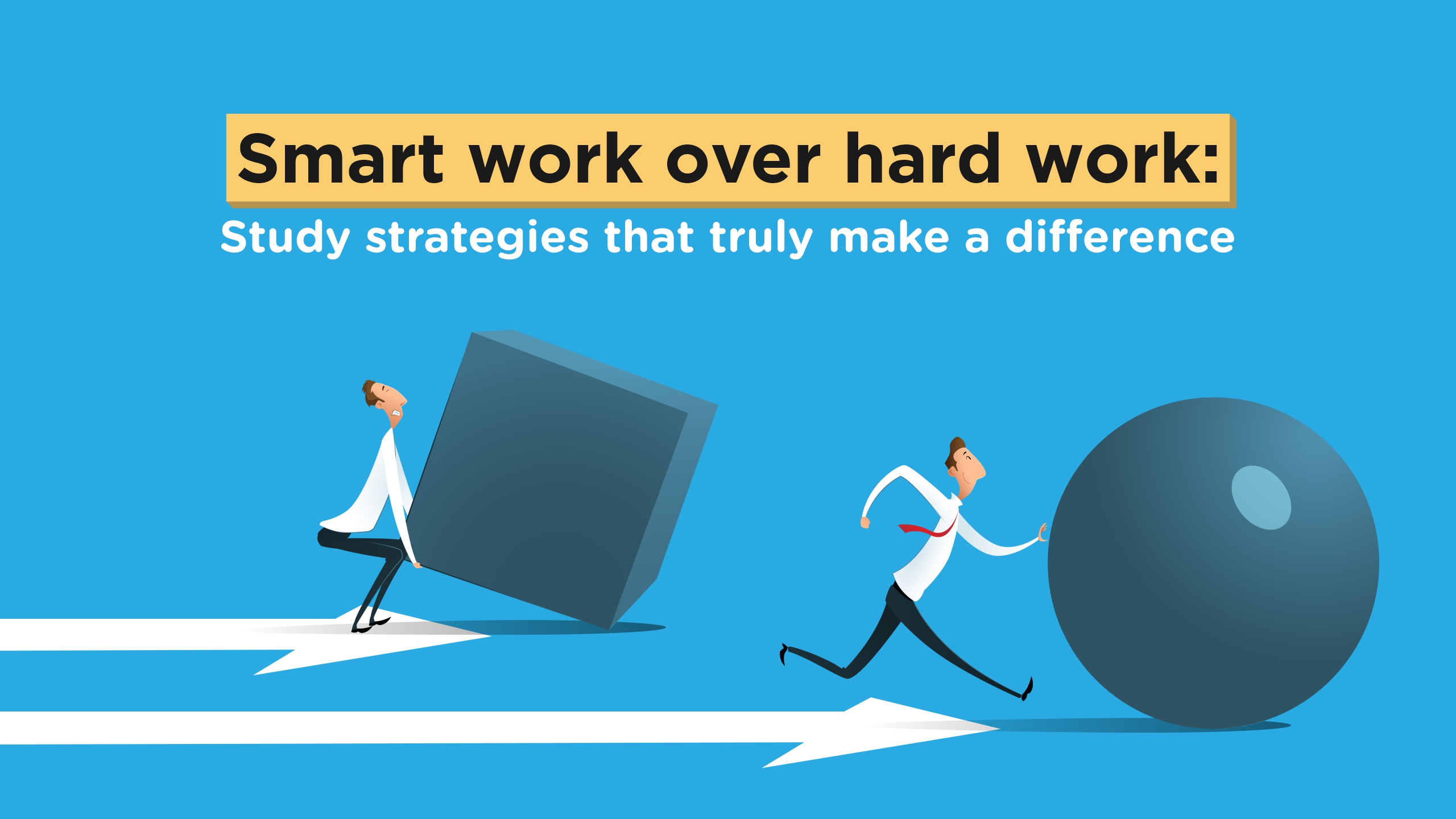
In an era where information is abundant but time is limited, the key to academic success lies not in how long students study, but in how smartly they do it. As 21st-century learning evolves, the spotlight has moved from sheer hard work to strategies that promote efficiency, clarity and emotional balance, the factors that enable students to learn better and not just longer. The Shift in the Purpose of Education The traditional education system has long rewarded hard work. However, the future of education is built on working smarter, developing critical thinking, clarity and adaptive learning. Modern education requires students to: • Understand how to learn, not just what to learn. • Develop skills beyond academics like emotional intelligence, resilience and self-management. • Balance cognitive effort with mental wellness. Why Smart Work Matters in Early Learning Research by Stanford University and the American Psychological Association indicates that students who use strategic learning methods outperform those relying solely on repetition. Benefits of Smart Studying: • Better academic retention and recall. • Lower stress and increased motivation. • Improved time management and goal setting. • Stronger social-emotional development and confidence. Proven Smart Study Strategies 1. Goal-Oriented Learning - Instead of unstructured long hours, students should: • Set clear, achievable daily and weekly targets. • Break complex tasks into smaller, time bound goals. • Use planners or goal charts for visual tracking. 2. Spaced Repetition and Active Recall - This scientific technique improves memory and concept clarity: • Create flashcards or use apps like Anki. • Revise topics in intervals (1 day – 3 days – 7 days – 14 days). • Test retention with weekly quizzes or oral recaps. 3. Pomodoro Technique and Time Blocking - Focus improves when study is segmented into focused sprints: • 25 minutes of concentrated work, then a break of 5 minutes. • After 4 cycles, take loner breaks of 15–30 minutes. • Encourages discipline and prevents fatigue. 4. Conceptual Learning Over Rote Memorisation - Understanding the “why” behind every concept promotes deep learning: • Use real-life analogies or examples. Example: To explain the concept of electric circuits use the analogy of water flowing through pipes. Voltage is like water pressure, current is the flow of water and resistance is the size of the pipe. This analogy helps students visualise the abstract idea in a familiar and tangible context. • Relate abstract concepts to tangible experiences. Example: To teach probability ask students to estimate the chances of it raining on a cloudy day or drawing a red ball from a bag. This connects mathematical probability with everyday decision-making, helping students internalise the concept. Parents can support deeper understanding at home by referring to Narayana Schools’ concept-driven modules on the nLearn app. For instance, in physics, Newton’s Laws of Motion are not just memorised from a textbook. Instead, students watch animated explanations and conduct hands-on activities with toy cars and inclined planes. They observe motion, note the effect of varying forces, and then explain why motion changes—creating a meaningful bridge between theory and practical understanding. To further strengthen conceptual grounding, Narayana Schools have the CDF approach, where every topic begins with a clear understanding of the concept. Only once the student grasps the logic behind the idea, are the definition and formula introduced. This way, formulas are not just memorised but understood as logical extensions of a concept. This method nurtures long-term retention and problem-solving skills, especially in subjects like mathematics and science. Visual Learning for Concept Retention Studies show that students using visual learning aids like mind maps or flowcharts: • Retain up to 23% more information. • Improve long term memory through visual associations. • Make connections across subjects and themes easily. Recommended tools: • Mind maps (hand drawn or digital) • Diagrams and infographics • Colour coded notes and flowcharts Mental Wellness and Study Balance The importance of emotional development in early years cannot be overstated. According to Harvard Medical School: • Sleep plays a critical role in memory consolidation • Exercise enhances concentration and focus • Mindful breaks prevent burnout and support mental clarity Encouraging balance helps children develop emotional resilience , an essential skill for academic and life success. Role of Parents in Nurturing Smarter Study Habits Parents play a central role in promoting emotional intelligence for kids and smart study culture: • Encourage effort over hours spent • Help children reflect on what methods work best • Recognise signs of stress or burnout and guide accordingly The goal is no longer just academic excellence. It is about raising capable, confident individuals ready for real world challenges. When students adopt smart work over hard work, they not only perform better in exams but also develop a lifelong love for learning. At Narayana Schools, we believe that curiosity sparks imagination, imagination sows the seeds of dreams, and with the joy of discovery and love for learning, we help students turn dreams into reality, because your dreams are our dreams.
 08 Jul 2025
 7
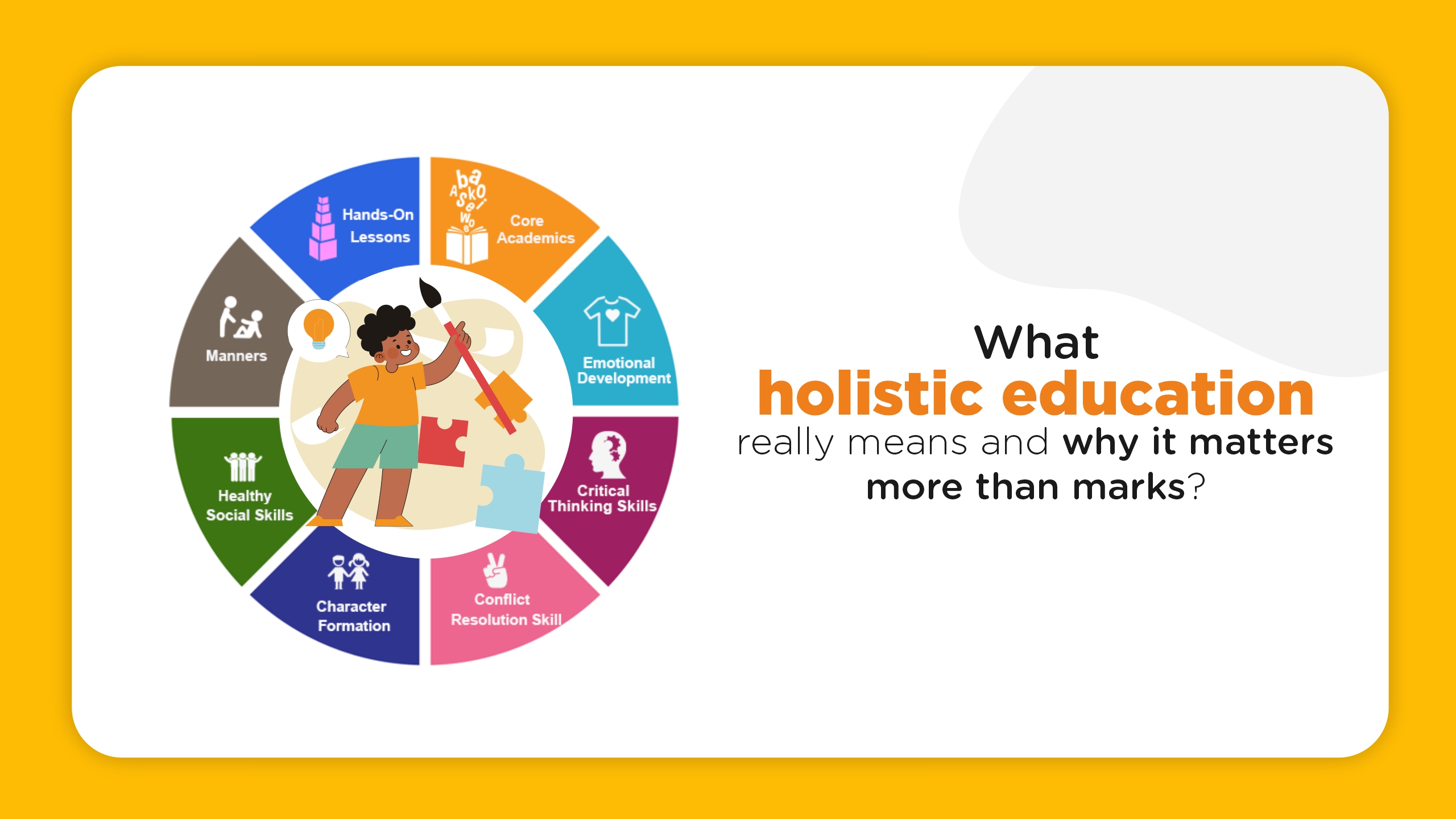
What Holistic Education Really Means and Why It Matters More Than Marks? In India’s merit-centric society, academic excellence often takes centre stage. Yet, as the world evolves, so does the understanding of what truly prepares a child for success. Holistic education in India focussing on the comprehensive development of a child, emerges as a pivotal approach, emphasising that nurturing well-rounded individuals is more beneficial than solely chasing high marks. Understanding Holistic Education Holistic education is an approach that addresses the intellectual, emotional, social, physical and ethical development of students. It moves beyond traditional rote learning, as it recognises education not merely as the transmission of information but as a process of nurturing well-rounded, thoughtful and compassionate individuals. At its core, holistic education is the philosophy, while holistic learning is the practice, a dynamic, student-centred approach that engages both the heart and the mind. Through holistic learning, students cultivate critical thinking, emotional intelligence, creativity and resilience, preparing them not just for exams but for life. This method recognises that each child is unique, with individual strengths and needs and seeks to foster an environment where all aspects of a child's growth are nurtured. Why Holistic Development Matters A truly effective education extends beyond textbooks. It nurtures every aspect of a child’s development, preparing them not just for exams, but for life. At Narayana Schools, we believe that holistic development is not optional, it is essential. Enhanced Academic Performance : Contrary to the traditional belief that academic focus alone drives results, research and experience show that students engaged in holistic learning environments often excel academically. By addressing emotional and social needs alongside intellectual growth, students form deeper connections with their learning , improving both retention and performance.Through the LEAP Programme , an age-appropriate framework designed to Learn, Evolve, Apply and Progress , students are guided to master concepts with clarity while nurturing their personal growth at every developmental stage. Development of Life Skills : Holistic education cultivates essential life skills such as communication, teamwork, adaptability and problem-solving, all vital for thriving in a rapidly evolving world. nSports , our age-appropriate sports curriculum, not only enhances physical fitness but also reinforces discipline, team spirit and leadership qualities. Similarly, project based learning and collaborative classroom tasks foster real world thinking and interpersonal skills, building resilience and independence from an early age. Emotional and Social Well-being : Emotional intelligence is the cornerstone of a healthy mind. Through DISHA , Narayana’s dedicated mental wellness initiative, students receive guidance to build self-awareness, empathy and emotional regulation.We integrate Social and Emotional Learning (SEL) , a structured approach that helps students understand and manage emotions, build positive relationships and make responsible decisions , into our curriculum, enabling children to thrive emotionally as well as academically. Physical Health and Wellness : Physical activity is not just about movement, it is about fitness, mental clarity and stress management too. At Narayana Schools, students engage in structured physical education, yoga sessions and mindfulness practices through programmes like Yoga Veekshan and nSports .These routines are carefully designed to support physical and mental fitness, focus, reduce anxiety and promote inner balance, with practices tailored to different age groups and energy levels. Together, they lay a foundation for lifelong health and well-being. Role of Parents in Holistic Development Parents significantly influence holistic growth. Encouraging exploration beyond textbooks, valuing emotional expression and supporting balanced routines help align home environments with the goals of 21 st century learning in India. Holistic education in Indian schools is not a luxury; it is a necessity. It ensures that children are prepared not only for exams but for life. It bridges academic prowess with emotional strength, life skills and well-being, offering a future-ready approach to education. At Narayana Schools, we nurture the whole child, mind, heart and spirit, so they can pursue their aspirations with confidence, purpose and resilience, because your dreams are our dreams .
25 Jun 2025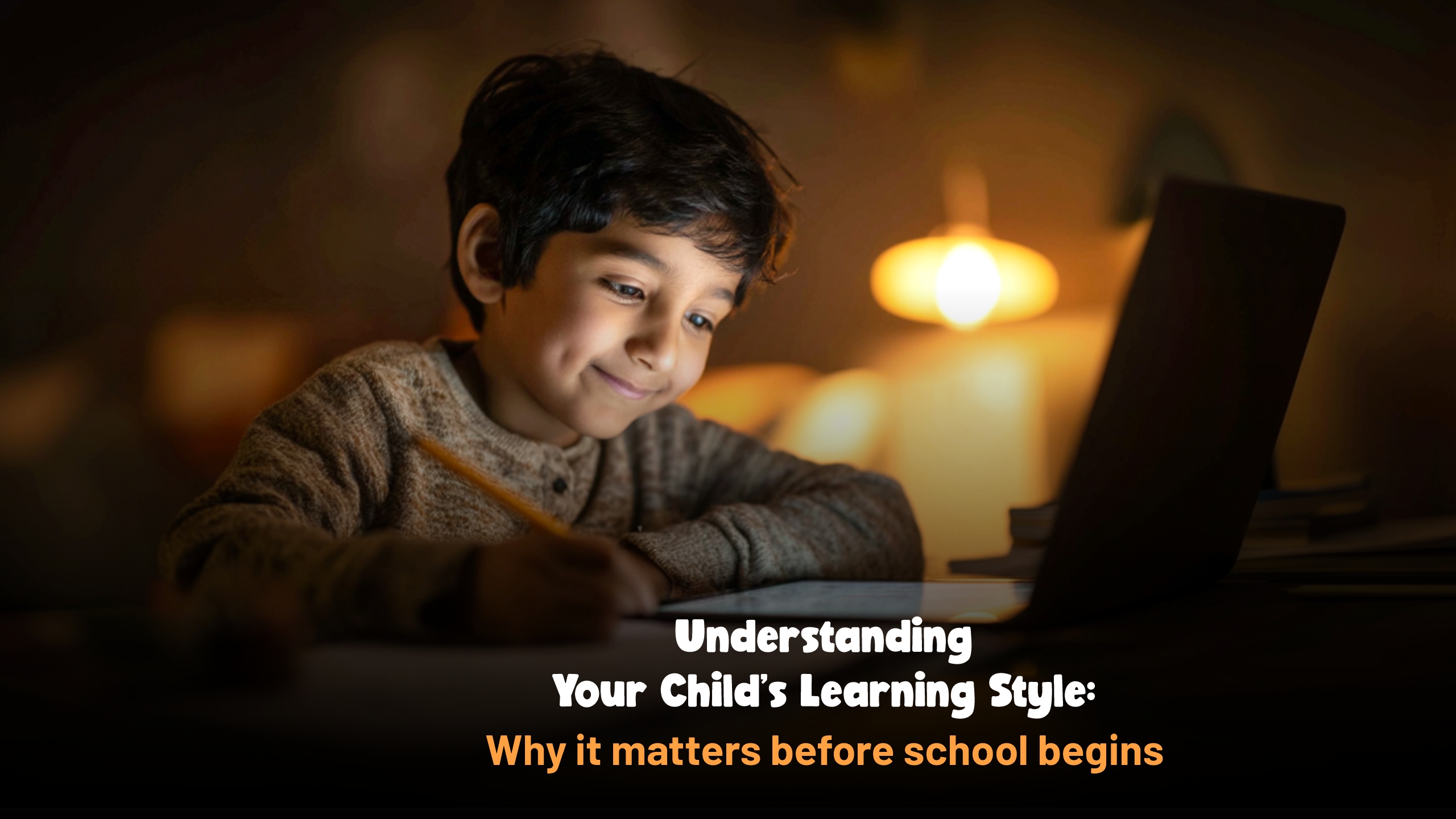 7
As summer vacation draws to a close, the reopening of school marks a familiar return for some children, while for others it signals a fresh start in a new school. This transitional period offers parents across India a valuable opportunity to explore and understand their child’s distinctive learning style. Recognising and understanding these preferences can significantly enhance educational experiences, leading to improved engagement, confidence and success. The Significance of Learning Styles Every child possesses a distinct way of processing information. Identifying a child’s learning style , be it visual, auditory, reading, writing or kinaesthetic ( retains information better through doing rather than watching or listening), enables the tailoring of educational approaches to suit individual needs. This personalised strategy not only facilitates better comprehension but also fosters a more enjoyable and effective learning environment. Exploring the VARK Model The VARK (Visual, Aural/Auditory, Read/Write, and Kinesthetic) model of learning styles categorises preferences into four primary types: Visual Learners : Thrive on visual aids such as diagrams, charts and colour-coded notes. Incorporating visual learning techniques can enhance their understanding and retention. Auditory Learners : Benefit from listening to information. Engaging in discussions, listening to lectures or using mnemonic devices can be particularly effective for auditory learning . Reading/Writing Learners : Prefer interacting with text. Activities like note-taking, reading and summarising concepts support reading/writing learning styles . Kinesthetic Learners : Learn best through hands-on experiences. Practical activities, experiments and real-life examples can make learning more tangible for those with kinaesthetic learning preferences . Many children may exhibit a blend of these styles, making a multi-modal learning approach valuable. Identifying Learning Preferences Observing behavioural patterns can provide insight into a child’s preferred learning style : Drawing or watching videos may indicate visual learning traits . This is because visual learners tend to process and retain information more effectively when it is presented in a pictorial or graphic form. Enjoying storytelling or verbal instructions points to an auditory preference . This is because auditory learners grasp concepts better through listening and often remember information delivered through speech or sound. A love for reading and note-taking often aligns with reading/writing learners . This is because such learners process and retain information more effectively through written words and prefer expressing understanding through reading and writing tasks. Constant physical activity and practical problem-solving might reflect kinaesthetic learning strengths . This is due to their preference for learning through movement, hands-on experiences and real-world engagement rather than passive observation. Using tools like the VARK questionnaire for students or consulting with teachers can offer additional clarity. Practical Applications at Home Parents can actively support a child’s development by incorporating personalised learning strategies at home: Use of flashcards, illustrations and infographics for visual learners . As visually stimulating tools help these learners process and retain information more effectively. Audio books, rhymes and oral recitations for auditory learners . As spoken content allows them to absorb concepts through listening and repetition. Structured reading schedules and writing journals for reading/writing learners . As engaging with text deepens comprehension and reinforces memory through active note-taking. DIY experiments, model-making and movement-based games for kinaesthetic learners . As hands-on experiences enhance understanding through physical involvement and trial-and-error learning. The Impact on Academic Success Tailoring teaching and support methods to a child’s learning style can lead to: Improved academic performance: Lessons presented in a preferred learning style are more easily understood and applied. Higher classroom engagement: When parents support personalised learning approaches at home, children remain more attentive and interested in classroom activities, leading to better participation and understanding. Better information retention: Content aligned with a child’s cognitive preference is more likely to be remembered. Greater confidence in learning abilities: consistent success boosts self-belief and encourages independent effort. Reduced stress during study time: Familiar learning methods minimise frustration and make studying feel more manageable. These outcomes not only boost academic outcomes but also contribute to long-term learning satisfaction. Practical Applications at Home Parents can actively support a child’s development by incorporating personalised learning strategies at home: Use of flashcards, illustrations and infographics for visual learners . As visually stimulating tools help these learners process and retain information more effectively. Platforms like YouTube and Narayana’s nLearn offer rich visual modules and video content that further enhance understanding for visual learners. Audio books, rhymes and oral recitations for auditory learners . As spoken content allows them to absorb concepts through listening and repetition. Structured reading schedules and writing journals for reading/writing learners . As engaging with text deepens comprehension and reinforces memory through active note-taking. DIY experiments, model-making, role-play, gardening, sports and movement-based games for kinaesthetic learners , as hands-on experiences enhance understanding through physical involvement, coordination, and trial-and-error learning. Activities like dance routines, obstacle courses and building kits also support concept retention by engaging the body in the learning process. Educational platforms offering learning style-based resources can further reinforce classroom learning. Understanding a child’s learning style before school begins lays the foundation for a productive and joyful academic year. A thoughtful, informed approach to individual learning preferences equips children with the tools needed not just to survive in the classroom but to truly thrive.
10 Jun 2025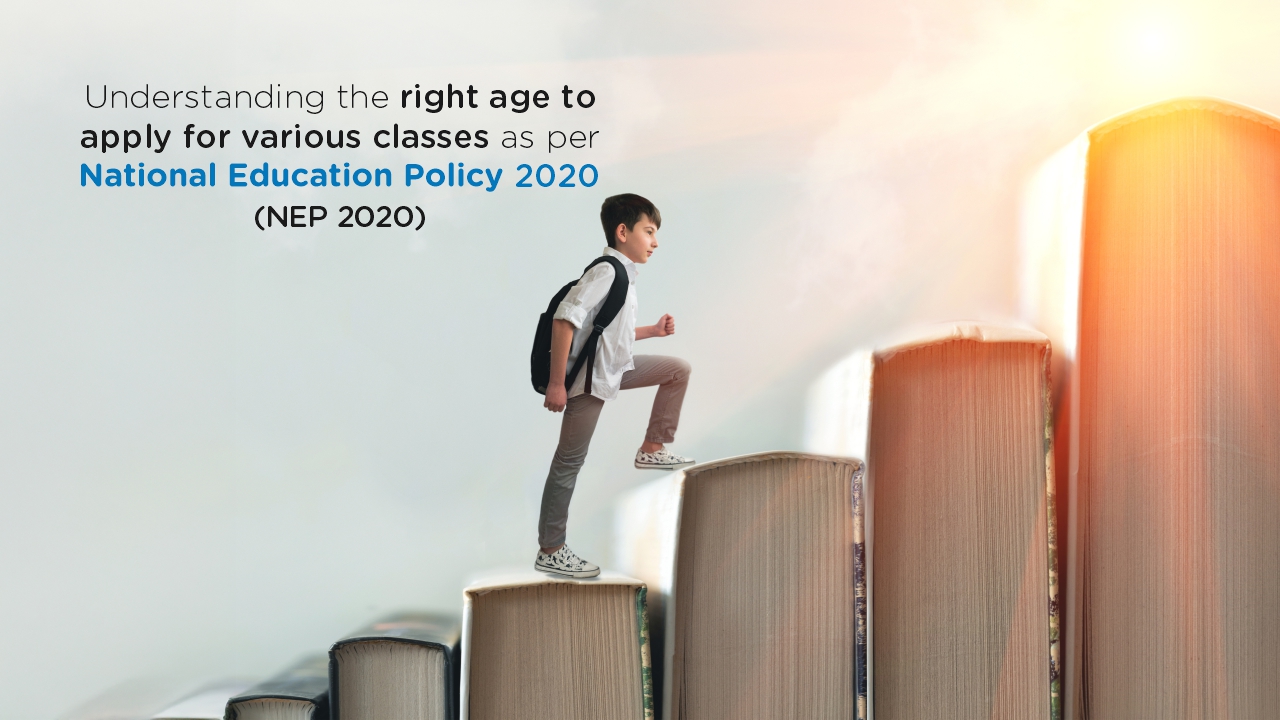 7
The National Education Policy (NEP) 2020 has redefined the educational landscape in India, introducing a structured approach to align children's developmental stages with their academic journey. This transformation is pivotal for parents aiming to make informed decisions about their children's education. * The ages mentioned for each class/stage refer to the entry age , i.e., the child’s age at the time of admission to that class, not the age at which they complete it. Foundational Stage (Ages 3–8): Building the Bedrock The Foundational Stage encompasses three years of pre-primary education (nursery, lower kindergarten and upper kindergarten) followed by Classes 1 and 2. This stage emphasizes play-based and activity-oriented learning, crucial for cognitive and motor skill development. Nursery : 3–4 years Lower Kindergarten (LKG) : 4–5 years Upper Kindergarten (UKG) : 5–6 years Class 1 : 6–7 years Class 2 : 7–8 years The Ministry of Education mandates that children must be at least 6 years old by the admission date for Class 1, ensuring readiness for formal education. Preparatory Stage (Ages 8–11): Transition to Structured Learning Spanning Classes 3 to 5, the Preparatory Stage introduces children to more structured learning, focusing on reading, writing and arithmetic, along with the introduction of subjects like science and social studies. Class 3 : 8–9 years Class 4 : 9–10 years Class 5 : 10–11 years This stage is designed to build upon the foundational skills acquired earlier, promoting a deeper understanding of core subjects. Middle Stage (Ages 11–14): Fostering Analytical Thinking The Middle Stage , covering Classes 6 to 8, marks a shift towards experiential learning and critical thinking. Students are introduced to more abstract concepts across various subjects, encouraging analytical skills. Class 6 : 11–12 years Class 7 : 12–13 years Class 8 : 13–14 years This phase is crucial for identifying students' interests and aptitudes, laying the groundwork for future academic and career choices. Secondary Stage (Ages 14–18): Preparing for Higher Education and Careers Encompassing Classes 9 to 12, the Secondary Stage aims to equip students with multidisciplinary knowledge and life skills. The curriculum is designed to be flexible, allowing students to choose subjects based on their interests. Class 9 : 14–15 years Class 10 : 15–16 years Class 11 : 16–17 years Class 12 : 17–18 years This stage prepares students for higher education and vocational pathways, aligning with their strengths and aspirations. Special Considerations: Inclusivity and Flexibility The NEP 2020 acknowledges the diverse needs of learners: Children with Special Needs : A relaxation of up to 2 years (upward) in the age criteria is provided to accommodate their unique learning requirements. State-Specific Adjustments : Some states, like Karnataka, have implemented temporary relaxations in age criteria for Class 1 admissions, allowing children aged 5.5 years who have completed UKG to apply. These provisions ensure that the education system remains inclusive and adaptable to individual circumstances. Practical Steps for Parents To navigate the right age to apply for various classes as per NEP 2020 effectively: Verify Age Eligibility : Confirm that the child's age aligns with the stipulated criteria for the desired class. Prepare Documentation : Ensure all necessary documents, such as birth certificates, are accurate and readily available. Understand School Policies : Familiarise yourself with the specific admission guidelines of the chosen school, as they may have additional requirements. Plan Ahead : Begin the admission process well in advance to accommodate any unforeseen challenges. By aligning educational choices with the NEP 2020's structured framework, parents can ensure that their children embark on a learning journey that is both developmentally appropriate and conducive to long-term success. It is also strongly advised that parents thoroughly review the stipulated guidelines so that, in the event of any age discrepancies, any necessary class repetition can occur during the lower grades rather than the higher ones, minimising disruption to the child's academic progress.
03 Jun 2025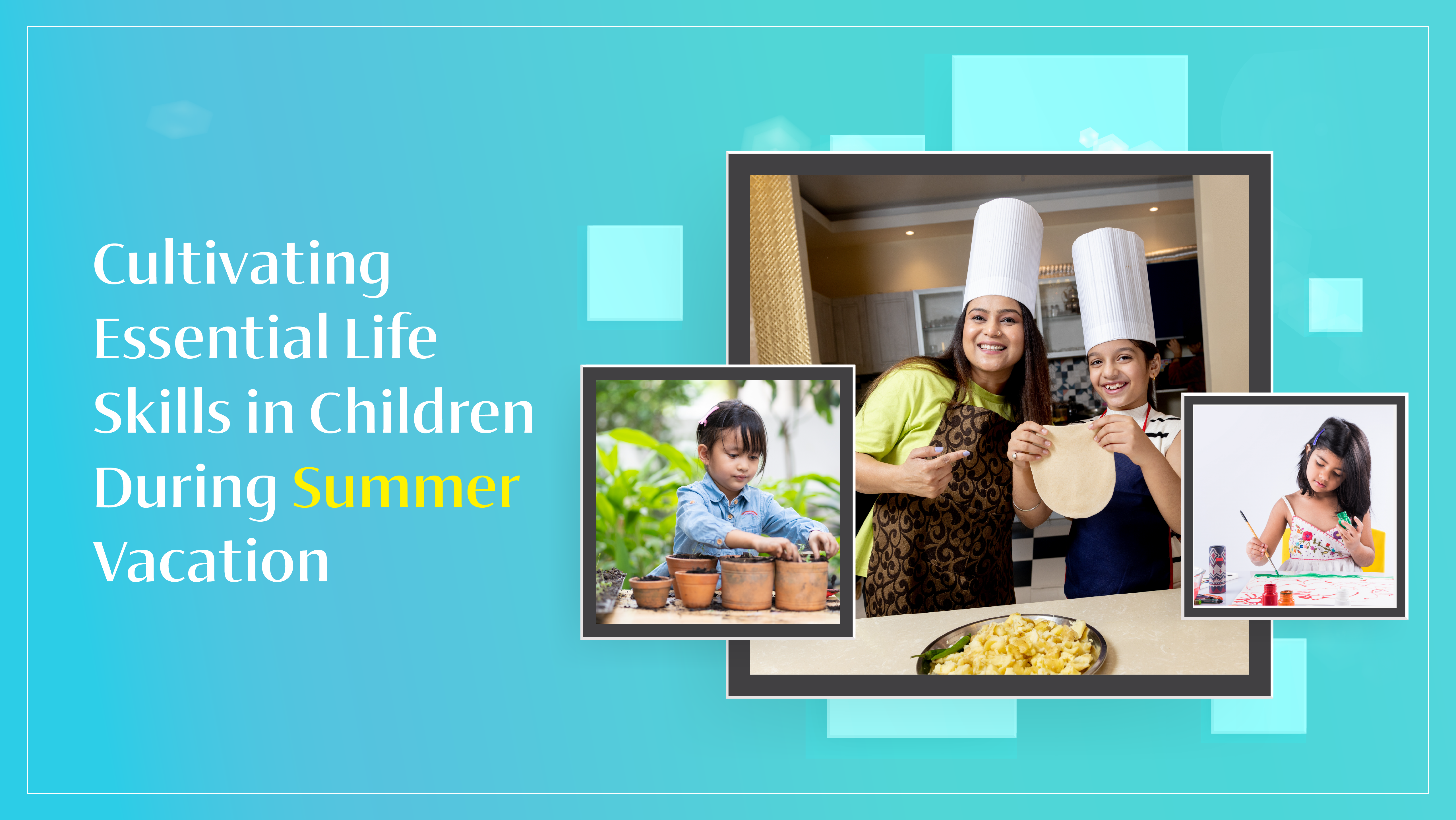 8
Summer vacation offers an invaluable opportunity to nurture essential life skills in children , skills that extend beyond academic achievements and lay the foundation for personal growth, independence and resilience. For parents across India, this period can be strategically utilised to instil habits and competencies that will benefit children throughout their lives. Some thoughtful and engaging ways to help children develop these vital life skills during the summer months are: 1. Fostering responsibility through daily tasks Engaging children in age-appropriate household chores cultivates a sense of responsibility and self-reliance. Activities such as tidying their rooms, assisting in meal preparation or managing a personal schedule can instil discipline and organisational skills. Research underscores that involving children in daily tasks enhances their executive functioning and time management skills . 2. Enhancing cognitive skills with educational games Incorporating educational games for kids into daily routines can bolster critical thinking and problem-solving abilities . Traditional board games like chess and Scrabble improve strategic planning and vocabulary, while digital platforms such as Lumosity and Elevate offer personalised brain training exercises. These activities not only make learning enjoyable but also contribute to cognitive development in children . 3. Promoting emotional intelligence through storytelling Storytelling sessions can be instrumental in developing emotional intelligence in children . Narratives that explore diverse characters and situations enable children to understand and manage their emotions effectively. Initiatives like storytelling workshops at public libraries and schools have demonstrated success in teaching values such as empathy and resilience. 4. Encouraging social skills via summer camps Participation in summer camps for kids in India provides children with opportunities to interact with peers, fostering communication and teamwork skills. Camps that offer activities like group projects, sports and arts encourage collaboration and adaptability. 5. Teaching practical life skills in the kitchen Introducing children to basic cooking skills teaches them about nutrition, safety and independence. Simple tasks like preparing snacks or helping with recipes enhance motor coordination and instil confidence. Cooking together also promotes family bonding and healthy eating habits. 6. Instilling environmental awareness through gardening Gardening teaches children patience, consistency and care for the environment. Tending to plants creates a hands-on appreciation of ecology and sustainability which are vital aspects of modern life. 7. Encouraging creativity through arts and crafts Arts and crafts serve as excellent mediums to boost imagination, patience and fine motor development. Whether it is painting, paper folding or clay modelling, creative tasks help children express emotions and visualise solutions. 8. Developing financial literacy with basic money management Introducing the basics of money through pocket money, piggy banks or mock budgeting teaches children the value of earning and saving. This early exposure builds financial literacy for children , a skill increasingly important in today's digital world. 9. Building decision-making skills through guided choices Allowing children to make small decisions like what to wear, what hobby to pursue, or which book to read develops independent thinking and accountability. This empowers them to take ownership of their choices. Utilising the summer vacation to focus on life skills development in children can yield long-term benefits that transcend academic success. By integrating practical activities , interactive learning experiences and holistic development approaches , parents can equip their children with the tools necessary to thrive in an ever-evolving world.
21 May 2025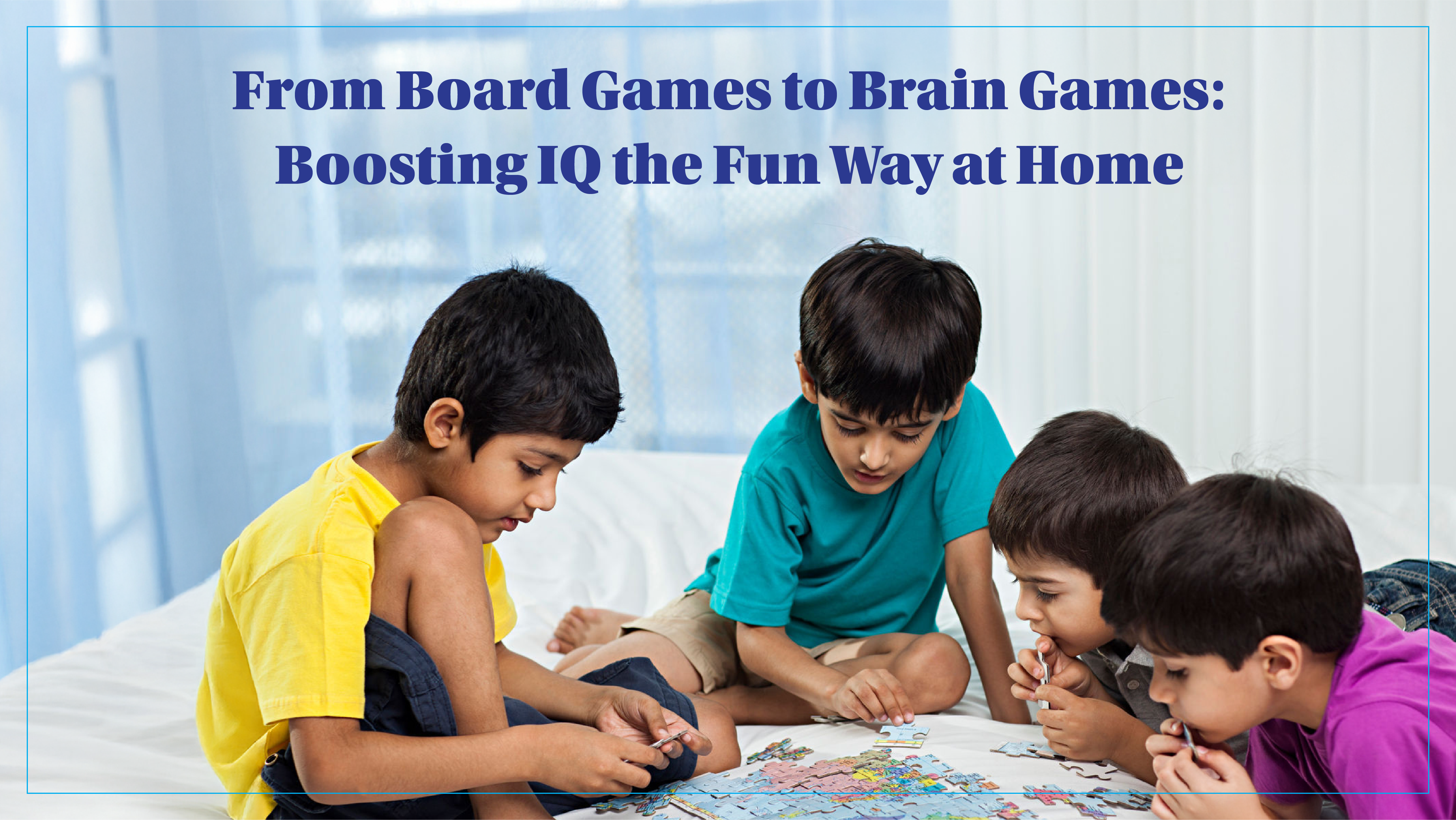 10
Nurturing cognitive development in children requires a balanced mix of classic games and modern learning tools. Encouraging brain stimulation through engaging activities not only builds intelligence but also sharpens analytical thinking, memory and problem-solving skills. This guide explores how parents can turn everyday play into a powerful educational experience, all from the comfort of home. Traditional Board Games: Timeless Tools for Cognitive Growth Chess: Known as the “game of kings”, chess sharpens logic, patience and strategic thinking in children . It has been linked with improved academic performance and increased IQ. Scrabble: This word game broadens vocabulary, enhances spelling and promotes language development for children in an enjoyable setting. Monopoly: Beyond its financial undertones, Monopoly builds critical thinking skills , decision-making and negotiation strategies. Jigsaw Puzzles: Excellent for developing spatial awareness and attention to detail , puzzles also encourage perseverance and focus. Sudoku: A go-to for mental discipline, Sudoku strengthens logical reasoning and number fluency . Digital Brain Games: Merging Fun with Learning MentalUP: This award-winning app is crafted by academics and child development experts, offering games that target memory enhancement, visual intelligence and concentration. Lumosity: Developed by neuroscientists, Lumosity includes tailored activities to boost problem-solving skills and brain flexibility . Elevate: With a strong focus on literacy and numeracy, Elevate offers personalised training programmes ideal for academic enrichment at home . Brain Age: A gamified brain-training platform designed to improve reaction time, memory and cognitive performance in children . Video Games: When Screen Time Becomes Brain Time While screen time often raises concerns, not all video games are mindless. Certain titles are scientifically proven to enhance intelligence: Big Brain Academy: Combines short mental challenges across categories like analysis, computation and memory. Animal Crossing: Encourages goal-setting, resource planning and executive functioning skills . Super Mario Maker 2: Sparks creative problem-solving as children build and troubleshoot their own game levels. A 2022 study by Karolinska Institute concluded that children who played video games regularly showed a measurable increase in IQ scores over two years. Practical Integration: Making Brain Training a Daily Habit Consistent Playtime: Create a fixed time each day for educational games for kids , encouraging discipline and routine. Family Involvement: Playing together promotes stronger family bonds and allows parents to gently guide and participate in their child’s learning journey. Game Variety: Mix formats, board games, apps and puzzles, to engage different parts of the brain and avoid monotony. Progress Tracking: Choose apps that offer performance analytics, helping to tailor difficulty and monitor IQ improvement over time . More Than Just IQ: Holistic Child Development Smart play isn’t just about boosting intelligence. It contributes to: Emotional regulation: Games teach patience, frustration tolerance and sportsmanship. Social intelligence: Multiplayer games build collaboration, communication, and empathy. Academic advantage: Improved memory and attention span often result in better classroom performance. From the classic thrill of a chess match to the interactive challenge of digital apps, brain games provide more than mere entertainment. They serve as engaging tools for child IQ development , shaping cognitive abilities while nurturing emotional and social growth. When fun meets purpose, learning becomes a lifelong journey, one that begins right at home.
20 May 2025

