

Explore stories and insights
Loading...


 7
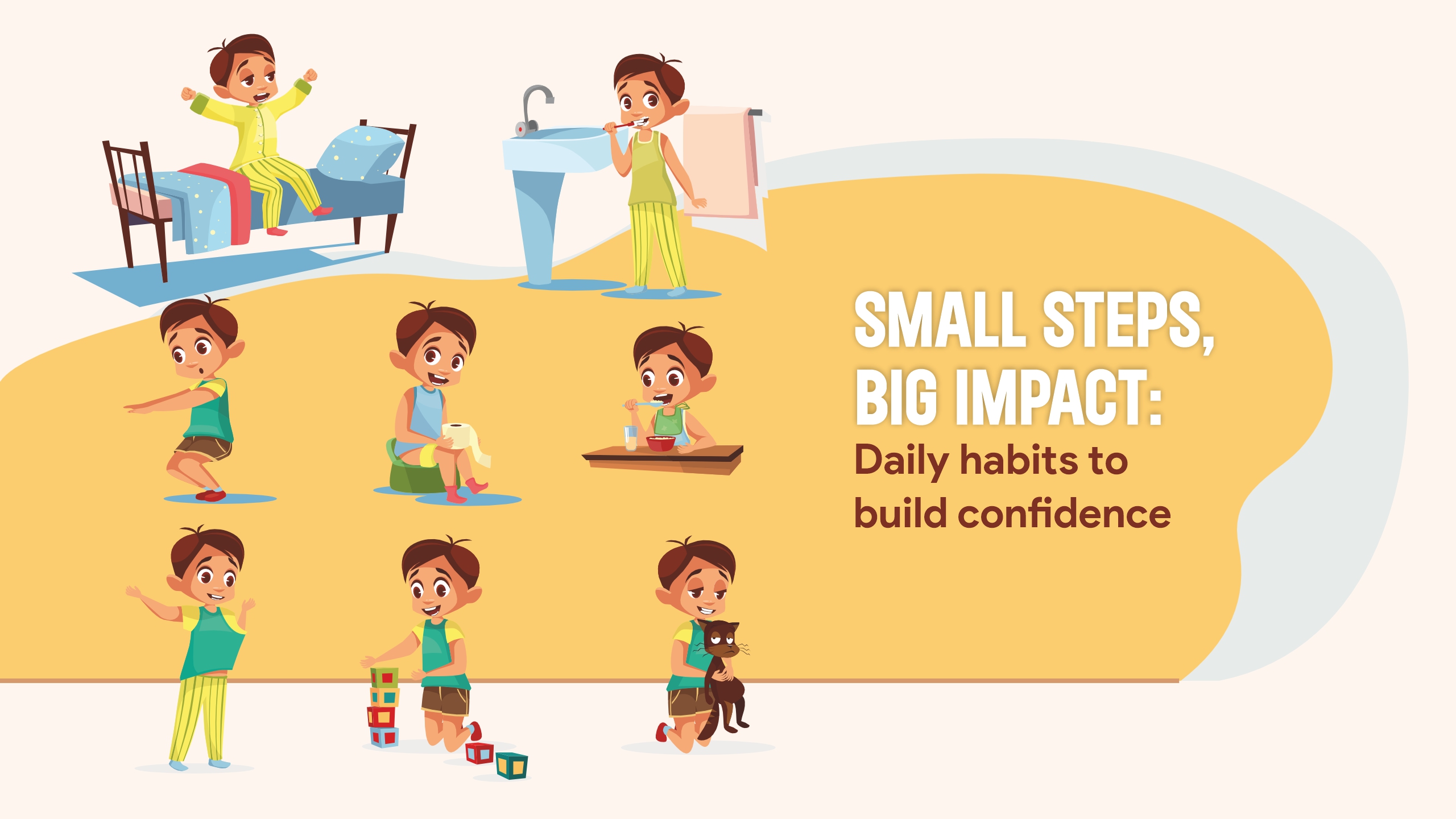
Building self-confidence in children is akin to laying the foundation of a sturdy edifice; each small, consistent action contributes to a resilient and assured individual . For parents in India , nurturing these daily habits can significantly bolster a child's self-esteem and overall development. 1. Begin with Positive Affirmations Starting the day with positive affirmations can set a constructive tone. Encouraging children to verbalise their strengths fosters self-belief . For instance, guiding them to say, "I am capable of solving complex problems", reinforces their confidence in their abilities. This practice aligns with findings from the School of Confidence , which emphasises the impact of morning affirmations on a child's self-worth . 2. Cultivate a Growth Mindset Encouraging a growth mindset involves teaching children that abilities can be developed through dedication and effort. This perspective helps them view challenges as opportunities rather than obstacles. Research published in the International Journal of Creative Research Thoughts highlights that self-confidence encourages risk-taking and innovation, essential for personal growth . 3. Promote Creativity Engaging in creative activities allows children to express themselves and recognise their unique talents, thereby boosting self-confidence . A study commissioned by Crayola found that 92% of children believe that being creative helps them feel more confident . Encouraging activities like drawing, storytelling, or music can provide platforms for self-expression and confidence building . 4. Model Positive Behaviour Children often emulate their parents' behaviours and attitudes. Demonstrating self-confidence, resilience, and a positive outlook serves as a powerful example. According to the Times of India , fostering a child’s self-esteem is crucial in today's competitive world, and parents play a significant role in this development. 5. Set Achievable Goals Assisting children in setting and accomplishing small, realistic goals provides a sense of achievement and boosts self-confidence . Celebrating these successes reinforces their belief in their capabilities. This approach is supported by the Child Mind Institute , which notes that building confidence involves recognising accomplishments . 6. Encourage Physical Activity Regular physical activity benefits not only physical health but also enhances mental well-being and self-esteem . Engaging in sports, yoga, or outdoor play can improve mood and provide a sense of accomplishment. The Hindustan Times suggests that fostering self-esteem involves promoting activities that enhance a child's self-worth . 7. Foster Social Connections Encouraging children to build healthy relationships with peers and family members provides emotional support and a sense of belonging. These social connections are vital for developing self-confidence and communication skills . For example, o rganising group activities such as team sports, collaborative classroom projects, or family game nights can help children develop social bonds. Encouraging open conversations at the dinner table or setting up playdates with classmates can also strengthen their ability to connect with others in a meaningful way. 8. Provide Constructive Feedback Offering constructive feedback helps children understand areas for improvement while acknowledging their efforts. This balanced approach prevents discouragement and promotes a realistic self-image . The Times of India highlights the importance of positive reinforcement in boosting a child’s confidence . 9. Ensure Adequate Sleep Adequate sleep is essential for emotional regulation and cognitive performance . Sleep deprivation can negatively impact a child’s mood, concentration, and self-esteem . Research from Parents.com indicates that lack of sleep affects overall mental health . 10. Teach Problem-Solving Skills Empowering children with problem-solving skills enables them to tackle challenges independently, fostering confidence in their abilities . Encouraging critical thinking and solution exploration strengthens resilience and instils self-assurance. For example, if a child is struggling with a difficult maths problem, instead of giving them the answer, guide them through the thought process by asking questions like, "What do you already know about this problem?" or "Can you think of a similar problem you have solved before?" This approach helps them break the problem into manageable steps, explore different solutions, and build confidence in their ability to solve challenges independently. At Narayana Schools , we understand the importance of nurturing these daily habits to build confidence in children . Our Soft Skills Programme plays a vital role in enhancing communication, leadership, and problem-solving abilities, empowering students to express themselves with clarity and self-assurance. Our holistic approach ensures that each student is equipped with the tools and support needed to realise their full potential. We believe that every small step contributes to the fulfilment and achievement of dreams because, at Narayana Schools , your dreams are our dreams . Follow Us for More Educational Insights Stay updated with the latest tips on education and student development. Follow us on Instagram for inspiring stories, engaging activities, and much more: Thenarayanagroup
 20 Mar 2025
 8
In a fast-paced world where children juggle academics , extracurricular activities and social expectations , self-reflection is a crucial skill that helps them understand their strengths, weaknesses and aspirations. For parents, it is crucial to guide children through this process that fosters their personal growth , emotional intelligence and resilience . What is Self-Reflection and Why Does It Matter? Self-reflection is the ability to think deeply about one’s actions, decisions and emotions. Studies suggest that students who practise self-reflection develop stronger problem-solving skills , better academic performance and improved emotional regulation. The Harvard Business Review reports that those who reflect regularly on their experiences tend to be more confident, self-aware and goal-oriented . For school-going children, self-reflection helps in: Identifying what works best in learning and exam preparation Developing a growth mindset Managing emotions and reducing stress Enhancing social interactions and decision-making skills Challenges Faced by Students Without Self-Reflection Many students feel overwhelmed by expectations and academic pressure . Without self-reflection, they may: Struggle with time management and effective learning strategies Face self-doubt and a fear of failure Have difficulty setting clear, achievable goals Be unable to handle criticism constructively In today’s highly competitive world, fostering self-reflection at an early stage ensures that children develop resilience, confidence and a positive approach towards learning . Simple Yet Effective Ways to Instil Self-Reflection in Children 1. Encourage Journaling for Better Clarity Keeping a journal allows children to express their thoughts, reflect on their experiences, and recognise patterns in their behaviour. Even a simple habit of writing down three things learned each day can significantly impact memory retention and emotional intelligence . 2. Practise the Power of "Why?" Encouraging children to ask "Why?" before making decisions develops critical thinking skills. Whether it's about choosing subjects in school or tackling competitive exams , a thoughtful approach helps them take ownership of their learning. 3. Teach the Concept of Growth Mindset Renowned psychologist Carol Dweck’s research highlights the power of a growth mindset —believing that abilities can be developed through dedication and hard work. Teaching children that failures are stepping stones to success builds confidence and perseverance. 4. Use Real-Life Examples for Practical Learning Storytelling and real-life analogies help children connect with abstract concepts. Discussing how successful people , from sports stars to scientists, use self-reflection to overcome obstacles makes the concept more relatable. 5. Incorporate Reflection in Daily Conversations Simple discussions about their day, the choices made and their emotions encourage introspection. Asking questions like “What did you learn from today’s challenge?” or “How do you feel about your achievements this week?” helps children assess their progress. 6. Provide a Supportive Learning Environment A stress-free, motivating environment ensures children feel safe to express their thoughts without fear of judgment. Through their Soft Skills Programme and Disha Mental Well-being Programme , Narayana Schools makes sure that self-reflection is seamlessly integrated into education, nurturing holistic development. The Soft Skills Programme enhances self-awareness , communication and critical thinking , empowering students to recognise their strengths and areas for improvement. Meanwhile, the Disha Mental Well-being Programme provides essential guidance and emotional support , helping students build resilience and cultivate a positive mindset through structured self-reflection . This comprehensive approach enables students to excel not only in academics but also in leadership and emotional well-being. When children develop the habit of self-reflection, they gain clarity, confidence and a sense of purpose. At Narayana Schools , this philosophy is embedded in every aspect of learning. By nurturing students with the right guidance and resources, we ensure that every dream finds its path to success because your dreams are our dreams . Follow Us for More Educational Insights Stay updated with the latest tips on education and student development. Follow us on Instagram for inspiring stories, engaging activities, and much more: Thenarayanagroup
19 Mar 2025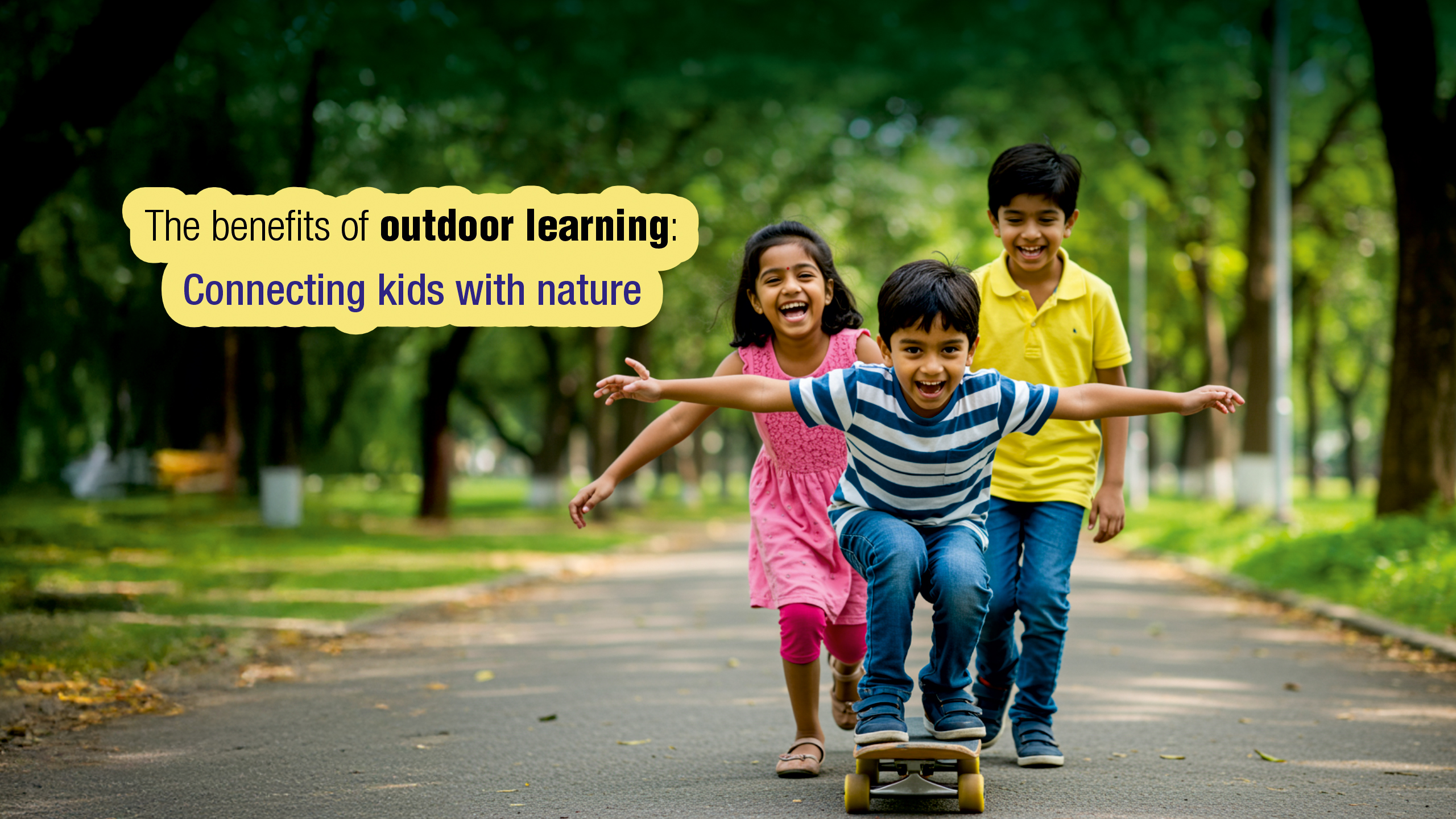 12
In today’s technology-driven world, children are increasingly confined to indoor spaces, limiting their exposure to nature and physical activity. This shift has raised concerns about their overall development, mental well-being, and academic performance. The benefits of outdoor learning go far beyond just play; they contribute to cognitive, social, emotional and physical growth. While outdoor education focuses on structured lessons in natural settings, outdoor learning is a broader concept that includes experiential activities fostering curiosity and exploration, making the former an integral part of the latter. Parents in India are now recognising the significance of outdoor education for kids as a means to foster holistic learning. Why Outdoor Learning Matters 1. Boosts Physical and Mental Well-Being: The sedentary lifestyle caused by excessive screen time is leading to a rise in obesity, stress, and anxiety among children. Studies show that outdoor play and child development are deeply connected, as exposure to fresh air and physical activity enhances immunity and promotes overall well-being. Spending time outdoors has also been proven to reduce cortisol levels, the stress hormone, leading to lower anxiety and improved mood. The impact of nature on kids' mental health is profound, as it fosters relaxation, emotional resilience and better coping mechanisms. For instance, studies have shown that children who regularly engage in outdoor activities, such as playing in green spaces or walking in parks, exhibit lower stress levels and improved concentration, enhancing both their emotional well-being and academic performance. 2. Enhances Cognitive Skills and Academic Performance: Outdoor activities encourage curiosity, creativity and problem-solving, which are key elements of experiential learning in nature . Research from the Natural Connections Project in the UK found that 92% of students showed increased engagement when learning outdoors, with 85% demonstrating better behaviour. Children who engage in nature-based learning develop stronger memory retention and enhanced concentration. Whether it's observing plant life, conducting science experiments in open spaces, or engaging in hands-on projects, outdoor learning enhances education by making lessons interactive and immersive. For example, a group of students learning about photosynthesis in a traditional classroom might rely solely on textbooks and diagrams. However, in a nature-based learning setting, they could visit a botanical garden, observe different types of leaves, measure sunlight exposure and even conduct small experiments on how plants absorb water. This hands-on experience reinforces theoretical concepts, improves memory retention and deepens their understanding, making learning both engaging and effective. 3. Development of Social and Teamwork Skills: Outdoor activities require collaboration, communication and teamwork. Whether participating in group nature walks, team-building exercises, or adventure camps, children learn valuable interpersonal skills. The advantages of outdoor activities for students extend beyond academics as they nurture leadership, adaptability, and resilience. 4. It encourages Environmental Awareness and Responsibility: Children who spend time in nature develop a deeper appreciation for the environment. Connecting children with nature at a young age instils a sense of responsibility, encouraging eco-conscious behaviour such as recycling, conservation and sustainable living. This early exposure shapes future citizens who are mindful of their ecological footprint. 5. Provides a Much-Needed Digital Detox: With digital distractions at an all-time high, outdoor learning benefits for students include much-needed breaks from screens. Outdoor education encourages children to engage their senses, explore their surroundings and build real-world problem-solving skills. 6. Fosters Cultural Awareness and Scientific Temperament: Outdoor learning connects children to their surroundings, fostering a deeper appreciation of culture , heritage and the environment . Exploring historical sites , participating in local traditions or studying indigenous ecosystems helps students develop a broader worldview . Additionally, hands-on exploration of nature nurtures a scientific temperament , encouraging inquiry , observation and analytical thinking , skills essential for innovation and problem-solving. Practical Ways to Incorporate Outdoor Learning 1. Encouraging Outdoor Learning: Advocating for outdoor education for kids can lead to the integration of structured learning experiences in natural settings. Parents can organise field trips, nature walks, gardening projects, outdoor reading sessions and nature-based science experiments to enhance learning. These activities foster a sense of belonging and instil a love for nature. 2. Family Outdoor Activities: Simple activities like weekend hikes, bird watching, or stargazing can help strengthen family bonds while promoting experiential learning in nature . 3. Encouraging Unstructured Play: Outdoor free play refers to unstructured , self-directed activities that allow children to engage with their surroundings without rigid rules or adult intervention. It enables them to explore , imagine and create freely . Playing in open spaces, climbing trees, or even building mud castles enhances sensory development and problem-solving abilities. 4. Enrolling in Outdoor Camps: Outdoor camps designed for children provide a structured yet adventurous way to experience nature-based learning for kids . Activities such as trekking, camping and survival skills training foster independence and resilience. Overcoming Challenges to Outdoor Learning 1. Limited Green Spaces in Cities: Urban living can make access to green spaces challenging. However, parents can make use of parks, botanical gardens and school playgrounds to provide nature exposure. 2. Safety Concerns: Ensuring children's safety is a top priority. Choosing well-supervised outdoor programmes with trained instructors can help mitigate risks while allowing children to explore freely. 3. Balancing Academics with Outdoor Learning: Many parents worry about time spent away from books. However, research indicates that outdoor learning enhances education by improving focus, reducing stress and boosting overall academic performance. Outdoor education is not just an alternative learning method, it is a necessity in today’s fast-paced world. It nurtures well-rounded individuals, fostering confidence, creativity and resilience. The benefits of outdoor learning are undeniable, ensuring that children grow into capable, curious and socially responsible individuals. At Narayana Schools , we believe in creating learning environments that extend beyond the classroom. By integrating experiential learning for kids into our curriculum, we help students achieve their fullest potential, imagine and dream because at Narayana Schools , your dreams are our dreams . Follow Us for More Educational Insights Stay updated with the latest tips on education and student development. Follow us on Instagram for inspiring stories, engaging activities, and much more: Thenarayanagroup
13 Mar 2025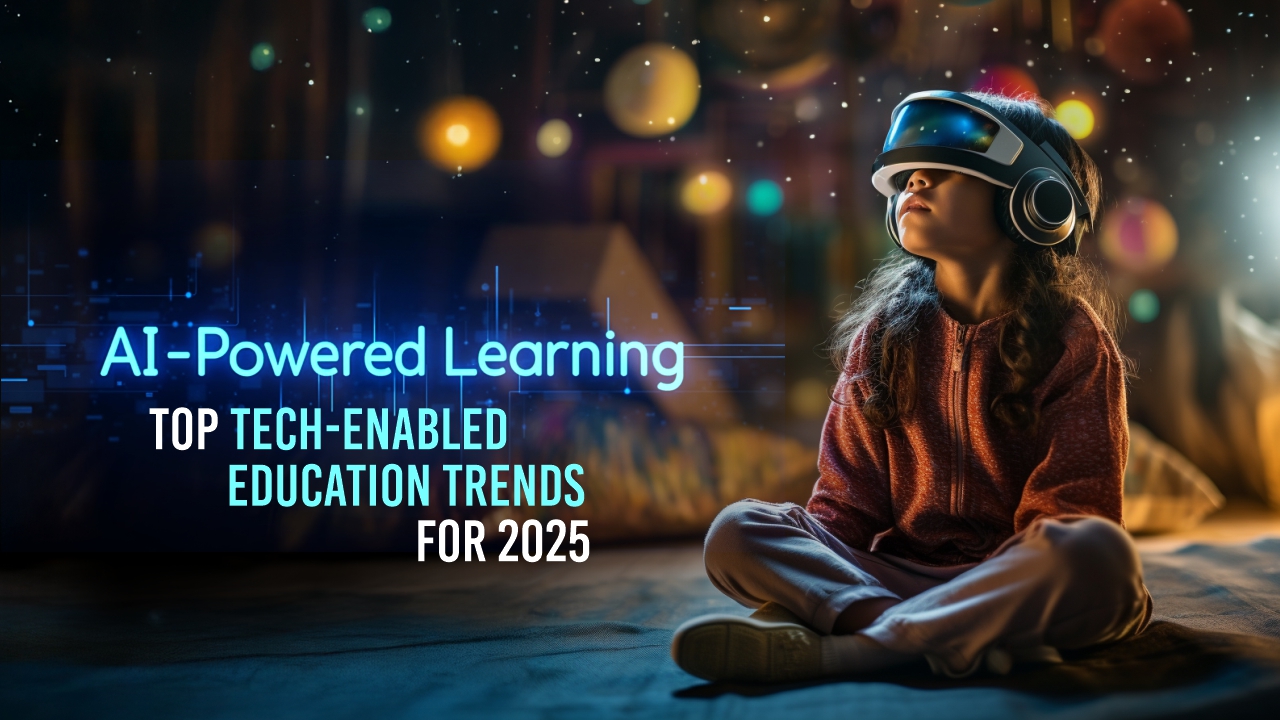 7
In 2025 , Artificial Intelligence in education is revolutionising the way students learn, making it more personalised, efficient, and accessible . The latest tech-enabled education trends are reshaping traditional classrooms and paving the way for AI-powered learning experiences that cater to diverse learning needs. 1. Personalised Learning through Artificial Intelligence AI-powered personalised learning is transforming education by adapting content to each student’s unique learning style and pace. Platforms like DreamBox Learning and Squirrel AI use machine learning algorithms to analyse real-time performance data and tailor lesson plans accordingly. This adaptive learning technology enhances student engagement and significantly improves academic outcomes . 2. AI-Driven Virtual Tutoring Systems AI-powered virtual tutors are making one-on-one academic support more accessible. For example, Narayana Schools have integrated ASTRA ( Advanced Student Tutoring & Resource Assistant ) into their nLearn platform, providing instant , subject - specific AI - generated responses . This technology fosters deeper understanding , encourages self-paced learning and ensures high-quality , tailored tutoring . Additionally, ASTRA offers grading and performance tracking , enabling students to monitor their progress effectively. 3. Augmented Reality (AR) and Virtual Reality (VR) in Education Augmented Reality ( AR ) enhances the real-world environment with digital overlays, while Virtual Reality ( VR ) creates a fully immersive, computer-generated experience. The use of Artificial Intelligence in education is also revolutionising Augmented Reality (AR) and Virtual Reality (VR) learning environments. With AI-driven AR/VR , students can explore historical events , conduct virtual science experiments , and engage in immersive simulations . These interactive learning tools create experiential learning environments that improve knowledge retention and cater to diverse learning styles . 4. Hybrid and Remote Learning Models The COVID-19 pandemic accelerated the rise of hybrid learning and remote education . AI is now enhancing these models by monitoring student engagement , identifying learning difficulties, and providing real-time feedback . AI-powered remote learning platforms ensure that students receive personalised instruction regardless of location, making online education more efficient and inclusive. An example of AI enhancing hybrid and remote learning models is nLearn , Narayana’s advanced digital platform. nLearn uses AI-driven analytics to track student engagement, identify areas where students struggle, and provide personalised learning recommendations. For instance, if a student consistently faces challenges with a particular math concept, the platform suggests targeted video lessons, practice questions, and AI-generated feedback to improve understanding. Additionally, nLearn’s real-time progress reports help teachers adapt their instruction to meet individual student needs, making online education more effective and accessible. 5. AI in Administrative Tasks and Smart Classrooms AI is automating administrative tasks such as grading, attendance tracking, and student assessments , allowing educators to focus more on teaching and mentoring . AI-driven smart classrooms can detect student participation , suggest learning improvements , and optimise teaching strategies based on real-time data. 6. AI for Lifelong Learning and Career Development Beyond K-12 education , AI in higher education and professional development is growing rapidly. Universities are expanding their AI courses to accommodate students from diverse fields such as business, medicine, and engineering , reflecting the increasing demand for AI literacy in the workforce . 7. Ethical Considerations and Data Privacy in AI Education As AI becomes more integrated into learning systems , concerns about data privacy in tech-enabled education are growing. Schools and institutions are implementing strict AI ethics policies to protect student information and ensure responsible AI usage in education . At Narayana Schools , we believe that AI adds tremendous value to education by complementing traditional learning methods. Our nLearn platform, powered by ASTRA , enhances classroom teaching with instant academic support, helping students master complex subjects , develop critical thinking skills and excel in competitive exams . By integrating advanced AI with conventional pedagogy , we create a seamless hybrid learning experience that personalises education and bridges learning gaps. As the future of education evolves, Narayana Schools remain committed to harnessing the power of AI to enrich student learning while preserving the invaluable role of traditional teaching. AI is not just transforming classroom learning, it is shaping the future of education worldwide . At Narayana Schools , we believe in harnessing these advancements to help students turn their dreams and aspirations into achievements, because your dreams are our dreams . Follow Us for More Educational Insights Stay updated with the latest tips on education and student development. Follow us on Instagram for inspiring stories, engaging activities, and much more: Thenarayanagroup
12 Mar 2025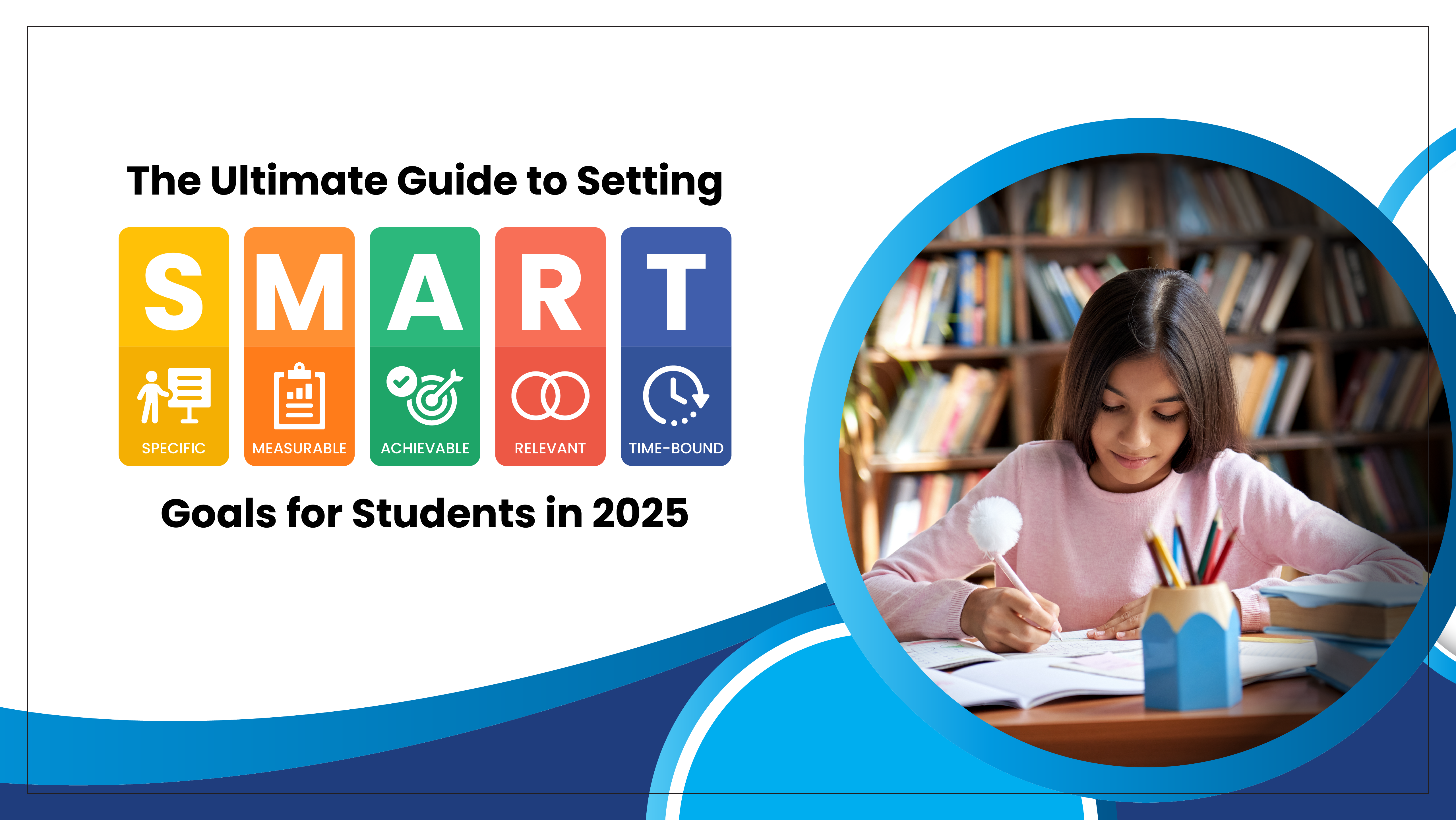 12
In the dynamic educational landscape of 2025 , students face unprecedented challenges and opportunities. To navigate this environment effectively, setting SMART goals ( Specific , Measurable , Achievable , Relevant and Time-bound ), has become more crucial than ever. As parents play a vital role in guiding and supporting their children through this process, it is essential to help them cultivate strong goal-setting habits that foster both academic excellence and personal growth. Understanding SMART Goals for Students Specific goals provide clear direction. Instead of a vague aim like " I want to do better in school ", a specific goal would be " I aim to improve my mathematics grade from a B to an A by the end of the semester ". This clarity eliminates ambiguity and sets a clear target. Encouraging children to articulate specific goals helps them gain confidence and a sense of purpose in their studies. Measurable goals allow tracking of progress. For instance, " I will complete five additional math problems daily " provides a quantifiable metric to monitor improvement. Parents can assist by checking progress regularly and celebrating small achievements to keep motivation high. Achievable goals are realistic and attainable. Setting a goal to " read one additional chapter per week " is more practical than an overly ambitious aim like " read five books a week ", which could lead to burnout. Helping children set realistic expectations prevents frustration and fosters consistency in their efforts. Relevant goals align with broader objectives. A student aspiring to pursue engineering or medicine might set a goal to " join the robotics club ", ensuring the goal is pertinent to their career aspirations . Parents can guide children in making informed decisions by discussing their interests, strengths and future ambitions. Time-bound goals have a clear deadline, fostering urgency and commitment. For example, " I will improve my typing speed to 60 words per minute within three months " sets a specific timeframe for achievement. Encouraging time management and helping create study schedules can be instrumental in achieving these goals. Why SMART Goals Matter in 2025? With the rapid integration of AI in education and an increasing reliance on digital learning platforms , students have access to a plethora of resources. However, without clear study goals , this abundance can lead to distraction. SMART goal setting acts as a compass, guiding students through the vast sea of information and helping them focus on what's essential. As parents, understanding this approach allows better support for children’s learning journeys, ensuring they remain motivated and disciplined amidst the ever-evolving academic landscape. How to Set SMART Study Goals? 1. Identify Areas for Improvement – Reflect on individual strengths and weaknesses to set meaningful learning goals . Parents can initiate conversations about their child's progress and help pinpoint areas needing attention. 2. Define the Goal – Ensure it adheres to the SMART goal criteria . Example: " I will enhance my public speaking skills by participating in one debate competition per month for the next six months ". Discussing these goals with children and reinforcing their importance builds accountability. 3. Develop an Action Plan – Break down the goal into manageable steps. Example: " Research debate topics weekly " and " Practice speeches bi-weekly ". Offering guidance on structuring study plans can be beneficial in making these goals more achievable. 4. Monitor Progress – Use study tracking apps or journals to evaluate progress. For example, MyStudyLife , MyHomework , Egenda , etc. Checking in periodically and providing encouragement ensures steady momentum toward the goal. 5. Seek Support – Engage with mentors, teachers or peers for academic mentorship and motivation. Parents can foster a supportive environment at home by maintaining open communication and seeking external guidance when needed. Think of SMART goals as a GPS ( Global Positioning System ) for students; without them, one might wander aimlessly, but with them, there is a clear path to educational success and career growth. At Narayana Schools , we serve as that guiding force , helping students navigate their journey with precision and purpose, ensuring that every dream finds its destination because your dreams are our dreams . Follow Us for More Educational Insights Stay updated with the latest tips on education and student development. Follow us on Instagram for inspiring stories, engaging activities, and much more: Thenarayanagroup
08 Mar 2025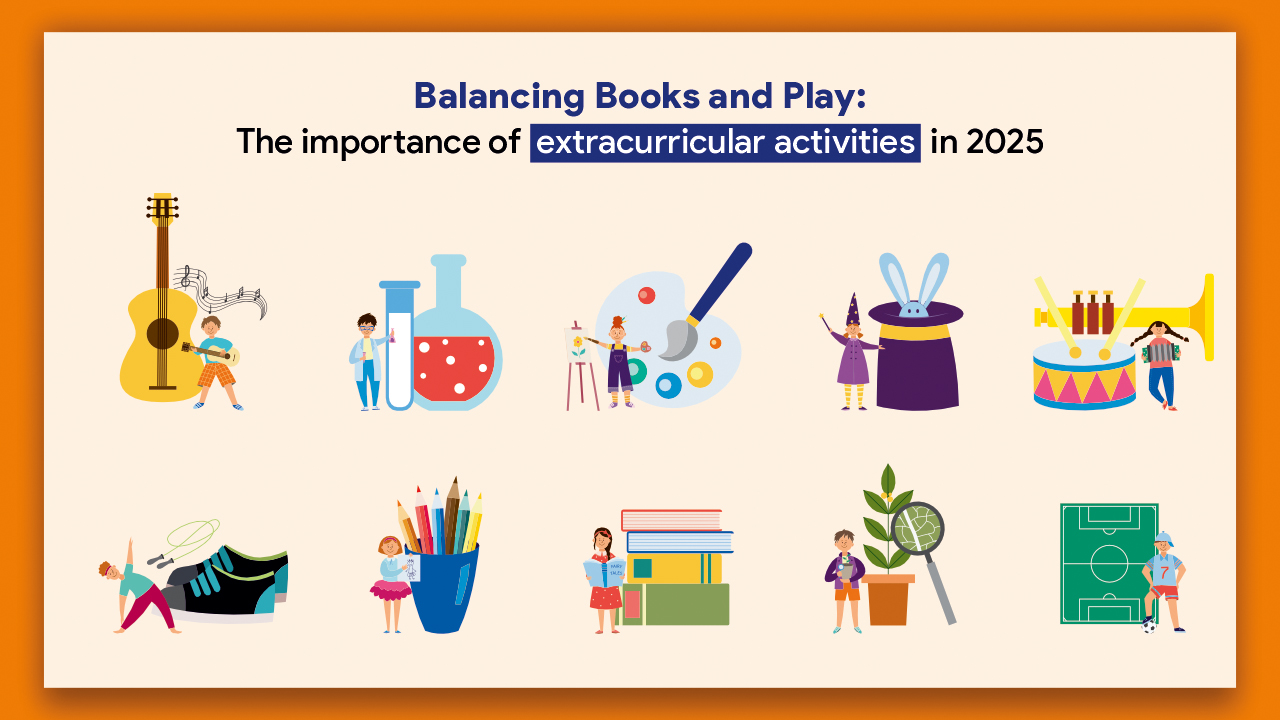 12
In the fast-paced educational landscape 2025 , achieving a harmonious balance between academic excellence and extracurricular activities is akin to maintaining a well-tuned orchestra, where each instrument contributes to a symphony of holistic development. This equilibrium is not merely desirable but essential, as it fosters well-rounded student growth , preparing learners for the multifaceted challenges of the modern world. The Multifaceted Benefits of Extracurricular Engagement Engaging in extracurricular activities for students offers a plethora of advantages that extend beyond the confines of traditional classroom learning. These activities serve as fertile ground for cultivating essential 21st-century skills such as leadership , teamwork and time management . For instance, students participating in sports, music, coding clubs or debate competitions learn the nuances of collaboration and critical thinking, which are highly valuable in both higher education and future careers. Moreover, scientific studies on student development suggest that participation in after-school activities positively impacts academic performance . A study by the National Education Association (NEA) found that students involved in structured extracurricular programmes often exhibit higher grades , better concentration and a more positive attitude towards learning . This correlation suggests that the discipline and motivation developed through such activities translate into academic success . Extracurricular Activities as Catalysts for Social Mobility Beyond personal development, extracurricular learning plays a crucial role in student well-being and social mobility . It provides a platform for students from diverse backgrounds to acquire soft skills , such as effective communication , problem-solving and adaptability , which are highly prized in higher education and the global workforce . At Narayana Schools, the Soft Skills Department offers a comprehensive programme designed to enhance students' social and communication proficiency. This initiative focuses on building confidence, effective communication and holistic personality development, ensuring students are well-prepared for future challenges. In addition, nSports programme for age-appropriate physical fitness and Yoga Veekshan for mindfulness and calmness ensure that students develop essential competencies, equipping them with the confidence and expertise needed to excel in an ever-evolving world. Strategies for Balancing Academics and Extracurriculars Achieving a healthy study-play balance requires strategic planning and self-discipline. Time management for students emerges as a critical skill in this endeavour. Learners are encouraged to create structured schedules that allocate dedicated time for both study and extracurricular engagement . Using planners or digital productivity apps can help students visualise their commitments and ensure that neither aspect is neglected. Setting clear academic and personal goals is another effective strategy. By establishing specific, measurable objectives such as achieving a certain grade point average while excelling in a student leadership role , students can maintain focus and motivation. Parental Support Parental involvement goes beyond academic encouragement, it includes parents supporting their children by encouraging participation in activities that align with their interests and strengths, fostering a sense of autonomy and personal growth. The role of parents is paramount in student success, and it comes with providing a nurturing environment, setting realistic expectations and offering emotional support during challenges and in their kids pursuing something beyond academics. Open communication and positive reinforcement can significantly boost a child's confidence and motivation, helping them navigate their educational journey with not just resilience and enthusiasm but also with open-mindedness. In essence, balancing academics and extracurriculars in 2025 is not just about time management but also about enriching the learning experience . This all-encompassing approach to education nurtures individuals with academic prowess and interpersonal skills , equipping them to thrive in an increasingly complex world. At Narayana Schools, we foster a harmonious balance, inspiring young minds to pursue their dreams with confidence and unlock their true potential because your dreams are our dreams . Follow Us for More Educational Insights Stay updated with the latest tips on education and student development. Follow us on Instagram for inspiring stories, engaging activities, and much more: Thenarayanagroup
28 Feb 2025

